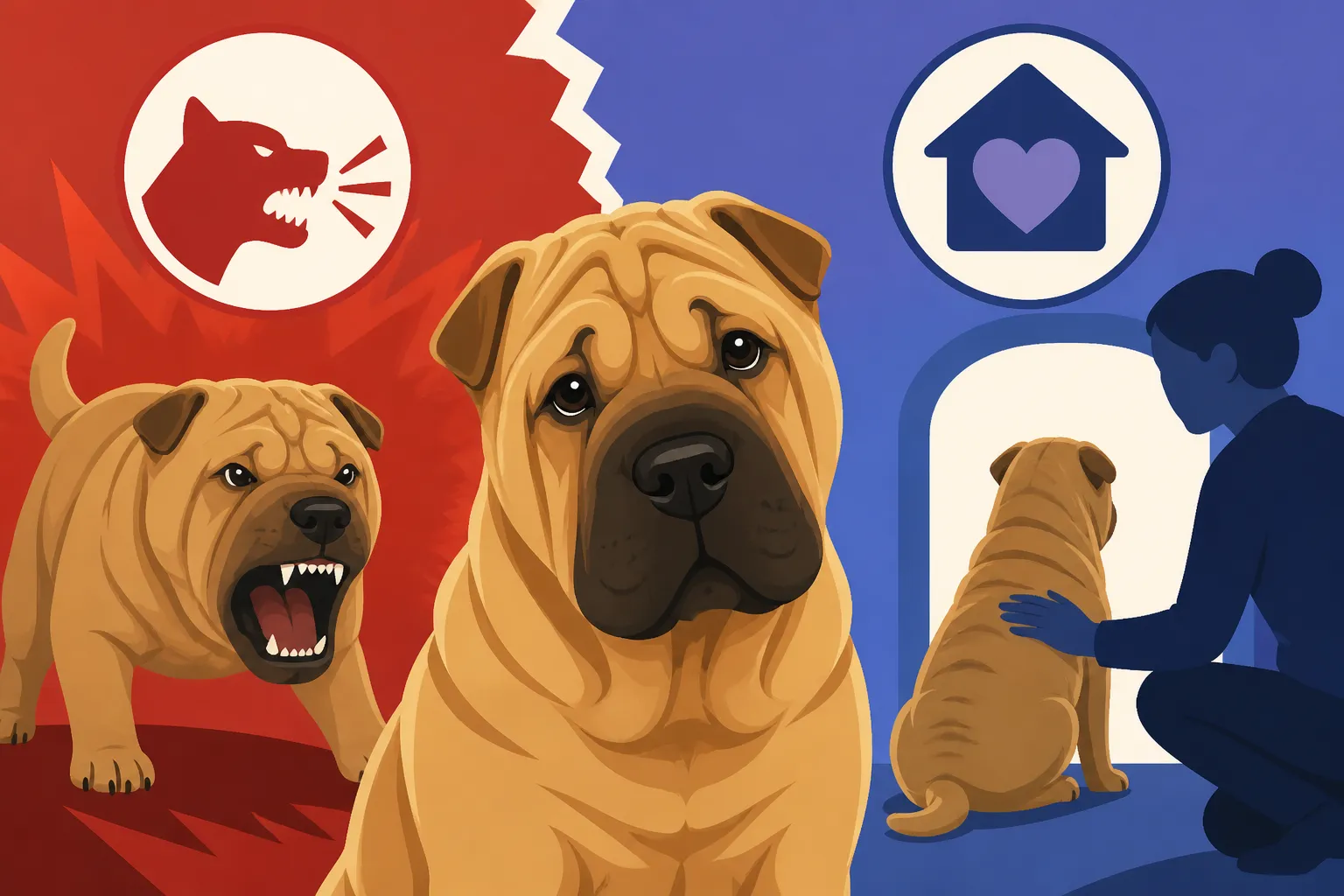
Whether Aggression Is Why Shar Pei Are Rehomed
It's an unfortunate truth that many Shar Pei find themselves in rescue organizations, and often, a common misconception or a real, albeit misunderstood, behavioral issue like aggression is cited as the reason. The distinctive look of a Shar Pei often overshadows the complex temperament beneath, leaving many owners unprepared for the unique challenges of the breed. This guide aims to shed light on why aggression might manifest in a Shar Pei, whether it truly leads to rehoming, and what responsible ownership entails to prevent such heart-wrenching outcomes.
Understanding the Shar Pei Temperament: More Than Just Wrinkles
When you first meet a Shar Pei, their striking appearance – those deep wrinkles, the scowling expression, the unique blue-black tongue – is what usually captures your attention. But beneath that distinctive exterior lies a complex personality shaped by centuries of history. These aren't your typical Golden Retrievers who greet every stranger with a wagging tail and an open heart. Shar Pei were originally bred for tasks like guarding property, hunting, and even herding in rural China. This heritage instills in them a strong sense of independence, territoriality, and a natural wariness towards strangers. It’s important to understand that A Shar Pei Was Bred to Guard, Not to Greet, and this fundamental truth impacts their behavior.
This inherent guarding instinct means that a Shar Pei isn't always going to be the life of the party at a dog park, nor will they necessarily welcome every visitor into your home with open paws. They are often described as "one-person" or "one-family" dogs, forming incredibly strong bonds with their chosen humans but maintaining a reserved, sometimes aloof, demeanor with others. This isn't necessarily aggression in its purest sense; it's a natural cautiousness. Imagine a stern, watchful grandparent who loves their family fiercely but isn't overly fond of unexpected guests dropping by without an invitation. That's a bit like a Shar Pei.
Their independent streak also means they aren't always eager to please, unlike some working breeds. They think for themselves, which can be both charming and challenging. They evaluate situations, and if they don't see the immediate benefit or logic in doing something, they might just choose not to. This isn't defiance so much as a strong will. Understanding this core temperament is the first step in avoiding situations that might escalate into what could be misconstrued as aggression. Without this foundational understanding, it’s easy for an owner to become frustrated, and for a dog to feel misunderstood, potentially leading to behavioral issues.
Unpacking the Roots of Aggression in Shar Pei
Aggression in any dog breed is rarely a singular issue; it’s usually a symptom of underlying fear, discomfort, lack of training, or even pain. For Shar Pei, their unique physical characteristics and historical purpose can contribute to specific triggers for aggressive displays. It’s vital to distinguish between a natural breed tendency and genuine problematic aggression that makes a dog unmanageable.
Fear-Based Aggression and Limited Vision
One significant factor that can contribute to a Shar Pei acting defensively or aggressively is their limited field of vision. Those deep-set eyes and wrinkled brows, while characteristic, unfortunately restrict their peripheral sight. This means that a person or another animal approaching from the side or behind can easily startle them. Imagine someone constantly sneaking up on you because you can't see them coming; you'd probably react defensively too. Why a Shar Pei Startles: It Cannot See You Coming is a critical piece of information every owner needs to grasp.
When a Shar Pei is startled, their instinct might be to snap or lunge out of fear, rather than genuine malice. They're simply reacting to what feels like an unexpected threat. This can be especially problematic in busy environments or homes with unpredictable children who might not understand the dog's spatial limitations. What might look like an unprovoked attack could simply be a startled reaction, which, if not properly managed, can quickly become a learned defensive behavior. Regular, gentle interaction from all angles and teaching children to approach calmly and audibly can go a long way in preventing these kinds of incidents.
Resource Guarding and Territoriality
Given their history as guardians, Shar Pei often exhibit strong resource guarding tendencies. This isn't just about food; it can extend to toys, beds, favorite resting spots, or even their human family members. How a Shar Pei Guards Its Food and Its Doorway isn't just a quirky trait; it's a deep-seated instinct. They might growl, stiffen, or snap if someone, canine or human, approaches what they perceive as their belonging or space.
This type of aggression stems from a powerful instinct to protect what is theirs. In a multi-dog household, this can lead to confrontations, especially if one dog tries to take a toy or infringe on another's perceived territory. Even with people, a child reaching for a food bowl or a guest trying to sit in "their" spot on the couch can trigger a defensive reaction. Managing resource guarding involves careful management – separate feeding areas, high-value items put away, and consistent training to teach "trade" or "leave it." This isn't about breaking their spirit but teaching them that humans are not a threat to their resources.
Dog-to-Dog Aggression and Undersocialization
Many Shar Pei struggles revolve around interactions with other dogs. It's often said that Dog to Dog Is the Shar Pei Problem, Not Dog to Person, and there's a good deal of truth to that. While they can be fiercely loyal and protective of their human family, their interactions with unfamiliar dogs can be challenging. This can manifest as an immediate intolerance for other dogs, or it might be reactive behavior on a leash – lunging, barking, and snarling at dogs they see.
This isn't always true aggression, but rather a combination of their guarding instincts, their sometimes-dominant personalities, and often, a lack of appropriate early socialization. If a Shar Pei puppy isn't exposed to a wide variety of friendly, stable dogs in a positive way during their critical developmental period, they can grow up to be fearful or confrontational. What Happens to an Undersocialized Shar Pei is often a life of stress for both the dog and the owner, as simple walks become a minefield of potential conflicts. This lack of social grace with other canines is a leading reason many owners feel overwhelmed and consider rehoming, especially if they have other pets or desire a dog-park-friendly companion.
Pain or Medical-Induced Aggression
Finally, any sudden change in a Shar Pei's temperament, particularly an increase in aggressive behavior, warrants a thorough veterinary check-up. These dogs are prone to several health issues, and pain can make even the sweetest dog irritable and prone to snapping. Conditions like joint pain, ear infections (and A Shar Pei Has the Narrowest Ear Canals of Any Breed), dental problems, or even internal discomfort from a condition like Shar Pei Fever can cause a dog to lash out unexpectedly.
A dog in pain can't tell you directly what's wrong, so they might communicate their distress by growling when touched, retreating, or snapping when approached, particularly if the touch exacerbates their discomfort. Ruling out a medical cause is always the first step. If your Shar Pei suddenly seems more irritable, snappish, or has a lower tolerance for handling, don't just assume it's a behavioral issue. A visit to the vet could reveal a treatable condition that's making them miserable. This is where pet insurance from providers like Healthy Paws can be invaluable, covering unexpected veterinary costs that might otherwise lead an owner to give up when faced with high bills for diagnosis and treatment.
Preventing and Managing Aggression: It Starts Early
The good news is that many instances of Shar Pei aggression can be prevented or significantly managed with early intervention, consistent training, and a deep understanding of the breed's needs. It's not about forcing them to be something they're not, but guiding them to be well-adjusted members of your family and society.
The Power of Early Socialization
I cannot stress this enough: Socialize a Shar Pei Before Twelve Weeks or Pay for It Later. This critical socialization window, from roughly 3 to 16 weeks of age, is when a puppy's brain is most open to new experiences and learning what is "normal" and "safe" in the world. For a Shar Pei, this means exposing them to a vast array of positive sights, sounds, smells, people of all ages, and especially, other calm, vaccinated puppies and adult dogs.
This isn't just about meeting other dogs; it's about positive experiences with the mail carrier, the delivery driver, children playing, vacuums humming, cars driving by, and being handled gently by different people. A well-socialized Shar Pei puppy learns that the world isn't a scary place and that most new encounters aren't threats. This foundational work drastically reduces the likelihood of fear-based aggression later in life. Puppy classes are fantastic for this, providing structured, safe opportunities for exposure and learning.
Consistent, Force-Free Training
Shar Pei are intelligent, but they are also independent and can have The Headstrong Streak Nobody Trains Out of a Shar Pei. This means that training needs to be consistent, fair, and based on positive reinforcement. Harsh corrections, punishment, or physical intimidation will only erode trust and can exacerbate fearful or defensive behaviors, leading to more aggression. They need to understand what you want from them in a clear, rewarding way.
Short, engaging training sessions using high-value treats (Chewy offers a wide selection of training treats that can be very motivating) and praise work best. Focus on basic obedience commands like "sit," "stay," "come," and "leave it." These aren't just tricks; they're vital communication tools that give you control and give your dog confidence in predictable interactions. Teaching a reliable recall and a solid "leave it" can be life-savers when faced with an unexpected dog encounter or a dropped food item. Professional trainers who understand independent, guardian breeds can be invaluable for guidance, especially if you're a first-time Shar Pei owner.
Addressing Health and Environment
As mentioned, pain or discomfort can fuel aggression. Regular vet check-ups are non-negotiable for a Shar Pei. Discuss any behavioral changes with your vet, and ensure their general health, including skin, ears, and joints, is consistently monitored. A healthy, comfortable dog is far less likely to react aggressively. Furthermore, a proper diet can contribute to overall well-being; some owners find specialized diets, such as those offered by Ollie, beneficial for sensitive dogs.
Beyond health, consider their living environment. A Shar Pei needs a calm, predictable home where they feel secure. While they require exercise, they are not typically high-energy dogs. An hour a day of walking, perhaps split into two sessions, usually suits them, but remember that An Hour a Day Suits a Shar Pei, and Heat Cuts It Short. They overheat easily, so adjust exercise for weather. Provide a safe, private space for them to retreat to when they feel overwhelmed. Management of their environment, especially around children and other pets, can prevent many undesirable interactions.
When to Seek Professional Help
If you're dealing with existing aggressive behaviors that are concerning or escalating, please seek help from a qualified professional. This isn't a sign of failure; it's a responsible step. When a Shar Pei Needs a Behaviorist is usually when behaviors become unmanageable, pose a risk, or are deeply ingrained. A Certified Professional Dog Trainer (CPDT) or a Certified Dog Behavior Consultant (CDBC) can assess the specific triggers, understand the underlying motivations, and develop a tailored behavior modification plan. They can help you implement strategies, teach you how to read your dog's subtle body language, and provide the tools you need to manage and reduce aggression safely and effectively.
When Rehoming Becomes a Reality: A Difficult Decision
Despite the best intentions, sometimes rehoming a Shar Pei becomes an unavoidable reality. This is rarely a decision made lightly; it's often the culmination of various challenges that overwhelm an owner, or it's done out of genuine concern for the dog's or family's safety and well-being. It's a heartbreaking situation for everyone involved.
Misconceptions and Unrealistic Expectations
One of the primary reasons Shar Pei end up in rescues is due to a fundamental mismatch between owner expectations and the reality of the breed. People fall in love with the adorable wrinkles of a puppy without fully researching the breed's specific needs, health challenges, or temperament. They might expect a highly social, biddable family dog and are unprepared for the independent, sometimes reserved nature of a Shar Pei. When the dog exhibits typical Shar Pei traits – aloofness with strangers, guarding tendencies, or sensitivity to new situations – it can be misinterpreted as "bad" behavior or aggression, leading to frustration and, eventually, surrender.
Owners might also underestimate the crucial role of early socialization and consistent training. A puppy that isn't properly introduced to the world can develop significant fear and reactivity, which then manifests as defensive aggression. When this happens, owners, especially those new to dog ownership or the breed, often feel ill-equipped to handle it.
Financial and Lifestyle Strain
The cost of owning a Shar Pei can be substantial, especially when health or behavioral issues arise. From regular vet visits to specialized diets, medications, and potentially professional behaviorist consultations, the financial commitment can quickly become overwhelming. For instance, addressing skin issues or recurring ear infections, which are common in Shar Pei, can lead to ongoing bills. Likewise, a series of sessions with a qualified behaviorist to manage aggression can be a significant expense.
Life changes can also contribute to rehoming. A new baby, a move to an apartment with breed restrictions, a demanding job that leaves no time for the dog, or a serious illness in the family can all put a strain on an owner's ability to care for their Shar Pei adequately. In these situations, even a well-loved dog might be surrendered because the owner can no longer meet their needs, whether financial, time-based, or environmental. This is often the catalyst for Why Shar Pei Fill Rescues and What Adopting One Involves.
The Role of Rescue Organizations
Fortunately, dedicated Shar Pei rescue organizations exist to help these dogs when their owners can no longer care for them. These rescues understand the breed's unique needs, challenges, and quirks. They provide a safe haven, medical care, and often, specialized behavioral assessments and training before placing the dogs in new, carefully vetted homes.
When a Shar Pei is surrendered due to aggression, rescue groups work to identify the root cause, differentiate between fear-based reactions and genuine behavioral challenges, and implement rehabilitation programs. They are often equipped to handle dogs that might be deemed "unadoptable" by general shelters. They strive to find homes that are prepared for the commitment, understand the breed, and can provide the structure and love a Shar Pei needs to thrive, ensuring the next home is truly their forever home.
Making the Right Decision for Everyone
Considering rehoming is an incredibly difficult and emotional process. If you find yourself in this position, remember that it's often an act of love to recognize when you can no longer provide the best environment for your dog. Before making a final decision, explore all options: consult with your veterinarian, reach out to a professional behaviorist, connect with Shar Pei breed clubs or rescue groups for advice, and explore training resources. Sometimes, a different approach, a new training method, or addressing an underlying health issue can make all the difference.
However, if, after exhausting all resources, you determine that rehoming is the safest and most humane option for your Shar Pei and your family, working with a reputable breed-specific rescue is paramount. They have the expertise to assess your dog, provide rehabilitation if needed, and match them with an experienced owner who can meet their specific needs, ensuring a better future for a beloved, albeit challenging, breed.
| Type of Aggression | Common Triggers | Initial Management Strategies |
|---|---|---|
| Fear-Based | Startling, unexpected movements, loud noises, strangers, unknown environments | Avoid triggers, provide safe spaces, positive exposure to new things, teach "watch me" for focus, consider vet check for pain/vision issues. Whether a Shar Pei's Eyes Limit Its Peripheral Vision can be a factor. |
| Resource Guarding | Approaching food, toys, bed, owner, specific spots | Separate feeding/play areas, teach "trade" or "leave it" with positive reinforcement, avoid direct confrontation, supervise interactions, especially with children. |
| Dog-to-Dog | Encounters with unfamiliar dogs, especially off-leash or in confined spaces, competition for resources | Controlled, positive exposure from a distance, parallel walks, avoid dog parks, use leashes and muzzles responsibly, seek professional trainer for desensitization and counter-conditioning. How a Shar Pei Behaves Toward Other Dogs is key. |
| Pain/Medical-Induced | Touching a sore spot, handling, sudden movements causing pain, underlying illness | Immediate vet check to rule out and treat underlying medical conditions, gentle handling, avoid painful areas, administer prescribed medications, discuss with vet if behavior persists. |
Disclaimer
This article is for general informational purposes only and does not constitute professional advice. Laws, prices and regulations vary by location and change over time. Consult a qualified professional for guidance on your specific situation.


