How Old the Shar Pei Breed Really Is
The true age of the Shar Pei breed in southern China remains uncertain despite ancient statues and local history.
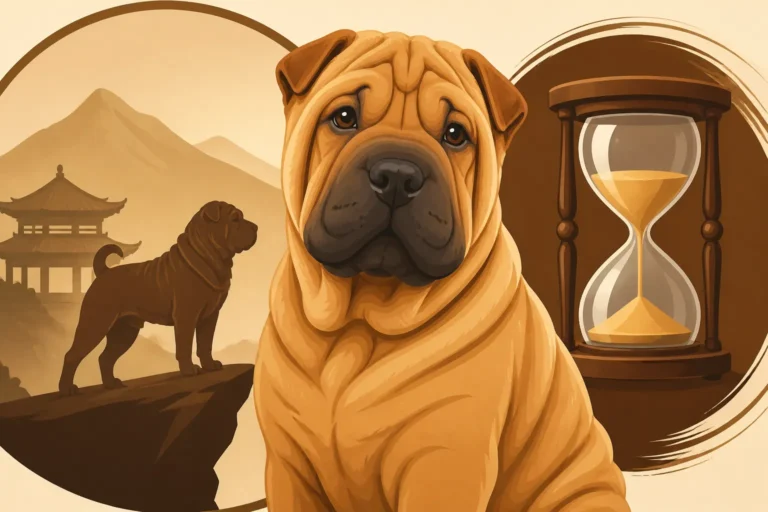
The true age of the Shar Pei breed in southern China remains uncertain despite ancient statues and local history.
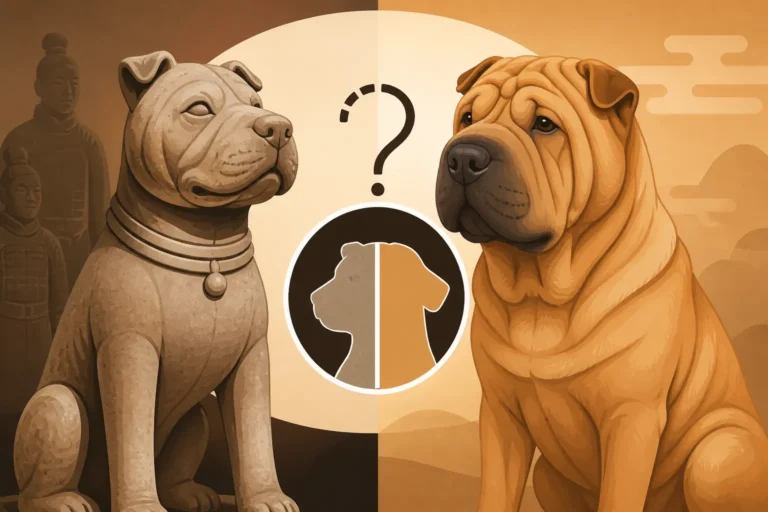
Han Dynasty dog statues showing physical traits like broad heads and curled tails, and why identifying ancient breeds remains difficult.
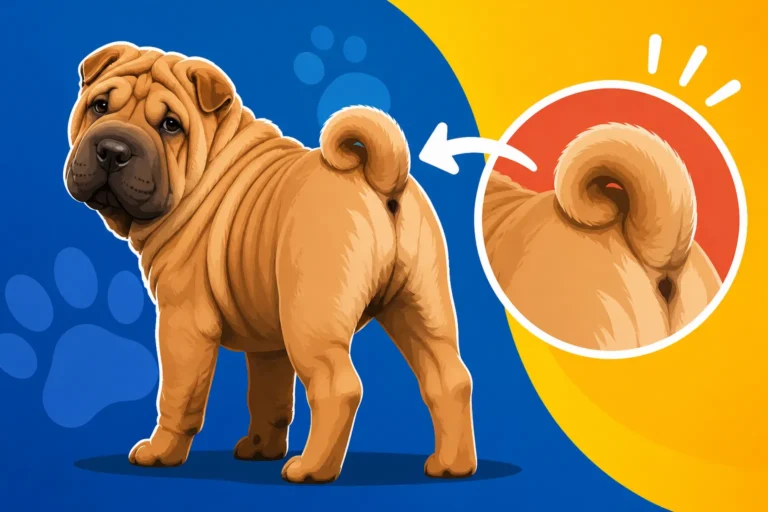
A Shar Pei tail curl stems from inherited breed traits, explaining normal shape variations, carriage, and balance functions.

Shar Pei small ear shape and history examined, explaining whether breeders deliberately selected the trait for work.
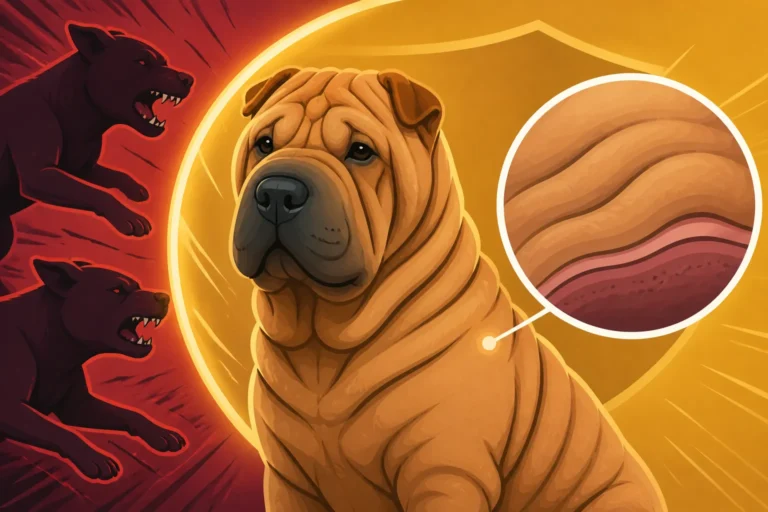
Shar Pei loose skin might have offered physical flexibility, but historical evidence cannot prove it evolved for fighting.

Shar Pei history shows the breed developed in southern China as a multipurpose working dog rather than a pit dog.

Traditional Shar Pei history explains whether the rural farm dog was used to herd livestock or primarily for guarding.

Shar Pei hunting history in rural China reveals a versatile farm dog that occasionally assisted with various tasks.

The history of the Shar Pei explains rural working roles and household guarding in Guangdong province and southern China.

The translation of Shar Pei into English and its literal meaning of sand skin are explained with Mandarin and Cantonese details.