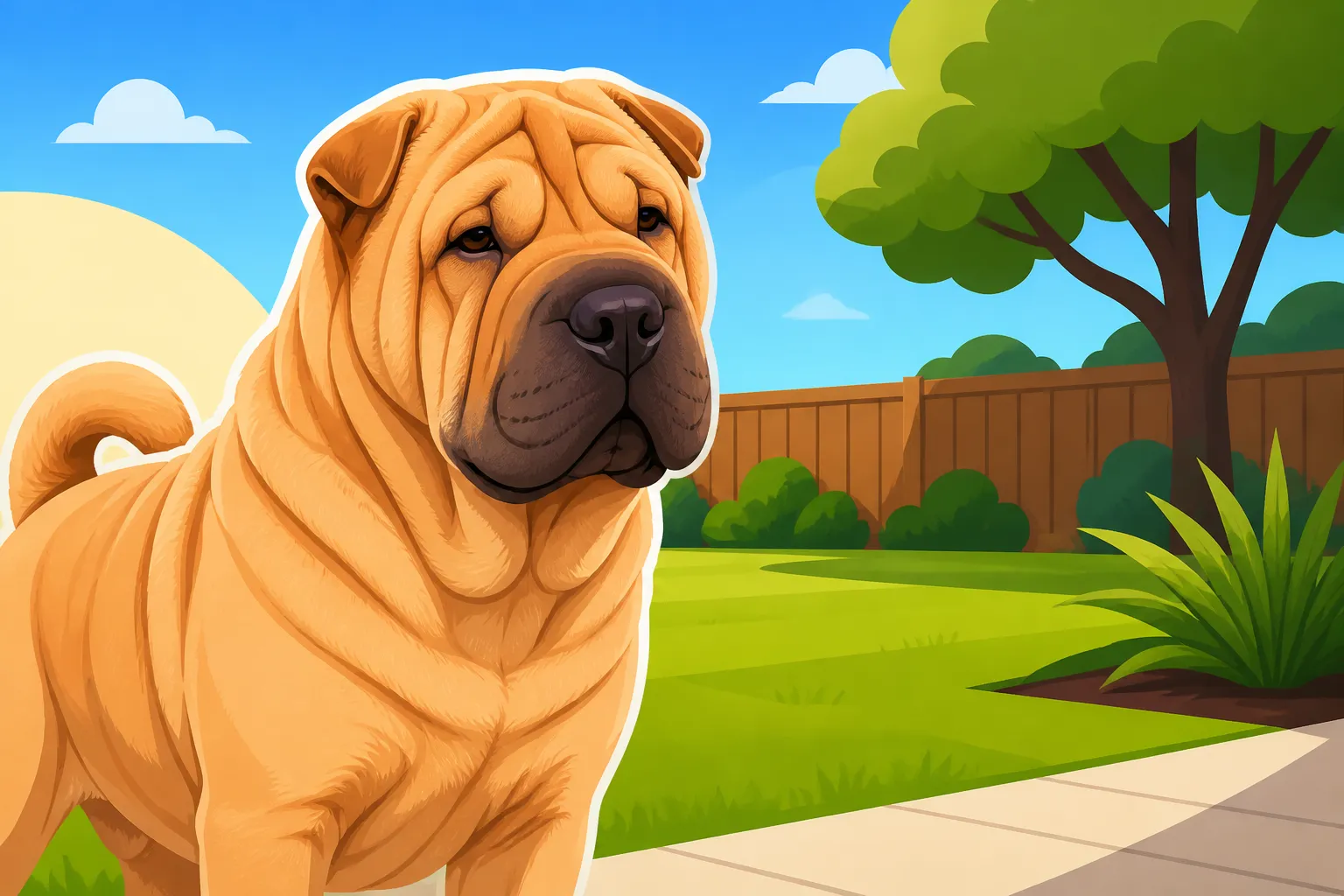
The Yard a Shar Pei Needs
Oh, the backyard. For many of us, it’s a sanctuary, a place for barbecues and relaxation. For our beloved Shar Pei, though, it’s a whole different landscape – a territory to guard, a playground to explore, and sometimes, a fortress to escape. If you’ve ever wondered if your yard is truly meeting the unique needs of your wrinkly companion, you’re not alone. This guide is here to walk you through everything you need to consider to make your outdoor space safe, secure, and supremely satisfying for your Shar Pei, tackling common frustrations like digging and fence challenges head-on.
Understanding Your Shar Pei's Yard Personality
Before we talk about fences and shade, let's talk about the Shar Pei themselves. These aren't your average Golden Retriever who just wants to chase a ball endlessly. Shar Pei have a distinct personality and physical traits that directly impact how they interact with their outdoor environment. Ignoring these can lead to frustration for both you and your dog.
The Guard Dog Instinct in Their Own Space
One of the most defining characteristics of a Shar Pei is their guarding instinct. They were originally bred for tasks like guarding homes, livestock, and even hunting, so it's deeply embedded in their DNA. A Shar Pei Was Bred to Guard, Not to Greet. This means your yard isn't just a place to potty or stretch; it's their territory, and they take that role seriously. They will patrol the perimeter, watch for anything out of the ordinary, and often, bark at passersby, delivery drivers, or even a leaf blowing down the street.
This isn't naughtiness; it's simply who they are. You might find your Shar Pei spending a lot of time near the fence line, observing the world. This can be a source of constant stimulation for them, but it can also be a source of stress if they feel overwhelmed or constantly challenged by external factors. Understanding this inherent trait helps you design a yard that respects their protective nature while also keeping them calm and secure. Don't expect them to be a fence-leaning, tail-wagging greeter to everyone who walks past. Their job, as they see it, is to protect.
Vision Limitations and Environmental Awareness
Have you ever noticed your Shar Pei turning their whole head to look at something? Or maybe they seem startled by something you thought was obvious? This isn't just them being quirky; it's often due to their unique physical structure. Those wonderful, deep-set eyes and prominent head wrinkles, while characteristic, significantly reduce their peripheral vision. Why a Shar Pei Startles: It Cannot See You Coming. They simply cannot see what's coming at them from the sides as easily as many other breeds.
In a yard setting, this has real implications. A shadow, a squirrel darting in from the side, or even a child running up to them unexpectedly can cause a Shar Pei to react with a startle response. This isn't aggression, but a defensive reaction to something they didn't perceive coming. Your yard design should ideally take this into account, minimizing sudden, unexpected movements or providing clear sightlines where possible. Think about hedges or fences that prevent surprises, rather than ones that allow things to suddenly appear in their limited field of view.
Heat Sensitivity and Outdoor Comfort
Let's face it, our Shar Pei are not built for extreme heat. Their unique coat, often dense, combined with their sometimes "meat mouth" structure (meaning more facial folds and a broader muzzle), can make them quite susceptible to overheating. What Temperature Is Too Hot for a Shar Pei. A few minutes too long in direct sun on a warm day can quickly turn into a dangerous situation. This isn't just about walks; it's about their time spent in the yard too.
The amount of shade available in your yard is paramount. Are there natural trees? Can you provide artificial shade? Access to cool water is non-negotiable. Many owners find that the ideal yard for a Shar Pei needs to be actively managed, especially during warmer months. This might mean only allowing them outside during cooler parts of the day, or ensuring they have a dedicated, shaded "cool down" spot. It’s not just about comfort; it’s about their health and safety.
The Non-Negotiables: Security and Safety First
When it comes to your Shar Pei and the yard, security isn't just a recommendation; it's an absolute necessity. These dogs are intelligent, often independent thinkers, and while devoted to their families, they can also be opportunists when it comes to exploring beyond the fence line. A secure yard protects them from dangers outside and protects others from their guarding instincts.
Fencing: More Than Just a Barrier
A fence for a Shar Pei isn't just a visual boundary; it needs to be a true physical deterrent. We're talking about robust, well-maintained fencing. For many Shar Pei owners, a standard picket fence just won't cut it. Your Shar Pei might be more athletic than they look, and some can be quite capable climbers if the fencing offers footholds. Others are master diggers, finding any weakness at the base.
Consider the height – generally, a six-foot solid fence is recommended to prevent jumping and to reduce visual stimulation that can trigger excessive barking or guarding. The material matters too. Chain link, while seemingly strong, can be climbed, and the gaps can be a temptation for those who want to stick their noses through. Solid wood, vinyl, or even masonry walls are often preferred. Always check the fence for weak spots, loose boards, or areas where posts might be rotting. Remember, your Shar Pei isn't just trying to get out for fun; they're exploring their territory.
Preventing Escapes: Digging and Opportunism
Shar Pei can be incredibly determined when they want to get somewhere. Digging is a common trait, especially if they are bored, smell something interesting on the other side, or simply feel like they need to reinforce their boundary. How Much a Shar Pei Digs. A fence that only extends to ground level is an invitation for an industrious Shar Pei to tunnel right under.
To prevent digging escapes, you'll need to think about extending your barrier underground. This can involve burying a wire mesh (like hardware cloth) along the fence line, laying a line of large rocks or concrete pavers at the base, or even pouring a shallow concrete footer. For a truly determined digger, you might need to combine several methods.
Beyond digging, Shar Pei are opportunists. A gate left ajar for a second, a delivery person who doesn't quite latch it, or even a low branch they can step onto could be their ticket to freedom. Ensure all gates have secure, self-latching mechanisms and consider double-gating important entry points. Never underestimate their ability to find a weakness in your perimeter. How a Shar Pei Escapes a Yard provides even more detailed strategies for these clever canines.
| Hazard | Shar Pei-Specific Risk | Prevention Strategy |
|---|---|---|
| Loose Fence Post | Escape, territorial disputes, injury | Inspect regularly, reinforce with concrete |
| Gaps Under Fence | Digging escapes, access to hazards | Bury wire mesh/pavers, pour concrete footer |
| Unlatched Gate | Opportunistic escape, traffic danger | Self-latching hardware, double gates |
| Toxic Plants | Ingestion, emergency vet visit | Research local toxic plants, remove from yard |
| Standing Water | Skin fold dampness, drowning hazard (puppies) | Empty bowls regularly, cover pools |
| Direct Sun Exposure | Overheating, heatstroke | Ample shade, restricted outdoor time on hot days |
Hazardous Plants and Yard Materials
Your yard might look beautiful, but some common plants can be toxic to dogs. Shar Pei, especially curious puppies or those prone to boredom, might chew on plants. Common culprits include sago palms, lilies, azaleas, rhododendrons, and even some common garden bulbs. Before letting your Shar Pei roam freely, do a quick inventory of your landscaping. If you're unsure, a quick search for "toxic plants for dogs" will give you a comprehensive list, or consult your veterinarian.
Beyond plants, consider other yard materials. Loose gravel or sharp edges on decorative items could injure their paws. Pesticides, herbicides, and fertilizers are a huge no-no. If you treat your lawn, always use pet-safe products and follow directions carefully for drying times. Pool chemicals or stagnant water in unused fountains can also pose a risk. The goal is a truly pet-friendly environment where every sniff and chew won't lead to a health scare.
Beyond the Fence: Making the Yard a Haven, Not Just a Space
Once your Shar Pei's yard is secure and safe, the next step is to make it a genuinely enjoyable and enriching environment. A drab, unstimulating yard can lead to boredom, which often translates into destructive behaviors. Think of it as creating an outdoor extension of their comfortable home, tailored to their specific needs.
Shaded Retreats and Hydration Stations
Given their heat sensitivity, adequate shade is non-negotiable. This isn't just a small patch of shade at one end of the yard; it needs to be an expansive area where they can comfortably rest and cool down, regardless of the sun's position throughout the day. Mature trees are ideal, but if you don't have them, consider adding shade sails, canopies, or even a covered patio area. You can find durable shade cloths on Amazon that attach easily to posts or existing structures, providing instant relief.
Alongside shade, readily available fresh water is crucial. Have multiple water bowls placed in different shaded spots. For an added cooling bonus, consider a small, shallow kiddie pool filled with just a few inches of water, especially on hot days. Some Shar Pei enjoy a gentle splash, or at least wading to cool their paws. Just remember to empty and clean it regularly to prevent mosquitoes and algae growth, and ensure there's not too much water for smaller dogs or puppies.
Designated Digging Zones and Enrichment
If your Shar Pei has a digging habit, trying to completely stop it might be a losing battle. Instead, try to redirect it. Create a designated digging zone! This could be a sandbox, a raised garden bed filled with loose soil, or even just a corner of the yard where digging is allowed. Burying toys or treats in this area can make it incredibly enticing and train them to dig there instead of under your prize-winning roses.
Beyond digging, think about other ways to enrich their outdoor time. Scent work is fantastic for Shar Pei, engaging their minds and instincts. Hide treats or their favorite toys around the yard and let them sniff them out. Puzzle toys, especially those designed for outdoor use, can also provide mental stimulation. A sturdy, durable chew toy can keep them occupied for a while. Remember, a stimulated Shar Pei is less likely to invent their own, potentially destructive, entertainment. This is where training can come in handy too; even simple obedience commands practiced in the yard can be enriching. BAXTER & Bella offers fantastic online resources that can help you with these kinds of engagement strategies.
Comfortable Resting Spots and Seasonal Considerations
Just like indoors, your Shar Pei needs comfortable places to rest outside. An elevated dog bed under a shade structure keeps them off hot pavement or damp ground, which is great for their joints and their skin, preventing moisture from building up in their folds. If you live in a climate with cold winters, remember that a Shar Pei, especially a horse coat, might not tolerate cold well. Whether a Horse Coat Shar Pei Feels the Cold More. A sheltered, insulated dog house or restricting outdoor access during severe weather becomes vital.
Consider the surface materials in your yard. Large expanses of concrete or asphalt can get incredibly hot in the sun, burning paw pads. Grass or soft ground is much preferred. If you have a patio, ensure there’s a mat or shaded area for them to lie on. For older Shar Pei, who might have arthritis or other mobility issues, softer, more easily accessible areas are even more important. What Changes in an Old Shar Pei's Care often includes adapting their environment to support their aging bodies.
The Human Element: Supervision, Training, and Boundary Setting
Even with the most perfectly designed yard, your role as a Shar Pei owner is paramount. A yard is a tool, not a babysitter. Your presence, consistent training, and clear boundaries are what truly make the outdoor space work for your Shar Pei.
Consistent Supervision is Key
It's tempting to think that once your yard is "Shar Pei proof," you can just let them out and forget about them. That's a mistake. Constant, or at least very frequent, supervision is still essential. This isn't just for security – to ensure they aren't digging an escape tunnel or finding a new way out – but also for their safety. Are they getting too hot? Are they interacting appropriately with the boundaries? Are they guarding something they shouldn't be?
Supervision allows you to intervene before a small issue becomes a big one. It also gives you a chance to engage with them, play a quick game of fetch, or do a mini-training session. This interaction reinforces your bond and ensures they view the yard as a shared space, not just their solitary domain. It's about being proactive rather than reactive.
Training for Yard Manners and Boundaries
Even in a fenced yard, training is critical. Your Shar Pei needs to understand boundaries within the yard and respond to your commands. For instance, teaching a strong "come" cue is vital in case of an accidental gate opening. Training them not to jump on the fence, not to bark excessively at every passerby, or to use their designated digging spot are all behaviors that need to be taught and reinforced.
Don't assume they'll just figure it out. Shar Pei are intelligent but independent, and that "headstrong streak" we all know and love means they often need clear, consistent guidance. The Headstrong Streak Nobody Trains Out of a Shar Pei. Positive reinforcement methods work best with these dogs. You can find excellent resources for this, including online courses that cover everything from basic obedience to problem behaviors, from platforms like BAXTER & Bella, which can be immensely helpful in shaping good yard manners.
Managing Environmental Triggers
Your Shar Pei's guarding instincts mean they will react to things outside their territory. While a solid fence helps reduce visual triggers, sounds will still carry. Excessive barking at every mail truck or neighbor can become a nuisance, for you and for your neighbors. This is where management comes in.
If your Shar Pei barks excessively, bring them inside for a break. Teach them a "quiet" cue. Provide indoor enrichment before outdoor time to tire them mentally. Using white noise or even a radio near the fence can sometimes mask irritating sounds. Remember that the goal isn't to punish their natural guarding behavior, but to manage it so it doesn't become a problem. Sometimes, a well-placed visual barrier, like a privacy screen on a chain-link fence, can reduce the visual triggers that set off barking, providing a calmer environment for your dog.
Ultimately, your yard can be a wonderful asset for your Shar Pei, offering them space to roam, sniff, and exercise. But it needs to be approached with a clear understanding of their unique needs, from their physical vulnerabilities to their ingrained behaviors. By creating a secure, enriching, and thoughtfully managed outdoor space, you're not just providing a yard; you're providing a safe and happy extension of their home.
Disclaimer
This article is for general informational purposes only and does not constitute professional advice. Laws, prices and regulations vary by location and change over time. Consult a qualified professional for guidance on your specific situation.


