The Year Guinness Named the Shar Pei the Rarest Breed
There's a shared sense of urgency that many of us animal lovers feel when we hear about a breed teetering on the brink of extinction. It’s a gut punch, really, to think that a unique lineage of dogs, developed over centuries, could simply vanish. For the majestic Shar Pei, this wasn't just a hypothetical fear; it was a terrifying reality that led to its unlikely moment in the global spotlight, an event that would ultimately save the breed. This guide delves into the remarkable story of how the Shar Pei, once on the verge of disappearing entirely, captured the world's attention and began its incredible journey back from the brink, forever changing its future.
The Shar Pei's Near Extinction in the Mid-20th Century
Imagine a world where the distinctive, wrinkled face of a Shar Pei was practically unheard of outside a tiny corner of the globe. That was the grim reality for this ancient breed through much of the 20th century. For centuries, the Shar Pei had thrived in the southern provinces of China, valued for its hunting, guarding, and even fighting prowess. It was a sturdy, independent dog, a true working companion to peasants and farmers. However, political and economic upheaval in China, particularly in the mid-20th century, dealt a devastating blow to dog populations, including the Shar Pei.
The rise of communism brought with it severe restrictions and even outright bans on dog ownership, particularly for larger breeds, which were seen as luxuries or unnecessary consumers of resources. Dogs were often culled en masse, driven by health scares or simply as a means of control. In this environment, keeping dogs became not only economically difficult but also socially frowned upon, and in some cases, outright dangerous. It wasn't just individual families giving up their pets; it was a systemic eradication that swept across the country. The Shar Pei, like many other native Chinese breeds, found its numbers dwindling at an alarming rate.
By the 1950s and 60s, the breed was considered critically endangered within mainland China. Pockets of Shar Pei managed to survive in places like Hong Kong and Taiwan, where political circumstances were different, but even there, their numbers were incredibly low. These few remaining dogs represented the last vestiges of a unique genetic line, holding the entire future of the breed in their paws. It was a desperate situation, and without intervention, it was almost certain that the Shar Pei would vanish from existence, leaving behind only historical records and statues.
Matgo Law's Urgent Appeal to the Western World
In the face of this impending loss, one man made a profound difference. Matgo Law, a dedicated breeder living in Hong Kong, recognized the dire situation and understood that if something wasn't done quickly, the Shar Pei would be lost forever. He was keenly aware that the breed had become virtually extinct in its homeland, and the few specimens he knew of in Hong Kong were all that remained of pure lineage. His passion for these unique dogs drove him to take a monumental risk, reaching out beyond the borders of China to find allies for the dwindling breed.
In 1973, Matgo Law penned a heartfelt plea, an article titled "The Last Dogs of China," and sent it to a prominent American dog magazine, Dogs. This wasn't just a simple letter; it was an SOS, a cry for help to the Western world, imploring dog enthusiasts and breeders to recognize the Shar Pei's plight and assist in its preservation. He described the Shar Pei as a unique and ancient breed facing imminent extinction, detailing its distinctive features and gentle, yet fiercely loyal, temperament. He also painted a clear picture of the cultural and political reasons behind its near disappearance in China, emphasizing the urgency of the situation.
The response to his article was nothing short of extraordinary. American dog lovers, captivated by the story of this rare and unusual dog, answered his call with an outpouring of interest. Letters poured in, and soon, a small number of Shar Pei puppies and adults were imported into the United States. This initial influx, though small, formed the genetic foundation for the breed's eventual resurgence in the West. These dogs were precious cargo, each one a living link to a near-lost heritage, and their arrival marked the beginning of a new chapter for the Shar Pei, far from its original home.
Guinness World Records Steps In
The story of the Shar Pei's near-extinction and Matgo Law's desperate plea started to spread, capturing the imagination of dog enthusiasts and the general public alike. It was a compelling narrative: an ancient breed, almost wiped out, now being saved by dedicated individuals across the globe. This growing fascination culminated in a significant moment in 1978 when the Guinness World Records officially declared the Chinese Shar Pei the rarest dog breed in the world. This wasn't just a quirky title; it was a powerful endorsement that dramatically amplified the breed's profile.
Being featured in the Guinness World Records provided an unprecedented level of exposure. Suddenly, the Shar Pei wasn't just a breed known to a small circle of dedicated fanciers; it was a global curiosity. People who had never heard of a Shar Pei before saw its distinctive wrinkled face and learned its incredible survival story. This recognition sparked a wave of interest from prospective owners, breeders, and even media outlets, all eager to learn more about "the rarest dog." It effectively put the breed on the map, transforming it from an obscure, endangered animal into an international sensation.
The impact was immediate and profound. The declaration acted as a catalyst, igniting a boom in Shar Pei ownership and breeding in the West. While Matgo Law's initial efforts brought the first few dogs to America, the Guinness title provided the widespread recognition needed to truly kickstart the breed's comeback. This newfound fame, however, came with its own set of challenges, as rapid expansion sometimes prioritizes quantity over careful breeding practices, but there's no denying that the Guinness title was a critical turning point that cemented the Shar Pei's place in the hearts and minds of dog lovers around the world.
The Shar Pei's Resurgence and Its Consequences
The Guinness World Record title was a double-edged sword for the Shar Pei. On one hand, it brought incredible attention and pulled the breed back from the brink of extinction. The sheer demand for these "rarest dogs" led to a rapid increase in breeding efforts, particularly in the United States. Breeders, both responsible and opportunistic, jumped into the fray, eager to meet the sudden surge in public interest. This period saw the Shar Pei's numbers explode, moving it from a critically endangered rarity to a relatively common sight in just a couple of decades.
However, this rapid resurgence, often fueled by the commercial desire to capitalize on the breed's newfound popularity, came with significant consequences for the Shar Pei's health. The original gene pool was incredibly narrow, consisting of only a handful of dogs that were imported from Hong Kong. When breeding expanded quickly, often without a thorough understanding of genetics or an emphasis on health screening, certain genetic predispositions became magnified. Breeders, sometimes in their haste or ignorance, prioritized the exaggerated wrinkle characteristic that had captured public imagination, inadvertently selecting for traits linked to health issues. Whether the Shar Pei Boom Damaged the Breed explores this in more detail.
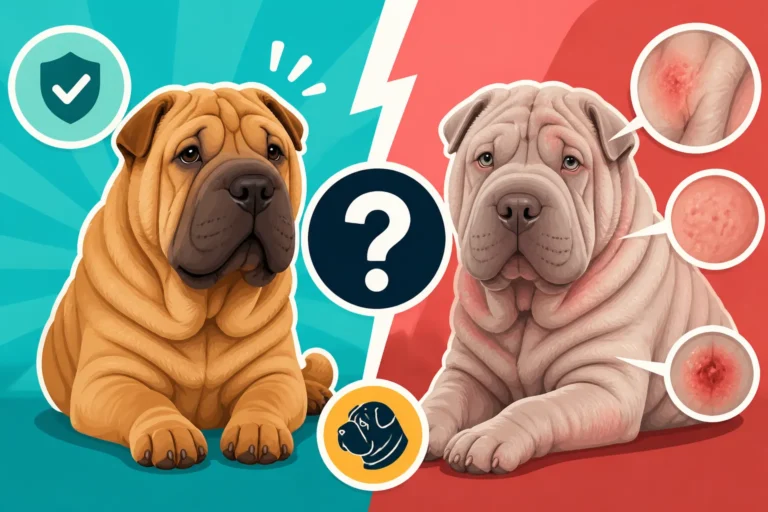
This boom led to a host of breed-specific health problems becoming more prevalent. The gene responsible for their characteristic wrinkles also carries a predisposition to Familial Shar Pei Fever (FSF) and its deadly complication, amyloidosis. Excessive wrinkles, while aesthetically appealing to many, also increased the incidence of skin fold dermatitis, eye problems like entropion, and narrow ear canals, making the breed particularly susceptible to infections. This era of rapid growth meant that many Shar Pei were bred without proper health clearances or a focus on improving the breed's overall well-being, creating challenges that dedicated breeders and owners still grapple with today.
Life After Rarity: What the Shar Pei is Today
Fast forward several decades, and the Shar Pei has firmly established itself in homes around the world. While it no longer holds the title of "rarest dog," its unique appearance and distinct personality continue to draw admirers. The initial frantic breeding boom eventually settled, and more responsible breeding practices have emerged, though the health challenges introduced during that period remain a significant concern for the breed. Today, the Shar Pei is recognized by major kennel clubs globally, including the American Kennel Club (AKC), and has a dedicated following of owners who adore their loyal, often stubborn, companions.
Breed clubs and dedicated enthusiasts have made considerable strides in understanding and managing the Shar Pei's specific health needs. Awareness of conditions like Shar Pei Fever, amyloidosis, and common skin and eye issues is far more widespread than it once was. Health testing and careful breeding choices are paramount for responsible breeders aiming to produce healthy puppies. Many owners are diligent about regular vet check-ups, often including specialized kidney monitoring and proactive care for skin folds and ears. For instance, finding breed-specific care items, like specialized shampoos or gentle ear cleaners, is easier now, with many options available through retailers like Chewy, which cater to a wide range of pet needs.
The Shar Pei's journey from near extinction to global recognition is a powerful testament to the dedication of a few individuals and the enduring appeal of this remarkable breed. While its rarity status is a thing of the past, the legacy of that journey continues to shape how we understand and care for these dogs. Owning a Shar Pei today means being part of a continuing story of preservation, requiring commitment to their unique care requirements and an appreciation for their strong, independent spirit. It's a breed that will always carry its history of survival within its distinctive wrinkles. How Long a Shar Pei Lives often depends heavily on vigilant care and early detection of these inherent health issues.
Here's a quick look at the Shar Pei's incredible timeline:
| Year | Event | Impact on Shar Pei |
|---|---|---|
| Mid-20th Cent. | Political and economic upheaval in China | Led to mass culling and near extinction of the breed. |
| 1973 | Matgo Law's article in Dogs magazine | First call for help, initiated imports to the West. |
| 1978 | Guinness World Records declares it rarest | Global recognition, sparked massive interest and breeding boom. |
| 1980s-1990s | Rapid increase in Western breeding | Breed numbers recovered, but genetic health issues emerged. |
| 1992 | AKC full recognition | Established place in Western dog fancy. |
| Present | Ongoing health awareness & responsible breeding | Efforts to mitigate inherited health issues. |
The story of the Shar Pei is a fascinating one, full of twists and turns. From a few precious dogs imported by dedicated individuals, the breed has blossomed, albeit with continued vigilance. Many new owners, eager to provide the best for their unique pets, will find themselves looking for specific dietary options or health supplements. Online retailers like Chewy have made it significantly easier for Shar Pei owners to access a vast array of specialized products, from sensitive skin formulas to joint support, allowing them to better manage their dog's unique needs. This accessibility to tailored products is a far cry from the days when the breed was a mere whisper, its needs largely unknown outside a very small circle. The breed's journey highlights the profound impact that focused attention and dedicated care can have on the fate of any animal, turning the tide from almost forgotten to fiercely beloved.
Disclaimer
This article is for general informational purposes only and does not constitute professional advice. Laws, prices and regulations vary by location and change over time. Consult a qualified professional for guidance on your specific situation.