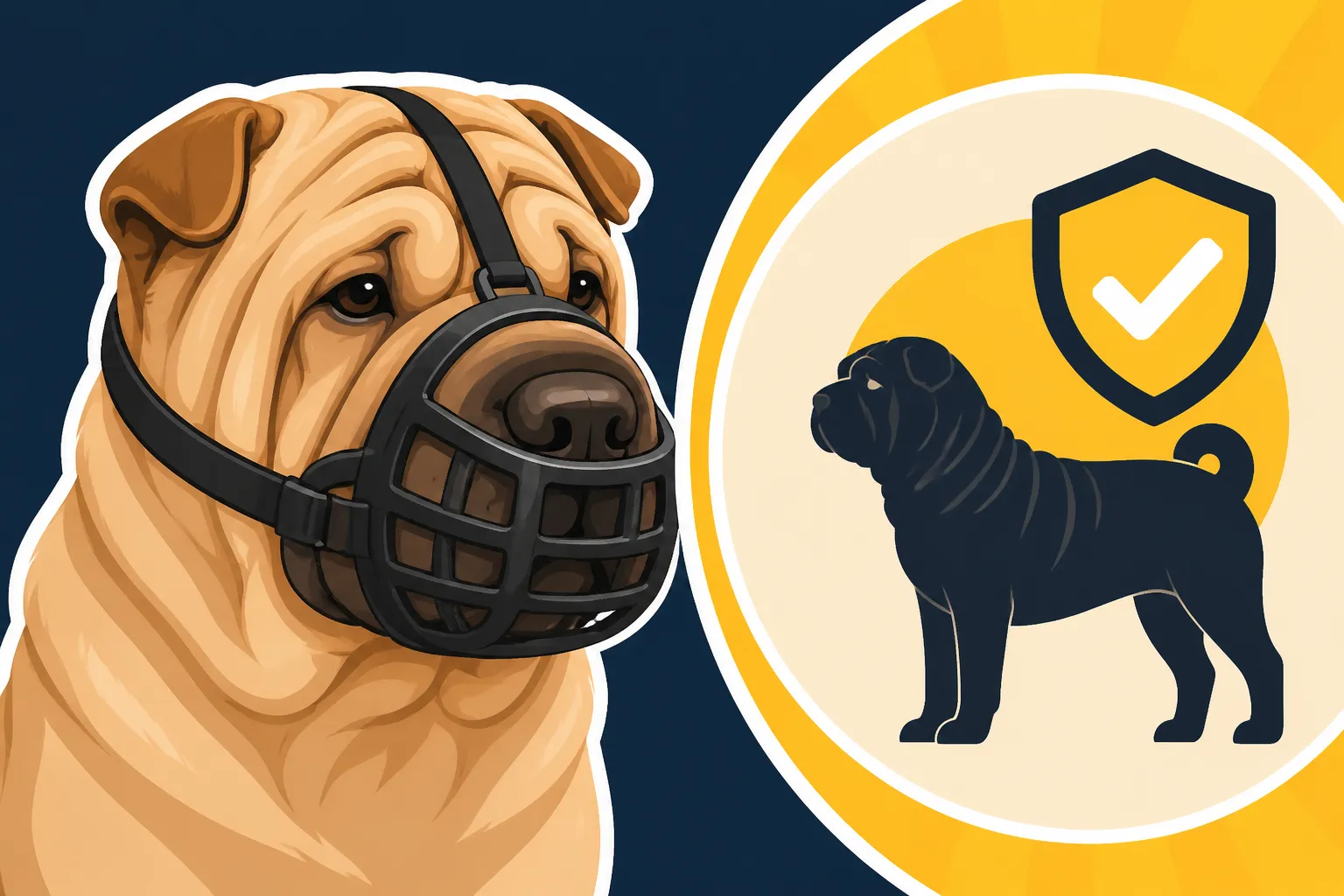
When a Shar Pei Should Wear a Muzzle
For Shar Pei owners, the idea of a muzzle can feel really heavy, often sparking guilt or embarrassment. You love your wrinkly companion deeply, and the thought of putting what many perceive as a "bad dog" tool on them is probably the last thing you want to do. But here's the honest truth: a muzzle, when used correctly and positively, is a fantastic safety tool, not a punishment, and understanding when to consider one for your Shar Pei is a mark of a responsible, proactive owner. This guide will walk you through the specific scenarios and considerations for using a muzzle, helping you make informed decisions for your unique canine friend.
Understanding the Shar Pei's Unique Behavioral Traits
Before we dive into when a muzzle might be appropriate, it's crucial to understand why certain situations can become challenging for a Shar Pei in the first place. Their breed characteristics, while charming, can also predispose them to behaviors that necessitate extra precautions. They're not like every other dog, and their history plays a huge part in how they perceive the world around them.
The Shar Pei's Guarding Nature and Stranger Interactions
Let's be real, a Shar Pei wasn't bred to be everyone's best friend. Historically, these dogs were guardians – farm dogs, protecting property and livestock. This deep-seated instinct means they're often naturally reserved, wary, and highly protective of their home and their chosen people. This isn't aggression for aggression's sake; it's instinct. When a stranger, even a well-meaning one, approaches your Shar Pei, their natural inclination is often to be aloof or to stand their ground. They might not welcome immediate petting or close contact, and if they feel threatened or cornered, their guarding instincts can kick in. This is particularly true if they feel their space is being invaded, or if they perceive a threat to you.
Imagine you're out for a walk, and someone enthusiastically rushes up to "pet the cute wrinkly dog." While most dogs might tolerate it, a Shar Pei might see this as an invasion. Their body language can be subtle, and many people miss the initial signs of discomfort like a stiff posture, a low growl, or a quick lip lick. If those warnings are ignored, a snap or a bite can follow, not out of malice, but out of a strong desire to protect themselves or you. In these situations, where interaction with unknown people is unavoidable (think crowded events, city walks, or visitors), a muzzle can provide a layer of safety, preventing a potential bite and the devastating consequences that can follow for both your dog and the person involved. Remember, A Shar Pei Was Bred to Guard, Not to Greet, and understanding this fundamental aspect of their temperament is key to managing their interactions safely.
Limited Vision and Startle Reflex in Shar Pei
Another significant factor in a Shar Pei's behavioral responses is their unique physical conformation, specifically their eyes. Their deep-set eyes, often surrounded by heavy wrinkles, severely limit their peripheral vision. They quite literally cannot see you coming from the sides or from above very well without turning their whole head. This isn't just a quirky trait; it's a huge deal for their perception of safety.
Think about it: if you constantly had blind spots and things appeared suddenly in your field of vision, you'd probably be a bit jumpy too, wouldn't you? A Shar Pei often reacts more strongly to sudden movements or approaches than other breeds because they simply didn't see it coming. This heightened startle reflex means that what might be a minor surprise for another dog could be a significant fright for a Shar Pei, potentially leading to a defensive reaction. Why a Shar Pei Startles: It Cannot See You Coming is a real, tangible issue that impacts their daily life and interactions.
Consider a child running up behind them or a quick, unexpected touch from a stranger. If your Shar Pei is startled, their immediate response might be to snap or lunge. This isn't them being "mean"; it's a primal, defensive reaction to something they perceived as a sudden threat because their vision didn't give them enough warning. In environments where sudden movements or unexpected close contact are likely, like a bustling vet clinic, a busy park, or a family gathering with active kids, a muzzle can prevent an accidental bite born out of surprise and fear. It allows you to manage the situation safely while your Shar Pei learns to cope with a world that often moves too fast for their narrow field of vision.
Specific Scenarios Where a Muzzle Can Be a Responsible Tool for Your Shar Pei
Now that we understand some of the underlying reasons why a Shar Pei might react defensively, let's explore the practical situations where using a muzzle isn't just an option, but a truly responsible and empathetic choice. It’s about setting your dog up for success and keeping everyone safe.
Vet Visits, Grooming, and Stressful Handling
Let's be honest, even the calmest dogs can get stressed at the vet or groomer. For a Shar Pei, with their guarding instincts and potential vision limitations, these environments can be particularly overwhelming. Strange hands, new smells, unexpected prodding, and uncomfortable procedures (like shots or nail trims) can push even a well-socialized Shar Pei past their comfort threshold. Many Shar Pei will communicate their discomfort through growls, air snaps, or attempts to back away. If these warnings are missed or ignored by a handler trying to do their job, a bite can occur.
This is where a muzzle becomes invaluable. It ensures that the veterinary staff or groomer can safely perform necessary procedures without fear of being bitten, which, in turn, often makes them more relaxed, creating a less tense experience for your dog. It’s not about predicting aggression; it’s about acknowledging the stress your dog feels and taking a proactive step to prevent escalation. I've had many owners tell me how much calmer their Shar Pei is at the vet when wearing a muzzle, simply because they can't react defensively, and everyone around them feels more secure. This mutual sense of safety can actually help to reduce the overall anxiety of the visit. It's a pragmatic tool to facilitate essential care. For many dogs, getting them used to wearing a muzzle means less stress during necessary but invasive handling. How a Shar Pei Accepts Handling by a Vet often improves when everyone feels safe.
Introducing New People or Pets Safely
Bringing new individuals, whether human or animal, into your Shar Pei’s established territory or social circle can be a delicate dance. Remember, they are often aloof with strangers and have strong guarding tendencies. Dog to Dog Is the Shar Pei Problem, Not Dog to Person is a common observation, and introductions, especially with other dogs, need careful management. A muzzle can be an absolute game-changer in these crucial initial stages.
When introducing a new person, especially one who might not understand dog body language or respect a Shar Pei's need for space, a muzzle allows the initial interaction to happen safely. The person can calmly enter the home, and your Shar Pei can observe them without the risk of a snap if they feel overwhelmed. This gives your dog the opportunity to process the new presence at their own pace. Similarly, for dog-to-dog introductions, particularly if you're unsure of your Shar Pei's reaction to a new canine friend or if one of the dogs has a history of reactivity, a muzzle provides a vital safety net. It allows the dogs to meet, sniff, and interact under controlled conditions, without the immediate danger of a fight if signals are misinterpreted or tensions rise.
This isn't about condemning your Shar Pei as aggressive; it's about being a responsible mediator. It buys you precious time to assess the situation, intervene if necessary, and ensure a positive first impression without the high stakes of a potential injury. You can guide them through the interaction, rewarding calm behavior, knowing that even if things get a little tense, no one will get hurt. Using a muzzle in these controlled scenarios is about setting everyone up for success and building trust, rather than just hoping for the best. For those working with trainers, resources like BAXTER & Bella offer online puppy and dog training programs that can help guide you through these crucial introductions and desensitization processes with tools like muzzles.
Addressing Reactivity or Training Challenges
Sometimes, despite our best efforts at early socialization, a Shar Pei might develop reactivity to certain triggers, such as other dogs, specific types of people, or unfamiliar objects. This isn't uncommon, and it's certainly not a reflection of your failure as an owner. Reactivity means your dog is over-threshold—they're feeling overwhelmed, fearful, or frustrated, and their reaction (barking, lunging, growling) is their way of communicating that. If your Shar Pei displays signs of reactivity on walks, for example, a muzzle allows you to continue their exposure to the world in a controlled and safe manner while you work with a trainer or behaviorist.
The muzzle prevents them from being able to bite if they escalate, which means you can safely practice desensitization and counter-conditioning without the constant fear of an incident. This reduction in your own anxiety will often translate to a calmer demeanor, which your Shar Pei will pick up on. For instance, if your Shar Pei lunges and barks at other dogs on leash, a muzzle ensures that while you're teaching them to be calm around other dogs, any accidental contact or overreaction doesn't result in harm. This is not a quick fix or a substitute for training, but a crucial piece of the management puzzle that enables the training to happen safely and effectively. When a Shar Pei Needs a Behaviorist is a common question, and if reactivity is an issue, a professional can certainly guide you on muzzle use within a comprehensive training plan.
Choosing the Right Muzzle and Introducing It Positively
So, you've decided a muzzle might be a beneficial tool for your Shar Pei in certain situations. Great! The next step is choosing the right type and, perhaps more importantly, introducing it in a way that makes it a positive, comfortable experience for your dog, rather than something they fear or resent.
Basket Muzzles vs. Fabric Muzzles for Shar Pei
When it comes to muzzles, there are generally two main types you'll encounter: basket muzzles and fabric muzzles. Each has its own purpose and limitations, and for a Shar Pei, choosing wisely is crucial.
| Feature | Basket Muzzle | Fabric Muzzle (Soft Muzzle) |
|---|---|---|
| Material | Wire, plastic, silicone, or leather | Nylon or mesh fabric |
| Purpose | Prevents biting, allows panting, drinking, treats | Prevents biting for short periods (e.g., vet exam) |
| Breathing/Panting | Excellent airflow, allows full panting | Restricts panting significantly, can cause overheating |
| Drinking | Possible with some designs (silicone, wider gaps) | Generally not possible |
| Treats | Easy to give through the basket | Difficult or impossible |
| Duration of Use | Can be worn for longer periods | Only for very short, supervised intervals |
| Comfort | Can be very comfortable if properly fitted | Uncomfortable for extended wear due to panting restriction |
| Safety for Dog | Safer for longer use or higher stress situations | Potential overheating risk if worn too long or in heat |
Basket Muzzles are almost always the preferred choice for a Shar Pei, or any dog that might need to wear a muzzle for more than a few minutes. They are designed to fit around the dog's snout, creating a barrier that prevents biting while still allowing them to pant, drink water, and even take treats. This ability to pant freely is absolutely vital, especially for a breed like the Shar Pei who can overheat easily, particularly in warmer climates or during stressful situations. A well-fitted basket muzzle, ideally made of a flexible material like silicone, will feel much less restrictive and more comfortable for your dog. You can find a wide variety of quality basket muzzles on platforms like Amazon, ensuring you get one that fits your Shar Pei's unique head shape.
Fabric Muzzles, often called "soft muzzles" or "grooming muzzles," are usually made of nylon or mesh and wrap tightly around the dog's mouth, holding it closed. While they might seem gentler, they are primarily designed for very short-term use, such as during a quick veterinary procedure or a nail trim, where the dog might be fractious. The major drawback is that they severely restrict a dog's ability to pant, which is their primary way of cooling down. Wearing a fabric muzzle for more than a few minutes, especially in even moderately warm temperatures or during stress, can quickly lead to overheating and distress. For a Shar Pei, with their susceptibility to heat and stress, a fabric muzzle should be used with extreme caution and only for the briefest of moments, under direct supervision. Never use a fabric muzzle for walks, training, or any situation where your dog needs to pant freely.
When choosing, always prioritize a basket muzzle that allows your Shar Pei to open their mouth fully to pant and drink. The fit is paramount – it should be snug enough that they can't easily slip it off, but loose enough that it doesn't rub or constrict their nose or eyes.
Step-by-Step Positive Muzzle Training
Introducing a muzzle must be a positive experience. If you just slap it on your dog when they're already stressed, they'll forever associate it with negative feelings. The goal is for them to see it as a normal, even rewarding, part of their routine. This process is called desensitization and counter-conditioning.
- Introduce the Muzzle: Let your Shar Pei see and sniff the muzzle. Don't try to put it on yet. Just present it, and when they show curiosity, give them a high-value treat. Repeat this a few times a day for a few days.
- Lure with Treats: Put a smear of peanut butter or cream cheese inside the muzzle, or hold a treat just inside the opening. Let your Shar Pei push their nose into the muzzle to get the treat. They're associating the muzzle with something delicious. Don't buckle it. Just let them put their nose in and pull it out freely. Repeat many times.
- Short Durations: Once your Shar Pei is happily pushing their nose into the muzzle for treats, try fastening the straps for just a second or two. Immediately give them a treat through the basket (if it's a basket muzzle!) and then take the muzzle off. The key here is extremely short durations, ending on a positive note.
- Gradually Increase Time: Over several days or weeks, slowly increase the time the muzzle stays on. Keep giving treats while it's on, and take it off before your Shar Pei shows any signs of discomfort or tries to paw it off. This might mean only increasing by 5-10 seconds at a time. Play a fun game, go for a short walk, or give them a chew toy while wearing it.
- Practice in Different Environments: Once your Shar Pei is comfortable wearing the muzzle at home, start practicing in low-stress environments where you might actually need it, like a quiet street or in the car before a vet visit. Always pair it with positive experiences and high-value rewards.
- Make it a Normal Part of Routine: If you know you'll need the muzzle for a vet visit, start muzzle training days or weeks in advance, making it a regular, calm part of their routine. Consider online dog training programs like those from BAXTER & Bella, which often include modules on cooperative care and desensitization, skills that are invaluable for muzzle training.
Remember, patience is key. This isn't a race. You want your Shar Pei to feel neutral or even happy about wearing their muzzle, not just tolerate it.
Important Considerations and Misconceptions About Muzzles
There's a lot of stigma surrounding muzzles, and it's important for Shar Pei owners to understand that using one doesn't mean you have a "bad" dog. It means you're a proactive and responsible owner.
Muzzles Are Training Aids, Not a Sign of a "Bad" Dog
This is perhaps the most crucial point to internalize. Many people, when they see a muzzled dog, immediately jump to the conclusion that the dog is aggressive, dangerous, or "bad." This couldn't be further from the truth. For a Shar Pei, who often struggle with guarding instincts, limited vision, and sensitivity to new experiences, a muzzle is a management tool that enables safe training, socialization, and necessary care. It’s a bit like a child wearing a helmet when learning to ride a bike; it’s for safety during a vulnerable period, not because the child is inherently "bad" at biking.
Think of it this way:
- Safety First: A muzzle prevents accidental bites, protecting people, other animals, and your Shar Pei from the potential legal and emotional fallout of an incident. It allows you to introduce your dog to new situations or challenges without the highest stakes.
- Enabling Training: If your Shar Pei is reactive or fearful, a muzzle allows you to safely work on counter-conditioning and desensitization without the constant fear of a bite. This means you can get closer to triggers in a controlled manner, helping your dog learn that those triggers aren't actually dangerous.
- Reducing Stress: For dogs who get overwhelmed at the vet or groomer, wearing a muzzle means staff can work confidently, which often translates to a smoother, quicker experience. Your dog's stress is often reduced when your stress about their potential reaction is also reduced.
- Responsible Ownership: Choosing to muzzle your Shar Pei in appropriate situations shows immense responsibility and care. You are actively managing their potential challenges, rather than ignoring them or hoping for the best.
Don't let the judgment of others deter you from using a tool that can significantly improve your Shar Pei's quality of life and safety, as well as the safety of your community. It's a sign of a thoughtful, dedicated owner who prioritizes well-being.
When a Muzzle is Not the Answer
While muzzles are incredibly useful tools, they are not a cure-all, and there are definitely situations where a muzzle is not the answer, or at least not the only answer.
Firstly, a muzzle should never be used as a punishment. If you put a muzzle on your Shar Pei because they misbehaved, they will quickly associate the muzzle with negative feelings, making it counterproductive to positive training. This can create more anxiety and fear, worsening the very behaviors you're trying to manage. The muzzle should be introduced and maintained as a neutral or positive experience, as outlined in the positive training steps.
Secondly, a muzzle does not replace training and management. It's a tool to facilitate safe training, but it doesn't train your dog for you. If your Shar Pei has behavioral issues like reactivity, fear, or aggression, a muzzle provides a safety net while you work with a qualified professional dog trainer or veterinary behaviorist. It's part of a larger strategy, not the entire solution. Ignoring underlying issues and relying solely on a muzzle to prevent incidents is not fair to your dog and won't address the root cause of their behavior. The Headstrong Streak Nobody Trains Out of a Shar Pei means consistent, positive reinforcement training is essential.
Finally, muzzles, especially fabric ones, should never be left on unsupervised. As discussed, fabric muzzles restrict panting and can lead to overheating. Even basket muzzles, while allowing panting, can become entangled or uncomfortable if a dog tries to remove them forcefully while alone. If your Shar Pei needs to wear a muzzle for longer periods, always ensure they are supervised, can drink water, and have ample airflow. If your Shar Pei tries to remove the muzzle, it might indicate it's ill-fitting, or they haven't been adequately conditioned to it, requiring a step back in your training.
Using a muzzle is a proactive choice for a Shar Pei owner. It's about being prepared, ensuring safety, and responsibly navigating the unique behavioral traits that make these wrinkly wonders so special, yet sometimes challenging.
Disclaimer
This article is for general informational purposes only and does not constitute professional advice. Laws, prices and regulations vary by location and change over time. Consult a qualified professional for guidance on your specific situation.


