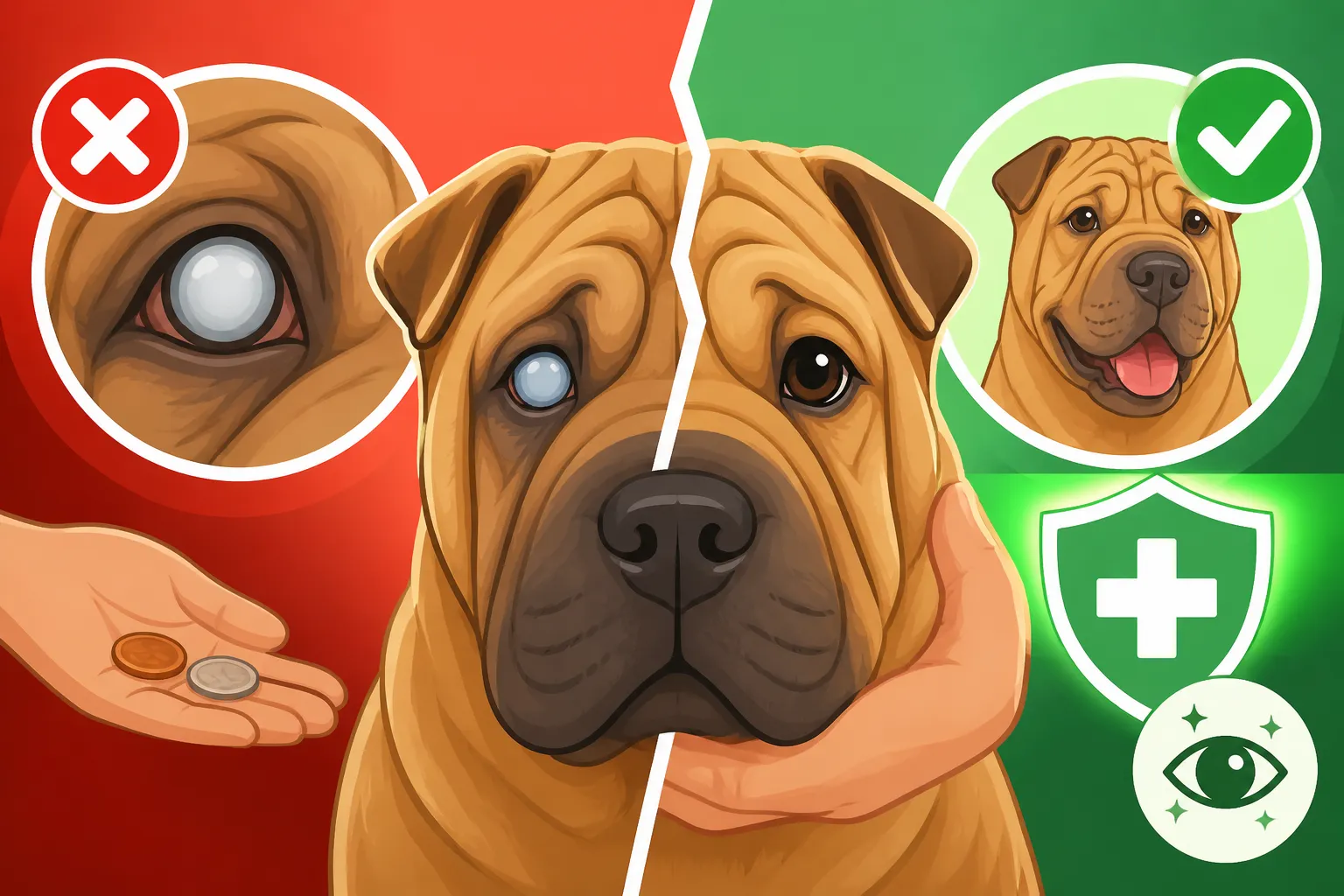
Whether a Shar Pei’s Blindness Could Have Been Prevented Cheaply
It’s a heartbreaking situation for any dog owner: discovering your beloved Shar Pei is losing their vision, or perhaps has already gone blind. The immediate thought often turns to regret, a gnawing feeling that maybe, just maybe, this could have been avoided. Many wonder if early, seemingly minor interventions—the "cheap" solutions—could have saved their dog's sight and prevented untold suffering and expense down the line. This guide aims to shed light on the common pathways to blindness in Shar Pei, exploring how early, proactive care, which might seem like a small cost initially, can indeed be the difference between a lifetime of sight and the tragedy of preventable blindness.
Understanding the Shar Pei's Unique Eye Challenges
The very features that make a Shar Pei so distinctively charming – those deep-set eyes and abundant facial wrinkles – are unfortunately also the root cause of many of their most significant health challenges, particularly concerning their vision. It’s a sad irony that their breed standard often highlights traits that can directly lead to discomfort and potential blindness if not managed vigilantly. Understanding these inherent predispositions is the first step in proactive care.
The Anatomy That Causes Trouble: Entropion
At the top of the list for Shar Pei eye issues is entropion. This isn't just a minor irritation; it's a serious condition where the eyelid, typically the lower one, rolls inward towards the eyeball. Imagine having your eyelashes constantly scraping against your eye, day in and day out – that’s essentially what a Shar Pei with entropion experiences. The coarse hairs on the eyelid are like tiny needles, abrading the delicate surface of the cornea with every blink.
For a Shar Pei, this condition is often present from a young age due to the excessive skin and muscle around their eyes. While some puppies might "grow into" their skin and have the entropion resolve naturally as their head develops, for many, it becomes a chronic problem. It’s not just uncomfortable; it’s genuinely painful and causes significant damage. Ignoring it, hoping it will magically disappear, is a recipe for disaster. Entropion in a Shar Pei Puppy Is an Emergency, Not a Cosmetic Issue drives this point home – it's a medical emergency that requires prompt attention, not something to postpone or dismiss.
The Silent Threat of Corneal Ulcers
The constant rubbing from entropion inevitably leads to corneal ulcers. The cornea, the clear outer layer of the eye, is incredibly sensitive and vital for vision. When continuously scratched, it develops open sores or abrasions. These aren’t always obvious at first glance; your dog might just be squinting more, tearing up, or pawing at their face. But make no mistake, a corneal ulcer is excruciatingly painful, and it opens the door to secondary bacterial infections that can quickly worsen the situation.
Untreated, these ulcers can deepen, become infected, and lead to significant scarring. Scar tissue on the cornea is like a permanent smudge on a window, obscuring vision. In severe cases, the ulcer can perforate the cornea, leading to rupture of the eyeball itself, which often results in permanent blindness or even the loss of the eye. This progression from a seemingly minor anatomical quirk to a devastating loss of sight is precisely why early detection and intervention are paramount for Shar Pei owners. What Entropion Does to a Shar Pei Puppy's Eye details the destructive path this condition can take.
Early Intervention: More Than Just "Cheap" Solutions
When we talk about whether a Shar Pei's blindness could have been prevented cheaply, we're really talking about the immense value of early intervention. What might seem like an initial expense or a bit of a hassle in a puppy's first few months can actually save thousands in complex surgeries and treatments later, and more importantly, preserve your dog's quality of life. Think of it less as "cheap" and more as "cost-effective" and "proactive."
The Role of Eye Tacking in Puppies
For Shar Pei puppies showing signs of entropion, one of the most common and truly "cheap" interventions is eye tacking. This procedure involves placing temporary sutures in the eyelids to pull them away from the eye, allowing the cornea to heal and the puppy to grow without constant irritation. It's often done with minimal or no anesthesia, meaning it's less invasive and significantly less costly than full surgery. Many breeders even perform temporary tacking themselves or arrange for it immediately after puppies are born if needed, understanding the critical window.
Tacking buys time. It allows the puppy's skull to mature, and sometimes, the issue resolves on its own. It prevents the ongoing damage and potential scarring that could lead to permanent blindness. Compared to the cost of a full entropion surgery, or worse, managing a dog that has gone blind from complications, tacking is indeed a relatively modest fee. It’s a testament to how a small, timely action can have a huge, positive impact. Knowing What Eye Tacking Involves for a Shar Pei is crucial for any potential or current owner.
Regular Vet Checks and Proactive Monitoring
Beyond specific procedures like tacking, simply maintaining a rigorous schedule of veterinary check-ups for your Shar Pei, especially in puppyhood, is an invaluable preventative measure. A good veterinarian experienced with the breed will be vigilant about checking for signs of entropion or early corneal issues. They can spot the subtle signs you might miss, such as excessive tearing, redness, or sensitivity to light.
This proactive approach means that if an issue arises, it’s caught early when it’s still treatable with less aggressive and therefore less expensive methods. These regular visits, while having their own cost, are an investment in early detection. Consider pet insurance providers like Healthy Paws, which often cover accident and illness, helping to ease the financial burden of unexpected vet visits or treatments if issues arise. They represent a way to budget for the unknown, rather than being caught off guard by a hefty bill for an advanced condition. Discussing eye health during routine visits, even if your Shar Pei seems fine, can prevent minor issues from escalating.
| Intervention Type | Timing | Cost Profile (Relative) | Effectiveness | Key Benefit |
|---|---|---|---|---|
| Eye Tacking | Puppyhood (weeks-months) | Low | High, if temporary | Prevents damage, allows growth |
| Regular Vet Checks | Ongoing, especially early | Moderate, routine | High, for early detection | Catches issues before critical |
| Permanent Surgery | After maturity, if needed | High | High, for permanent fix | Resolves chronic entropion |
| Emergency Care | Acute injury/infection | Very High | Variable, dependent on severity | Saves eye if possible |
When "Cheap" Prevention Isn't Enough: Addressing Advanced Issues
Sometimes, despite best efforts, or more often, due to missed opportunities for early intervention, a Shar Pei's eye issues can escalate. What started as a potentially "cheap" fix can morph into a complex and incredibly costly battle to save vision, or at least alleviate pain. This is where the true cost of neglect becomes painfully clear, both financially and emotionally.
Surgical Solutions for Persistent Entropion
If eye tacking doesn't permanently resolve the entropion as the Shar Pei matures, or if the condition is diagnosed later, permanent eyelid surgery becomes necessary. This is a much more involved procedure, performed under general anesthesia, where a small section of skin and muscle is carefully removed from the eyelid to permanently roll it outward. The aim is to ensure the eyelashes no longer irritate the cornea.
The cost of this type of surgery is significantly higher than tacking, often running into the hundreds or even thousands of dollars, especially if both eyes require correction or if you need to consult with a board-certified veterinary ophthalmologist. While it’s certainly not "cheap," it's often essential to prevent ongoing pain, infection, and eventual blindness. Waiting until significant corneal scarring has occurred, or until secondary complications have developed, can lead to a less successful outcome, where vision might already be permanently compromised. When a Shar Pei Needs Permanent Eyelid Surgery delves deeper into these scenarios.
Managing Secondary Complications and Chronic Pain
Unfortunately, if entropion or corneal ulcers are left untreated for too long, they can lead to a cascade of secondary complications that are not only painful but also far more difficult and expensive to manage. These can include:
- Severe Corneal Scarring: Once the cornea is scarred, even if the entropion is corrected, the vision may remain permanently impaired. Managing this involves long-term eye drops to reduce inflammation or improve comfort, which can be a recurring expense.
- Glaucoma: Chronic inflammation or trauma to the eye can sometimes lead to glaucoma, a condition where pressure builds up inside the eye, leading to irreversible damage to the optic nerve and blindness. Glaucoma requires lifelong medication to manage pressure, or even surgical interventions that are incredibly costly and may only delay the inevitable.
- Chronic Infections: Repeated corneal abrasions are an open invitation for bacterial and fungal infections, which can be challenging to clear and may require multiple types of antibiotic or antifungal eye drops, frequent vet visits, and sometimes even surgical flushing of the eye.
- Eye Removal (Enucleation): In the most severe cases, if the eye is ruptured, blind, and causing intractable pain or recurrent infections, surgical removal of the eye may be the kindest option. This is a major surgery with significant recovery time and expense, a stark contrast to the initial "cheap" fix of tacking.
These chronic issues are not only physically draining for your Shar Pei but also emotionally and financially exhausting for you, the owner. Products from retailers like Chewy or specialized pet pharmacies might help manage the ongoing supply needs for chronic eye conditions, offering some convenience, but the vet bills for diagnosis and prescription strength medications are the main financial hurdle.
The True Cost of Neglect Versus Proactive Care
It’s easy to dismiss early veterinary advice as being overly cautious or expensive. You might think, "My puppy seems fine, maybe they'll grow out of it." But with a Shar Pei, especially concerning their eyes, that gamble often doesn't pay off. The "cheap" intervention missed early on almost always leads to a much more devastating and costly outcome later.
The Financial Ripple Effect of Untreated Eye Conditions
Let's break down the potential financial journey:
-
Early, Proactive Care:
- Puppy tacking: Typically a modest fee per eye, often done quickly during a regular vet visit or sometimes by the breeder. What Eye Tacking Costs on a Shar Pei Puppy is a good reference.
- Regular vet checks: Routine costs that are part of responsible pet ownership, catching problems early.
- Potentially avoiding lifelong pain and blindness.
-
Delayed or Neglected Care:
- Corneal ulcer treatment: Emergency vet visits, diagnostic tests (like fluorescein staining), multiple types of eye drops (antibiotics, anti-inflammatories, pain relief), possibly repeated visits. Costs can quickly add up, often into several hundred dollars per episode.
- Permanent entropion surgery: A specialized surgical procedure under general anesthesia, often costing many hundreds to over a thousand dollars per eye. What Permanent Entropion Surgery Costs on a Shar Pei gives you a clearer picture.
- Managing chronic complications: Lifelong glaucoma medication, repeated infection treatments, specialist referrals, potential surgery for a ruptured eye or enucleation. These can easily run into thousands of dollars over the dog's lifetime.
The table below starkly contrasts the potential costs:
| Intervention Stage | Typical Actions | Estimated Cost Profile (Lifetime, Illustrative) |
|---|---|---|
| Proactive Care | Initial tacking, regular vet checks, careful monitoring | Low to Moderate |
| Reactive Care (Mild) | Treating simple corneal ulcer (first instance), basic eye drops | Moderate (single instance) |
| Reactive Care (Moderate) | Entropion surgery (single eye), follow-up meds | High (one-time surgery) |
| Reactive Care (Severe) | Entropion surgery (both eyes), ongoing glaucoma meds, multiple infections, specialist visits | Very High (compounding issues, lifelong) |
| Reactive Care (Catastrophic) | Eye removal, management of chronic pain in remaining eye, adapting to blindness | Extremely High (surgical, rehabilitative, emotional) |
It's clear that the "cheap" prevention in the early stages pales in comparison to the expenses that accrue when problems are left to fester. Brands like Healthy Paws can be a lifesaver here, potentially covering a significant portion of these high surgical and ongoing medical costs, turning a catastrophic bill into a manageable co-pay.
The Emotional Toll of Preventable Blindness
Beyond the financial strain, there's the profound emotional impact. Watching your Shar Pei suffer from eye pain, seeing their vision deteriorate, or adapting to their blindness is incredibly difficult. Their personality might change, becoming more hesitant, anxious, or even irritable if they're in constant pain. A dog that once navigated your home with confidence might now bump into furniture, startle easily, and become dependent on you in ways that fundamentally alter your relationship.
Knowing that this outcome could have been prevented with earlier, simpler actions can lead to a heavy burden of guilt for owners. The joy of having a healthy, happy companion is replaced by constant worry and the need for specialized care. Adapting a home for a blind dog, learning new communication cues, and ensuring their safety requires immense patience and dedication. While a company like Ollie might focus on nutrition, ensuring a dog's overall health and comfort, including a proper diet for healing, is a small part of a much larger picture when dealing with a blind or chronically ill pet.
In the end, while no amount of money can truly replace a dog's sight, the choices made in early puppyhood regarding their eye health are perhaps some of the most impactful. Investing in "cheap" preventative care is not just about saving money; it's about preserving their vision, their comfort, and their ability to live a full, happy life as part of your family. Whether a Shar Pei Goes Blind From Untreated Entropion underlines the severity of this issue.
Disclaimer
This article is for general informational purposes only and does not constitute professional advice. Laws, prices and regulations vary by location and change over time. Consult a qualified professional for guidance on your specific situation.


