Whether a Medicated Shampoo Needs Contact Time on a Shar Pei
It’s a frustrating cycle many Shar Pei owners know all too well: your beloved wrinkly companion is itching, red, or developing that tell-tale yeasty smell, and your vet has prescribed a medicated shampoo. You head home, feeling hopeful, only to find that despite all your efforts, the problem just seems to… linger. This guide will walk you through why simply washing your Shar Pei with medicated shampoo isn't enough, and why understanding and applying "contact time" is absolutely essential for those special shampoos to work their magic.
Why Medicated Shampoos Are Different for Shar Pei Skin
When your Shar Pei develops a skin issue, it’s rarely just a simple dirt problem. Their unique physiology makes them prone to specific conditions that require more than a standard sudsing. Understanding this difference is the first step toward effective treatment.
The Unique Challenges of Shar Pei Skin
Our beautiful Shar Pei are, unfortunately, predisposed to a host of skin conditions that can make life uncomfortable for them, and quite frankly, a worry for us. Think about those wonderful, characteristic wrinkles – while adorable, every single fold is a potential warm, moist haven for bacteria, yeast, or other unwelcome guests. This is often exacerbated by conditions like mucinosis, which can make their skin even more prone to irritation and infection.
Beyond the folds, many Shar Pei struggle with allergies, whether environmental or food-related, leading to widespread inflammation and secondary infections. Their thick, sometimes sandpaper-like coat can also trap moisture, and their Skin Is the Shar Pei's Largest Problem by Surface Area, making them susceptible to issues that other breeds might not face as readily. Regular shampoos are designed to clean and perhaps condition, but they don't have the active ingredients necessary to tackle these underlying health concerns. You're not just washing a dog; you're treating a complex dermatological landscape.
How Medicated Shampoos Work
Unlike your everyday pet shampoo, medicated shampoos are formulated with specific active ingredients designed to combat particular skin pathogens or conditions. We’re talking about components that are antibacterial, antifungal, antiparasitic, or anti-seborrheic. For example, your vet might prescribe a shampoo with chlorhexidine to fight bacterial skin infections, or miconazole if yeast is the primary culprit. These aren't just cosmetic cleansers; they are therapeutic agents.
The way these active ingredients work is by coming into direct contact with the skin and hair follicles, penetrating the superficial layers, and disrupting the growth or activity of the offending organisms. Some might also help to exfoliate dead skin cells, reduce oiliness, or soothe inflammation. But here's the kicker: these ingredients need time to do their job. Simply washing and rinsing quickly means many of those powerful components are washed away before they've had a chance to properly engage with the problem areas. This is where the concept of "contact time" becomes paramount, distinguishing a truly effective treatment from a quick, albeit futile, bath.
The Critical Role of Contact Time
If you've ever felt like you're giving bath after bath and getting nowhere, it's very likely that contact time is the missing piece of your puzzle. It's often the most overlooked instruction, yet it's absolutely crucial for the success of medicated shampoos.
What "Contact Time" Really Means for Topical Treatments
When your vet tells you to let the shampoo "sit" for a certain amount of time, they're not just giving you busywork. That "contact time" is the specific duration during which the active ingredients in the shampoo must remain on your Shar Pei's skin for them to be absorbed or to interact effectively with the pathogens causing the problem. Think of it like a human hair conditioner: you don't just put it on and rinse it right out, right? You leave it in for a few minutes so it can actually soften and detangle your hair. Medicated shampoos work in a similar fashion, but with much more critical implications for your dog's health.
For Shar Pei, with their often deep wrinkles and dense coats, ensuring these ingredients penetrate every nook and cranny is even more vital. Every Fold on a Shar Pei Is a Place Something Grows, and these areas are precisely where bacterial or yeast infections love to take hold. If the shampoo isn't given enough time to work its way into these folds and exert its therapeutic effect, you're essentially just giving your dog an expensive, albeit clean, bath without truly addressing the infection. It's about giving those healing agents a chance to perform their designed function, whether that's killing bacteria, suppressing yeast, or soothing irritated skin.
Why Skipping Contact Time Wastes Time and Money
I’ve seen it countless times, both with my own dogs and hearing from other owners: you follow the washing steps, you lather up, and then you rinse. Maybe you leave it on for a minute or two, thinking that’s enough. But if your vet prescribed a 10-minute contact time, and you’re only doing two, you’re missing out on 80% of the treatment's potential. This isn't just inefficient; it’s genuinely wasteful.
Firstly, you're wasting the precious, often costly, medicated shampoo. These aren't cheap bottles you pick up at the grocery store. Secondly, and more importantly, you’re wasting your time and energy. You've already gone through the effort of wrangling your Shar Pei into the tub, getting them wet, and lathering them up. To then cut the treatment short is to essentially nullify much of that hard work. The infection or irritation won’t resolve as quickly, or perhaps not at all, leading to persistent discomfort for your dog and a return trip to the vet. These repeat visits mean more vet bills, more prescriptions, and more frustration for everyone involved. It’s a classic example of "penny wise, pound foolish," where skimping on a few minutes can prolong the problem and increase overall expenses. Your vet might recommend regular medicated baths; for instance, How Often a Shar Pei Should Be Bathed With Skin Disease will often involve specific contact times to truly break the cycle of infection.
Practical Steps for Effective Medicated Bathing
Now that we understand why contact time is so important, let's talk about how to make sure you're doing it right. It's not always easy, especially with a dog who might not be a fan of bath time, but with a little preparation and strategy, you can make it a more successful, and less stressful, experience for both of you.
Preparing Your Shar Pei for a Medicated Bath
Before you even turn on the tap, a little preparation goes a long way. First, give your Shar Pei a thorough brushing to remove any loose hair and debris. This helps the shampoo reach the skin more effectively. Next, gather all your supplies: the medicated shampoo, plenty of towels, cotton balls for ears, and perhaps some treats to keep your dog distracted. What to Clean a Shar Pei's Folds With might even involve specialized wipes for initial cleaning of very dirty areas before the main bath.
It's also crucial to protect your Shar Pei's sensitive areas. Place cotton balls gently in their ears to prevent water from entering, as Whether a Shar Pei's Ears Should Be Checked After Swimming is important for preventing infections, and bath water can be just as problematic. A dab of ophthalmic ointment in their eyes can shield them from accidental shampoo splashes. Finally, ensure the water temperature is comfortably warm – not too hot or too cold – to make the experience as pleasant as possible. Remember, a comfortable dog is a more cooperative dog, which is vital when you're aiming for a specific contact time. If your dog is anxious, spend a few minutes before the bath just reassuring them, maybe with a favorite toy or a gentle massage.
The Application and Contact Time Ritual
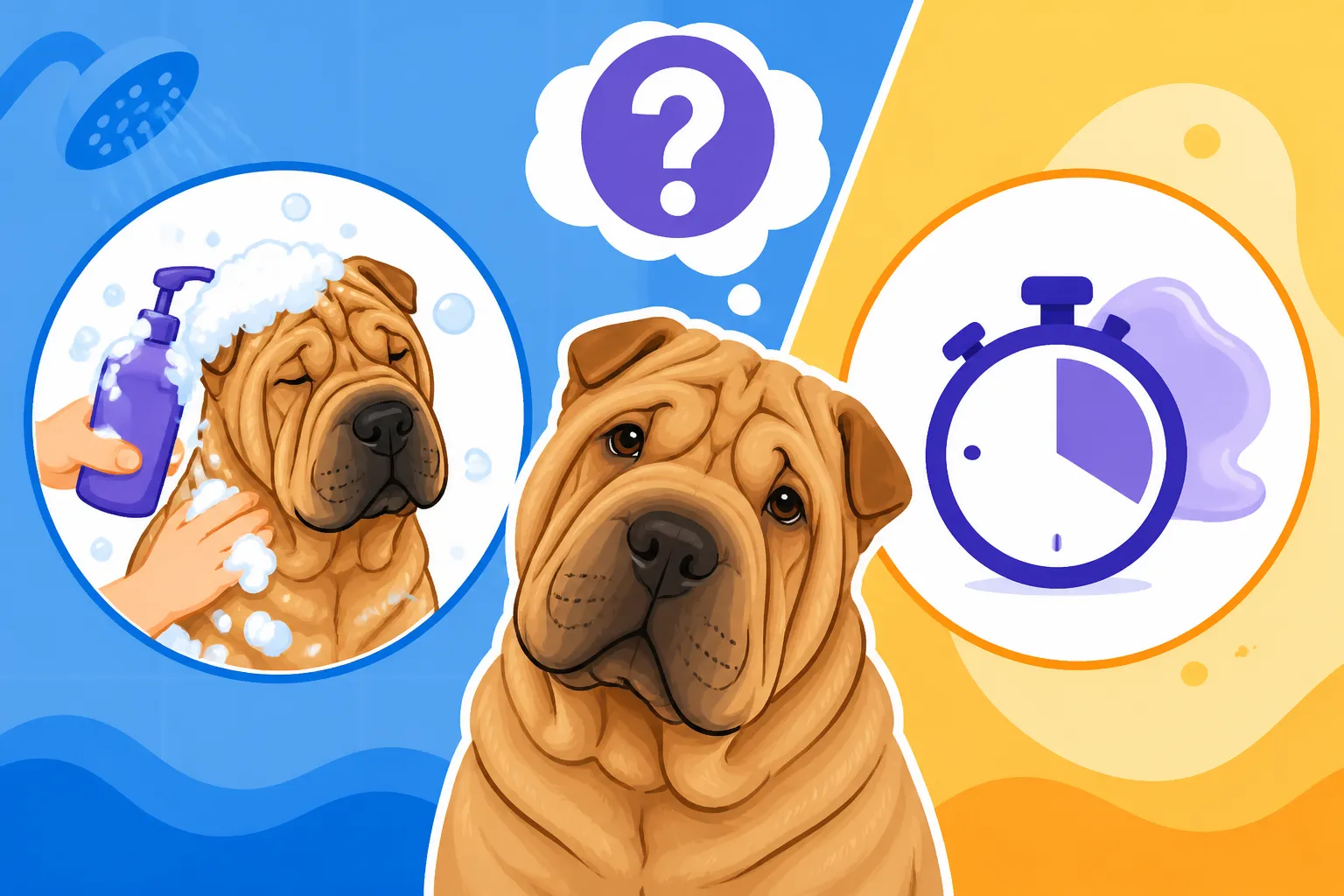
Once your Shar Pei is prepped and in the tub, wet them thoroughly from head to tail. Ensure their coat is completely saturated before applying the medicated shampoo. Apply a generous amount of shampoo, working it into a rich lather, paying special attention to those critical areas like the neck folds, facial wrinkles, under the chin, and around the tail. Really get it down to the skin, gently massaging it in.
This is where the timer comes in! As soon as you've finished lathering, start a timer for the prescribed contact duration (usually 5 to 10 minutes, but always confirm with your vet). Those minutes can feel like an eternity if your Shar Pei is squirmy. This is your chance to use those distraction techniques. A Lickimat smeared with peanut butter stuck to the side of the tub can be a lifesaver. Offering small, high-value treats intermittently, or even just gentle, calming praise, can help. You can also use this time for a gentle massage, which can be soothing for your dog. For puppies, incorporating positive reinforcement early on is key, as described in How to Teach a Shar Pei Puppy to Accept Ear Handling, and this applies to bath time too. Make it a positive experience, even if it feels long.
Rinsing Thoroughly and Drying Completely
After the contact time is up, the next step is just as critical: rinsing. You must rinse your Shar Pei completely. Any residue of medicated shampoo left on their skin can be irritating and even counterproductive, potentially leading to further itching or skin problems. Whether a Shar Pei Should Be Rinsed Twice is often recommended, sometimes even three times, to ensure all traces of the shampoo are gone. Run your hands through their coat, feeling for any slippery spots that indicate lingering shampoo. Continue rinsing until the water runs clear and their coat feels squeaky clean, not slick.
And then comes the drying – a stage that cannot be overstated, especially for a Shar Pei. Drying Is More Important Than Washing on a Shar Pei for this breed. Use plenty of soft, absorbent towels to blot as much moisture as possible from their coat. Crucially, focus on drying deep within all their folds. How to Dry a Shar Pei Properly involves getting right into those crevices with a corner of a towel or even cotton pads, ensuring they are bone dry. A damp fold is a breeding ground for yeast and bacteria, setting you right back to square one. As we've learned, Why a Damp Shar Pei Develops Infection is a fundamental truth for Shar Pei owners. A low-setting blow dryer, held at a safe distance and on a cool or warm setting, can also be helpful, but always be mindful of your dog's comfort and avoid overheating.
Common Medicated Shampoo Ingredients and Their Contact Times
Understanding the active ingredients in your Shar Pei's medicated shampoo can help you appreciate why specific contact times are recommended. While you should always defer to your veterinarian's instructions and the product label, knowing the general purpose of these ingredients can empower you as a responsible owner.
Benzoyl Peroxide and Chlorhexidine
These two ingredients are powerhouses in the fight against bacterial skin infections, often referred to as pyoderma, which Shar Pei are unfortunately quite prone to. Benzoyl peroxide is known for its follicular flushing action, meaning it helps to clean out hair follicles, making it excellent for cases of canine acne or deep pyoderma. It also has degreasing properties, which can be beneficial for oily skin. Chlorhexidine, on the other hand, is a broad-spectrum antiseptic with excellent antibacterial and some antifungal activity. It binds to the skin and hair, providing residual activity even after rinsing, which is a huge bonus.
For shampoos containing these ingredients, a contact time of 5 to 10 minutes is very common. This allows the active ingredients to penetrate the skin, loosen debris, and exert their antimicrobial effects. If your Shar Pei has a particularly deep or stubborn infection, your vet might even recommend starting with a shorter contact time if their skin is very sensitive, gradually increasing it as they tolerate the treatment. Always read the label and follow your vet's precise instructions for Which Shampoo Suits a Shar Pei's Skin and how long it needs to stay on.
Miconazole and Ketoconazole
When yeast or fungal infections are the primary concern, you'll often see miconazole or ketoconazole as the star ingredients in your medicated shampoo. These antifungal agents are highly effective against common culprits like Malassezia pachydermatis, which can cause that notoriously yeasty, sometimes rancid, smell often associated with skin fold dermatitis in Shar Pei. Yeast infections thrive in warm, moist environments, making those deep wrinkles a perfect habitat.
Just like with antibacterial shampoos, these antifungal ingredients need adequate contact time to disrupt the cell walls of the yeast and fungi. A typical recommendation for shampoos containing miconazole or ketoconazole is usually 5 to 10 minutes. This duration ensures the active components have sufficient opportunity to bind to the fungal cells and inhibit their growth. Without this dedicated contact, the treatment is unlikely to be fully effective, and you might find yourself battling recurring yeast issues, which nobody wants! Many of these shampoos are available through trusted retailers like Chewy or Amazon, making it convenient to restock your supplies.
Selenium Sulfide and Coal Tar
For Shar Pei dealing with flaky, greasy, or itchy skin conditions like seborrhea, shampoos containing ingredients like selenium sulfide or coal tar might be prescribed. Selenium sulfide is both antifungal and anti-seborrheic, helping to reduce scaling and greasiness. Coal tar is often used for its keratoplastic and keratolytic properties, meaning it helps to normalize skin cell turnover and shed dead skin cells, which can build up in conditions like seborrhea. These can be particularly helpful for managing chronic skin issues.
These types of medicated shampoos also typically require a contact time, often in the 5 to 10-minute range, though sometimes shorter for coal tar due to its potency and potential for irritation in sensitive individuals. It's especially important with these ingredients to pay close attention to the product's specific instructions and your vet's advice, as they can be more irritating if left on too long or if not rinsed thoroughly. For any severe skin issues, your veterinarian may also discuss how your dog's overall diet, perhaps even a specialized diet from a brand like Ollie, can support healthier skin and coat, working in conjunction with topical treatments.
Here’s a quick overview of common contact times, but always check your specific product and vet instructions:
| Active Ingredient | Primary Use | Typical Contact Time | Key Considerations |
|---|---|---|---|
| Chlorhexidine | Bacterial & Yeast Infections | 5-10 minutes | Broad-spectrum, residual activity |
| Benzoyl Peroxide | Bacterial Infections, Folliculitis | 5-10 minutes | Follicular flushing, degreasing |
| Miconazole | Yeast & Fungal Infections | 5-10 minutes | Effective against Malassezia |
| Ketoconazole | Yeast & Fungal Infections | 5-10 minutes | Strong antifungal, often combined with chlorhexidine |
| Selenium Sulfide | Seborrhea, Flaky Skin, Antifungal | 5-10 minutes | Reduces scaling and greasiness |
| Coal Tar | Seborrhea, Psoriasis | 5-7 minutes | Keratolytic, can be irritating if left too long |
Remember, your Shar Pei's skin tells you so much, as What a Shar Pei's Skin Tells You Before Its Behavior Does often reveals underlying health issues. Taking the time to properly administer medicated baths is a critical part of their care.
Disclaimer
This article is for general informational purposes only and does not constitute professional advice. Laws, prices and regulations vary by location and change over time. Consult a qualified professional for guidance on your specific situation.