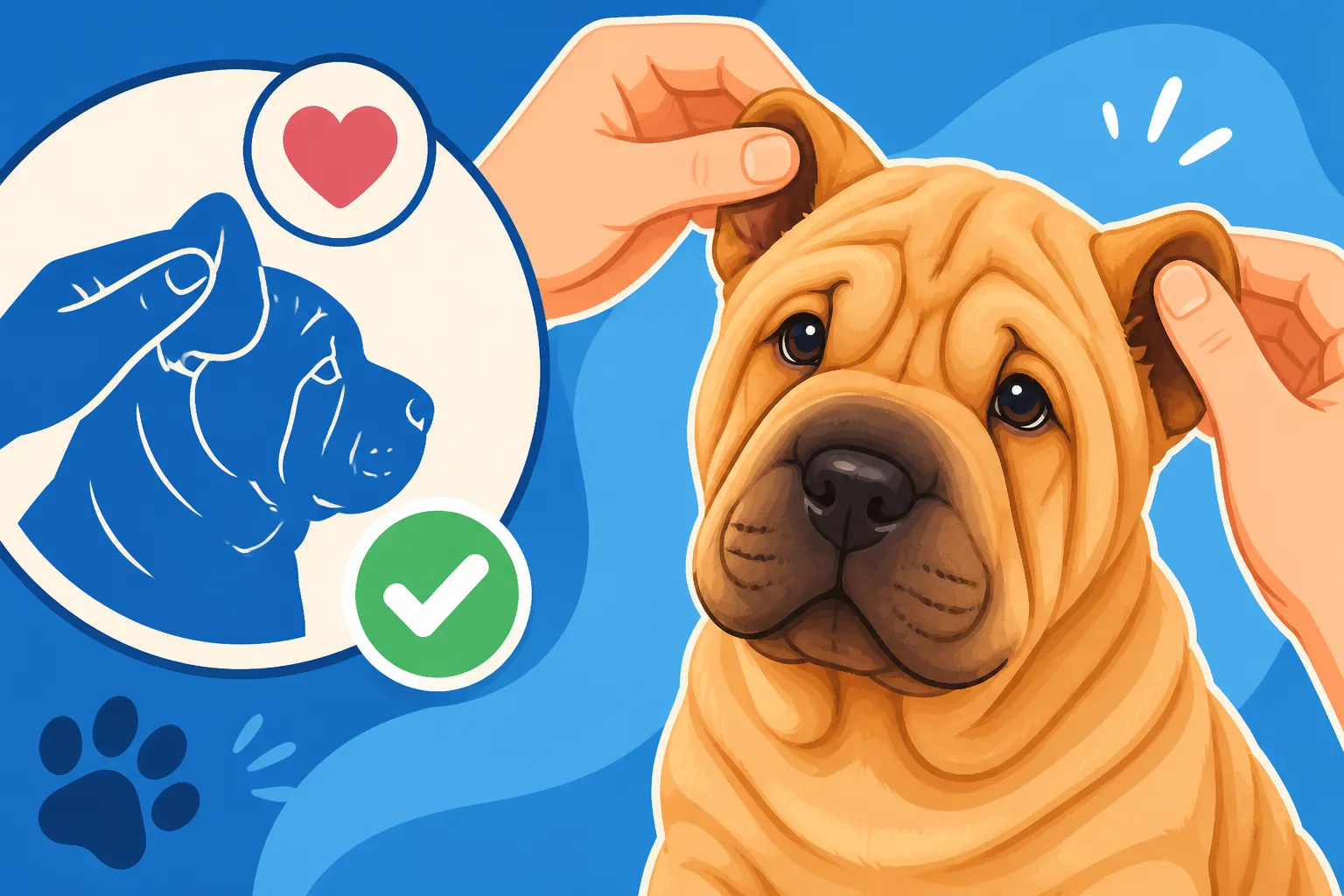
How to Teach a Shar Pei Puppy to Accept Ear Handling
One of the most common worries Shar Pei owners face is simply being able to inspect and care for those notoriously tiny, folded ears. It feels impossible sometimes, doesn't it? Trying to get a glimpse into those deep, often hidden canals can feel like an Olympic sport, especially with a wiggly, resistant puppy. But don't despair – with patience, positive reinforcement, and a consistent approach, you absolutely can teach your Shar Pei puppy to not just tolerate, but accept ear handling, making future vet visits and routine cleanings a whole lot less stressful for both of you.
Why Ear Handling is a Non-Negotiable Skill for Your Shar Pei Puppy
Let's be real, those cute, little rosebud ears are also a major vulnerability for our beloved Shar Pei. What looks adorable on the outside can be a breeding ground for trouble on the inside, and if your puppy isn't desensitized to having them touched, you're setting yourself up for a battle every time those ears need attention. And trust me, they will need attention.
The Unique Anatomy of a Shar Pei's Ear
Unlike many breeds with open, floppy ears or erect, self-cleaning ears, the Shar Pei's ear structure is, well, unique, and not in a way that helps prevent issues. Their ear canals are incredibly narrow and often have folds of skin that can trap moisture, debris, and heat. This creates a perfect, dark, warm, and humid environment for bacteria and yeast to flourish. It’s no wonder they are so prone to chronic ear infections! A Shar Pei Has the Narrowest Ear Canals of Any Breed delves deeper into just how challenging this anatomy can be. Because of this predisposition, regular inspection isn't just a suggestion; it's a critical part of preventive care. You need to be able to look inside, sniff for any funky odors, and easily clean them when needed without causing your dog undue stress or pain. If you can't even get your puppy to let you lift the ear flap, identifying an infection early becomes incredibly difficult, and waiting until signs are obvious often means the infection is already quite advanced and more painful for your pup.
Imagine trying to diagnose an ear infection when your adult Shar Pei is actively fighting you, snapping, or trying to run away. It's a terrifying prospect for both owner and dog. Establishing a comfort level with ear handling from puppyhood builds a foundation of trust and cooperation. It means that when you do need to administer medication or when the vet needs to perform an examination, it's a less traumatic experience. This early work is truly an investment in your dog's long-term health and your peace of mind. Without it, even simple preventative measures become huge hurdles, and the risk of chronic, painful infections goes way up.
Preventing Future Pain and Costly Vet Visits
Beyond the physical discomfort of an ear infection itself, imagine the stress and potential cost of dealing with a dog who utterly refuses to have their ears touched at the vet. Vets are incredible, but they're not magicians. If your dog is panicking, biting, or just too stressed to allow a proper ear exam, sedation often becomes necessary. That adds significant cost to what might have been a routine check-up. Plus, it’s stressful for your pup to be sedated, and it means a longer, more complicated visit.
By teaching your Shar Pei puppy to accept ear handling, you're not just preventing physical pain from untreated infections; you're also safeguarding their emotional well-being during veterinary care. A dog that is comfortable with routine handling is generally a happier, less anxious patient. This early training reduces fear and anxiety, making vet visits far smoother and often less expensive. It allows your veterinarian to conduct thorough examinations and catch potential problems like early signs of How Often a Shar Pei Gets an Ear Infection before they escalate into something more serious. Think of it as preventative medicine for their mental health, too, ensuring they associate ear care with calm, positive experiences rather than fear or pain.
Starting Early and Making It Positive: The Foundation of Ear Training
The secret sauce to successful ear handling training lies in starting early and always, always making it a positive experience. You want your puppy to associate your hands near their ears with good things, like delicious treats and gentle praise, not with restraint or discomfort.
The "Touch and Treat" Method for Puppies
This method is incredibly simple, but it requires consistency and patience. The core idea is to pair a very brief, non-threatening touch to the ear with a high-value reward.
- Preparation is Key: Gather your supplies before you start. You'll need tiny, irresistible treats. Think soft, smelly morsels that your puppy absolutely adores. Many owners find that small pieces of cooked chicken, cheese, or even freeze-dried liver treats work wonders. Brands like Ollie offer fantastic human-grade, high-value options that dogs go wild for. Have them ready and easily accessible. Choose a quiet time when your puppy is relaxed, perhaps after a nap or a potty break, but before they're overly stimulated or sleepy.
- The Gentle Touch: Start by simply touching the outside of your puppy's ear for just a second. Literally, one finger, one gentle tap. The instant your finger touches their ear, immediately say "Yes!" or "Good!" in a happy voice and pop a treat into their mouth. Don't linger; the goal is a quick, positive association. Do this a few times, then take a break.
- Repeat and Build Duration: Over subsequent sessions (which should be short, maybe 2-3 minutes max), gradually increase the duration of the touch. Instead of just a tap, maybe lightly stroke the outside of the ear for 2-3 seconds, then treat. The key is to keep it under your puppy's threshold for discomfort. If they pull away or show any signs of stress, you've gone too far, too fast. Just go back to a quicker touch and end on a positive note. You're building up their tolerance, one positive second at a time.
- Introducing the Flap: Once your puppy is comfortable with you stroking the outside of their ears, slowly move to gently lifting the ear flap for a second or two, then immediately treat. This is a big step, as it exposes the inner ear. Again, keep it brief and positive. You might need to go back to very short durations for this new step. The entire process should be calm, quiet, and filled with praise. Remember, we’re not just training a skill; we’re building trust.
Creating a Calm Environment and Using Proper Tools
The environment you choose for these training sessions plays a huge role in your puppy's success. A noisy, chaotic household is not the place to introduce ear handling.
- Seek the Quiet Zone: Find a calm, quiet corner of your home where you and your puppy won't be interrupted. This might be a specific mat or bed where your puppy feels safe and relaxed. Turn off the TV, put your phone away, and focus entirely on your puppy. Your calm energy will translate to them, helping them relax and be more receptive to the training. You want this to feel like a special bonding time, not a chore or a battle.
- Gentle Handling is Paramount: Always use gentle, slow movements. Avoid any sudden grabs or forceful actions. Your hands should be soft and reassuring. Think of it like a gentle massage rather than a necessary intrusion. If your puppy tenses up, pause, speak in a soothing voice, and try again more gently, or take a step back to an easier touch. This is where patience truly pays off. If you rush or are too rough, you risk undoing all your hard work and creating a negative association.
- Choosing the Right Ear Cleaning Solutions and Avoiding Harmful Tools: When you eventually move to actual cleaning, having the right tools is essential. First and foremost, avoid cotton swabs for deep cleaning. Why Cotton Swabs Are Wrong for a Shar Pei's Ear explains in detail why they can push debris further into the ear canal and potentially damage the eardrum. Instead, opt for veterinarian-recommended ear cleaning solutions and cotton balls or soft gauze pads. You can find excellent options on Chewy or Amazon, often with specific formulations for sensitive ears or those prone to yeast/bacterial overgrowth. A good ear cleaner should be gentle, drying, and have a pH balance suitable for a dog's ear.
| Training Stage | Action to Perform | Reward Strategy | Goal |
|---|---|---|---|
| Introduction | Gentle, brief touch to outer ear | Immediate high-value treat & verbal praise | Positive association with ear touch |
| Ear Flap Lifting | Gently lift ear flap for 1-2 seconds | Immediate high-value treat & verbal praise | Acceptance of ear flap being moved |
| Brief Inspection | Glimpse inside ear canal for 1-2 seconds | Immediate high-value treat & verbal praise | Acceptance of visual inspection |
| Solution Introduction | Show bottle, touch applicator to outer ear, quick treat | Immediate high-value treat & verbal praise | Desensitize to tools and impending liquid |
| Full Cleaning (Brief) | Apply small amount of solution, gentle wipe, massage | Generous high-value treat & verbal praise, play | Tolerance of cleaning process |
| Maintenance | Regular, quick checks and gentle wipes | Consistent, varied treats and praise | Long-term acceptance of ear care |
Gradually Increasing Intensity and Duration
Once your puppy is happily accepting light touches and having their ear flap gently lifted, it's time to slowly increase the "intensity" of the handling. This doesn't mean being rough, but rather extending the duration and introducing new sensations.
Moving Beyond a Gentle Touch to Inspection
This is where you start transitioning from simple conditioning to actual practical care. The goal here is for your puppy to allow you to gently manipulate the ear, peek inside, and eventually, perform a rudimentary cleaning.
- Extended Peeking: After your puppy is comfortable with brief ear flap lifts and immediate treats, try holding the flap up for a slightly longer period – perhaps 5 to 10 seconds – while you look inside the ear canal. During this time, continue to offer quiet praise. If your puppy remains calm, reward with a generous treat once you release the flap. If they start to get squirmy, shorten the duration and try again in another session. You might even use a small, safe flashlight (like a penlight) to help you see, associating the light with treats too. This helps them get used to the sensation of something entering their personal space without actual physical intrusion yet. This visual inspection is crucial for catching early signs of irritation or infection, before they become a full-blown problem that impacts your A Shar Pei Has the Narrowest Ear Canals of Any Breed.
- Introducing the Cleaning Solution Bottle: The sound and sight of the ear cleaner bottle can be startling. Before you even think about putting liquid in the ear, simply show your puppy the bottle. Let them sniff it. As they do, offer a treat. Then, gently touch the applicator tip to the outside of their ear, not inside, for a second, then treat. This desensitizes them to the tools themselves. Repeat this a few times until they see the bottle and tip as a positive signal for treats. You want them to think, "Oh, the bottle! Treats are coming!" rather than "Oh no, the torture device!"
- The Gentle Wipe: Now, you can introduce a cotton ball or soft gauze pad moistened with ear cleaner. Again, start small. Gently wipe the outer part of the ear flap. Treat. Then, very carefully, wipe just the entrance to the ear canal, as far as your finger can comfortably and safely reach without pushing. Praise and treat. Never force anything into the canal. The goal is to clean what's visible and accessible, building trust for future deeper cleaning that might involve a vet. Always remember that the focus is on comfort and positive reinforcement. If your Shar Pei is enjoying these sessions, you're doing it right.
Desensitizing to Sounds and Sensations
The actual sensation of liquid in the ear and the squishing sound can be alarming for a dog who isn't prepared. This step is about gradually introducing these elements.
- Simulated Cleaning Sounds: Before putting any liquid in the ear, you can simulate the sounds. Gently squeeze the ear cleaner bottle near your puppy's ear, without actually dispensing any product. Treat. Then, gently massage your puppy's ear, mimicking the motion you'd use after applying ear cleaner. Treat. This helps them get used to the auditory and tactile sensations separately, making the actual event less surprising. You can even drip a tiny amount of water onto a cotton ball and then touch it to the outside of the ear, letting them feel the dampness.
- Introducing the Actual Cleaner (Small Amount): When your puppy is completely calm with the above steps, you can introduce a very tiny amount of actual ear cleaning solution. With the ear flap gently lifted, try to put just one or two drops into the ear canal. Immediately follow with a treat. Don't worry about cleaning yet, just the sensation of the liquid. Once they tolerate this, you can increase to a bit more solution, gently massaging the base of the ear for 10-15 seconds (this helps distribute the cleaner and break up wax), then let them shake their head (which is natural), and then wipe the visible outer ear with a cotton ball.
- Consistency is Key, and Always End Positive: These sessions should still be short and sweet. Aim for daily brief sessions rather than infrequent, long, and frustrating ones. Always end on a good note, even if it means doing a much simpler touch-and-treat after a less successful attempt at deeper cleaning. The last experience they have should always be positive, reinforcing the idea that ear handling leads to good things. By consistently associating ear care with positive experiences, you're setting your Shar Pei up for a lifetime of easier, less stressful routine maintenance and vet visits. This consistent positive approach will make all the difference in their comfort and cooperation.
Troubleshooting and Advanced Tips for Stubborn Pups
Even with the best intentions and consistent effort, some Shar Pei puppies might prove to be more challenging. It's okay! This breed has a reputation for being particular, and their physical quirks certainly don't make ear care easier.
When Your Puppy Resists: Taking a Step Back
It's common for puppies, especially intelligent and independent breeds like the Shar Pei, to test boundaries or show discomfort. The key is to recognize resistance and respond effectively, rather than getting frustrated or forcing the issue.
- Observe and Understand: First, try to understand why your puppy is resisting. Is it fear? Discomfort? Or simply being a typical playful puppy who'd rather do something else? Look for subtle signs: ear flattening, yawning, lip licking, turning their head away, or a sudden stiffening of the body. If you see these, it means you've pushed too far, too fast. Forcing the issue will only create a negative association and make future attempts harder.
- Re-evaluate and Simplify: If your puppy resists, immediately stop the specific action that caused the resistance. Take a deep breath. Go back to a step where they were completely comfortable. If they resisted a full ear massage, go back to just a quick touch of the outer ear and treat. If they resisted even lifting the flap, go back to just touching the outside. Spend a few days reinforcing that easier step with even higher value treats and praise. Think of it as hitting the "reset" button. The goal is to rebuild trust and confidence at a level where they feel safe and rewarded.
- Patience, Patience, Patience: This isn't a race. Some puppies will take weeks or even months to become truly comfortable with full ear care. Don't rush the process. Small, consistent steps will eventually lead to big victories. It’s better to have daily five-minute sessions where you only do a few gentle touches and treats, than to have one long, stressful session a week that leaves both of you frustrated. Remember that for a Shar Pei, consistent care is vital to prevent problems like What Cutaneous Mucinosis Is or various skin issues.
Enlisting Professional Help and Maintaining Consistency
Sometimes, despite your best efforts, you might need a little extra guidance. There's absolutely no shame in seeking professional help, especially with a breed as unique as the Shar Pei.
- Consult Your Veterinarian: Your vet is your first and best resource. They can rule out any underlying medical issues that might be causing pain or sensitivity in the ears. Perhaps your puppy already has a mild infection you can't see, making them legitimately uncomfortable with handling. Your vet can also demonstrate proper cleaning techniques and recommend specific ear cleaners. Don't hesitate to ask for a "happy visit" where your puppy just comes in for treats and praise from the vet staff, specifically focusing on ear handling, to build positive associations with the clinic. This is especially important given that The Age a Shar Pei Puppy Shows Entropion and other health issues require regular vet visits.
- Consider a Certified Professional Dog Trainer or Behaviorist: If resistance is persistent and seems fear-based or aggressive, a certified professional dog trainer or veterinary behaviorist can provide invaluable guidance. They can assess your puppy's specific body language and create a tailored desensitization and counter-conditioning plan. They might use specific handling techniques or specialized tools you haven't considered. They can also help you identify if the resistance is due to pain, fear, or simply a lack of appropriate training. Many trainers are available for online consultations if you can't find one locally experienced with Shar Pei.
- Lifetime Commitment to Care: Even after your Shar Pei puppy is a pro at ear handling, consistency is vital. Regular, brief inspections and occasional cleanings (as recommended by your vet or when you notice signs of dirt/wax buildup) should become part of your routine. Don't wait until there's an issue to handle their ears. Make it a habit to check them at least once a week, even if it's just a quick peek and a treat. This ongoing positive reinforcement ensures they remain comfortable and helps you catch any problems early. How Often a Shar Pei's Ears Need Cleaning really highlights the importance of this consistent effort, as it can save you a lot of heartache (and vet bills!) in the long run. By making ear care a routine and pleasant experience, you're investing in your Shar Pei's comfort and health for their entire life.
Disclaimer
This article is for general informational purposes only and does not constitute professional advice. Laws, prices and regulations vary by location and change over time. Consult a qualified professional for guidance on your specific situation.


