Whether a Hydrolyzed Diet Suits a Shar Pei
It’s incredibly frustrating when you’re doing everything right for your beloved Shar Pei, from regular vet visits to daily walks, yet they’re still scratching incessantly or dealing with constant digestive upset. Trying to pinpoint the cause feels like a never-ending guessing game, and the thought of another diet change can be exhausting. This guide will walk you through hydrolyzed diets, explaining what they are, why they might be the solution for your sensitive Shar Pei, and what to expect if your vet suggests this specialized approach.
What Exactly Is a Hydrolyzed Protein Diet for Your Shar Pei?
When your Shar Pei suffers from chronic itching, ear infections, skin flare-ups, or persistent gastrointestinal issues like vomiting and diarrhea, the culprit is often a food allergy or sensitivity. The challenge is, their immune system reacts to proteins in the food it mistakenly identifies as a threat. Think of it like a tiny, overzealous bouncer at the club (your Shar Pei's gut or skin) rejecting perfectly innocent guests (food proteins) because they look suspicious. Regular food proteins are large, complex molecules, and it's these larger structures that the immune system recognizes and reacts to.
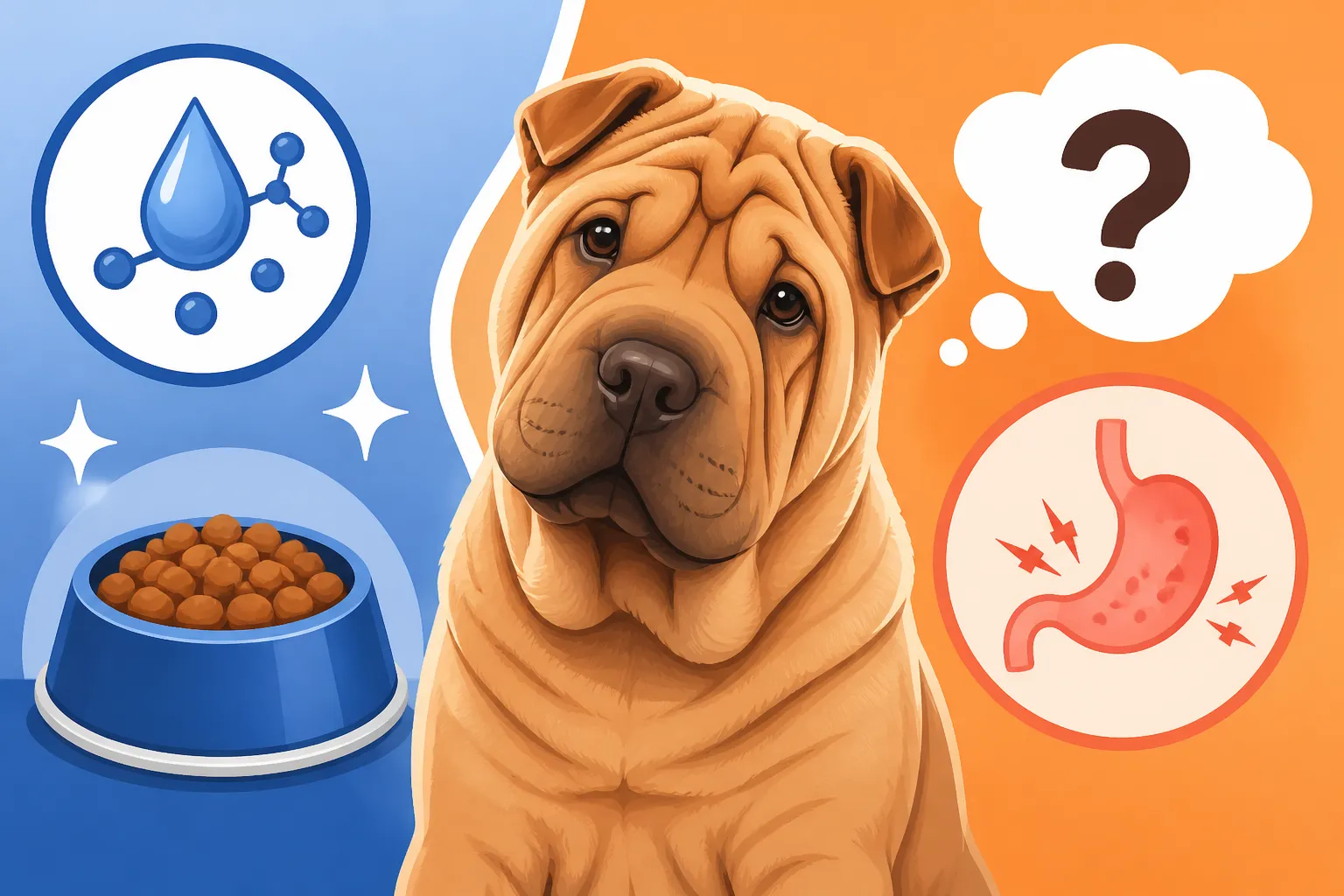
A hydrolyzed protein diet is a game-changer because it takes those large, complex protein molecules and breaks them down into much smaller pieces, almost like predigesting them. These tiny protein fragments are so small that your Shar Pei's immune system often doesn't recognize them as allergens. It's like those suspicious "guests" at the club have been miniaturized so much that the bouncer just waves them right through without a second thought. This process significantly reduces the likelihood of an allergic reaction.
For Shar Pei owners, this can be a huge relief. We know our breed is already predisposed to a host of health challenges, and chronic allergies just add another layer of worry and discomfort for our dogs. If you've already tried various "hypoallergenic" or "limited ingredient" foods with little success, a hydrolyzed diet might be the next logical step. It's not about finding a novel protein your dog hasn't eaten before; it's about fundamentally altering the proteins so they no longer trigger an immune response. This approach is often considered when diagnosing and managing severe food allergies, inflammatory bowel disease (IBD), or other chronic gastrointestinal disorders that can plague our wrinkly friends. It’s a specialized tool in the veterinary toolkit, designed to bring relief when conventional methods have fallen short.
Identifying When Your Shar Pei Might Need a Hydrolyzed Diet
It’s easy to feel overwhelmed by the sheer number of specialized diets available for dogs, and trying to figure out which one is right for your Shar Pei can be a monumental task. You might have already experimented with grain-free, limited ingredient, or novel protein foods like venison or duck, hoping to hit on something that finally stops the scratching or settles their stomach. When these initial dietary changes don't bring the lasting relief you hoped for, that's often when a hydrolyzed diet comes into the conversation with your veterinarian.
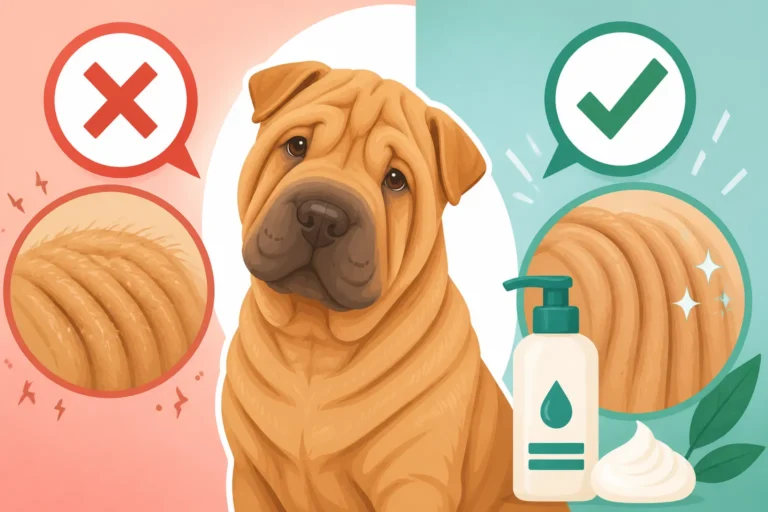
Your vet might suggest a hydrolyzed diet if your Shar Pei is showing persistent signs of food allergy, even after a diligent elimination diet. These signs can manifest in many ways. On the skin front, you might see chronic itching, redness, recurrent skin infections (often made worse by the folds that are characteristic of our breed), excessive paw licking, or ear infections that just keep coming back, despite treatment. Skin Is the Shar Pei's Largest Problem by Surface Area, and often, food allergies contribute significantly to this. Internally, a Shar Pei with a food allergy might experience chronic soft stools, diarrhea, vomiting, excessive gas, or a general lack of appetite. It's heartbreaking to see them uncomfortable, and frustrating not knowing how to help them feel better.
The hydrolyzed diet isn't usually the first option explored because it requires a prescription and is a more intensive diagnostic tool. It’s often used as part of a structured diagnostic plan to confirm or rule out food allergies as the primary cause of symptoms. If your Shar Pei improves dramatically on the hydrolyzed diet and then relapses when reintroduced to their old food, it strongly suggests a food allergy. It's a rigorous process, and it requires a dedicated owner willing to be incredibly strict about what goes into their dog's mouth. This means no treats (unless they are hydrolyzed themselves), no table scraps, and often, even special chew toys or dental chews are temporarily off-limits. It's a commitment, but for many Shar Pei owners, seeing their beloved dog finally get relief from chronic discomfort makes it entirely worthwhile.
Navigating the Practicalities of a Hydrolyzed Diet for Your Shar Pei
Once your veterinarian has recommended a hydrolyzed diet, the next step is actually putting it into practice, and let me tell you, this can come with its own set of challenges. It's not just about switching kibble; it's about a whole new level of dietary discipline, not just for your Shar Pei, but for everyone in the household.
First and foremost, hydrolyzed diets are typically prescription-only. You won't just find these on the regular shelf at your local pet store. Your vet will either dispense it directly or provide a prescription for an online pharmacy or a larger pet supply retailer. Companies like Chewy often carry these specialized veterinary diets, and sometimes you can even find them through major online marketplaces like Amazon if they're linked to a veterinary portal or specific brand. Always ensure you're getting the exact formula prescribed by your vet, as different brands and specific compositions can vary.
The absolute key to success with a hydrolyzed diet is strict adherence. And I mean strict. For the diet to truly work as a diagnostic tool or a long-term management strategy, your Shar Pei cannot eat anything else. This means no sneaky treats from the kids, no dropped crumbs from dinner, no gnawing on a friend's dog's toy (if it's been slobbered on and has residual food particles), and certainly no illicit dumpster diving. Even the smallest amount of a different protein can trigger a reaction and completely negate weeks of effort. It requires a lot of communication and commitment from everyone who interacts with your dog. You might even consider informing friends, family, and dog walkers about the strict dietary requirements.
You’ll also need to consider the transition period. Just like any new food, a hydrolyzed diet should be introduced gradually over 7-10 days to avoid upsetting your Shar Pei's stomach further. Mix a small amount of the new food with their old food, slowly increasing the proportion of the hydrolyzed diet each day.
Then there's the palatability factor. Some Shar Pei take to hydrolyzed diets like ducks to water, while others turn up their nose. These diets can sometimes have a different smell or texture than what your dog is used to. Don’t be surprised if your picky eater initially rejects it. You might try warming it slightly, adding a bit of water to make a gravy, or even a vet-approved hydrolyzed food topper (if available and compatible with the diet's purpose). Patience is key here.
Finally, let’s talk about cost. Hydrolyzed diets are typically more expensive than standard dog foods, sometimes significantly so. This is due to the specialized processing involved in breaking down the proteins. It's a necessary investment for your Shar Pei's health, but it's important to factor this into your budget. This is why it's so important for your vet to confirm a food allergy before committing to this long-term.
Here's a quick comparison of various specialized diets often considered for dogs with sensitivities:
| Diet Type | Primary Goal | Protein Source | Common Use Cases | Availability |
|---|---|---|---|---|
| Hydrolyzed Diet | Prevent immune reaction to proteins | Proteins broken into tiny, unrecognizable fragments | Confirmed food allergies, IBD, severe sensitivities | Prescription only |
| Limited Ingredient Diet | Reduce exposure to common allergens | Single, often novel, protein and carbohydrate source | Suspected food allergies, elimination trials | Vet-recommended, some retail |
| Novel Protein Diet | Introduce proteins dog hasn't eaten before | Unusual proteins like venison, duck, kangaroo, fish | Elimination trials, managing specific protein allergies | Vet-recommended, some retail |
Navigating this path can feel like a lot, but remember, you're not alone. Your vet is your best partner in this, and countless Shar Pei owners have found success and immense relief for their dogs by following a strict hydrolyzed diet. It can truly turn things around for a chronically uncomfortable dog.
Evaluating the Effectiveness and Long-Term Considerations for Your Shar Pei
So, you’ve embarked on the hydrolyzed diet journey with your Shar Pei. You've diligently stuck to the plan, meticulously avoided all contraband snacks, and navigated the picky eater protests. Now, the big question: Is it actually working? It’s not an instant fix, but with patience, you should start to see some promising changes.
Typically, if a food allergy is the primary issue, you should begin to see improvements within a few weeks, though sometimes it can take up to 8-12 weeks for the full effect, especially if your Shar Pei has chronic skin issues that take time to heal. What does "improvement" look like? For skin-related issues, you might notice less scratching, reduced redness, fewer hot spots, and a decrease in the frequency of ear infections. Their coat might start to look healthier, less dull, and perhaps even less "sandy" if your Shar Pei has a Horse Coat or Brush Coat Changes How You Care for a Shar Pei. For digestive problems, you’ll likely observe more consistent, well-formed stools, less gas, and a decrease in vomiting or diarrhea. Many owners report their Shar Pei having more energy and just generally seeming more comfortable and happier. It’s a wonderful feeling to finally see your dog thriving after so much discomfort.
However, a hydrolyzed diet isn't a magic bullet for every ailment. If, after a dedicated trial period (as advised by your vet), your Shar Pei shows little to no improvement, it’s a clear sign that the underlying issue might not be a food allergy, or at least not only a food allergy. In this scenario, it’s crucial to go back to your vet. They might suggest further diagnostics, such as blood tests to check for other systemic diseases like Hypothyroidism and IgA Deficiency in a Shar Pei, or explore environmental allergies through allergy testing, which can sometimes be a significant Cost of Watching a Shar Pei's Kidneys for Its Whole Life in itself if other health issues are present. Sometimes, even with a hydrolyzed diet, concurrent treatment for secondary bacterial or yeast infections (especially in skin folds or ears) is necessary.
For many Shar Pei, once a food allergy is confirmed and successfully managed with a hydrolyzed diet, they will remain on that diet for the rest of their lives. It becomes their normal. While this is a significant long-term financial commitment, the quality of life it affords your dog is often immeasurable. Continuing the diet prevents the return of uncomfortable symptoms, which also saves you from recurring vet visits for skin flare-ups or digestive crises. Think of it as investing in their daily comfort and overall well-being.
Before settling on a long-term plan, your vet might also discuss reintroducing specific proteins to try and identify the exact culprits. This is often done carefully, one protein at a time, while monitoring for any return of symptoms. It's a detailed process that can help broaden your Shar Pei's diet options, if successful. However, for many owners, sticking with the known safe hydrolyzed diet is the preferred, less stressful option. It's about finding that balance between managing health, ensuring comfort, and navigating the practicalities of daily life with your unique and wonderful Shar Pei.
Disclaimer
This article is for general informational purposes only and does not constitute professional advice. Laws, prices and regulations vary by location and change over time. Consult a qualified professional for guidance on your specific situation.