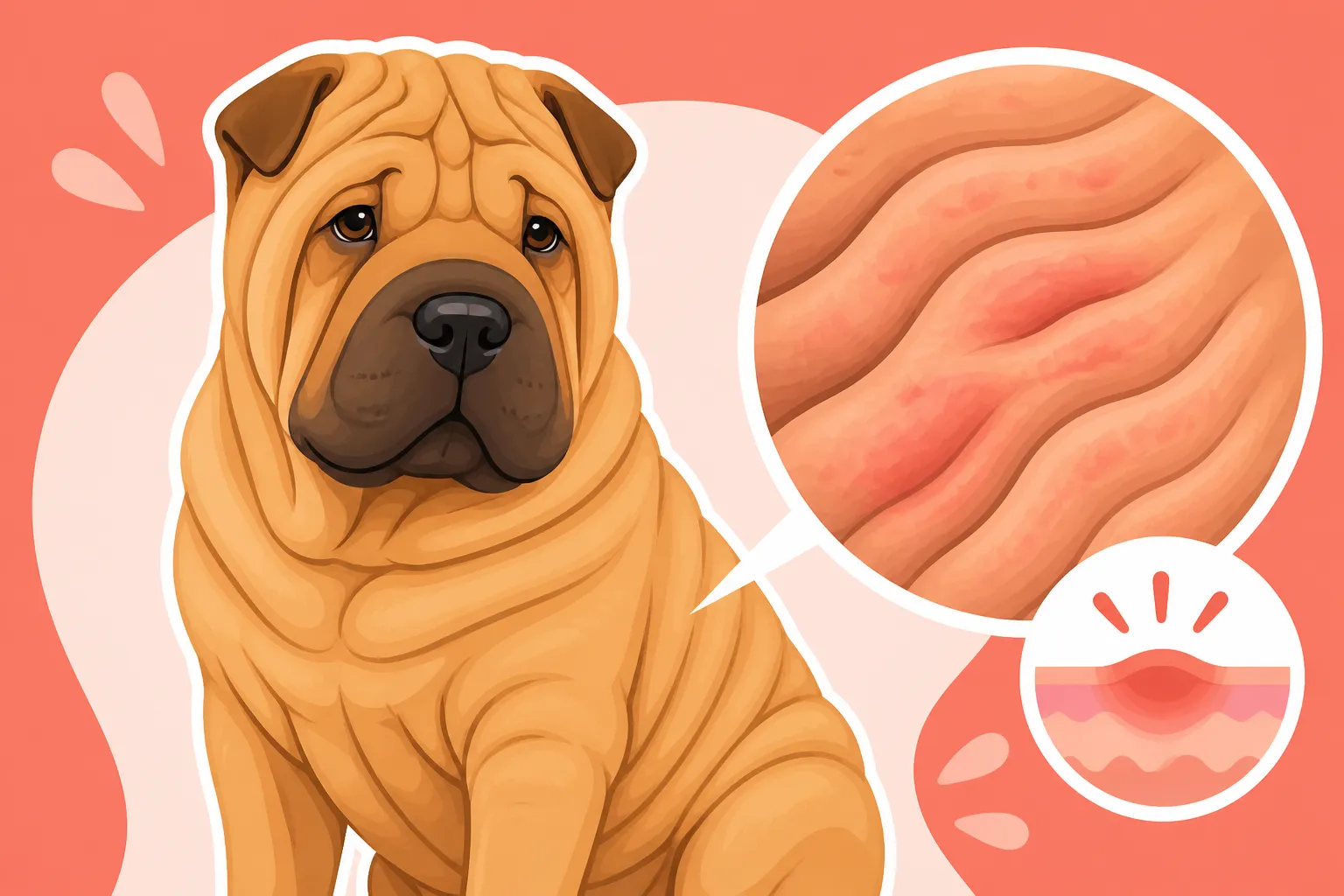
Skin Is the Shar Pei’s Largest Problem by Surface Area
It’s a frustrating reality for many Shar Pei owners: just when you think you’ve got a handle on one skin issue, another pops up, or the first one decides to stage a dramatic comeback. The truth is, the very thing that makes our beloved wrinkly companions so unique – their skin – is also often their biggest source of discomfort and our biggest headache. This guide is here to walk you through the complex world of Shar Pei skin, helping you understand, manage, and hopefully prevent the myriad of problems that can plague our wrinkly friends, bringing a little more comfort to their lives and peace of mind to yours.
The Unique Shar Pei Skin: Understanding the Canvas
When you look at a Shar Pei, their skin is the first thing that catches your eye – those deep wrinkles, the loose folds, the distinctive texture. It's truly a marvel of canine anatomy, but it's also a double-edged sword, creating a predisposition to a host of dermatological challenges. Understanding the fundamental characteristics of Shar Pei skin is the first step toward effective care and management. It's not just "wrinkly"; it's a finely tuned, albeit sometimes problematic, biological system.
The Hyaluronic Acid Factor
The defining characteristic of Shar Pei skin is its excessive mucin production, which is primarily made up of hyaluronic acid. This isn't just a cosmetic quirk; it's a genetic trait. Our understanding of this comes from knowing that One Mutation Gave the Shar Pei Its Wrinkles and Its Fever, which also ties into many health concerns. This overabundance of mucin causes the skin to be thick, spongy, and prone to those dramatic folds. Imagine your skin suddenly becoming much thicker and less elastic – that's a bit like what’s happening on a microscopic level for a Shar Pei.
This extra mucin can also form clear, jelly-like blisters or bubbles, particularly visible on the hocks or muzzle, which is a condition known as cutaneous mucinosis. While often benign, severe cases can become problematic if the blisters rupture and get infected, leading to further discomfort. The presence of this much hyaluronic acid changes the skin’s microenvironment, making it different from most other breeds. For a deeper dive, understanding Why Hyaluronic Acid Makes a Shar Pei Wrinkle really helps contextualize many of their skin challenges.
Coat Types and Their Impact
Not all Shar Pei skin feels the same, and a lot of that comes down to their coat type. We primarily see two main types: the Horse Coat and the Brush Coat, with the much rarer Bear Coat also existing. Each type interacts with the skin folds and environment in slightly different ways, influencing shedding, texture, and even how prone they might be to certain issues. Knowing your dog's coat type can help you tailor your grooming routine effectively.
The Horse Coat, which is very short and prickly, almost like sandpaper, can be particularly irritating to human skin and, some argue, can even be more prone to certain localized skin irritations for the dog itself because the stiff hairs can rub and poke within folds. In contrast, the Brush Coat is slightly longer and softer, offering a bit more cushioning, but perhaps also creating a warmer, more humid environment within the folds. Understanding How a Horse Coat Shar Pei Differs From a Brush Coat is crucial because it influences everything from bathing frequency to the type of brush you'll use. These seemingly small differences can play a big role in overall skin health management.
The Immune System Link
Beyond the physical structure and mucin, the Shar Pei's immune system often plays a significant role in their skin health. Many Shar Pei suffer from various immune-mediated conditions that manifest as skin problems, making diagnosis and treatment more complex. It's not just about what's on the surface; it's about what's happening underneath, at a cellular level.
For instance, a significant number of Shar Pei are genetically predisposed to IgA deficiency, a condition where their immune system doesn't produce enough immunoglobulin A, which is a key antibody in mucosal immunity (think skin, gut, respiratory tract). This deficiency can leave them more vulnerable to bacterial, fungal, and yeast infections on the skin. You can imagine how challenging it is to keep a Shar Pei's skin healthy when its own defenses are compromised. Learning What IgA Deficiency Means for a Shar Pei helps underscore why these dogs often need a multi-faceted approach to chronic skin issues, rather than just treating symptoms.
Common Skin Afflictions in Shar Pei: More Than Just Wrinkles
It's easy to assume that any skin problem on a Shar Pei is "just because of the wrinkles." While the wrinkles are a major contributing factor, they also act as hiding places for a variety of specific dermatological conditions, some unique to the breed, others simply exacerbated by their anatomy. Knowing what you're looking for can make a huge difference in early detection and treatment, potentially saving your dog a lot of discomfort and you a lot of worry (and vet bills!).
Skin Fold Dermatitis
This is perhaps the most ubiquitous skin issue for Shar Pei, and it's exactly what it sounds like: inflammation and infection within the skin folds. Because Shar Pei have so many folds – on their face, neck, body, and even around their tail – these areas become perfect breeding grounds for bacteria and yeast. The deep creases trap moisture, heat, and debris, creating a warm, damp, and often oxygen-deprived environment.
The symptoms are pretty unmistakable: redness, a foul odor, itching, hair loss, and sometimes a greasy discharge within the folds. If you've ever lifted a fold on your Shar Pei and been hit with a strong, yeasty smell, you know exactly what I'm talking about. Neglecting these areas can lead to painful, chronic infections that are incredibly difficult to clear up. It truly underscores the importance of understanding that Every Fold on a Shar Pei Is a Place Something Grows.
Demodectic Mange
Demodectic mange, often just called "demodex," is another surprisingly common culprit in Shar Pei skin issues. Unlike sarcoptic mange, which is highly contagious and intensely itchy, demodex mites are actually a normal part of a dog's skin fauna. Most dogs live their entire lives with these microscopic mites without a problem. However, in dogs with compromised immune systems or a genetic predisposition, these mites can overpopulate, leading to skin irritation, hair loss, and secondary infections.
Shar Pei, due to their unique immune profile and genetic bottlenecks, are unfortunately overrepresented in cases of demodectic mange, particularly localized or generalized juvenile onset. Signs include patchy hair loss, redness, scaling, and sometimes thickening of the skin, often around the face, eyes, and paws. It's usually not as itchy as other skin conditions, but it can quickly spread and become severe if left untreated. If you're wondering Whether a Shar Pei Gets Demodectic Mange, the answer is unfortunately, yes, more often than many other breeds.
Cutaneous Mucinosis
While technically a component of their normal skin, an excessive accumulation of mucin in the skin is called cutaneous mucinosis. As mentioned, it often manifests as fluid-filled vesicles or bubbles that can appear anywhere on the body, but are frequently seen on the head, hocks, and along the topline. When these bubbles rupture, they can create moist, open sores that are ripe for secondary bacterial infections.
This condition can be mild, with only a few small, clear bumps, or quite severe, with large areas of skin feeling boggy and swollen. Sometimes a whole puppy can look 'puffy' which is a classic sign of this. It's not usually itchy itself unless complicated by infection, but it certainly changes the texture and integrity of the skin. Owners often mistake these bubbles for insect bites or cysts, leading to a delay in recognizing the underlying issue. Learning What Cutaneous Mucinosis Is and how to identify it is key to early management.
Tackling Skin Fold Dermatitis: The Daily Battle
Skin fold dermatitis is one of those conditions that requires constant vigilance, almost like a daily chore, but it's vital for your Shar Pei's comfort and long-term health. Ignoring it is not an option, as it will inevitably lead to more serious, painful infections that require intensive veterinary intervention. The good news is that with a consistent routine, you can keep most instances under control.
Identifying Problem Folds
The first step in managing skin fold dermatitis is knowing where to look. While any fold can be affected, certain areas are more prone to issues due to their depth, lack of airflow, and potential for constant rubbing. The most common hotspots include the facial folds (especially around the muzzle and eyes), the neck folds, armpit folds, groin folds, and, critically, the tail fold. The corkscrew tail of many Shar Pei creates a deep pocket that is a notorious trap for moisture and debris.
You need to become intimately familiar with your Shar Pei's topography. Gently lift and inspect every fold, particularly after bathing or swimming, and after they’ve been outside in damp weather. Look for redness, moisture, black debris (often yeast), hair loss, or any foul odor. Sometimes, the problem area will be hidden deep within a fold, so you might need to use a gentle spreading motion to get a good look. Understanding Where a Shar Pei's Fold Infections Start helps you focus your attention and preventative efforts.
Daily Cleaning Regimens
Once you've identified the high-risk areas, a consistent cleaning regimen is paramount. This isn't just about surface cleaning; it’s about creating an environment hostile to bacteria and yeast. For mildly affected areas, or as a preventative measure, daily wiping with a gentle, antiseptic wipe is usually sufficient. Look for wipes containing chlorhexidine or salicylic acid, which are effective against both bacteria and yeast.
For deeper or more problematic folds, a medicated cleanser specifically designed for dermatological issues might be necessary, often recommended by your vet. After cleaning, thoroughly drying the folds is crucial. I cannot stress this enough: moisture is the enemy! Use a soft cloth, cotton balls, or even a low-setting hairdryer (held at a safe distance) to ensure the skin is completely dry before letting the folds settle back into place. Regular, attentive drying is even more critical than the washing itself, as Drying Is More Important Than Washing on a Shar Pei.
When Infections Take Hold
Despite your best efforts, sometimes an infection can still take hold, or a mild irritation can escalate. If you notice persistent redness, a strong and worsening odor, discharge, or if your Shar Pei is constantly scratching, rubbing, or showing signs of pain when you touch their folds, it's time to involve your veterinarian. These are often signs of a more established bacterial or yeast infection that requires targeted treatment.
Your vet will likely take a swab or skin scrape from the affected area to identify the specific type of bacteria or yeast involved. This allows them to prescribe the most effective medication, which could be oral antibiotics or antifungals, topical creams, or stronger medicated shampoos. It's important to complete the entire course of medication, even if the symptoms improve quickly, to prevent recurrence. Ignoring these deeper infections can lead to chronic skin changes, scarring, and even systemic illness. Don't hesitate to ask Whether a Shar Pei's Fold Infection Needs Antibiotics because often, the answer is yes.
Demodectic Mange: The Uninvited Guest
Demodectic mange often feels like a stealthy attacker because the mites are already present on your dog's skin. It’s when their numbers explode due to a weakened immune system that problems arise, particularly in breeds like the Shar Pei. It's a condition that can be frustratingly persistent, requiring patience and consistent veterinary care to resolve.
Recognizing the Signs
Unlike the intense itchiness associated with other forms of mange, demodex often presents with more subtle signs initially. The most common symptom is patchy hair loss, which can occur anywhere on the body but is frequently seen around the eyes, muzzle, and on the legs. The skin in these areas might also appear red, scaly, or thickened. In more severe cases, known as generalized demodex, large areas of the body can be affected, leading to extensive hair loss and secondary bacterial infections that cause intense itching, pustules, and crusting.
It's important to differentiate demodex from other skin conditions, as the treatments are very different. If you suspect demodex, especially in a young Shar Pei (juvenile onset is common), a trip to the vet is essential. They will perform a skin scrape to look for the mites under a microscope. This simple, non-invasive test is the gold standard for diagnosis.
Treatment Protocols
Once diagnosed, your vet will outline a treatment plan. For localized demodex, which involves only a few small patches, topical treatments such as medicated shampoos or creams might be sufficient. However, for generalized demodex, or cases that don't respond to topical treatment, systemic medications are usually necessary. These often include oral medications like isoxazolines (e.g., Bravecto, NexGard, Simparica), which are highly effective at killing the mites.
Treatment usually continues for several weeks to months, often until multiple consecutive skin scrapes are negative for mites. It's crucial to follow your vet's instructions precisely and to complete the entire course of treatment. Shar Pei with severe cases might also need antibiotics to address any secondary bacterial skin infections that have developed. Regular follow-up visits and skin scrapes are vital to ensure the mites have been eradicated and to monitor for recurrence.
Managing Predisposing Factors
While treating the active mite infestation is critical, it’s also important to consider why your Shar Pei developed demodex in the first place. Since an overgrowth of demodex mites is often linked to an underlying immune system weakness, your vet might want to investigate other health factors. This could include checking for hypothyroidism, nutritional deficiencies, or other stressors that might be suppressing the immune system.
For some Shar Pei, particularly those with a history of recurrent demodex, ongoing preventative treatment might be recommended. Maintaining overall good health through a balanced diet, regular exercise, and stress reduction can also support their immune system. If you're managing a Shar Pei with a predisposition to such issues, regular vet check-ups are key. These costs, particularly for chronic conditions, can add up, making a robust pet insurance plan like those offered by Healthy Paws a valuable consideration for long-term peace of mind.
Allergies and Sensitivities: The Itch That Won't Quit
Allergies are a persistent and often maddening problem for many dog owners, and Shar Pei are no exception. In fact, their unique skin structure and immune system predispositions can make allergic reactions particularly challenging to manage. The incessant itching and subsequent skin damage can lead to a vicious cycle of self-trauma and secondary infections.
Food vs. Environmental Allergies
When a Shar Pei is itchy, one of the biggest challenges is figuring out why. Is it something they're eating, or something in their environment? Both food allergies and environmental allergies (atopy) are common in the breed and often present with similar symptoms, primarily intense itching, redness, ear infections, and recurrent skin infections. Food allergies often manifest year-round, while environmental allergies might be seasonal or worsen with specific exposures like pollen, dust mites, or mold.
A Shar Pei with allergies might scratch, lick, or chew at their paws, rub their face, or develop red, inflamed skin on their belly, armpits, or groin. Chronic ear infections are also a classic sign. Trying to self-diagnose can be futile, as the overlap in symptoms is considerable. This is why a methodical diagnostic approach with your veterinarian is essential. Addressing Food Allergies in a Shar Pei often involves a structured elimination diet.
The Elimination Diet Journey
If food allergies are suspected, your vet will likely recommend an elimination diet. This is the gold standard for diagnosing food allergies and involves feeding your Shar Pei a novel protein and carbohydrate source (one they've never eaten before) or a hydrolyzed protein diet for a strict 8-12 weeks. During this time, absolutely no other treats, table scraps, or flavored medications can be given – consistency is key!
After the elimination period, if your dog's symptoms have significantly improved, you'll reintroduce single ingredients from their previous diet one at a time to identify the culprits. This can be a long and challenging process, but it's the most reliable way to pinpoint specific food sensitivities. It requires immense patience and discipline from the owner, but the relief for your Shar Pei, and the clarity for you, is well worth it. Before embarking on this, you'll definitely want to understand Whether a Shar Pei Needs an Elimination Diet and what that commitment entails.
Medical Management Options
For environmental allergies or cases where an elimination diet isn't fully successful, medical management becomes the focus. This can involve a combination of strategies tailored to your dog's specific needs. Antihistamines are sometimes tried, but their efficacy varies widely in dogs. Steroids can provide rapid relief from itching and inflammation but come with long-term side effects.
Newer medications, such as Apoquel and Cytopoint, have revolutionized allergy management for many dogs. Apoquel is an oral medication that targets the itch pathway, providing fast and effective relief without the steroid-related side effects. Cytopoint is an injectable antibody therapy that also blocks the itch signal and can provide relief for 4-8 weeks per injection. Both are excellent options for long-term management. Immunotherapy (allergy shots) derived from your dog's specific allergens, identified through blood or intradermal testing, is another effective long-term solution for many. It's worth discussing Whether Apoquel Suits a Shar Pei and other new treatments with your vet to find the best fit.
Beyond the Surface: Autoimmune and Other Conditions
While skin fold dermatitis, demodex, and allergies cover a large portion of Shar Pei skin woes, there are other, often more complex, conditions that can affect their largest organ. These sometimes stem from systemic issues, genetic predispositions, or immune system dysfunctions unique to the breed, making accurate diagnosis particularly crucial.
Pemphigus Foliaceus: An Autoimmune Challenge
Pemphigus foliaceus is a serious autoimmune skin disease where the dog's immune system mistakenly attacks its own skin cells, specifically targeting the structures that hold skin cells together. This leads to the formation of pustules, crusts, scales, and hair loss, often starting on the face, ears, and paws, but capable of spreading across the entire body. These lesions can be intensely itchy and painful.
Diagnosing pemphigus foliaceus usually requires a skin biopsy and histopathological examination. Treatment typically involves long-term immunosuppressive therapy, often starting with high doses of corticosteroids, which are then gradually tapered to the lowest effective dose. Other immunosuppressants may be used in conjunction with or instead of steroids. Managing this condition can be challenging, requiring close monitoring by your veterinarian to balance effective treatment with minimizing side effects of the medication.
Vasculitis: Blood Vessel Inflammation
Shar Pei are also prone to various forms of vasculitis, an inflammation of the blood vessels. This can manifest on the skin as red spots, purplish discoloration (purpura), ulcers, crusts, and swelling, particularly on the ear tips, tail, and paws. The lack of blood supply due to inflamed vessels can lead to tissue death, causing painful sores that are slow to heal. Shar Pei Immune-Mediated Vasculitis (SIMV) is a specific type recognized in the breed, often affecting the ears and hocks.
Diagnosis typically involves a skin biopsy. Treatment for vasculitis focuses on reducing inflammation and addressing any underlying cause. This might include corticosteroids, other immunosuppressive drugs, or specific medications to improve blood flow. Managing secondary infections that often occur in ulcerated areas is also critical. These complex conditions highlight the need for a vet experienced with the breed’s unique health challenges.
Zinc Responsive Dermatosis
While less common than other issues, some Shar Pei can suffer from zinc responsive dermatosis. This condition occurs when a dog either has a genetic inability to properly absorb zinc from their diet or a deficiency in their diet. Zinc is vital for healthy skin and immune function. Symptoms typically include crusting, scaling, and hair loss, especially around the eyes, mouth, and pressure points like elbows. The skin can become thickened and fissured.
Diagnosis is often based on the characteristic lesions and a positive response to zinc supplementation. Sometimes, a skin biopsy can support the diagnosis. Treatment involves providing oral zinc supplements, often for life. It's important to use the correct form and dosage of zinc, as excessive zinc can be toxic. Never supplement your Shar Pei with zinc without veterinary guidance, as it can interfere with other minerals and cause problems.
Preventative Care and Managing Recurrences: Staying Ahead of the Game
Given the Shar Pei's predisposition to skin problems, prevention and diligent management of recurrences are paramount. It’s not just about treating problems as they arise, but about implementing a proactive routine that minimizes the chances of issues developing in the first place. Think of it as investing in your Shar Pei's long-term comfort and health.
The Power of Consistent Grooming
Regular grooming is your first line of defense against many Shar Pei skin issues. This isn't just about making them look pretty; it's about maintaining skin integrity and cleanliness. Regular bathing with appropriate shampoo (often medicated, even preventatively) helps to remove allergens, bacteria, and yeast from the skin surface. However, remember the crucial step that Drying Is More Important Than Washing on a Shar Pei. Every single fold, every crevice must be thoroughly dried after a bath or any exposure to moisture.
Beyond baths, daily fold cleaning with gentle antiseptic wipes, as discussed earlier, is non-negotiable for high-risk areas. Regular brushing helps to remove loose hair and stimulate healthy skin, and it also allows you to perform a quick "skin check" for any new lumps, bumps, or irritations. The short, stiff coat of a Horse Coat Shar Pei might require a specific type of brush that doesn't irritate their skin.
Dietary Considerations
A high-quality, balanced diet is fundamental to healthy skin and a robust immune system. For Shar Pei prone to allergies, a limited ingredient diet or a novel protein diet might be necessary. Some owners find success with specific protein sources like fish (salmon, whitefish) which are rich in omega-3 fatty acids, known for their anti-inflammatory properties that support skin health.
Supplements like omega-3 fatty acids (fish oil), probiotics, and specific vitamins can also play a supportive role. Omega-3s can improve skin barrier function and reduce inflammation, which is particularly beneficial for allergic or dry skin. Probiotics can support gut health, which is intricately linked to immune function and overall skin health. Always discuss any dietary changes or supplements with your veterinarian to ensure they are appropriate for your individual Shar Pei's needs.
Environmental Control
Minimizing exposure to environmental allergens can significantly improve quality of life for Shar Pei with atopy. This might involve using air purifiers in your home, frequently washing your dog's bedding, vacuuming regularly with a HEPA filter, and limiting outdoor exposure during peak pollen seasons. For dust mite allergies, special covers for pet beds can help.
Consider how humidity affects your Shar Pei. High humidity can exacerbate skin fold infections by creating a perpetually damp environment, while very dry air can lead to flaky, itchy skin. Finding a balance and using dehumidifiers or humidifiers as needed can make a difference. These seemingly small adjustments to their environment can have a profound impact on their skin comfort.
Regular Veterinary Check-ups and Early Intervention
Never underestimate the power of regular veterinary check-ups. Your vet is your most important partner in managing your Shar Pei's skin health. Routine examinations can catch nascent problems before they escalate, and your vet can offer tailored advice based on your dog's history and current condition.
It's also crucial to remember that What a Shar Pei's Skin Tells You Before Its Behavior Does. Often, the first sign of discomfort or illness in a Shar Pei might be subtle skin changes. Don't wait until your dog is scratching frantically or has a full-blown infection. If you notice persistent redness, an unusual odor, excessive licking, or any new lumps or bumps, consult your vet promptly. Early intervention can prevent minor issues from becoming major health crises. The costs associated with these ongoing treatments and specialist visits, if needed, can be managed more effectively if you've invested in a comprehensive pet insurance policy, such as those offered by Healthy Paws.
When to Call the Vet and What to Expect
Knowing when a skin issue warrants a professional opinion versus a home remedy can be tricky, but for Shar Pei, it's always better to err on the side of caution. Their unique physiology means even seemingly minor irritations can quickly become serious. Don't hesitate to contact your vet if you're concerned.
Clear Indicators for a Veterinary Visit
There are several clear signs that your Shar Pei's skin problem needs immediate veterinary attention:
- Intense, unrelenting itching: If your dog is scratching, licking, or chewing themselves constantly, to the point of breaking the skin or causing distress, they need to see a vet.
- Open sores, ulcers, or bleeding: Any break in the skin barrier is an open invitation for infection. These need professional assessment and treatment.
- Foul odor or discharge: A strong, unpleasant smell or the presence of pus, blood, or excessive moisture from folds or lesions indicates an active infection.
- Swelling, heat, or pain: If an area of skin is swollen, warm to the touch, or your dog shows pain when it's handled, it could be a sign of deep infection or inflammation.
- Rapidly spreading lesions or hair loss: If a skin problem is quickly worsening or covering larger areas of the body, it needs prompt diagnosis.
- Lack of improvement with home care: If you've been diligently cleaning and managing a mild issue for a few days without any improvement, it's time for professional input.
- Lethargy, fever, or loss of appetite: If skin issues are accompanied by systemic signs of illness, it's an emergency. What Temperature a Feverish Shar Pei Reaches can be surprisingly high, and skin issues can be connected to broader health problems.
Your vet will likely want to take a detailed history of the problem, including when it started, what you've tried, and any other symptoms you've observed. They will then perform a thorough physical examination, paying close attention to the skin and coat.
Diagnostic Tools Your Vet Might Use
To get to the bottom of your Shar Pei's skin issues, your vet has several diagnostic tools at their disposal:
- Skin Scrapes: This involves gently scraping a small sample of skin cells to examine under a microscope for mites (like demodex), fungi, or other parasites. It's quick and generally well-tolerated.
- Cytology (Tape Preps/Swabs): Your vet might press a piece of tape onto the skin or swab an area to collect cells. These are then stained and examined under a microscope to identify bacteria, yeast, or inflammatory cells, guiding the choice of medication.
- Fungal Culture: If ringworm or other fungal infections are suspected, a sample of hair and skin might be sent to a lab for fungal culture.
- Allergy Testing: If environmental allergies are suspected, your vet might recommend blood tests (serum IgE testing) or refer you to a veterinary dermatologist for intradermal skin testing to identify specific allergens.
- Skin Biopsy: For more unusual or persistent lesions, or to diagnose autoimmune conditions like pemphigus, a small piece of skin tissue might be surgically removed and sent to a specialized lab for histopathological examination. This usually requires sedation or anesthesia.
- Bloodwork: Full blood panels can help identify underlying systemic issues, such as hypothyroidism or immune deficiencies, that might be contributing to skin problems.
It’s a process of elimination sometimes, but each test brings your vet closer to an accurate diagnosis and an effective treatment plan. Be prepared for potentially several visits and tests, especially with complex or chronic conditions.
The Importance of Follow-Up Care
Once a diagnosis is made and treatment begins, follow-up care is crucial. This is not just about finishing a course of antibiotics; it's about monitoring your Shar Pei's response to treatment, adjusting medications if necessary, and ensuring the problem doesn't immediately recur. Your vet will likely schedule follow-up appointments to re-examine the skin, repeat tests (like skin scrapes or cytology), and discuss any ongoing challenges you might be facing.
For chronic conditions like allergies or recurrent fold dermatitis, long-term management strategies will be discussed. This could involve ongoing topical treatments, regular medicated baths, continuous medication, or dietary adjustments. It's a partnership between you and your vet to keep your Shar Pei comfortable and healthy. Remember, managing chronic skin conditions can be costly, from prescriptions to regular check-ups. Having a plan with pet insurance, such as through Healthy Paws, can significantly alleviate the financial stress, allowing you to focus on your Shar Pei's recovery and well-being.
Disclaimer
The information provided in this article is for general informational purposes only and is not a substitute for professional veterinary advice. Always consult with a qualified veterinarian for any health concerns or before making any decisions related to your pet's health and treatment.