Whether an Old Shar Pei’s Skin Gets Better or Worse
One of the biggest worries for any Shar Pei owner as their beloved companion enters their golden years is how their unique skin will hold up. You’ve spent years meticulously caring for those wonderful wrinkles, often navigating fold infections, dryness, or allergic reactions, and now you’re wondering if all that hard work is about to get even tougher. This guide is here to walk you through what to realistically expect from your old Shar Pei's skin, exploring whether it gets better, worse, or simply changes, and offering practical advice to keep them comfortable.
The Natural Evolution of Shar Pei Skin as They Age
Just like with us humans, a dog's skin changes with age. It's not always a case of "worse," but definitely "different." For a breed as distinct as the Shar Pei, these changes can present unique challenges that are important to understand. Their skin is their most defining characteristic, but also their biggest vulnerability, and time takes its toll on even the most well-cared-for hide.
Loss of Elasticity and Collagen
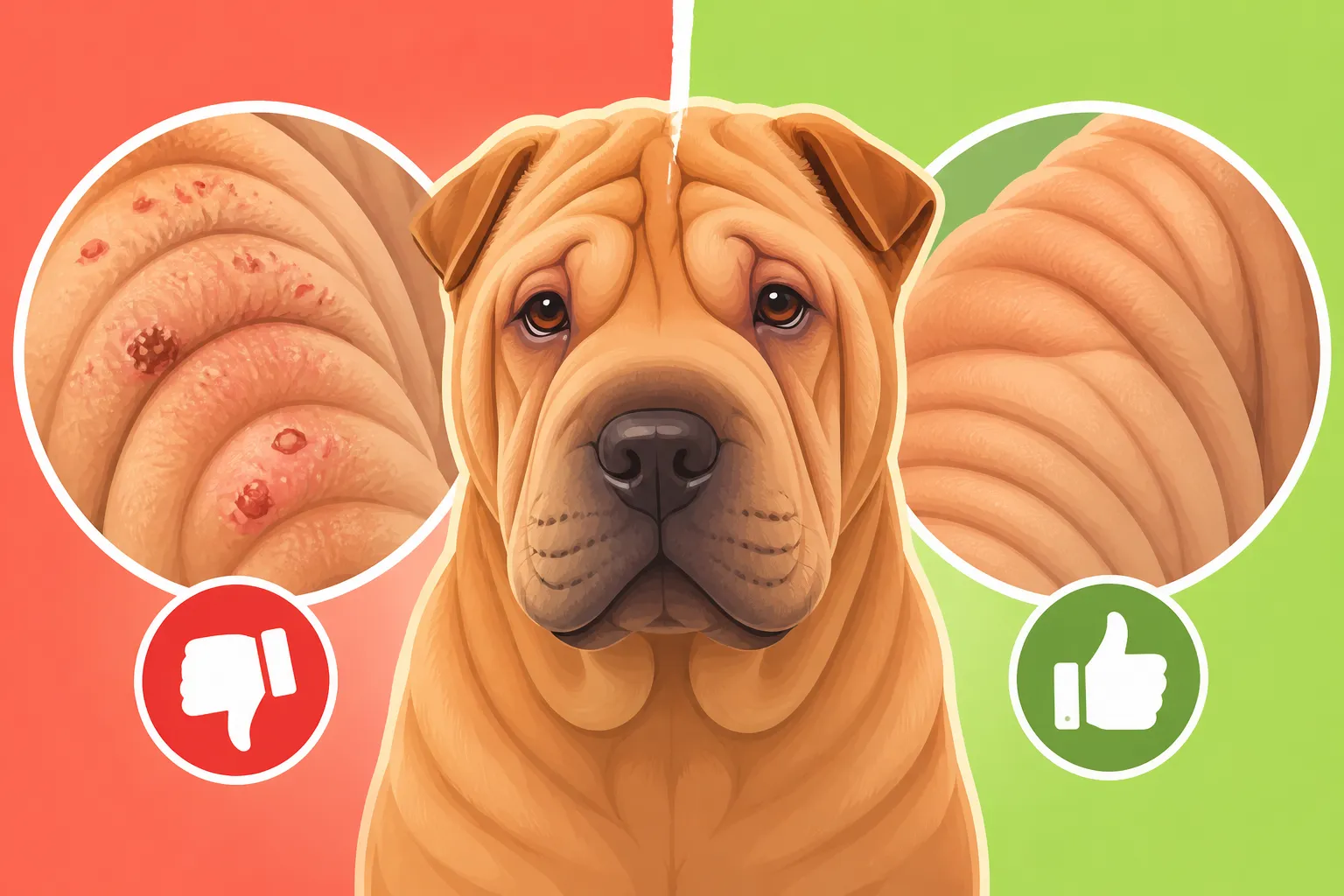
As your Shar Pei gets older, their skin naturally loses some of its youthful bounce and elasticity. Think about your own skin or that of an older person – it’s less taut, a little more fragile. This is largely due to the gradual breakdown and reduced production of collagen and elastin, the proteins responsible for skin's structure and flexibility. For a Shar Pei, this can mean a couple of things that might surprise you. Those deep, defined wrinkles they had as a youngster might soften, becoming less pronounced in some areas, or they might appear more "saggy" rather than deeply folded. It’s not necessarily "worse" in terms of health, but a visual change.
You might notice their skin feels thinner in certain spots, or perhaps a bit looser and more delicate when you pet them. This decreased elasticity means the skin is less resilient to minor bumps and scrapes, and it can take longer to heal if an injury does occur. Sometimes, owners mistakenly think their dog is getting less wrinkly and therefore healthier, but it's often just a natural progression of aging skin losing its firmness, rather than a true reduction in the underlying genetic predisposition to skin issues.
Changes in Hydration and Barrier Function
Another significant change in aging Shar Pei skin is its ability to maintain proper hydration and its barrier function. The skin's outer layer, the stratum corneum, acts as a protective shield, keeping moisture in and irritants out. With age, this barrier can become compromised. The skin might become drier, flakier, and more prone to itching, even if your dog hasn't historically suffered from severe dry skin. This dryness can exacerbate existing skin sensitivities or create new ones.
Imagine their skin is like a slightly worn-out sponge; it doesn't hold onto water as effectively as it once did. This reduced hydration makes the skin more vulnerable to external factors. Things like changes in humidity, harsh shampoos, or even just the natural oils diminishing can quickly lead to irritation. A dry, compromised skin barrier also provides an easier entry point for bacteria and yeast, which are already notorious culprits for Shar Pei skin problems. So, while you might not see new, dramatic wrinkles appearing, you could be facing a battle with persistent dryness, scaling, and general discomfort that requires more diligent moisturizing and gentle care.
Common Skin Conditions That Persist or Worsen in Older Shar Pei
While some aspects of aging skin are simply cosmetic shifts, other conditions that Shar Pei are predisposed to can certainly persist or even worsen with age. It's a sad truth that many of the health challenges this breed faces are lifelong battles, and their skin is often at the forefront. Being prepared for these possibilities is key to providing the best care. Skin Is the Shar Pei's Largest Problem by Surface Area is a fact that doesn't diminish with age; if anything, the cumulative effects can make it more complex.
Chronic Skin Fold Dermatitis
Ah, the folds. The very thing that makes a Shar Pei so distinct is also often their bane, and this doesn't magically disappear in old age. If anything, chronic skin fold dermatitis can become a more persistent and challenging issue. As we discussed, older skin may lose elasticity, and in some areas, this can lead to folds becoming even more prominent or saggy, trapping more moisture, debris, and heat. The skin within these folds, already thin and prone to irritation, becomes even more fragile with age.
Imagine a damp, warm pocket where air circulation is minimal. This is the perfect breeding ground for bacteria and yeast. What might have been an occasional flare-up in their younger years can become a regular occurrence in their senior life. Owners might notice a stronger, more yeasty odor, redness, hair loss within the folds, or even raw, weeping lesions. The facial folds, especially around the muzzle and eyes, and the tail fold are particularly susceptible. The challenge is compounded by the fact that older dogs might be less tolerant of the handling required for daily cleaning, or they might have other health issues that make topical treatments more difficult. Maintaining a rigorous, yet gentle, cleaning schedule is paramount. You might find yourself needing to clean these areas more frequently, sometimes even twice a day, using specific medicated wipes or solutions. How Often a Shar Pei's Folds Need Cleaning becomes an even more critical question as they age.
Hypothyroidism and Its Skin Manifestations
Hypothyroidism is a condition where the thyroid gland doesn't produce enough thyroid hormone, and it's quite common in older dogs, including Shar Pei. While it's an internal issue, its effects often manifest prominently on the skin. If your senior Shar Pei develops hypothyroidism, you might notice a dull, dry, and brittle coat that sheds excessively. Their skin can become thickened, flaky, and sometimes greasy to the touch, or even develop black patches due, a condition known as hyperpigmentation.
What makes this particularly tricky for Shar Pei owners is that these symptoms can easily be mistaken for other common skin allergies or issues, delaying proper diagnosis. A classic sign of hypothyroidism affecting the skin is bilateral (symmetrical) hair loss, often on the flanks, tail, or chest, without significant itching. However, because the skin barrier is compromised, secondary bacterial or yeast infections can easily take hold, leading to intense itching and making the diagnosis even more complex. If you're seeing persistent skin issues in your older Shar Pei that aren't responding to your usual care routine, especially alongside other signs like lethargy, weight gain, or a preference for warm places, it's definitely worth discussing thyroid testing with your vet. Catching Signs a Shar Pei's Thyroid Is Low early can make a huge difference in their comfort and overall health.
Cutaneous Mucinosis in the Senior Years
Cutaneous mucinosis is a condition unique to Shar Pei, stemming from the same genetic mutation that gives them their characteristic wrinkles. It involves an overproduction of mucin, a jelly-like substance, in the skin. In younger Shar Pei, this often presents as distinct "bubbles" or fluid-filled sacs on the skin, especially on the head, neck, and hocks. While many puppies "grow into" some of their mucin, and adult Shar Pei can have varying degrees of it, how it behaves in old age can be unpredictable. What Cutaneous Mucinosis Is is crucial to understand.
In some older Shar Pei, the mucinosis might become less pronounced as the skin generally thins and loses its collagen. However, for others, it can persist or even cause new problems. Large deposits of mucin can sometimes lead to skin that feels doughy or boggy to the touch. These areas can be more prone to tearing or injury, and if a mucin blister ruptures, it can create an open wound that's slow to heal and susceptible to infection. The discomfort from chronic mucinosis can add to an older dog's general aches and pains, making them more sensitive to touch in certain areas. While mucinosis itself isn't painful, the skin associated with it can be fragile. Monitoring any changes in the texture or appearance of your Shar Pei's skin, particularly any new or changing mucin deposits, is an important part of their senior care routine.
Strategies for Supporting an Old Shar Pei's Skin Health
It might sound daunting, but caring for an older Shar Pei's skin isn't about magical cures; it's about consistent, gentle, and proactive management. Think of it as tailoring their routine to meet the evolving needs of their aging body, just as you might adjust their diet or exercise. The goal is comfort, prevention, and quick intervention when issues arise.
Tailored Grooming Routines
The grooming routine you established for your younger Shar Pei might need some tweaking as they age. What worked for a spry two-year-old might be too harsh or not thorough enough for a twelve-year-old.
- Gentler Bathing: Older skin is more delicate. Opt for ultra-mild, hypoallergenic shampoos, preferably those with moisturizing ingredients like oatmeal or ceramides. If your vet has prescribed a medicated shampoo for recurring infections, ensure it's not overly stripping. Reduce the frequency of full baths if possible, and focus on spot cleaning. Always make sure the water temperature is comfortable, and the process is as stress-free as possible.
- Thorough Drying is Non-Negotiable: This is critical at any age, but even more so for older Shar Pei where skin healing can be slower. Every fold, every toe web, must be bone dry after a bath, a walk in the rain, or even just a particularly enthusiastic drink of water. A soft towel and a low-setting hairdryer are your best friends. Dampness is an open invitation for yeast and bacteria to party.
- Daily Fold Care: This needs to become a non-negotiable part of your daily routine. Gently lift each fold and wipe it clean with a soft, damp cloth or a vet-approved antiseptic wipe. Look for any redness, moisture, or foul odor. Pay special attention to facial folds, neck rolls, and the often-overlooked tail fold. If you find any irritation, applying a thin layer of a soothing balm or barrier cream (again, vet-approved) can provide much-needed relief. Consistent care can prevent minor irritation from escalating into painful infections.
Nutritional Support and Supplementation
What goes into your Shar Pei's body has a direct impact on the health of their largest organ: their skin. As they age, their dietary needs may shift, and supplementing their diet can play a significant role in maintaining skin integrity.
- High-Quality, Digestible Diet: Ensure your senior Shar Pei is on a high-quality senior dog food. These diets are often formulated with ingredients that are easier to digest and contain appropriate levels of protein and fat for an aging metabolism. Sometimes, even if they haven't had issues before, older dogs can develop sensitivities that manifest as skin problems. If you suspect food allergies, discussing an elimination diet with your vet, potentially with options from brands like Ollie that offer fresh, limited-ingredient meals, might be beneficial. Feeding a Shar Pei That Reacts to Its Food is a topic often revisited in their later years.
- Omega Fatty Acids: These are superstars for skin and coat health. Omega-3 and Omega-6 fatty acids help reduce inflammation, support the skin barrier, and promote a healthy, moisturized coat. Look for supplements containing fish oil (EPA and DHA) or flaxseed oil. Many senior diets incorporate these, but your vet might recommend additional supplementation. You can find a wide array of quality supplements from retailers like Chewy or Amazon.
- Antioxidants and Other Nutrients: Vitamin E, Vitamin C, and other antioxidants can help combat cellular damage from free radicals, supporting overall skin health. Glucosamine and chondroitin, often found in senior dog supplements for joint health, can also indirectly contribute to skin elasticity. Always consult your vet before adding any new supplements to your dog's regimen, as they can help you choose the right product and dosage.
Regular Veterinary Checks and Early Intervention
Perhaps the most crucial strategy for managing an old Shar Pei's skin is maintaining a close relationship with your veterinarian. Early detection and intervention are key, especially as they enter their senior years.
- Twice-Yearly Exams: Many vets recommend that senior dogs have wellness checks every six months, rather than annually. This increased frequency allows for earlier detection of subtle changes in skin condition, lumps, bumps, or other health issues that might impact their skin. Your vet can perform thorough skin exams, looking for hot spots, unusual growths, or signs of underlying conditions like hypothyroidism.
- Discuss Any Changes Promptly: Don't hesitate to contact your vet if you notice any persistent changes in your Shar Pei's skin or coat, even if they seem minor. New lumps, non-healing sores, areas of intense itching, or changes in skin color or texture warrant immediate attention. What might have been a minor irritation in a younger dog can become a more significant problem with slower healing in an older one.
- Diagnostic Testing: Your vet might recommend specific tests, such as skin scrapings for mites, fungal cultures, or biopsies for suspicious growths. Blood tests can check for hormonal imbalances like hypothyroidism. Addressing these underlying causes is vital for effective skin management. Remember, older dogs are prone to various benign skin growths, but some can be serious, so prompt evaluation is always best. Caring for a Shar Pei Past Seven involves a proactive approach to all aspects of their health, and skin is certainly no exception.
Caring for an old Shar Pei's skin is a commitment, but it’s one that repays you with their continued comfort and happiness. By understanding the natural changes that come with age, being vigilant for common problems, and implementing a tailored care strategy, you can help your senior Shar Pei live their golden years with as much joy and as little skin discomfort as possible.
| Skin Condition / Aspect | Younger Shar Pei (Typical Presentation) | Older Shar Pei (Potential Changes) | Care Adjustments for Seniors |
|---|---|---|---|
| Wrinkle Appearance | Deep, defined, often 'bubbling' mucin | Softer, saggier, less taut; mucin may reduce or persist in fragile areas | Gentle handling; increased vigilance for tears in fragile mucin areas |
| Skin Elasticity | Resilient, bounces back quickly | Reduced, thinner, more fragile | Avoid harsh scrubbing; use softer brushes; moisturize more |
| Hydration/Dryness | Can be dry with allergies, but generally robust barrier | Often drier, flakier, compromised barrier function | More frequent moisturizing shampoos/sprays; humidifiers in dry climates |
| Fold Dermatitis | Flare-ups due to moisture/yeast/bacteria | More frequent, persistent, slower to heal; increased odor/inflammation | Daily, gentle cleaning with antiseptic wipes; barrier creams; potentially more frequent vet checks for infections |
| Hypothyroidism | Less common, but possible | More common; dry, dull coat; symmetrical hair loss; thickened skin | Regular thyroid testing if symptoms appear; lifelong medication if diagnosed |
| Cutaneous Mucinosis | Prominent 'bubbles', especially as puppy | May lessen, but can lead to fragile skin or persistent boggy areas | Protect fragile mucin areas from injury; vet evaluation for any ruptured blisters |
| Lumps & Bumps | Less common, usually benign | More common; requires prompt vet check to differentiate benign from malignant | Any new lump or bump should be evaluated by a vet promptly; regular skin checks during petting |
Disclaimer
This article is for general informational purposes only and does not constitute professional advice. Laws, prices and regulations vary by location and change over time. Consult a qualified professional for guidance on your specific situation.