Whether an Old Shar Pei Needs Softer Food
It’s a scenario many of us dread but eventually face: our once vibrant, enthusiastic Shar Pei, who used to devour their kibble with gusto, now approaches their bowl with a little less excitement, maybe a bit of hesitation. You might notice them dropping pieces of food, chewing slowly, or even turning their nose up at what was once their favorite meal. This guide is all about helping you figure out if your beloved senior Shar Pei needs a dietary adjustment to softer food, and what your options are.
Understanding Senior Shar Pei Nutritional Needs
As our Shar Pei enters their golden years, typically around seven years old, their bodies start to change, and with these changes come shifts in their nutritional requirements and eating capabilities. Just like us, dogs don't remain spry and impervious to the march of time forever. Their metabolism slows down, meaning they might not need as many calories as they once did to maintain a healthy weight. Their digestive system can become a little less efficient at absorbing nutrients, making the quality and digestibility of their food even more critical.
Beyond just the caloric content, the very act of eating can become a challenge. Dental health, often an overlooked aspect until a problem arises, is paramount. Many senior dogs, Shar Pei included, develop dental disease, which can range from plaque and tartar buildup to painful gum inflammation, loose teeth, or even tooth root abscesses. Imagine trying to crunch hard kibble with a toothache – it's no fun for our furry friends either. These issues can make chewing dry, hard food incredibly uncomfortable or even impossible, leading to a reluctance to eat, which can then spiral into weight loss and nutrient deficiencies. It's a tough cycle to break if you don't address the root cause of the discomfort. We cover many of these changes in What Changes in an Old Shar Pei's Care.
Another factor is their sense of smell and taste. Sometimes, as dogs age, these senses can dull, making their regular kibble seem less appealing. A softer, more aromatic food can often stimulate their appetite, ensuring they get the vital nutrition they need. It’s not just about what they can chew, but what they want to eat. A senior Shar Pei might also experience increased sensitivity in their digestive tract, meaning that foods that were once fine could now cause upset. This emphasizes the need for highly digestible ingredients and a gentle approach to their diet.
Signs Your Senior Shar Pei Might Need Softer Food
It’s easy to miss the subtle cues our Shar Pei gives us when they’re not feeling their best, especially when it comes to eating. They're often quite stoic, and sometimes their deep-set eyes and wrinkled faces can make it hard to read their expressions of discomfort. But if you pay close attention during meal times, you'll start to notice patterns that might signal it's time for a change in food texture. These signs aren't always glaringly obvious, so being a keen observer is key.
One of the most common and visible signs is difficulty with chewing. You might see your Shar Pei drop pieces of kibble, take a very long time to finish their meal, or chew only on one side of their mouth. Sometimes, they might even gulp down pieces whole without properly chewing them, which can lead to digestive upset or choking. A reluctance to approach the food bowl, or approaching it and then backing away, can also be a huge red flag. They might seem hungry but appear hesitant to start eating, almost as if they anticipate pain. These actions are often direct indicators that chewing hard food is causing them pain or significant effort. If you notice any of these, it's a good idea to chat with your vet about their dental health. For more on this, check out Nails, Teeth and the Small Jobs on a Shar Pei.
Beyond chewing, look for changes in overall appetite and weight. If your Shar Pei is consistently leaving food in their bowl, or if their meals are taking an unusually long time to consume, it could be that the food simply isn't appealing or comfortable to eat. Unexplained weight loss, especially when they appear to be eating some food, is a serious concern. This suggests they aren't getting enough calories or absorbing nutrients properly, which can have various underlying causes, dental pain being a common one. You can refer to Signs a Shar Pei Is Too Thin to help you identify if this is happening. Bad breath, visible tartar, red or swollen gums, or even a bit of blood on their chew toys or in their water bowl are all strong indicators of dental disease that would make hard kibble painful. Remember, our Shar Pei are masters at Whether a Shar Pei Hides Pain, so these subtle signs are crucial.
Consider also their general demeanor during and after eating. If they seem uncomfortable, sensitive around their mouth, or suddenly become picky about their food, it’s worth investigating. Some Shar Pei might start pawing at their mouth or rubbing their face against furniture after eating, suggesting irritation. While these signs don't always point exclusively to a need for softer food, they certainly warrant a thorough veterinary check-up to rule out any underlying health issues contributing to their eating difficulties. Ignoring these signs can lead to further health complications and unnecessary discomfort for your aging companion.
Types of Softer Food Options for Senior Shar Pei
Once you and your vet have determined that a softer diet is beneficial for your senior Shar Pei, you'll find there's a surprisingly wide array of options available. This isn't a one-size-fits-all situation, and what works best will depend on your Shar Pei's specific health needs, preferences, and your lifestyle. The good news is that you have flexibility, and you don't have to overhaul everything overnight.
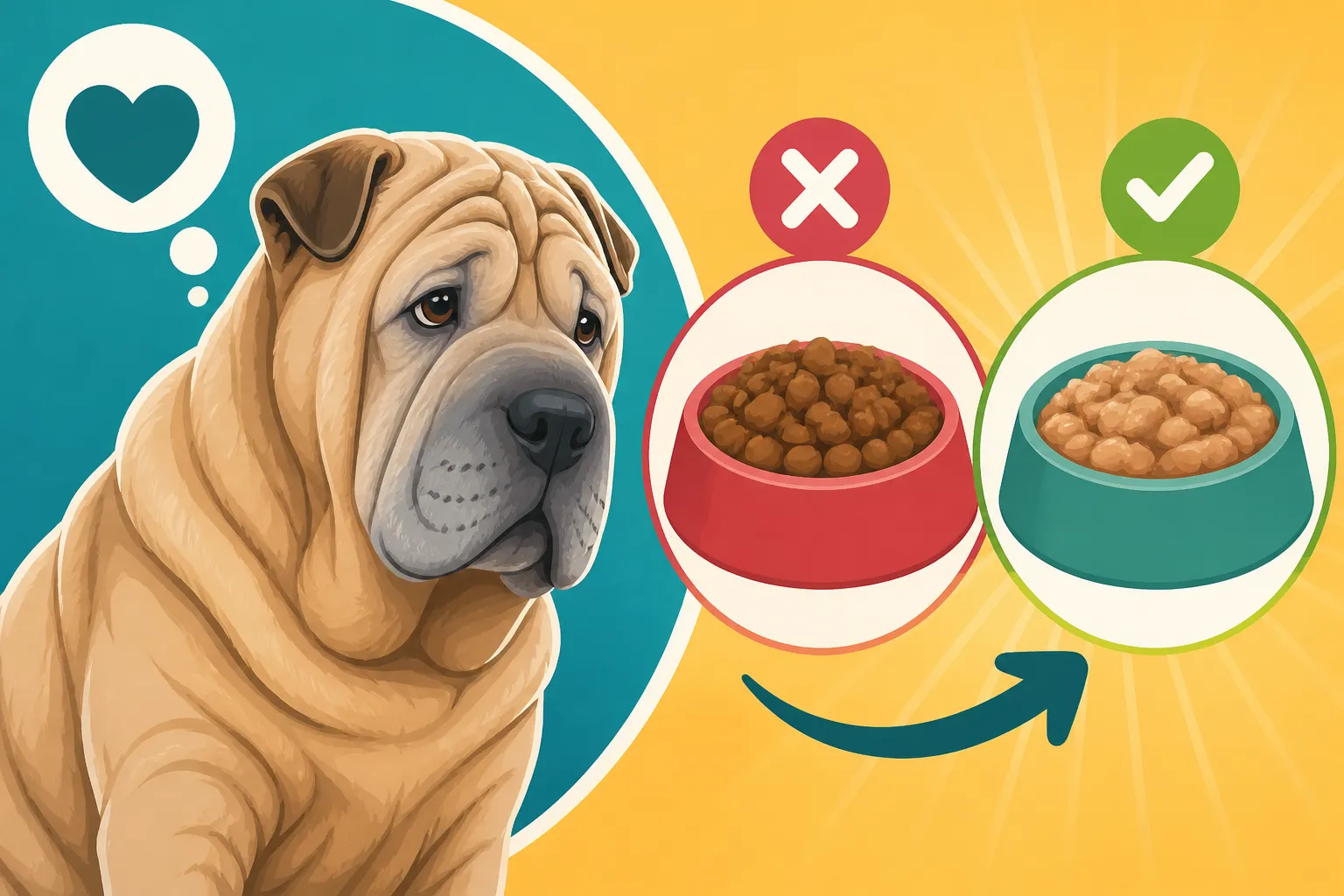
One of the most straightforward transitions is to wet food. Commercial wet dog foods designed for seniors or those with sensitive stomachs are widely available from pet retailers like Chewy and Amazon. These foods come in cans or pouches, and their soft, moist texture makes them much easier to chew and swallow, even for dogs with significant dental issues. Many are formulated with higher moisture content, which can be beneficial for senior dogs who might not be drinking as much water as they should. They often have stronger aromas, which can entice a fading appetite. Just be sure to check the nutritional label carefully, as calorie density can vary, and some wet foods might not be complete and balanced if fed exclusively. Discussing brands and specific formulations with your veterinarian can help you choose the best option.
Another excellent and often gradual option is simply soaking your Shar Pei's existing kibble in warm water or low-sodium broth. This softens the hard nuggets, making them much easier to chew without dramatically changing their diet. It's a fantastic first step, especially if your Shar Pei is resistant to new flavors or has a sensitive stomach, as it maintains familiarity. You'll want to let the kibble sit for about 10-15 minutes, or longer if needed, until it swells and becomes mushy. Always ensure the food is cooled to a comfortable temperature before serving. This method also adds moisture to their diet.
For those looking for a fresh approach, gently cooked or fresh food diets are gaining popularity. Brands like Ollie offer human-grade, fresh food subscriptions that are often softer and more palatable than traditional kibble. These diets typically consist of real meat, vegetables, and grains, prepared to retain nutrients and flavor. They can be incredibly appealing to senior dogs, and their softer texture is naturally easier on aging teeth and gums. If considering a fresh diet, it’s crucial to choose one that is nutritionally complete and balanced for senior dogs, or consult with a veterinary nutritionist if you plan to prepare homemade meals to ensure all their dietary needs are met. This is particularly important if your Shar Pei has other health conditions, such as kidney issues, where specific protein and phosphorus levels are critical, as discussed in Whether a Shar Pei Needs a Special Diet for Its Kidneys.
Finally, for some Shar Pei, a homemade diet specifically tailored to their needs might be the answer. This path requires careful planning and consultation with a veterinarian or a board-certified veterinary nutritionist to ensure it's nutritionally complete and balanced. While it allows for ultimate control over ingredients and texture, it also demands commitment to preparing meals correctly. Simply boiling chicken and rice might seem healthy, but it's often not enough to meet all of a senior dog's micronutrient requirements over the long term. If you decide to go this route, consider it a long-term commitment to culinary precision for your furry friend's health.
| Food Type | Pros | Cons | Effort Level |
|---|---|---|---|
| Commercial Wet Food | Highly palatable, easy to chew, high moisture, readily available. | Can be more expensive, some may be less calorie-dense, can spoil quickly once opened. | Low |
| Soaked Kibble | Uses existing food, familiar taste, adds moisture, cost-effective. | May not be soft enough for severe dental issues, needs prep time before meals. | Low |
| Fresh/Gently Cooked | Human-grade ingredients, highly palatable, often very digestible, good texture. | Higher cost, often requires subscription or dedicated preparation. | Medium (prep time) |
| Homemade Diet | Full control over ingredients, tailored for specific needs, very fresh. | Requires vet/nutritionist consultation for balance, significant prep time, storage. | High |
Transitioning Your Shar Pei to Softer Food and Ongoing Care
Making a dietary change for any dog, especially a senior Shar Pei, requires a thoughtful and gradual approach. Their digestive systems, like ours, can be sensitive to abrupt changes, and suddenly switching foods can lead to upset stomachs, diarrhea, or a refusal to eat the new food altogether. The goal is to make the transition as smooth and stress-free as possible, ensuring your Shar Pei adapts well and continues to thrive.
The golden rule for any diet change is to do it slowly. Start by mixing a small amount of the new, softer food with their current kibble. Over a period of 7-10 days, gradually increase the proportion of the new food while decreasing the old. For example, on day 1-2, use 25% new food and 75% old. On day 3-4, go to 50/50. By day 7-10, they should be eating 100% new food. This slow introduction allows their digestive system to adjust to the new ingredients and textures without causing discomfort. Throughout this period, keep a close eye on their stool consistency and overall appetite. If you notice any digestive upset, slow down the transition even further.
Beyond the initial switch, ongoing care for your senior Shar Pei's diet is paramount. Regular veterinary check-ups, ideally twice a year for seniors, are crucial. These visits allow your vet to monitor their dental health, weight, and overall condition. If dental issues persist or worsen, your vet might recommend dental cleanings or extractions, which can significantly improve their comfort and ability to eat. You might find it beneficial to explore topics like The Age a Shar Pei Is Considered Senior and Whether an Old Shar Pei's Kidneys Should Be Checked Twice A Year as part of your comprehensive care plan.
Don't forget the importance of fresh water. Even with softer, moisture-rich foods, hydration remains vital. Ensure your Shar Pei always has access to clean, fresh water. If they're on a prescription diet for specific health issues, like kidney disease, be sure to follow your vet’s recommendations precisely. These diets are carefully formulated, and making unauthorized changes could compromise their health. Sometimes, senior dogs can benefit from supplements like omega-3 fatty acids for joint health, or probiotics for gut health, but always discuss these with your vet before adding them to their regimen. Feeding and Handling an Old Shar Pei touches on many aspects of this continued care.
Disclaimer
This article is for general informational purposes only and does not constitute professional advice. Laws, prices and regulations vary by location and change over time. Consult a qualified professional for guidance on your specific situation.