Whether an Old Shar Pei Still Needs Daily Fold Care
It’s a common misconception that as a Shar Pei ages, some of their signature challenges, like maintaining those magnificent skin folds, might magically get easier or even disappear. Perhaps the puppy fat fills out, the wrinkles seem to settle, and you might think the intense daily fold care you meticulously applied in their younger years can finally ease up. But the truth is, an older Shar Pei still absolutely needs consistent, often daily, attention to their skin folds, sometimes even more so than their younger selves, because the risks of infection and irritation persist and can even become more pronounced with age. This guide will walk you through why this care remains critical, what to look out for, and how to adapt your routine to keep your senior Shar Pei comfortable and healthy.
Why Fold Care Isn't Just for Puppies or Young Adults
When your Shar Pei was a bouncy puppy, those deep wrinkles were adorable, but also a constant battleground for moisture, dirt, and yeast. As they mature, the face and neck folds might become less pronounced, but the fundamental structure of their skin, designed with all those glorious creases, doesn't change. These areas remain prime real estate for problems, and the aging process can introduce new vulnerabilities that make diligent care even more important.
The Persistent Nature of Skin Folds
Think about it: a fold is a fold, regardless of age. Any place where skin meets skin, trapping warmth and humidity, creates a perfect microclimate for bacteria and yeast to thrive. These aren't just superficial lines; they are often deep crevices, especially around the muzzle, neck, and sometimes even at the base of the tail or on their legs. In a younger Shar Pei, a robust immune system and active lifestyle might help keep these issues at bay between cleanings, but with age, things can shift. A senior dog might move less, perhaps not shaking off moisture as vigorously after a drink, or not grooming themselves as meticulously. This means that debris, saliva, and environmental allergens can linger longer in those folds, fermenting and leading to irritation or outright infection. It's a fundamental architectural reality of the breed; Every Fold on a Shar Pei Is a Place Something Grows, and this remains true throughout their entire life.
You might notice that a fold that was once relatively shallow on their chest now seems to sag a bit more, creating a deeper, darker pocket. Or perhaps the folds around their eyes, if they were prone to entropion in youth, continue to create areas where tears can pool, even after successful surgeries. The skin within these folds is constantly rubbing together, creating friction that can break down the skin barrier, making it easier for opportunistic microbes to gain a foothold. The fact is, the underlying challenge of the Shar Pei's unique dermal structure is a lifelong commitment for their human companions.
Changes in Skin Elasticity and Immunity with Age
Just like us, a Shar Pei's skin undergoes changes as they age. It can become thinner, less elastic, and more fragile, making it more susceptible to damage and slower to heal. What might have been a minor irritation in their younger years could become a stubborn, painful infection in their senior years. The skin's natural protective barrier function, which helps ward off environmental threats and retain moisture, can also weaken. This makes the skin inside those folds even more vulnerable to the constant friction, moisture, and potential allergens they encounter daily.
Beyond the skin itself, an older Shar Pei's immune system might not be as robust as it once was. This means that minor bacterial or yeast overgrowths, which a younger, healthier immune system might quickly bring under control, can escalate into full-blown infections in an older dog. You might find that infections recur more frequently or take longer to clear up, even with appropriate treatment. Medications that worked wonders before might not be as effective, or your senior dog might be more sensitive to them. It’s a delicate balance, and their aging body often needs more support, not less, to maintain skin health. This immune shift can also tie into broader health issues, reminding us that What Changes in an Old Shar Pei's Care often includes a more holistic view of their vulnerabilities.
Recognizing the Signs of Trouble in an Older Shar Pei's Folds
One of the biggest challenges with senior Shar Pei fold care is that they can be incredibly stoic. They might not complain loudly or show obvious signs of pain until an issue is quite advanced. This means that as an owner, you need to be extra vigilant, paying close attention to subtle shifts in their behavior, scent, and the appearance of their skin. Overlooking these early signs can lead to more serious, painful, and costly problems down the line.
Subtle Shifts in Behavior and Odor
An older Shar Pei might be less inclined to let you fuss over them, or they might simply be slower to react to discomfort. Instead of vigorous scratching or rubbing their face on the carpet, which a younger dog might do, a senior Shar Pei might show their discomfort in more subdued ways. You might notice them being a little withdrawn, less enthusiastic about meal times, or reluctant to be petted in certain areas. Perhaps they flinch slightly when you touch near a particular fold, or they start to spend more time sleeping. These aren't always dramatic cries for help, but they are crucial indicators that something isn't quite right.
One of the most telling, and often earliest, signs of an issue in the folds is a change in odor. Healthy Shar Pei skin, even within the folds, shouldn't have a strong, unpleasant smell. If you start to detect a yeasty, cheesy, or generally foul odor emanating from their face, neck, or tail area, it’s a red flag. This smell is often the tell-tale sign of bacterial or yeast overgrowth, and it’s your cue to investigate further. It's important to know Whether a Shar Pei's Folds Smell When Healthy so you can distinguish between a normal doggy scent and the beginnings of an infection. Don't dismiss a new smell as "just old dog smell" – it’s almost always indicative of a problem that needs addressing.
Visual Cues and Touch
Visually inspecting your senior Shar Pei's folds can be tricky, especially if their vision isn't what it used to be, or they are less tolerant of being handled. However, it's a non-negotiable part of their care. Gently lift and separate each fold, paying close attention to the skin underneath. Look for redness, inflammation, crusting, hair loss, or any discharge. The skin might appear moist, macerated, or even raw in places where it’s been irritated. Sometimes, you’ll see tiny pustules or dark spots, which can indicate infection or even mites.
When you touch the folds, you might feel warmth, swelling, or a greasy texture. Your dog might react by pulling away, yelping, or even snapping if they are in pain, especially if it’s an area like their tail fold or deep neck folds that aren't easily visible to you. It's crucial to approach these inspections gently and calmly, using positive reinforcement. If your Shar Pei resists, try doing it in short sessions, pairing it with treats. This is where What a Shar Pei's Skin Tells You Before Its Behavior Does becomes incredibly relevant; often, the physical signs are there before behavioral changes become pronounced. Don’t ignore a subtle flinch or a brief moment of discomfort – it could be their only way of telling you that their folds are bothering them.
| Area of Fold Concern | Younger Shar Pei Signs | Older Shar Pei Signs (and exacerbating factors) |
|---|---|---|
| Facial Folds (Muzzle, Eyes) | Redness, tearing, pawing at face, puppy entropion. | Chronic inflammation, increased tearing due to laxity, secondary infections, reduced self-grooming. |
| Neck Folds | Mild redness, occasional dampness, common during active play. | Deeper, saggier folds trapping more moisture, decreased mobility for head shakes, potential yeast overgrowth. |
| Body/Chest Folds | Often less pronounced, minor skin irritation. | Increased skin laxity, folds become deeper pockets, potential for larger dermatitis patches, limited self-grooming. |
| Tail Fold | Hidden dampness, mild odor, scooting if irritated. | Deepening of the "rosebud" fold, difficulty reaching to clean, chronic irritation, risk of deep infection (pyoderma). |
| General Skin | Resilient, quick to heal from minor irritation. | Thinner, less elastic, slower to heal, more prone to secondary infections due to weaker immune response. |
Practical Daily Fold Care Routines for Senior Shar Pei
Adapting your Shar Pei's fold care routine for their senior years isn't about doing less, but often about doing it more gently, more consistently, and with an increased awareness of their changing needs. What worked perfectly for your rambunctious adolescent Shar Pei might need a tweak for your dignified elder statesman or stateswoman. The goal is to keep those areas clean, dry, and free from irritation, preventing problems before they have a chance to take hold.
Gentle Cleaning and Thorough Drying Techniques
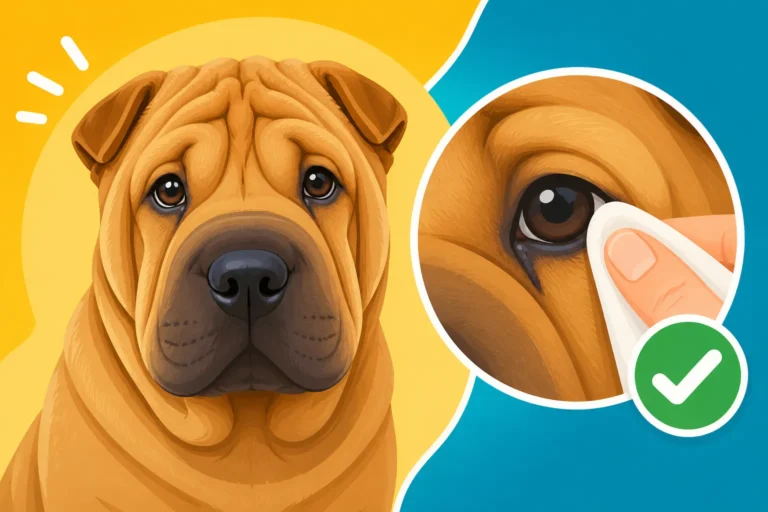
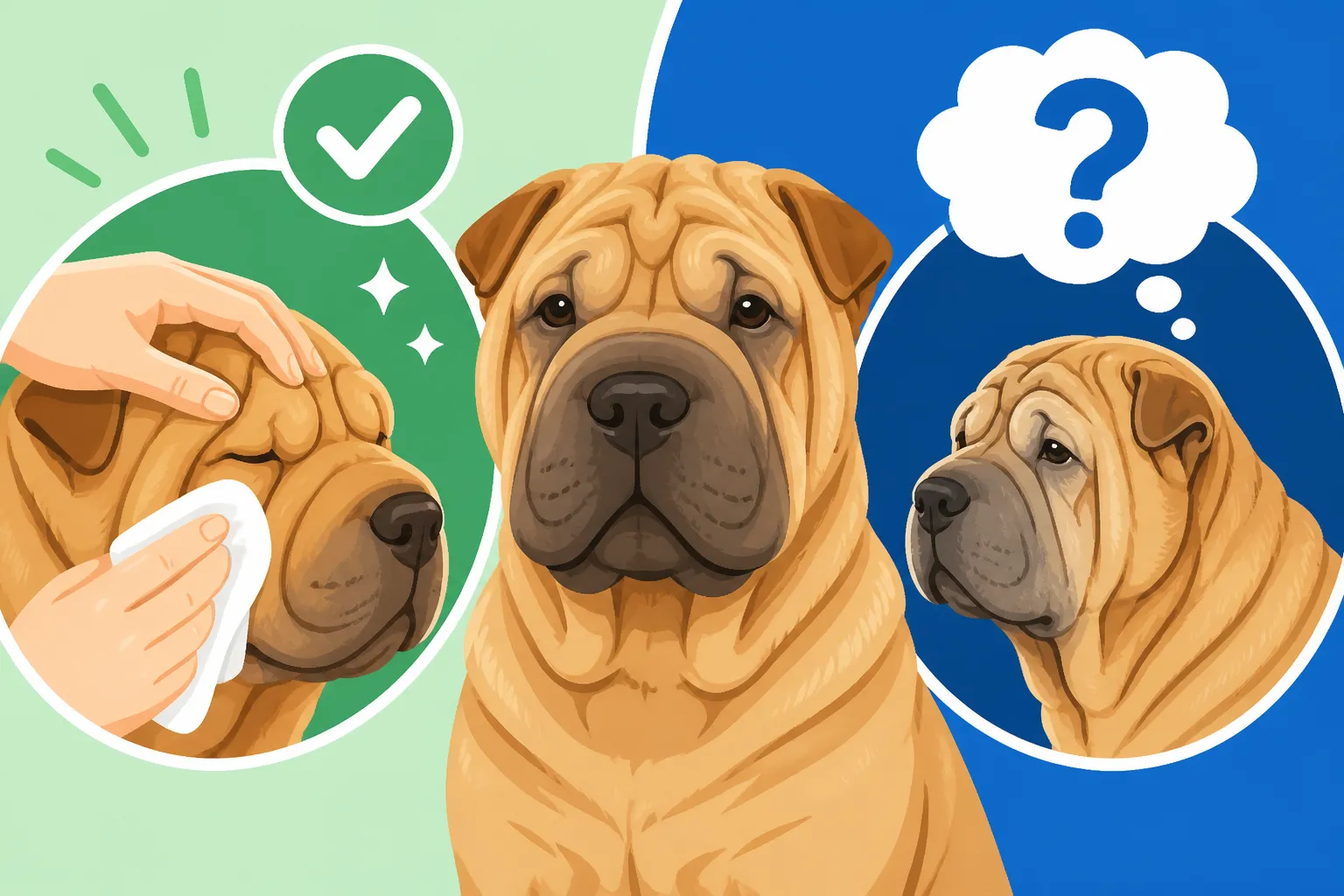
The cornerstone of all Shar Pei fold care, regardless of age, is keeping those areas clean and, perhaps even more critically, dry. For a senior Shar Pei, this often means being extra gentle. Their skin can be more fragile, and they might have less patience for rough handling. Use soft cotton rounds or gentle, unscented wipes specifically designed for pets. Avoid harsh chemicals, alcohol-based products, or anything that could further dry out or irritate their delicate skin. Many owners find chlorhexidine wipes or medicated wipes from their vet to be excellent for daily maintenance, especially if their dog is prone to yeast. You can often find a good selection of these on sites like Chewy or Amazon, making it easy to keep your supplies stocked.
When cleaning, gently lift each fold and wipe away any debris, moisture, or discharge. Start with the cleaner areas and move to potentially dirtier ones. Be patient, take breaks if your dog becomes anxious, and always follow up with a treat and praise. After cleaning, the drying step is paramount. Drying Is More Important Than Washing on a Shar Pei, especially for older dogs. Residual moisture is the enemy in those deep, warm folds. Use a clean, soft cloth or a piece of cotton to thoroughly blot each fold dry. You might even use a cool setting on a hairdryer for a few seconds to ensure every crease is completely dry, but be careful not to overheat or startle your dog. Some owners swear by a light dusting of cornstarch or vet-approved drying powder in particularly moist areas, but always consult your vet first to ensure it's appropriate and won't exacerbate any existing issues.
Products That Can Help
Having the right tools in your arsenal makes daily fold care much easier and more effective. Beyond the gentle wipes mentioned, your veterinarian might recommend specific medicated solutions or ointments if your Shar Pei is prone to certain types of infections. For example, if yeast is a recurring issue, they might prescribe an antifungal cream or a cleansing solution with antifungal properties. For bacterial dermatitis, a topical antibiotic might be needed. Always follow your vet's instructions carefully.
Beyond direct medicated treatments, consider products that support overall skin health. Omega-3 fatty acid supplements can help improve skin barrier function and reduce inflammation. Some high-quality dog foods, like those offered by Ollie, focus on fresh ingredients and balanced nutrition, which can contribute to better skin health from the inside out. Your vet might also suggest a hypoallergenic diet if allergies are suspected to be contributing to skin fold issues. Regular nail trims, which can be part of Nails, Teeth and the Small Jobs on a Shar Pei, also prevent your dog from accidentally scratching and irritating their folds further during an itch. These aren't just about treating symptoms but proactively supporting your senior Shar Pei's health to prevent future problems. Remember, consistency is key, and even on days when your dog seems perfectly fine, How Often a Shar Pei's Folds Need Cleaning usually means daily or every other day, depending on the individual.
When to Seek Veterinary Advice
Even with the most diligent home care, issues can sometimes arise or worsen, especially in senior Shar Pei. Knowing when to stop trying home remedies and reach out to your veterinarian is crucial for your dog's comfort and long-term health. Delaying professional intervention can turn a minor irritation into a serious infection, leading to more discomfort for your beloved companion and more complex treatment down the line.
Persistent Issues and Worsening Symptoms
If you notice any signs of irritation, redness, discharge, or odor that don't improve within a day or two of consistent cleaning, it's time to call your vet. Do not wait. This is particularly important if the area appears painful to your dog, if they become lethargic, or if they develop a fever. Signs like increasing swelling, a worsening smell, or the skin looking raw and broken indicate that the infection is progressing. A common issue like Skin Fold Dermatitis on a Shar Pei can become much more severe if left untreated, leading to deep pyoderma (bacterial skin infection) which can be very difficult to resolve.
Your vet will be able to properly diagnose the type of infection (bacterial, yeast, or both) and prescribe targeted treatments, which might include oral antibiotics or antifungals in addition to stronger topical medications. They may also need to perform a cytology (taking a swab from the affected area to examine under a microscope) or even a culture to identify the exact organisms causing the problem and determine the most effective treatment. Trying to guess and treat severe infections at home not only causes your dog prolonged suffering but can also lead to antibiotic resistance, making future treatments less effective.
Regular Check-ups and Proactive Management
Regular veterinary check-ups are always important, but they take on an elevated significance for senior Shar Pei. During these visits, your vet can conduct a thorough examination of all their skin folds, checking areas you might struggle to reach or inspect fully, such as the tail pocket or deep under their jowls. These check-ups are an excellent opportunity to discuss any changes you've noticed in their skin, coat, or general health. Proactive management is the best defense against severe fold issues.
Beyond reactive treatment, your vet can help you establish a preventative routine tailored to your older Shar Pei's specific needs. They might recommend specific medicated shampoos or wipes, dietary adjustments, or supplements to bolster their skin and immune health. For a breed already predisposed to unique health concerns, a strong partnership with your vet is invaluable for Caring for a Shar Pei Past Seven. Don't hesitate to voice your concerns or ask for demonstrations on the best cleaning techniques for particularly tricky folds. Early detection and consistent care, guided by professional advice, will ensure your senior Shar Pei remains as comfortable and healthy as possible, enjoying their golden years with you, wrinkles and all.
Disclaimer
This article is for general informational purposes only and does not constitute professional advice. Laws, prices and regulations vary by location and change over time. Consult a qualified professional for guidance on your specific situation.