Whether a Shar Pei’s Muzzle Wrinkles Trap Food
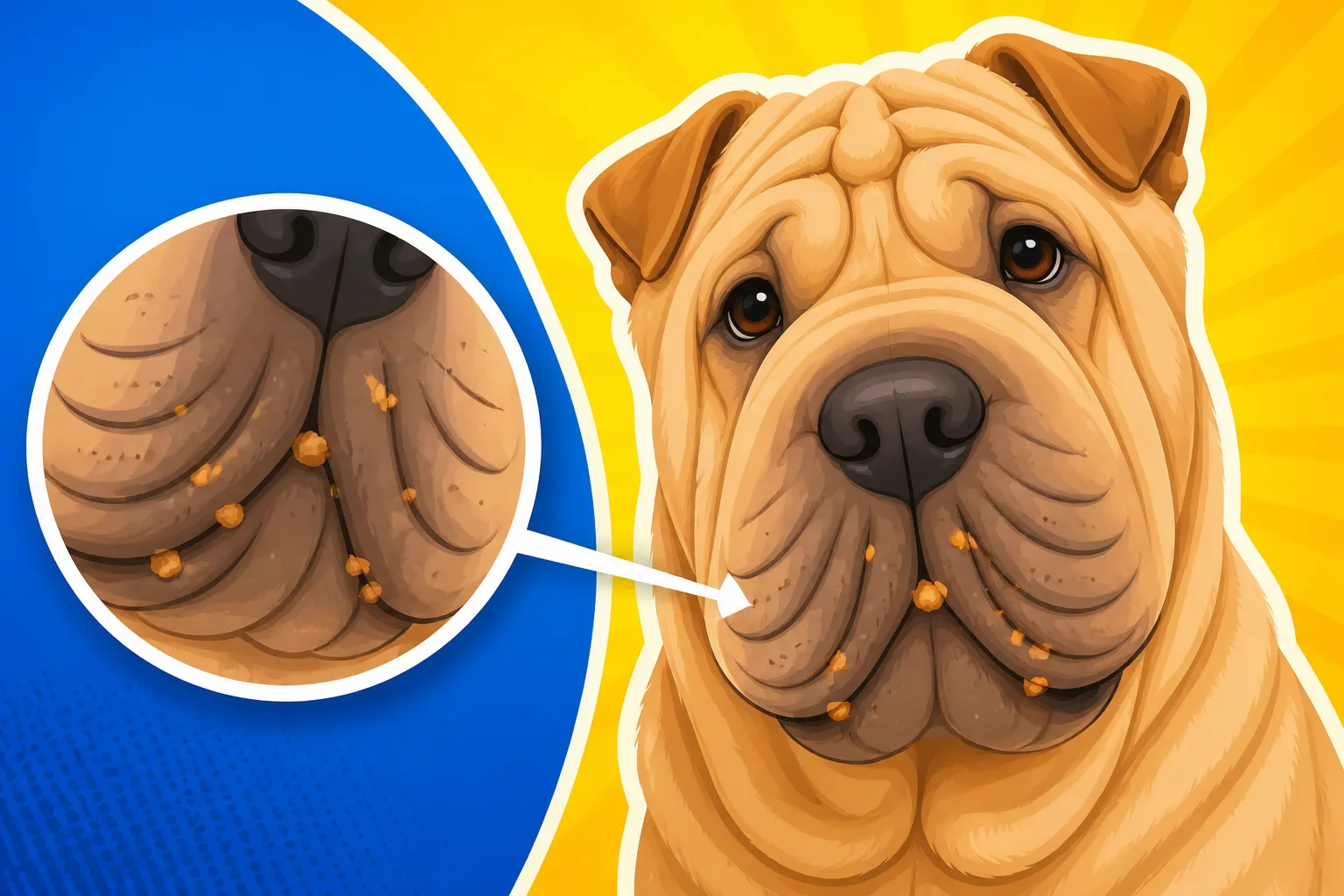
If you're a Shar Pei owner, you've probably experienced the familiar frustration of finding bits of kibble, remnants of wet food, or even stray crumbs lodged deep within your beloved pup's adorable, wrinkly muzzle. It's not just a messy inconvenience; those hidden food particles can quickly become a breeding ground for bacteria and lead to uncomfortable skin issues. This comprehensive guide will explore why your Shar Pei's unique facial structure is so prone to trapping food, the potential problems this can cause, and practical, actionable steps you can take to keep their muzzle clean and healthy.
The Anatomy of a Food-Catching Muzzle
The Shar Pei's most defining characteristic, its wrinkles, are also the source of some unique care challenges. While those deep folds are undeniably charming, they create natural pockets and crevices that can easily collect food, moisture, and debris. Understanding this unique anatomy is the first step in effective management.
Understanding the Shar Pei's Unique Muzzle Folds
Shar Pei are known for their distinctive "meat mouth" or "bone mouth" types, though the heavily wrinkled "meat mouth" is often what people picture. This type features a broad, padded muzzle with very pronounced wrinkles, sometimes so deep they completely obscure the dog's lips and even part of their eyes. These dramatic folds aren't just superficial; they create intricate labyrinths where food can easily become lodged and go unnoticed. When your Shar Pei dips its face into a food bowl, kibble or wet food can get pressed into these tight spaces, especially around the jowls and under the lower lip. It's a design that, while endearing, wasn't exactly optimized for neat eating! We've discussed Whether a Meat Mouth Shar Pei Has a Padded Muzzle before, and it's this padding that creates the food-trapping effect.
Beyond the visible folds, the texture of the skin within these crevices can also play a role. It's often slightly moist and warm, creating an ideal environment for anything organic to stick. Think about how difficult it can be to clean crumbs out of the tiny nooks and crannies of a child's high chair – now imagine that, but on a living, moving dog who'd much rather be napping than having their face wiped. The depth and number of these folds vary greatly from dog to dog, with some having a relatively smooth muzzle and others boasting a formidable array of skin rolls that seem to defy gravity, all of which present unique cleaning challenges for their owners.
How the Coat Type Influences Food Trapping
While the wrinkles themselves are the primary factor, your Shar Pei's coat type can subtly influence how much food gets trapped and how easily it can be removed. Shar Pei typically come in three main coat types: horse coat, brush coat, and the rarer bear coat. The horse coat is very short, coarse, and bristly, feeling almost like sandpaper. The brush coat is slightly longer, softer, and smoother. Bear coats are longer and fluffier, though they are not recognized by all breed standards.
A horse coat, with its stiff, short hairs, might seem less likely to trap food than a longer coat, but those bristles can sometimes act like tiny hooks, holding onto small particles more tenaciously. Plus, the coarseness of the horse coat might make wiping away stuck-on, dried food a bit more challenging without causing skin irritation. On the other hand, a brush coat, being a bit softer, might allow food particles to embed themselves more easily if the folds are deep and moist, making it a sticky situation. The key isn't necessarily which coat traps more but how readily that trapped food can be removed before it becomes a problem. Regardless of coat type, the underlying principle holds true: Every Fold on a Shar Pei Is a Place Something Grows, and food debris is no exception.
Common Culprits: What Gets Stuck and Why It Matters
It's not just that food gets stuck, but what kind of food, and the very real health implications that can arise if those lingering bits aren't addressed. It goes beyond just a bit of a stale smell; serious issues can develop right under their nose.
Types of Food Most Likely to Get Trapped
The usual suspects are, predictably, anything wet, sticky, or finely textured. Wet dog food, with its soft, malleable consistency, is a prime offender. It can easily smear into the deep crevices, drying into a hard, crusty mess that's tough to dislodge. Gravy-rich kibble, or even dry kibble moistened with water or broth, can also cling to the folds and the surrounding fur. When kibble gets softened by saliva during eating, it becomes more pliable and readily lodges itself.
Then there are treats – oh, the glorious, messy treats! Soft, chewy treats, dental chews, or anything sticky like peanut butter (a common hiding spot for medication) can be particularly problematic. Bits can break off and adhere stubbornly to the skin, potentially leading to bacterial growth or irritation. Even seemingly harmless water, especially after vigorous drinking, can contribute to moisture buildup in the folds, exacerbating any existing skin issues or creating a welcoming environment for yeast and bacteria to flourish. It’s a constant battle, and it's easy to feel defeated when your meticulously cleaned Shar Pei dives face-first into their next meal, instantly undoing your hard work.
The Hidden Dangers of Lingering Food Debris
Leaving food in your Shar Pei's muzzle folds isn't just unsightly; it can lead to a host of health problems. The warm, moist, dark environment created by the folds is a perfect breeding ground for bacteria and yeast. This can quickly result in a skin infection known as skin fold dermatitis or pyoderma. Symptoms include redness, inflammation, itching, a foul odor, and even hair loss around the affected areas. Your dog might scratch or rub their face excessively, making the irritation worse. This is just one of the many reasons why What a Shar Pei's Skin Tells You Before Its Behavior Does is so important; changes around the muzzle folds can be early warning signs.
Beyond skin infections, chronic moisture and irritation can also cause discomfort and pain. Imagine having a persistent rash or open sore on your own face – it would be miserable! Lingering food particles can also contribute to dental issues if they remain close to the gums, encouraging plaque and tartar buildup. And let's be honest, the smell can be pretty unpleasant for both you and your dog. A Shar Pei's natural odor is already distinct, but a sour, yeasty smell emanating from their face is a clear indicator that something needs attention. If not managed, these issues can escalate, requiring veterinary intervention, including antibiotics or antifungals, which are both costly and can be stressful for your pup.
Practical Strategies for a Cleaner, Healthier Muzzle
Taking a proactive approach to your Shar Pei's muzzle care is essential. It requires consistency, patience, and the right tools, but it's a vital part of keeping them comfortable and preventing more serious problems down the line.
Post-Meal Cleaning Routines
Establishing a regular post-meal cleaning routine is the single most effective way to prevent food buildup and subsequent skin issues. Ideally, after every meal, you should gently wipe your Shar Pei's muzzle folds. For simple food residue, a soft, damp cloth or a pet-safe wipe will often suffice. Brands like Amazon often carry various pet wipes specifically designed to be gentle on sensitive skin. Make sure the wipes are free of harsh chemicals, alcohol, or strong perfumes. You want something hypoallergenic and soothing.
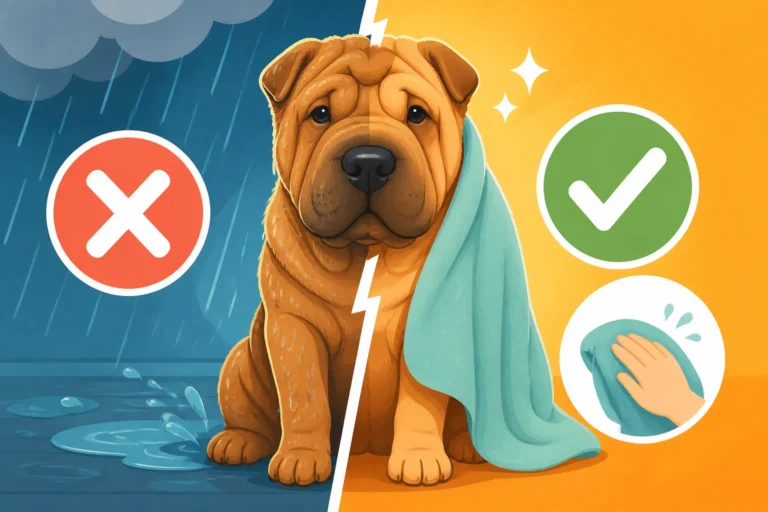
For deeper cleaning, especially if you notice stickier residue or a slight odor developing, you might need a mild, vet-approved antiseptic wipe or a cotton ball dampened with a dilute chlorhexidine solution (always consult your vet for recommendations on medical cleansers). Gently lift each fold and wipe thoroughly to remove all traces of food and moisture. After cleaning, it's crucial to dry the area completely with a soft, clean cloth or even a cotton pad. Dampness encourages bacterial and yeast growth, undoing all your good work. Remember, Whether a Shar Pei Needs Its Face Dried After Drinking is just as important as after cleaning! Consistency is key; a quick wipe-down might seem tedious, but it saves a lot of heartache (and vet bills) later.
Feeding Techniques and Bowl Choices to Minimize Mess
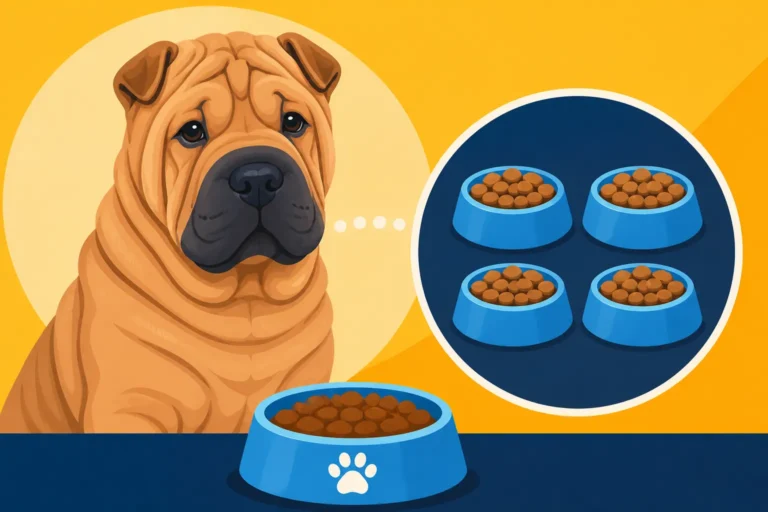
Believe it or not, how your Shar Pei eats and what they eat from can make a significant difference in how much food gets caught in their wrinkles. Start by considering their eating speed. If your Shar Pei is a "gobbler," they're more likely to make a mess. Using a slow-feeder bowl can encourage them to eat more slowly and deliberately, reducing the amount of food that gets flung around or deeply embedded. Brands like Chewy offer a wide selection of slow-fefeeder bowls in various designs and materials.
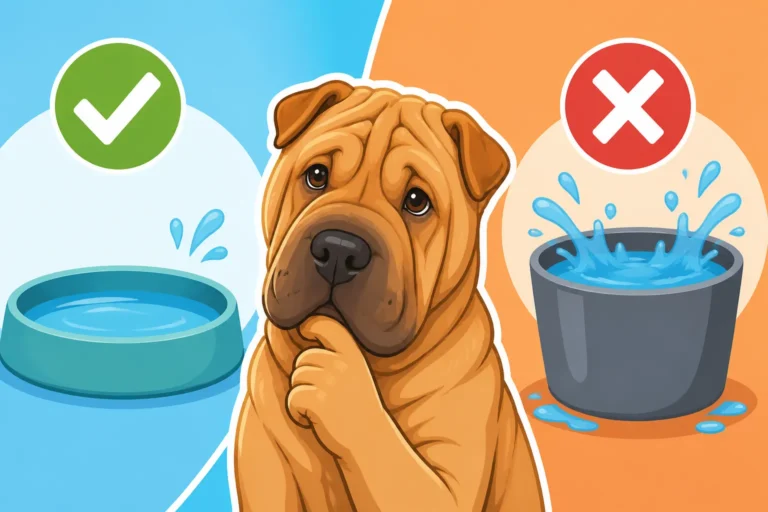
The shape and depth of the bowl itself also matter. Shallow, wide bowls can sometimes reduce the depth your Shar Pei has to bury their face into, potentially lessening the contact with the deepest folds. Some owners even find that elevated bowls, which bring the food closer to mouth level, can help. This prevents your dog from having to bend down excessively, which can push muzzle wrinkles together and create deeper traps. Consider flat plates or dishes rather than deep bowls for wet food. For water, we often discuss Whether a Shar Pei's Water Bowl Should Be Shallow to help prevent excessive wetting of the muzzle. Experiment with different bowl types to see what works best for your individual Shar Pei.
Dietary Considerations and Their Impact
The type of food you feed your Shar Pei can also impact how much mess ends up in their wrinkles. Dry kibble is generally less messy than wet food. If you feed wet food, consider how you serve it. Mashing it thoroughly before offering it can make it less likely to break into large, sticky chunks that cling to fur and folds. Some owners opt for a slightly drier kibble texture or mix wet food with kibble in a way that creates less "stickiness."
For Shar Pei prone to skin issues, including those around the muzzle, dietary choices become even more critical. Food allergies or sensitivities can manifest as skin inflammation, itching, and increased moisture, making the muzzle folds even more susceptible to infection. If your Shar Pei is experiencing recurrent skin fold dermatitis, especially around the face, it might be worth exploring a limited ingredient diet or a novel protein diet. We've talked about Feeding a Shar Pei That Reacts to Its Food in detail, and addressing potential allergies through diet can alleviate overall skin irritation, making the muzzle folds less reactive and easier to keep clean. Consulting with your veterinarian or a veterinary nutritionist can help you determine the best dietary approach for your specific dog.
Proactive Care and Prevention
Beyond daily cleaning, a comprehensive approach to muzzle health involves regular inspections and knowing when to escalate concerns to a professional. Preventative care is always easier (and less expensive) than treating a full-blown infection.
Regular Facial Fold Inspections and Maintenance
Think of your Shar Pei's muzzle folds as tiny, individual ecosystems that need constant monitoring. At least once a day, and ideally more frequently if your dog is particularly wrinkly or messy, take a moment to gently lift and inspect each fold. Look for any signs of redness, swelling, discharge (especially if it's yellow, green, or dark brown), or a foul odor. Note any changes in the skin texture, such as increased moisture or a greasy feel. This routine inspection is crucial because early detection of issues means easier treatment.
When you're inspecting, make sure to get right down into the deepest parts of the folds. It's often where problems start unnoticed. You can use your fingers (clean hands, of course!) or a soft, blunt probe if you're careful, to gently part the skin. Some owners even use a small flashlight to get a better view. Maintaining these folds isn't just about cleaning food; it’s about general hygiene. We cover How Often a Shar Pei's Folds Need Cleaning in more depth, highlighting that daily attention is often necessary, sometimes even twice a day depending on the individual dog's activity and wrinkle depth. Regular maintenance, including gentle cleaning with appropriate products like those found on Amazon or Chewy, can prevent minor irritations from becoming major problems.
When to Seek Veterinary Advice for Persistent Issues
While routine cleaning and preventive measures are incredibly effective, there will be times when you need professional help. If you notice persistent redness, significant discharge, an increase in odor despite regular cleaning, pain when you touch the area, or if your Shar Pei is constantly rubbing or scratching their face, it’s time to call your vet. These can be clear Signs a Shar Pei's Fold Has Turned into a more serious infection that requires medical intervention.
A veterinary visit will likely involve a thorough examination of the folds, potentially a skin scrape or culture to identify the specific bacteria or yeast causing the problem, and then appropriate medication. This could include prescription medicated wipes, topical creams, oral antibiotics, or antifungals. Don't try to self-diagnose or treat severe infections at home, as this can delay effective treatment and lead to more discomfort for your dog. Your vet can advise on the best course of action and confirm Whether a Shar Pei's Fold Infection Needs Antibiotics or other specific treatments. They can also offer guidance on long-term preventative strategies tailored to your Shar Pei's unique needs, ensuring their beautiful, wrinkled muzzle stays as healthy as possible.
Disclaimer
This article is for general informational purposes only and does not constitute professional advice. Laws, prices and regulations vary by location and change over time. Consult a qualified professional for guidance on your specific situation.