Which Colors a Shar Pei Comes In
One of the most immediate things that catches your eye with a Shar Pei, beyond those distinctive wrinkles, is their unique coat color. For many prospective owners, it's a huge point of curiosity, and sometimes, a bit of confusion, wondering what the "official" colors are and if those stunning "rare" shades are actually legitimate. This guide will help demystify the rich tapestry of Shar Pei colors, from the standard hues to the dilute varieties and even the patterns that sometimes spark debate.
The Spectrum of Standard Shar Pei Colors
When you first start looking into Shar Pei, you'll quickly realize there's a whole rainbow of possibilities, though not all are recognized by every kennel club. The standard colors are those that have been established for the breed, representing the traditional and accepted appearances. These are the colors you'll most commonly see and that breeders registered with reputable organizations will focus on.
Solid and Self-Colored Shar Pei
Most Shar Pei you encounter will be what's called "self-colored," meaning their entire coat, from nose to tail, is essentially one solid hue, without prominent patches or distinct patterns. This uniformity is highly prized in the breed standard for many kennel clubs. Think of it like a beautifully painted canvas, where the texture of the wrinkles catches the light, but the underlying color is consistent. These dogs often have a striking, dignified presence that really allows their unique physical structure to shine. It's not just about what color they are, but how that color presents itself across their distinct wrinkled form. The depth and richness of these solid colors can vary greatly, even within the same shade, depending on genetics and even how well-conditioned their coat is.
This self-coloring also extends to their pigment. A true self-colored Shar Pei should have complementary pigment on their nose, paw pads, and eyelids, which darkens and enhances their overall appearance. For instance, a black Shar Pei will have a black nose, while a fawn dog might have a black or sometimes a self-colored nose that harmonizes with its coat. This attention to detail in pigmentation is another hallmark of a standard, well-bred Shar Pei. It's a subtle but important aspect that contributes to the breed's overall distinctive look, proving that it's not just about the large swathes of color, but also the finer points of their presentation.
Recognizing Fawn and Red Hues
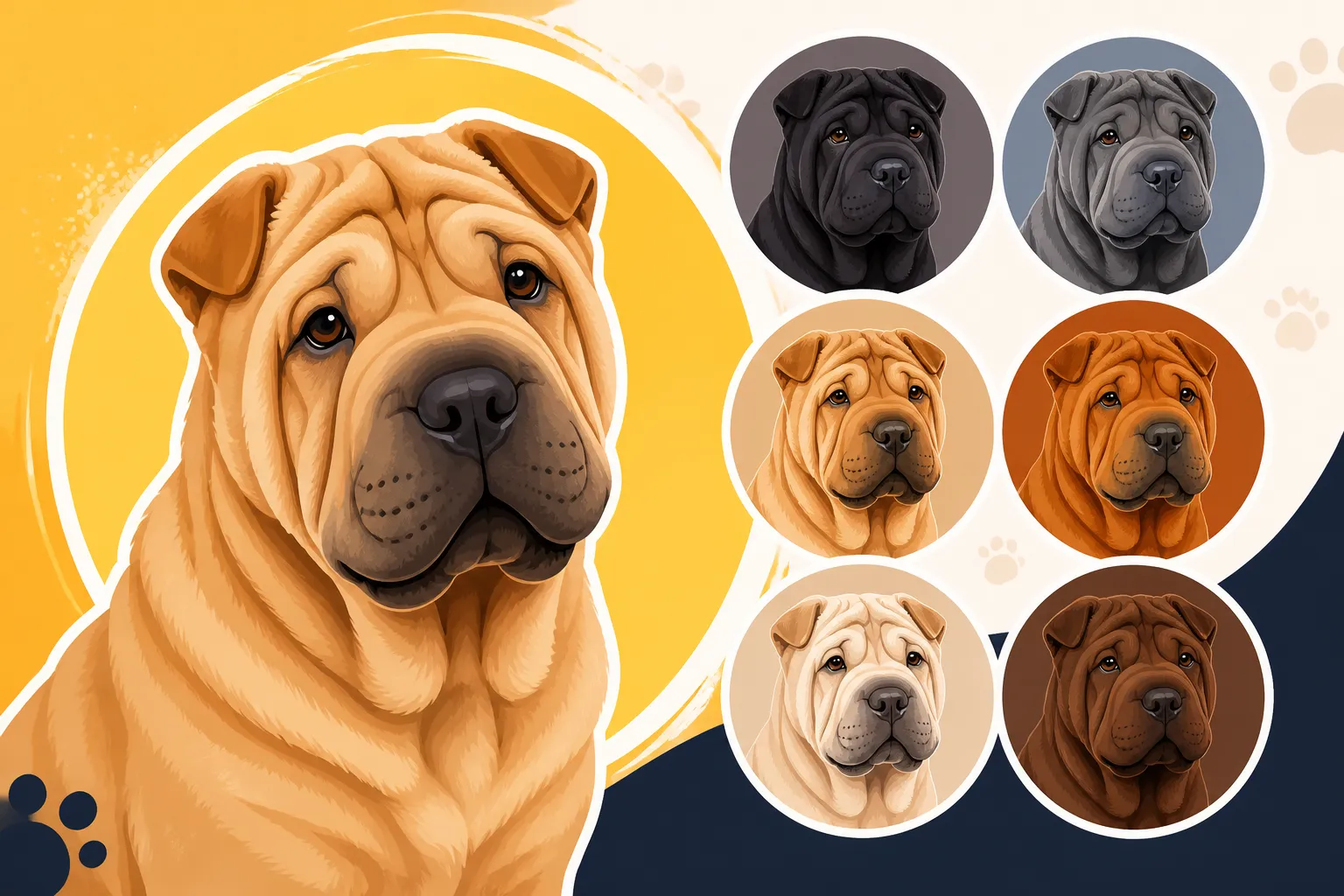
Fawn is probably one of the most classic and recognizable Shar Pei colors. It’s a beautiful, soft beige or tan, reminiscent of a deer's coat. Fawn Shar Pei can range from a very light, almost sandy shade to a deeper, richer golden tan. It’s a warm color that seems to capture the sunlight beautifully and often highlights the depth of their wrinkles. These dogs often have a black nose and dark eyes, which create a lovely contrast with their lighter coat. You might notice some fawn Shar Pei have a slightly darker muzzle or ears, a subtle shading that adds dimension without breaking the overall self-colored appearance.
Red Shar Pei, on the other hand, are like a bolder, deeper version of fawn. Imagine a sunset or a burnished copper pot – that's the kind of rich, vibrant color a red Shar Pei can display. These dogs are truly stunning, with their coats ranging from a brilliant reddish-brown to a deep mahogany. Like fawn, red Shar Pei typically have dark pigmentation on their nose and eye rims, providing that essential contrast. Sometimes, a red Shar Pei might have some darker hairs interspersed, especially along their back or tail, but the overall impression is still one of a solid, self-colored dog. The intensity of their red can vary seasonally or even with age, with some dogs deepening in color as they mature.
Black, Cream, and Apricot Variations
Black Shar Pei are incredibly striking and possess a certain regal elegance. Their coats should be a deep, uniform black, often with a glossy sheen that catches the light over their distinctive wrinkles. There should be no rust or brown tones in a truly black Shar Pei's coat; it should be a pure, intense black from root to tip. Their nose, eye rims, and paw pads will also be black, creating a monochromatic yet powerful visual. Sometimes, in direct sunlight, you might catch a very subtle underlying reddish tint, but the dominant color remains unequivocally black. These dogs really stand out in a crowd and have a timeless appeal.
Cream Shar Pei offer a softer, more delicate aesthetic. Their coats are a light, uniform off-white or very pale tan, without any yellow or golden tones. Think of fresh cream or parchment. Sometimes, their noses can be self-colored (light) rather than black, which can be a point of discussion among breeders, but a black nose is generally preferred for contrast and a more defined expression. Whether a Shar Pei Puppy's Color Changes can be a concern for cream Shar Pei owners, as sometimes a very pale fawn puppy might be mistaken for a cream, only to darken slightly with age. Proper cream dogs will maintain their cool, pale hue.
Apricot Shar Pei fall somewhere between a deep cream and a light fawn. They have a warm, golden-orange hue, like the fruit itself. It's a sunny, inviting color that's distinct from the more subdued fawn or the starker red. Apricot coats are often seen with a black nose and dark eyes, providing a pleasing contrast. Just like with fawns and reds, the intensity of apricot can vary, but it always carries that unmistakable warm, golden undertone. It’s a beautiful and popular color that combines the best aspects of lighter and richer hues, standing out without being as bold as a true red.
Understanding Dilute Colors in Shar Pei
Beyond the standard colors, there’s a fascinating world of dilute colors in the Shar Pei breed. These colors are not simply lighter versions of the standard hues; they are the result of specific genetic modifiers that reduce the intensity of pigment in the coat, nose, and eyes. Understanding dilution is key to appreciating these unique variations and recognizing what makes them different from their standard counterparts.
What Exactly is a Dilute Shar Pei
A dilute Shar Pei is a dog that carries a specific recessive gene, often referred to as the "dilute gene" or "d-locus." This gene essentially "dilutes" or lightens the dog's base coat color. So, a black Shar Pei that also carries two copies of the dilute gene will appear blue. A red or fawn Shar Pei with two copies of the dilute gene will often present as an Isabel or sometimes a chocolate. The key characteristic of a dilute dog, beyond its coat color, is its unique pigmentation: its nose, paw pads, and eye rims will also be diluted. For instance, a blue Shar Pei will have a slate-grey or blue nose, not a black one. What a Dilute Shar Pei Is can be quite complex to explain genetically, but visually, it's about that softer, lighter presentation of color across all pigmented areas.
This dilution isn't a defect or a health problem in itself, but it does change the overall appearance significantly. It’s important for prospective owners to understand that these colors are genetically distinct and aren't simply "washed out" versions of standard colors. They have their own vibrant, albeit softer, palette. Breeders who work with dilute lines understand the genetics involved and can predict which colors might appear in a litter based on the parents' genetic makeup.
Blue Shar Pei: A Stunning Dilute Shade
The blue Shar Pei is perhaps one of the most sought-after and visually striking dilute colors. Instead of a solid black, these dogs have a beautiful slate-grey or charcoal blue coat. The color can range from a light silver-blue to a deep, rich gunmetal shade, often appearing incredibly luxurious and velvety. What truly sets a blue Shar Pei apart is their complementary blue or slate-grey nose, eye rims, and paw pads. This uniformity of dilute pigmentation is what defines a true blue.
The mystique around blue Shar Pei is undeniable, and their unique appearance often draws a lot of attention. However, it's important to remember that while stunning, "blue" is a dilute of black. It’s not a separate base color, but a modification of an existing one. Reputable breeders will be transparent about the genetics behind these colors and often health test their dogs rigorously, regardless of coat color. Whether a Blue Shar Pei Is Recognized varies by kennel club. Some fully accept blue as a standard color, while others might classify it differently, often due to historical breed standards that predate a full understanding of color genetics. Always check with your local breed club for their specific guidelines.
Isabel and Chocolate: Other Dilute Possibilities
While blue is the most well-known dilute, there are other dilute variations that are equally captivating. Isabel, for example, is the dilute form of fawn or red. An Isabel Shar Pei will have a very pale, almost silvery-cream coat, sometimes with a hint of pinkish-beige, and critically, a self-colored (light grey or pinkish-brown) nose and paw pads. They don't have the dark pigment you'd expect on a standard fawn or red dog. The eyes of an Isabel Shar Pei are often lighter as well, sometimes amber or light brown, which adds to their ethereal appearance. These dogs truly look unique, as if they've been brushed with moonlight.
Chocolate Shar Pei are another intriguing dilute color. This is the dilute of a red or brown base coat, resulting in a rich, warm brown that can range from a milk chocolate shade to a deep, dark bitter chocolate. Like all dilutes, the chocolate Shar Pei's nose, eye rims, and paw pads will match their coat color, appearing brown rather than black. This uniform brown pigmentation is what distinguishes them from a red Shar Pei that might simply have a very dark, reddish-brown coat. While less common than blue, chocolate Shar Pei are gaining recognition for their deep, luxurious hue and distinct appearance. These dilute colors prove that the Shar Pei palette is far more expansive than just the basic solid shades.
Patterns, Markings, and the "Flowered" Debate
Beyond the solid and dilute colors, some Shar Pei can exhibit patterns or markings that add another layer of complexity to their appearance. While some of these are accepted, others are considered non-standard and often spark lively discussions among breed enthusiasts and conformation judges.
Brindle and Saddle Markings
Brindle is a striking pattern characterized by streaks or stripes of one color on a background of another, typically darker stripes on a lighter base. Think of a tiger stripe pattern. In some dog breeds, brindle is a common and accepted variation. However, in the Shar Pei, true brindle patterning is not part of the breed standard as recognized by most major kennel clubs. While you might occasionally see a Shar Pei with a brindle-like appearance, these are often due to a mix of different colored hairs rather than a clear, defined brindle pattern like you'd see in a Boxer or a Greyhound. If a Shar Pei appears brindle, it often suggests an outcross in its lineage or a highly unusual genetic expression not typical for the breed.
Saddle markings, where a distinct patch of color covers the back like a saddle, are also not standard for the Shar Pei. The ideal Shar Pei is self-colored, meaning a uniform color across its entire body. Any distinct patches or markings, especially those that create a "saddle" effect, would be considered a deviation from the breed standard. This doesn't mean the dog is unhealthy or less deserving of love, but it does mean it wouldn't be competitive in conformation shows where adherence to the breed standard is paramount. The emphasis in Shar Pei is on the elegance of their solid color palette, whether standard or dilute, without additional patterns interrupting the flow.
The Controversial "Flowered" Pattern
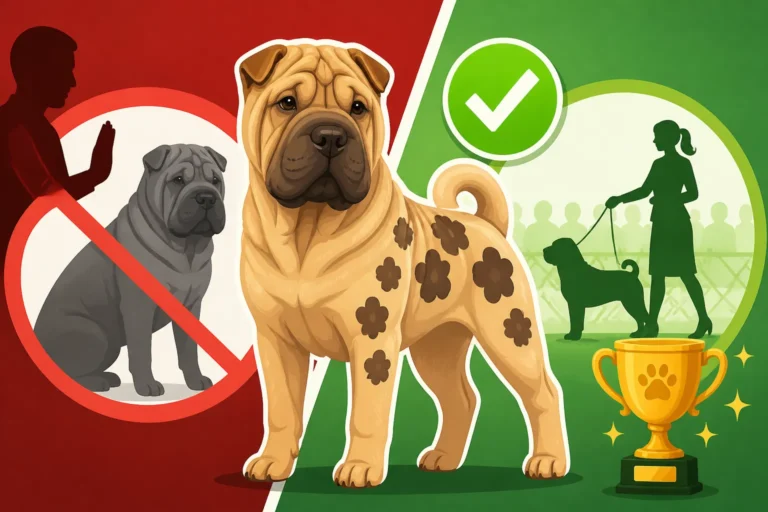
Ah, the "flowered" Shar Pei. This is where things get really interesting and often quite controversial. A "flowered" Shar Pei is a dog with large, distinct patches of white or light color on its body, breaking up the primary coat color. It's not just a small splash of white on the chest; it's significant areas of non-pigmented coat. Imagine a Shar Pei that is mostly fawn, but with large white "flowers" or patches on its sides, chest, or legs. While these dogs can be incredibly eye-catching and unique, this pattern is explicitly disqualified in the breed standard by most major kennel clubs, including the American Kennel Club (AKC).
The "flowered" pattern is generally considered a fault because it deviates so dramatically from the traditional self-colored ideal of the Shar Pei. For breed purists and those involved in showing, it indicates a departure from what the breed should physically represent. However, for pet owners, a flowered Shar Pei can be just as wonderful a companion. What a Flowered Shar Pei Can Be Shown is a question that breeders and owners interested in conformation must take seriously; generally, they cannot be shown. For those simply looking for a beloved family member, the color and pattern are purely aesthetic, and a flowered Shar Pei brings just as much joy and character. It really highlights the difference between breeding for standard and breeding for companionship.
Masking and Shading: Subtle Color Variations
While prominent patterns like brindle or flowered are non-standard, Shar Pei can exhibit more subtle color variations that are perfectly acceptable and even add to their charm. One such variation is "masking." A masked Shar Pei will have a darker shade of fur concentrated around its muzzle and sometimes extending up around its eyes, resembling a mask. This is most commonly seen in fawn or red Shar Pei, where a black or darker brown mask provides a beautiful contrast to their lighter body color. This masking is often considered desirable as it can enhance the dog's expression and define its features. It's a natural form of pigmentation that complements the overall coat.
"Shading" is another subtle variation. This refers to areas where the coat color gradually darkens or lightens, creating depth without forming distinct patterns. For instance, a fawn Shar Pei might have slightly darker shading along its back or tail, or a red Shar Pei might have deeper red areas on its ears or shoulders. This isn't a "pattern" in the sense of stripes or spots, but rather a natural gradation of color intensity. It adds richness and dimension to the coat and is quite common across many self-colored breeds. These subtle forms of natural variation are embraced as part of the beauty of a Shar Pei's coat, unlike the more dramatic, non-standard patterns.
How Shar Pei Coat Color Develops and Changes
The journey of a Shar Pei's coat color can be quite an interesting one, often starting with one shade in puppyhood and subtly transforming as they mature. This evolution is a natural process influenced by genetics, sunlight, and age, and it’s something every Shar Pei owner will witness.
Puppy Colors Versus Adult Hues
It’s a common sight to see a Shar Pei puppy with a coat that looks quite different from what it will be as an adult. Many puppies are born with darker, richer, or sometimes even lighter and fluffier coats than they will carry into maturity. For example, a black Shar Pei puppy might have a very deep, almost blue-black coat that then evens out or even develops a subtle sheen as they grow. Fawn puppies can appear quite pale, almost cream, only to deepen into a true fawn or even a vibrant red as their adult coat comes in. Whether a Shar Pei Puppy's Color Changes is a frequent question among new owners, and the answer is often a resounding "yes!"
This transition is especially noticeable with their signature wrinkles. A very wrinkly puppy might seem to have a more diffuse color due to the shadows and folds, but as they "grow into their skin" and some of those juvenile wrinkles smooth out, the true depth and uniformity of their adult color become more apparent. It's part of the charming transformation that these dogs undergo. Observing this change is one of the many joys of raising a Shar Pei from a young age, watching their personality and their appearance blossom over time.
Factors Influencing Color Change
Several factors can influence how a Shar Pei's color changes or presents itself throughout its life. Sunlight, for example, can have a bleaching effect on darker coats, sometimes causing black or dark red Shar Pei to develop a reddish tint if they spend a lot of time outdoors. Conversely, a lighter-colored dog might appear more vibrant after sun exposure. Diet and nutrition also play a role; a healthy, well-nourished dog with a shiny coat will often have a richer, more intense color than one with a dull or dry coat. High-quality food and supplements, like those found on Chewy, can support skin and coat health, which in turn reflects in the vibrancy of their color.
Age is another significant factor. As Shar Pei mature and enter their senior years, their coats can sometimes lighten or develop patches of grey, particularly around the muzzle and eyes, much like humans grey at the temples. This is a natural sign of aging and is common across many breeds. Illness or stress can also temporarily affect coat quality and color, sometimes causing dullness or changes in texture. It's always a good idea to monitor your Shar Pei's coat as an indicator of their overall health.
The Blue-Black Tongue: A Consistent Trait
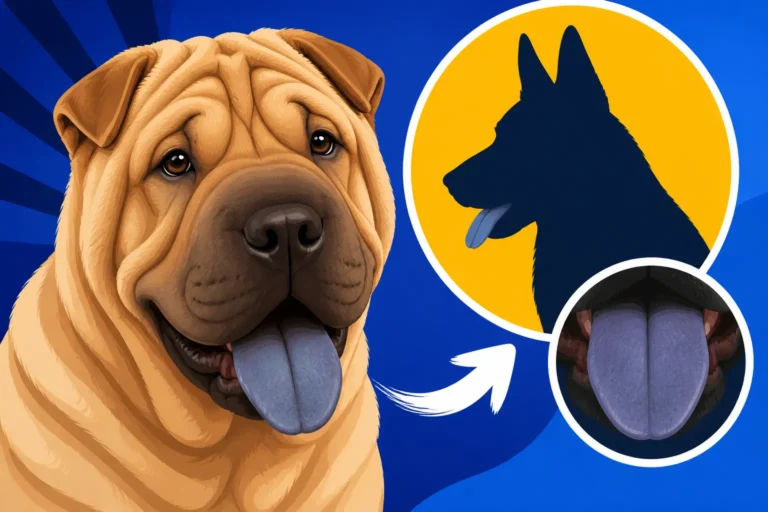
No matter the color of their coat, one of the most distinctive and consistent traits of a Shar Pei is their blue-black tongue. This isn't a pigment related to their coat color genetics; it's a unique characteristic they share with only one other breed, the Chow Chow. This dark pigmentation of the tongue and mouth extends to their gums and roof of their mouth, creating a striking contrast to most other dogs. It’s an ancient trait that has been present in the breed for centuries and is a hallmark of a purebred Shar Pei.
The intensity of the blue-black can vary, sometimes appearing more grey or lavender, especially in puppies, but it should always be distinctly dark. A Shar Pei with a pink or spotted tongue, while not necessarily unhealthy, would be considered a fault in the breed standard and might indicate an outcross in its lineage. The Blue Black Tongue a Shar Pei Shares With One Other Breed is a fascinating piece of canine history that links these two ancient Chinese breeds. It's a reminder that beneath all those wrinkles and unique colors, there are genetic characteristics that define the Shar Pei as truly special.
Beyond Aesthetics: Color and Health Considerations
While choosing a Shar Pei based on its stunning coat color is tempting, it's crucial to look beyond aesthetics and consider the health implications, or lack thereof, associated with certain colors. Responsible breeding always prioritizes health and temperament over superficial traits like "rare" colors.
Is a Dilute Shar Pei Less Healthy?
This is a common question, and often a source of misinformation. Generally speaking, a dilute Shar Pei (like a blue or Isabel) is not inherently less healthy than a standard-colored Shar Pei. The dilute gene itself, which causes the lighter pigmentation, does not directly cause health problems. The concerns that sometimes arise often stem from irresponsible breeding practices. When breeders prioritize "rare" dilute colors above all else, they might inadvertently narrow the gene pool too much, or breed dogs with underlying health issues simply because they carry the desired color gene.
However, there can be very specific, rare instances where the dilute gene is linked to a condition called Color Dilution Alopecia (CDA), primarily seen in blue Dobermans or dilute Great Danes. This condition causes hair loss and skin issues in affected dilute dogs. While possible in any dilute dog, CDA is not commonly associated with Shar Pei, and most dilute Shar Pei lead perfectly healthy lives with good skin and coats. Whether a Dilute Shar Pei Has More Skin Problems is a question that highlights the need for prospective owners to research specific lines and breeders, rather than making broad assumptions based on color alone. A well-bred dilute Shar Pei from health-tested parents should be just as robust as any other.
The Importance of Breeder Transparency
When you're looking for a Shar Pei, regardless of the color you're drawn to, the transparency and ethical practices of the breeder are paramount. A responsible breeder will prioritize the health and temperament of their dogs above all else, and they will be open and honest about the lineage, health testing, and potential genetic predispositions of their puppies. They won't use terms like "rare" or "exclusive" to inflate prices or create artificial demand for certain colors. Instead, they'll educate you on the breed standard, the genetics behind the colors they produce, and most importantly, the comprehensive health screening undertaken for their breeding stock.
A good breeder will readily discuss any known health issues in their lines, such as Shar Pei Fever or skin sensitivities, and will provide documentation of health clearances for the parents. They should be able to explain why they choose certain pairings and what their breeding goals are. They understand that a Shar Pei's health bills can be considerable over its lifetime, so they aim to produce the healthiest puppies possible. For example, they'll confirm that puppies have been checked for common issues like entropion, and that parents have been screened for hip and elbow dysplasia, thyroid function, and kidney health. Finding a breeder who will share a dog's health history, including any instances of Shar Pei fever, is crucial for any responsible pet parent.
Prioritizing Health Over "Rare" Colors
It's natural to be captivated by a Shar Pei with a unique or unusual coat color, but it's vital to remember that a "rare" color does not equate to a healthier or more valuable dog. Often, "rare" can simply mean that the color is not recognized by breed standards, or that it’s the result of non-standard genetics that may or may not come with associated health risks if not bred carefully. When you see a breeder marketing puppies primarily on their "rarity" or unique color, it should raise a red flag. These breeders might be less focused on critical health testing and genetic diversity, and more on appealing to a niche market.
Instead, prioritize breeders who focus on breeding healthy dogs with sound temperaments, adhering to the breed standard, and performing all recommended health screenings. A healthy Shar Pei, regardless of its coat color, will bring many more years of joy and companionship than a "rare" colored dog plagued by preventable health issues. Seek out breeders who are members of their national Shar Pei club, who participate in dog sports or conformation, and who have a long-standing reputation for producing well-adjusted, robust dogs. Websites like Chewy, while great for supplies, aren't the place to find a reputable breeder, but they can be a great resource for special foods or supplements that support your Shar Pei's health throughout its life, regardless of its color. Remember, the true value of a Shar Pei lies in its character, its health, and the bond it forms with its family, far more than in the shade of its coat.
Summary of Shar Pei Colors
To help clarify the various colors and their status, here's a brief overview:
| Color Category | Examples | Nose Color | AKC Status (General) | Notes |
|---|---|---|---|---|
| Standard | Black, Fawn, Red | Black | Accepted | Uniform, solid color throughout the coat. Nose, eye rims, and paw pads are typically black, providing contrast. |
| Standard | Cream, Apricot | Black (preferred) | Accepted | Cream is very pale, cool-toned. Apricot is a warmer, golden-orange. Pigmentation should be dark for contrast. |
| Dilute | Blue | Slate/Blue | Accepted (by most) | Dilution of black, resulting in a greyish-blue coat. Nose, eye rims, and paw pads are slate/blue. |
| Dilute | Isabel, Chocolate | Self-colored | Accepted (by most) | Isabel is dilute fawn/red, very pale cream with self-colored nose. Chocolate is dilute brown/red, rich brown coat with brown nose. |
| Non-Standard | Flowered, Brindle | Varies | Disqualified | Flowered has large white patches. Brindle has stripes. Both are considered serious faults in conformation and indicate deviation from the breed standard. |
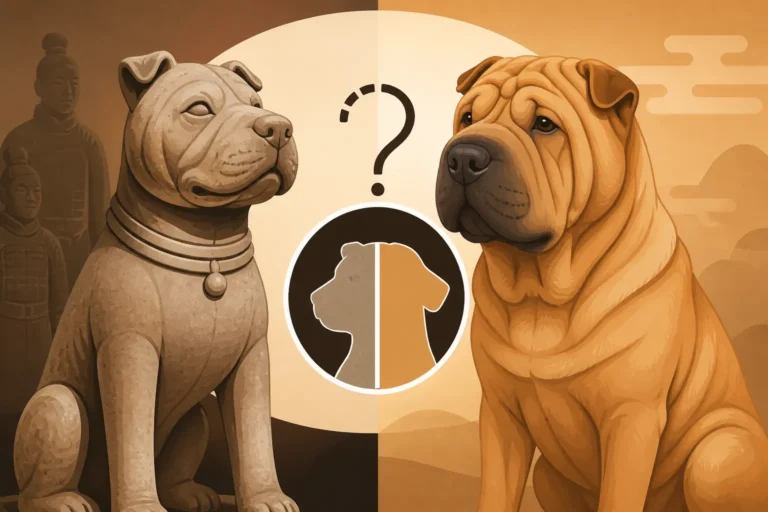
This table provides a quick glance at what to expect when discussing Shar Pei colors with breeders and enthusiasts. Remember that Whether the Shar Pei Standard Differs Between Countries might lead to slight variations in what's accepted by different kennel clubs globally, so always check local regulations.
Disclaimer
This article is for general informational purposes only and does not constitute professional advice. Laws, prices and regulations vary by location and change over time. Consult a qualified professional for guidance on your specific situation.