Whether a Shar Pei Owner Needs an Emergency Fund
It’s a tough reality that owning a Shar Pei, while incredibly rewarding, often comes with a financial rollercoaster, especially when unexpected health issues pop up. That sudden, terrifying sprint to the emergency vet can leave you not only worried sick about your beloved dog but also reeling from the astronomical bill. This guide will delve into why a dedicated emergency fund isn't just a good idea, but an absolute necessity for Shar Pei owners, helping you prepare for those moments when every minute, and every dollar, counts.
The Inevitable Truth: Why Shar Pei Are Different
Let’s be honest, owning a Shar Pei isn't like owning just any other dog. Their unique genetic makeup, the very thing that gives them their distinctive appearance, also predisposes them to a specific set of health challenges that can make vet bills skyrocket faster than you can say "wrinkles." It’s not a matter of if you’ll face a health issue, but often when and how many.
Breed-Specific Health Predispositions
Shar Pei are, unfortunately, a breed with a long list of potential health concerns rooted deeply in their genetics and physical traits. It’s not an indictment of the breed itself, but a call for owners to be extra vigilant and, crucially, prepared. One of the most talked-about conditions is Familial Shar Pei Fever (FSF). This isn’t an infection; it’s an inflammatory disease unique to the breed, marked by recurrent fevers and sometimes swollen hocks. While a single episode might not break the bank, these fevers can lead to a much more serious condition called amyloidosis, which is what actually kills a Shar Pei by causing organ failure, most commonly in the kidneys. Even if your Shar Pei appears healthy, the underlying genetic predisposition is there, making unexpected fever spikes a terrifying possibility. You can read more about it here: Familial Shar Pei Fever Is Not an Infection.
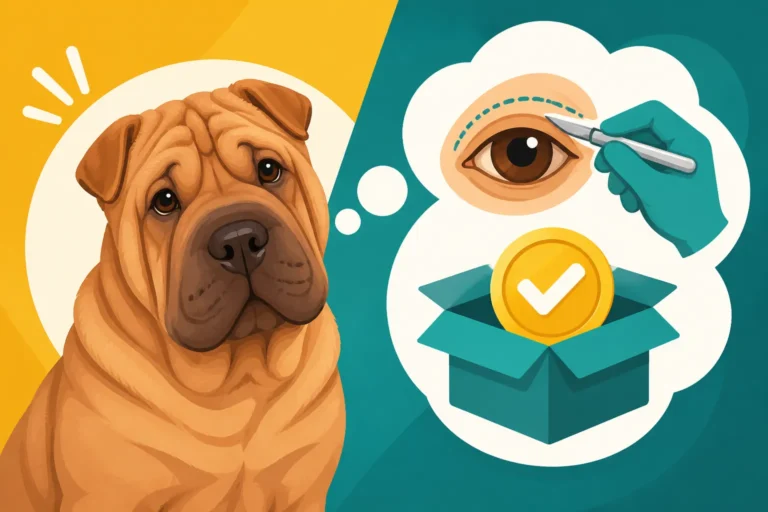
Beyond the fever, their characteristic wrinkles, while adorable, are a breeding ground for skin fold dermatitis and other dermatological issues. Their deeply set eyes often lead to entropion, a condition where the eyelid rolls inward, causing eyelashes to rub against the cornea. This isn't just uncomfortable; it's painful and can lead to ulcers or even blindness if not addressed quickly. For a puppy, Entropion in a Shar Pei Puppy Is an Emergency, Not a Cosmetic Issue. Then there are their ears. A Shar Pei has the narrowest ear canals of any breed, making them incredibly prone to chronic ear infections that can be stubborn and expensive to treat. The combination of these common issues means regular vet visits, specialist consultations, and ongoing medication are often a fact of life.
The Unpredictable Nature of a Shar Pei's Health
What makes Shar Pei ownership particularly demanding on the wallet isn't just the sheer number of potential health problems, but their unpredictable nature. You might have a perfectly healthy, vibrant Shar Pei one day, and the next, they’re lethargic, running a high fever, or struggling to open an eye. These aren’t always gradual declines; they can be sudden, alarming events that demand immediate veterinary attention. Imagine waking up to find your beloved dog unable to move comfortably, their hocks swollen, and a temperature spiking. Your first instinct is, rightly, to rush them to the nearest emergency clinic.
In these moments of crisis, clarity of thought can be difficult. The last thing you want is to be making life-or-death decisions for your pet based on whether you can afford the diagnostic tests or the recommended treatment. Early intervention is often key to a better prognosis and can prevent minor issues from escalating into major, more costly problems. Without a financial safety net, the stress of a sick dog is compounded by the anxiety of how you’ll pay for their care. This unpredictable pattern, especially concerning conditions like FSF and its link to amyloidosis later in life, means you need to be prepared for anything. It’s why understanding Amyloidosis Is What Actually Kills a Shar Pei is so crucial. You just never know when that silent killer might start making its presence known, often heralded by seemingly "minor" fever episodes.
Deconstructing the Costs: What an Emergency Fund Covers
So, what exactly does an emergency fund for your Shar Pei actually need to cover? It’s more than just the initial vet visit. These dogs, with their unique health profiles, often require a cascade of care, from immediate diagnostics to long-term management.
Emergency Vet Visits and Diagnostics
Let’s talk about that initial emergency visit. It’s never cheap, and it’s always more expensive than a routine check-up. Imagine your Shar Pei suddenly develops a fever, becomes lethargic, or starts vomiting. You call your regular vet, but it’s after hours, so you're directed to an emergency clinic. Just walking through the door often incurs an emergency consultation fee that’s significantly higher than a standard office visit.
Once you’re in, the vet needs to figure out what’s going on. For a fever, this could mean blood work to check for inflammation, infection, or organ function. If there’s vomiting or abdominal pain, X-rays or even an ultrasound might be necessary to rule out blockages or other internal issues. If entropion is suddenly causing severe eye irritation, an ophthalmologist might be called in or you'll need immediate eye tacking. These diagnostic tests add up quickly. A full panel of blood tests, urinalysis, and perhaps an X-ray can easily run into several hundred dollars, and that's before any treatment even begins. For a typical Shar Pei fever episode, the costs can vary wildly depending on severity and diagnostics needed. It's often shocking to see What One Shar Pei Fever Episode Costs and What an Emergency Visit for Shar Pei Fever Costs. And if a kidney issue is suspected, even a routine What a Shar Pei's Kidney Ultrasound Costs can be a significant expense.
Ongoing Treatment and Specialized Care
The initial emergency visit is often just the beginning of the financial journey. Many Shar Pei health crises aren't resolved with a single appointment or a quick shot. They often lead to ongoing treatment plans, specialized care, and continuous medication.
Consider entropion. A puppy might need temporary eye tacking to protect its cornea, and then potentially permanent corrective surgery as an adult. This isn't a simple procedure, and What Eye Tacking and Entropion Surgery Cost on a Shar Pei can be substantial, often involving specialist veterinary ophthalmologists. If the eye is ulcerated, specialized antibiotic eye drops, sometimes custom-compounded, might be needed for weeks, along with frequent recheck appointments.
For chronic issues like those stemming from their uniquely narrow ear canals, treatment might involve expensive prescription ear drops, repeated ear cleanings (sometimes requiring sedation), and cultures to identify resistant bacteria or yeast. If the condition becomes severe, a specialist consultation or even surgery, like a Total Ear Canal Ablation (TECA), could be recommended. These are major surgical procedures with significant recovery periods and costs.
Even Shar Pei Fever, which might seem to resolve on its own, often warrants prophylactic medication like colchicine to help prevent amyloidosis. While colchicine itself might not be the most expensive medication, it’s often a lifelong commitment. Understanding Whether Colchicine Helps a Shar Pei and its long-term implications is vital. Then there’s managing chronic skin issues, which can involve regular medicated shampoos, special diets, and anti-inflammatory medications. The annual cost of managing What a Shar Pei's Skin Costs a Year can be surprisingly high, becoming a "subscription" expense. This isn’t just about treating the immediate crisis; it’s about preparing for the long-term care that these unique dogs often require.
Strategies for Building and Utilizing Your Shar Pei Emergency Fund
Facing down the potential for high vet bills can feel overwhelming, but there are practical steps you can take to prepare. Building an emergency fund specifically for your Shar Pei is about proactive care and financial peace of mind.
How Much is Enough? Setting a Realistic Goal
This is the million-dollar question, or perhaps more accurately, the several-thousand-dollar question. For a Shar Pei, a realistic emergency fund should aim for at least $3,000 to $5,000, if not more, to cover unexpected major health events. This might sound like a lot, but consider the costs we just discussed: an emergency vet visit, diagnostics (blood work, X-rays, ultrasound), potential hospitalization for a night or two, medications, and follow-up visits. A single, severe Shar Pei Fever episode or an acute eye injury requiring surgery can quickly deplete a smaller fund.
Here’s a table outlining potential costs to give you a clearer picture:
| Service/Condition | Initial Emergency Visit & Diagnostics (Estimated) | Follow-up Treatment/Medication (Estimated) | Potential Total for Single Episode |
|---|---|---|---|
| Shar Pei Fever | $300 – $800 (Exam, blood panel, fluids) | $50 – $200 (Medications, follow-up) | $350 – $1000 |
| Severe Entropion/Ulcer | $400 – $1000 (Emergency exam, stain, pain meds) | $1500 – $3500 (Surgery, specialty drops) | $1900 – $4500 |
| Chronic Ear Infection Flare | $150 – $400 (Exam, ear cytology, cleaning) | $100 – $500 (Prescription drops, rechecks) | $250 – $900 |
| Suspected Kidney Issues | $500 – $1500 (Exam, blood work, urinalysis, imaging) | $200 – $1000+ (Special diet, meds, fluids) | $700 – $2500+ |
Note: These are illustrative estimates and actual costs vary widely based on location, clinic, and complexity.
Start by setting a smaller, achievable goal, like $1,000, and then steadily build it up. Automate weekly or monthly transfers from your checking account into a separate savings account specifically designated for your Shar Pei. Even $25 a week adds up to over $100 a month, and $1,300 in a year. This consistent effort will build your fund over time, making it less daunting.
Integrating Pet Insurance and Savings
For Shar Pei owners, pet insurance isn't just a nice-to-have; it's often a financial lifeline. While an emergency fund handles smaller, immediate costs, deductibles, and co-pays, pet insurance can step in to cover the larger, catastrophic expenses that could wipe out even a substantial savings account. Considering Insuring a Shar Pei Against a Mutation It Was Bred For is a unique but crucial aspect of planning.
Many owners find that a good pet insurance policy, like those offered by Healthy Paws, covers a significant portion of unexpected veterinary bills after your deductible is met. It’s important to research policies carefully, looking for those that cover hereditary and breed-specific conditions, which are highly relevant for a Shar Pei. Most policies have a waiting period, so it’s best to enroll your puppy as early as possible, before any conditions manifest, to avoid them being deemed pre-existing. Read more about this complex decision here: Whether Pet Insurance Is Worth It on a Shar Pei.
Your emergency fund can then work in tandem with your insurance. Use the fund for your deductible, the co-pay, or for treatments that might not be covered (like certain preventative measures or specialized diets you get from Chewy or Ollie). For example, if your Shar Pei needs a specialized hydrolyzed diet due to allergies, your fund can help cover the difference if insurance doesn't. Or if they need a specific therapeutic shampoo frequently, that’s where your fund steps in. This combination creates a robust financial safety net, ensuring you’re prepared for both the routine unexpected and the truly catastrophic.
Peace of Mind: The Value Beyond the Dollar Amount
While we've focused a lot on the financial aspects, the true value of a Shar Pei emergency fund extends far beyond the monetary. It’s about being able to provide the best possible care for your beloved companion without the added burden of financial stress, ultimately enhancing the bond you share.
Avoiding Difficult Decisions Under Pressure
The last place you want to be is in a vet’s office, looking into your dog’s anxious eyes, and being told there are expensive options to save them, only to have to weigh their life against your ability to pay. It's a heartbreaking scenario that many pet owners unfortunately face. With an emergency fund in place, you remove a significant portion of that crushing financial pressure.
Instead of agonizing over the cost of an MRI or a specialist consultation, you can focus entirely on understanding your Shar Pei's condition, discussing treatment options with your vet, and making decisions based purely on what's best for your dog's health and well-being. This ability to act quickly and decisively, without financial constraint, can literally be a lifesaver. It allows you to say "yes" to the recommended treatment, even if it's costly, knowing that you have the resources to support it. This peace of mind is invaluable.
Responsible Ownership and Future Planning
Having an emergency fund for your Shar Pei is a hallmark of responsible pet ownership. It demonstrates foresight, commitment, and a deep understanding of the unique needs of this wonderful, but sometimes medically complex, breed. It’s about acknowledging that while you can’t predict every twist and turn of their health journey, you can certainly prepare for them.
By building this fund, you’re not just saving money; you’re investing in your Shar Pei’s future and your own tranquility. It means you can look forward to years of companionship, knowing that you’ve done everything possible to safeguard their health and comfort. It allows you to truly enjoy their unique personality, their deep loyalty, and their silly wrinkles, without a constant undertone of financial anxiety related to potential vet bills. It’s about being a true partner in their care, ready for whatever life throws your way.
Disclaimer
This article is for general informational purposes only and does not constitute professional advice. Laws, prices and regulations vary by location and change over time. Consult a qualified professional for guidance on your specific situation.