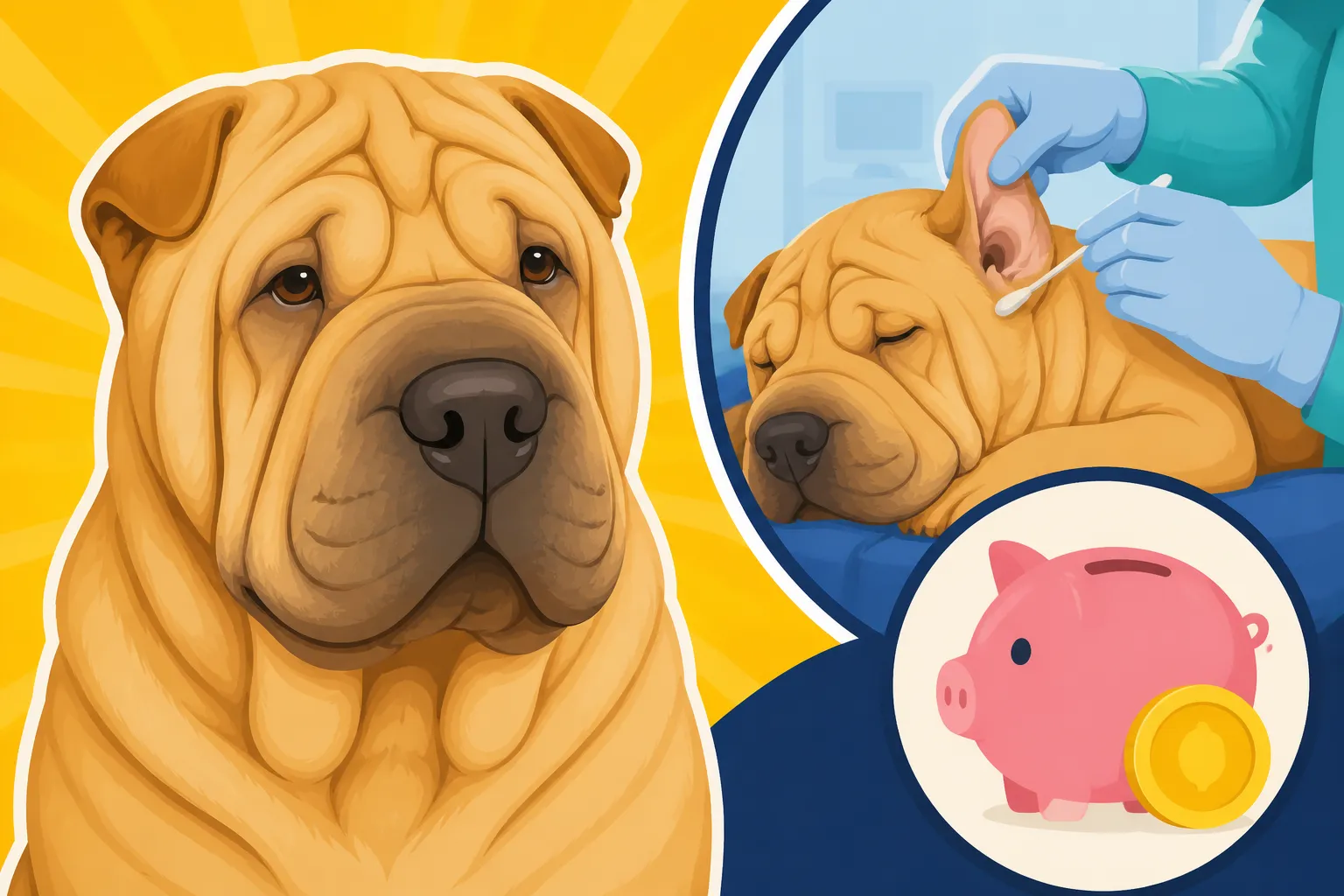
What a Shar Pei’s Sedated Ear Cleaning Costs
One of the most disheartening things for any Shar Pei owner is watching your beloved companion suffer from chronic ear infections, especially when the discomfort becomes so severe that a routine cleaning is out of the question without sedation. It's a common, frustrating reality, and it often leads to questions about what a sedated ear cleaning actually entails, both medically and financially. This guide aims to walk you through the reasons behind needing such a procedure, the various costs involved, and how you can manage this recurring challenge for your wrinkly friend.
Why a Shar Pei Often Needs Sedated Ear Cleaning
If you own a Shar Pei, you've likely already experienced the unique challenges that come with their adorable, yet anatomically complex, ears. Unlike many breeds with open, upright, or pendulous ears that allow for good airflow, the Shar Pei's ear structure is a recipe for trouble.
The Unique Anatomy of a Shar Pei's Ear Canal
Let's be frank: a Shar Pei's ear canal is a marvel of evolutionary design… for trapping everything you don't want in there. Their ear canals are incredibly narrow, often described as having a "pinhole" opening. Beyond this tight entrance, the canal frequently takes sharp turns and can be lined with thick, sometimes swollen, tissue. This creates a perfect, warm, moist, and poorly ventilated environment where bacteria and yeast absolutely thrive. Add in the inherent skin issues many Shar Pei face, which can manifest as allergies or inflammation, and you have a dog prone to recurring, deep-seated infections. It's not just a surface-level problem; it's an architectural challenge. A Shar Pei Has the Narrowest Ear Canals of Any Breed delves deeper into just how constrained these canals are. Because of this, even getting a good look inside without causing pain is often impossible for a vet, let alone trying to thoroughly clean it when it's inflamed.
When a Shar Pei's Ears Go Beyond Simple Cleaning
For many Shar Pei, a quick wipe with a cotton ball or a gentle flush at home just isn't enough to manage their ear health. When an infection takes hold, the inflammation causes the already narrow canal to swell even further, effectively sealing it off. This intensifies the pain, making the dog extremely sensitive to touch around the head. Trying to clean an already painful ear on an awake Shar Pei often results in a distressed dog, a frustrated owner, and an unsuccessful cleaning. The dog learns to associate ear handling with pain, making future attempts even harder. In these cases, where the ear is extremely sore, full of debris, or impacted with wax and discharge, a sedated cleaning becomes not just an option, but a necessity. It allows the veterinarian to thoroughly examine the ear, collect samples for What a Shar Pei's Ear Culture Costs, and deep clean without causing the dog immense discomfort or risking injury to the ear canal from struggling.
The Risks of Untreated or Improperly Treated Ear Issues
Ignoring ear infections in a Shar Pei isn't just cruel; it can lead to severe, irreversible damage. Chronic inflammation can cause the ear canal to thicken and narrow permanently, a condition known as stenosis, which can eventually lead to When a Shar Pei's Ear Canal Closes Over. This thickening traps more debris and moisture, creating a vicious cycle of infection. Over time, these persistent infections can rupture the eardrum, leading to middle ear infections, hearing loss, and even neurological symptoms if the infection spreads further. In the worst-case scenarios, the damage becomes so extensive that the only viable solution is a Total Ear Canal Ablation (TECA), a major surgery that can cost a significant sum. What Ear Canal Surgery Costs on a Shar Pei explains the complexities and financial implications of such a drastic measure. Early and thorough intervention, even if it requires sedation, is crucial to prevent these escalating problems and ensure your Shar Pei's long-term comfort and health.
Breaking Down the Costs of a Sedated Ear Cleaning
Understanding the breakdown of costs for a sedated ear cleaning can help you prepare financially and make informed decisions with your vet. It's rarely just one flat fee, as several services are typically bundled into the procedure.
The Veterinary Consultation and Initial Assessment
Before any sedation takes place, your Shar Pei will need a thorough examination by your veterinarian. This initial consultation fee covers the vet's time to assess your dog's overall health, discuss their medical history (especially the history of ear issues, which for many Shar Pei can be extensive as detailed in How Often a Shar Pei Gets an Ear Infection), and determine if they are a good candidate for sedation. During this visit, the vet will likely attempt a quick, gentle ear exam if possible, and perhaps collect a swab for cytology to look for yeast, bacteria, or mites under a microscope. These diagnostic tests, while relatively inexpensive on their own, are essential for guiding treatment and are part of the initial assessment cost. This foundational visit ensures that the subsequent sedated cleaning is both necessary and as safe as possible for your individual dog.
Sedation and Anesthesia Fees
This is often one of the larger components of the total bill. Sedation and anesthesia aren't just about giving an injection; they involve a carefully controlled process to ensure your dog's safety. The cost will factor in:
- Pre-anesthetic blood work: Before administering sedatives or anesthesia, blood tests are often recommended or required to check organ function (especially the liver and kidneys) and ensure your Shar Pei can safely metabolize the drugs. This adds a separate charge.
- The anesthetic drugs themselves: The type and quantity of medication used will vary depending on your dog's size, age, and individual health status.
- Monitoring: During sedation, your Shar Pei's vital signs – heart rate, breathing, blood pressure, oxygen saturation, and temperature – need to be continuously monitored by a veterinary technician. This skilled supervision is critical for detecting and responding to any adverse reactions.
- IV fluids: Many clinics administer intravenous fluids during anesthesia to help maintain blood pressure and support organ function, which is another line item.
The level of sedation or anesthesia required can also vary. For a quick, minimally invasive cleaning, lighter sedation might suffice. For more impacted or painful ears, or if deeper diagnostics like an ear canal scope (otoscopy) are needed, a general anesthetic might be preferred, which naturally carries higher costs due to increased monitoring and longer recovery times.
The Cleaning Procedure Itself
Once your Shar Pei is comfortably sedated, the actual ear cleaning can begin. This isn't just squirting some solution in and wiping. It's a meticulous process that might involve several steps:
- Deep flushing: The vet will use specialized ear cleaning solutions to gently flush out accumulated wax, debris, and discharge from the deep recesses of the ear canal. This often requires multiple flushes.
- Manual removal: Sometimes, impacted wax or foreign bodies (like grass awns) need to be carefully removed with specialized instruments under direct visualization, often using an otoscope or even a video otoscope for better magnification and recording.
- Hair plucking: If your Shar Pei has excessive hair growth deep within the ear canal, this might be carefully plucked out to improve airflow and allow topical medications to penetrate better.
- Vet's time and expertise: The cost will reflect the veterinarian's time, the use of specialized equipment, and the skill required to perform a thorough cleaning without damaging the delicate structures of the ear. It's a precise procedure that takes time and careful attention.
Ancillary Services and Post-Procedure Care
The sedated cleaning is often just one part of a comprehensive treatment plan. There are usually additional costs for the follow-up care your Shar Pei will need:
- Medications: After the cleaning, your vet will almost certainly prescribe topical ear medications (drops or ointments) to treat the underlying infection (bacterial, yeast, or both) and reduce inflammation. These What Prescription Ear Drops Cost a Shar Pei Owner can range widely in price, especially if specialized or long-acting formulas are needed. Oral antibiotics or anti-inflammatories might also be prescribed for severe cases.
- Recheck examinations: A follow-up visit, typically a week or two after the cleaning, is vital to ensure the infection is clearing and the ear canal is healing. This recheck often involves another consultation fee and possibly a repeat cytology to confirm the infection is gone.
- Preventative measures: Your vet might recommend specific ear cleaning solutions or wipes for regular home maintenance, such as those you might find at retailers like Chewy, to prevent future flare-ups. A healthy diet, potentially a limited ingredient one found on Chewy or specifically formulated options like those from Ollie, might also be discussed if allergies are suspected to be a contributing factor to the recurrent ear issues.
Navigating the Financial Aspect and Long-Term Strategies
Dealing with a Shar Pei's ear health can feel like a never-ending battle, and the costs can certainly add up. However, with smart planning and proactive care, you can mitigate the financial strain and keep your companion comfortable.
Pet Insurance and the Shar Pei's Ears
Pet insurance can be a real lifesaver, but when it comes to chronic conditions like recurrent ear infections in a Shar Pei, the devil is often in the details. Most insurance policies, including those from providers like Healthy Paws, have clauses about "pre-existing conditions." If your Shar Pei had ear infections before you enrolled them in a policy, or even showed signs of ear issues that were noted in their vet records, future claims for ear-related problems might be denied or have limited coverage. It's critical to understand your policy's terms and conditions, and ideally, to insure your Shar Pei when they are a puppy, before any such issues manifest. Whether Pet Insurance Is Worth It on a Shar Pei is a question many owners grapple with, and for a breed with so many predispositions, it's certainly worth considering. Some policies might cover subsequent, unrelated infections or contribute to diagnostics, but coverage for a chronic, ongoing condition can be tricky. Even if your policy doesn't cover all ear issues, it might cover other breed-specific problems like those discussed in Whether Any Insurer Will Cover a Shar Pei's Skin, making it a worthwhile investment.
Prevention as a Cost-Saving Measure
While a sedated ear cleaning is a necessary intervention for acute, painful infections, the true long-term cost-saver is diligent prevention. Establishing a consistent ear care routine from puppyhood, as advised in How Often a Shar Pei's Ears Need Cleaning, can make a world of difference. This means:
- Regular, gentle cleaning: Using a vet-approved ear cleaning solution designed for routine use. Your vet can guide you on What to Clean a Shar Pei's Ears With.
- Thorough drying: Especially after baths or swimming, ensuring the ears are completely dry to reduce moisture.
- Dietary management: If allergies are suspected to be a trigger for ear inflammation, working with your vet on an elimination diet or a specialized food plan can be immensely beneficial. Many owners find success with specific limited-ingredient diets, sometimes purchased from reputable online retailers like Chewy or specialized brands such as Ollie.
- Prompt action: At the first sign of redness, itching, or odor, consult your vet. Addressing minor issues quickly can prevent them from escalating into full-blown infections requiring sedation.
Investing time and a smaller amount of money in preventative care and quality products is almost always cheaper than repeated emergency visits and sedated procedures.
Budgeting for Ongoing Shar Pei Ear Care
Let's face it: owning a Shar Pei means acknowledging their unique health needs, and ear care is definitely high on that list. It's not a one-time expense; it's an ongoing commitment. To avoid financial stress, it’s wise to factor ear care into your regular budget. This might mean setting aside a specific amount each month for routine cleaning supplies, potential vet visits, and medications. You might consider an emergency fund specifically for unexpected vet bills.
For many Shar Pei owners, the question isn't if they'll need to pay for ear care, but when and how much. It's a journey, not a sprint, and being prepared can make it much smoother for both you and your loyal companion. Thinking about the What a Shar Pei's Lifetime Ear Bill Comes To can be daunting, but breaking it down into manageable steps and prioritizing preventative care is the most realistic approach.
Here's a general idea of common cost components, keeping in mind that actual figures vary wildly based on location, vet practice, and your dog's specific needs:
| Cost Component | Description | Typical Timing |
|---|---|---|
| Initial Vet Visit/Consultation | Examination, discussion of history, initial assessment | Before sedation |
| Pre-anesthetic Blood Work | Tests to check organ function before sedation | Before sedation |
| Sedation/Anesthesia Fees | Drugs, monitoring by vet tech, IV fluids | During procedure |
| Ear Cleaning Procedure | Deep flushing, manual debris removal, vet's time | During procedure |
| Ear Cytology/Culture (if needed) | Microscopic exam of ear swab, sending sample to lab for specific identification | Initial visit/During procedure |
| Prescription Ear Medications | Topical drops/ointments, oral antibiotics/anti-inflammatories | Post-procedure |
| Recheck Exam | Follow-up visit to ensure healing and infection clearance | 1-2 weeks post-procedure |
| Ongoing Cleaning Supplies | Ear cleaning solutions, wipes for home maintenance | Monthly/Bi-monthly (ongoing) |
Disclaimer
This article is for general informational purposes only and does not constitute professional advice. Laws, prices and regulations vary by location and change over time. Consult a qualified professional for guidance on your specific situation.


