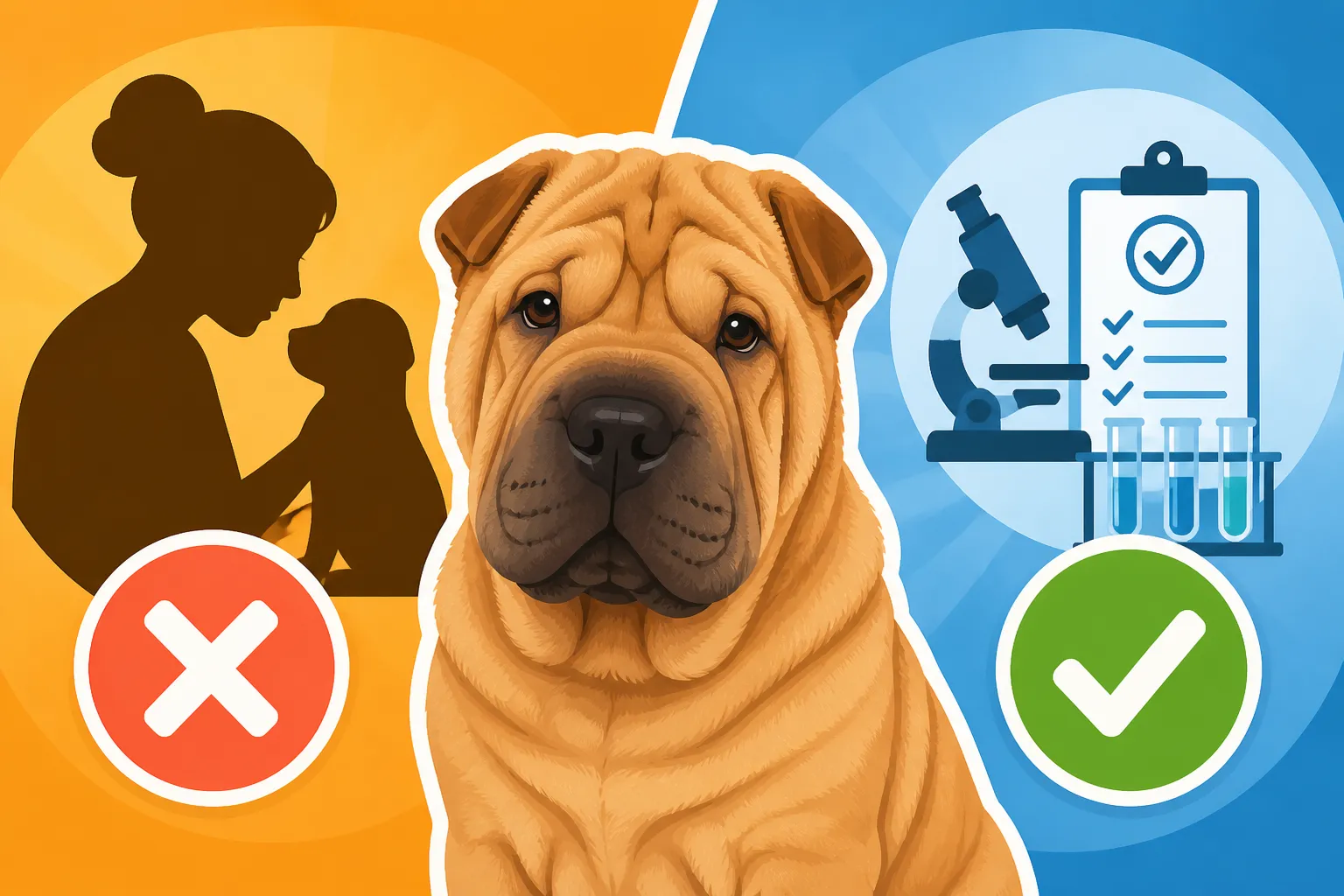
Whether a Shar Pei Breeder Tests for Anything at All
Many prospective Shar Pei owners often find themselves in a labyrinth of confusion when trying to determine if the breeder they're considering truly prioritizes the long-term health and well-being of their dogs. It’s a completely valid concern, especially given the breed's unique genetic predispositions and specific health challenges. This comprehensive guide aims to demystify the essential topic of Shar Pei breeder health testing, explaining why it's so important, what to look for, and how to verify claims, ultimately helping you make an informed choice for your future companion.
The Critical Importance of Health Testing in the Shar Pei Breed
This distinctive breed, with its profound wrinkles and often aloof yet loyal demeanor, carries a genetic heritage that makes health testing not merely a suggestion, but a fundamental necessity. The Shar Pei's journey from near extinction to global popularity involved a significant genetic bottleneck in the 1970s. This history means that certain health predispositions became concentrated within the breed's gene pool. As a result, when you’re looking for a Shar Pei puppy, you're not just choosing a charming individual; you are also inheriting generations of breeding decisions that will directly influence your dog's future health. Responsible breeders deeply understand this unique genetic vulnerability and make health a primary focus of their breeding program. They aren't simply pairing two dogs that visually match the Shar Pei standard; they are carefully selecting parents with the best possible genetic profiles to produce healthy offspring. Ignoring this crucial due diligence can unfortunately lead to a lifetime of unexpected veterinary expenses and emotional distress for both you and your cherished pet.
Why the Shar Pei's History Makes Testing Essential
The story of the Shar Pei's survival is remarkable. In the 1970s, the breed was on the brink, with Sixty Shar Pei Were Left in 1978. Thanks to dedicated efforts, their numbers recovered, but this narrow foundation stock meant that common ancestors were shared among many individuals. While this helped to quickly re-establish the breed's type, it also meant that certain genetic predispositions for health issues became widespread. These aren't just minor inconveniences; we're talking about serious conditions that can dramatically affect a dog's quality of life, necessitate extensive medical intervention, and considerably strain your finances. As you plan for your future companion, it's wise to consider Four Bills Every Shar Pei Owner Should Expect, as many of these costs stem directly from inherited conditions. A breeder who fails to conduct appropriate health testing is essentially rolling the dice with the health of their puppies, and by extension, with the emotional and financial stability of the families who adopt them.
The Breeder's Ethical Responsibility
A truly ethical Shar Pei breeder is much more than a provider of puppies. They act as dedicated custodians of the breed, deeply committed to improving its overall health, temperament, and longevity. This commitment translates into an active and ongoing effort to reduce the incidence of known hereditary conditions within their lines. It demands a substantial investment of time, financial resources, and emotional energy. Such breeders will be completely transparent about their testing practices, eager to discuss the results, and fully capable of explaining the rationale behind their specific testing protocols. They inherently grasp that What Being Saved Did to the Shar Pei's Health places a significant moral obligation on them, one that exceeds the responsibilities of breeders of many other less genetically constrained breeds. For these conscientious individuals, health testing is not merely a box to tick; it is an unwavering, continuous commitment to safeguarding and enhancing the breed's future. They aspire for their puppies to not just survive, but to truly thrive, and they know that this journey begins long before a puppy ever leaves their care.
Essential Health Tests for Prospective Shar Pei Parents
Understanding precisely what a responsible Shar Pei breeder should be testing for is key. It’s not a superficial list of checks; it’s a comprehensive, multi-faceted approach designed to target the most prevalent and impactful health issues specific to the breed. When you engage in conversations with a potential breeder, these specific health topics are absolutely essential to bring up. If a breeder dismisses your inquiries, seems ill-informed, or attempts to deflect your questions, these should be regarded as significant red flags. Your goal is to seek clear transparency and verifiable, documented proof of health testing, rather than simply accepting verbal assurances.
Orthopedic Evaluations
Shar Pei, much like many medium to large dog breeds, can be predisposed to certain orthopedic problems that can significantly impact their mobility and comfort. Hip dysplasia and elbow dysplasia are common conditions where the respective joints do not develop correctly, leading to chronic pain, the early onset of arthritis, and frequently, the need for expensive surgical interventions later in life. Patellar luxation, more commonly known as "slipping kneecaps," is another concern where the kneecap dislocates from its normal position. Responsible breeders meticulously screen their breeding dogs for these conditions using evaluations from established organizations such as the Orthopedic Foundation for Animals (OFA) or PennHIP. These specialized evaluations provide an objective assessment of the structural health of the parent dogs' joints, offering valuable insight into the genetic likelihood of your future puppy developing these issues. Crucially, don't just rely on a breeder's verbal claims; insist on seeing the official, stamped certificates. A truly reputable breeder will be proud to present this documentation.
Eye Examinations
The striking, deep-set eyes of the Shar Pei, while an iconic breed feature, can unfortunately be prone to a specific array of inherited challenges. Entropion in a Shar Pei Puppy Is an Emergency, Not a Cosmetic Issue is a prime example, where a portion of the eyelid rolls inward. This causes the eyelashes and surrounding hair to constantly rub against the delicate surface of the cornea, leading to intense pain, irritation, chronic tearing, and if left untreated, serious corneal ulcers, irreversible scarring, and even permanent blindness. Other inherited eye conditions can also affect the breed. Ethical breeders will ensure their breeding dogs undergo regular examinations by a board-certified veterinary ophthalmologist. These specialized exams are often registered through programs like the OFA's Eye Certification Registry (CAER), which formally certifies that the dog is free from observable inherited eye diseases at the time of examination. It's important to remember that eye issues in Shar Pei often necessitate veterinary intervention, and understanding What Eye Tacking and Entropion Surgery Cost on a Shar Pei will give you a realistic financial perspective should you ever face such a situation.
Thyroid and Autoimmune Screening
Hypothyroidism, a condition where the thyroid gland does not produce sufficient hormones, is another health concern that can affect Shar Pei. This endocrine disorder can manifest in a variety of symptoms including chronic skin issues, unexplained weight gain, lethargy, and a dull coat. Similarly, Shar Pei can have a genetic predisposition to IgA deficiency, which compromises their immune system, making them significantly more vulnerable to recurrent infections, particularly skin and ear infections. While these conditions may not be immediately apparent in a young puppy, testing the parent dogs allows a breeder to make informed decisions aimed at reducing the likelihood of these issues appearing in their progeny. Regular blood tests to assess thyroid function are considered an integral part of a comprehensive health screening protocol for breeding Shar Pei. Both Hypothyroidism and IgA Deficiency in a Shar Pei are serious conditions, highlighting why a proactive and testing-focused breeder is always the superior choice.
Testing for Familial Shar Pei Fever (FSF) and SPAID
This particular condition stands out as one of the most critical and breed-specific health concerns for the Shar Pei. Familial Shar Pei Fever (FSF), now often referred to as Shar Pei Autoinflammatory Disease (SPAID), is a complex hereditary condition characterized by recurrent, sudden fevers, swelling of the hocks (ankles), and other signs of systemic inflammation. It's crucial to understand that it is not an infectious disease; rather, it is an inherited, self-inflicted inflammatory response. A specific genetic test is available to identify the gene mutation associated with FSF/SPAID, and it's fascinating to note that One Mutation Gave the Shar Pei Its Wrinkles and Its Fever. Responsible breeders are not only acutely aware of this condition but also diligently utilize available genetic testing to guide their breeding decisions, aiming to significantly reduce the incidence of FSF in their puppies. Furthermore, they will proactively educate prospective owners about the manifestations of this condition, detailing What a Shar Pei Fever Episode Looks Like and providing clear instructions on What to Do When a Shar Pei Spikes a Fever, acknowledging that even with meticulous breeding, the risk may not be entirely eliminated. This condition is intrinsically linked to the very gene responsible for the Shar Pei's hallmark wrinkles, making it a deeply embedded aspect of the breed's genetic makeup.
A Summary of Key Health Tests
| Health Condition | Recommended Test/Certification | Administering Body (Examples) | What it screens for | Typical Frequency |
|---|---|---|---|---|
| Hip Dysplasia | OFA Hip Evaluation (Radiographs) | OFA | Abnormal development of the hip joint, leading to pain and arthritis | Once, after 24 months of age |
| Elbow Dysplasia | OFA Elbow Evaluation (Radiographs) | OFA | Abnormal development of the elbow joint | Once, after 24 months of age |
| Patellar Luxation | OFA Patella Evaluation (Veterinary Exam) | OFA | Dislocation or instability of the kneecap | Once, after 12 months of age |
| Eye Conditions (e.g., Entropion, glaucoma) | OFA Eye Certification Registry (CAER) exams by an ACVO | OFA / ACVO | Inherited eye diseases and structural abnormalities, including eyelid issues | Annually or biennially |
| Hypothyroidism | Thyroid Panel (Blood Test) | OFA (CHIC) / Vet Lab | Underactive thyroid gland, affecting metabolism and skin | Annually |
| IgA Deficiency | IgA Blood Test (via specialist lab) | Vet Lab / Specialist | Low levels of immunoglobulin A, compromising the immune system | Can be once; breeder might retest |
| Familial Shar Pei Fever (FSF)/SPAID | Genetic Test for HA Synthase 2 (HAS2) mutation | University Labs (e.g., Cornell) | Presence of the genetic mutation linked to FSF/SPAID | Once in a lifetime (for breeding stock) |
How to Verify a Breeder's Health Claims and Choose Wisely
It's one thing for a Shar Pei breeder to verbally assure you that they conduct health testing, and quite another for them to provide concrete, verifiable proof. As an aspiring puppy owner, it is not only your right but also your critical responsibility to request and examine this documentation. Please do not feel hesitant or shy about asking; a truly reputable and responsible breeder will not only welcome your detailed questions but will also be eager and proud to share their results with you. They genuinely understand that you are embarking on a significant commitment, both financially and emotionally, and they want you to feel completely confident and at ease with your decision.
Ask for Documentation
This step is absolutely non-negotiable. For orthopedic and eye clearances, you must insist on seeing the official certificates issued by organizations like the OFA or PennHIP. These vital documents will clearly display the breeding dog's full registered name, its unique registration number, and the precise results of the evaluation. For any genetic tests, such as those for FSF/SPAID, request copies of the official laboratory results. A truly reputable breeder will have these documents readily accessible and organized, often alongside a Canine Health Information Center (CHIC) number for their breeding dogs. A CHIC number signifies that all recommended health screenings for the Shar Pei breed have been performed on that individual dog, and importantly, that the results are publicly accessible. You can even take the initiative to use the dog's registration number or name to search the OFA database online yourself, allowing you to independently verify the information presented by the breeder.
Transparency and Communication
An excellent breeder operates with complete transparency, like an open book. They should be articulate and knowledgeable enough to explain why they test for particular conditions, clearly outline their specific breeding goals concerning health, and candidly discuss how they manage any less-than-perfect test results within their breeding program. Do they openly discuss the specific challenges inherent in the breed, such as Familial Shar Pei Fever Is Not an Infection or the severe implications of Amyloidosis Is What Actually Kills a Shar Pei? Or do they tend to downplay or skirt around potential health concerns? Furthermore, they should be fully transparent about the health history of their dogs' parents, grandparents, and any previous litters. You might even consider asking if they diligently maintain a log of fever episodes for their dogs, as suggested by Whether a Shar Pei Owner Should Keep a Fever Log. This level of openness and detailed communication is fundamental to building trust and confidence in a breeder.
Visit the Kennel or Request a Virtual Tour
Whenever geographically feasible, an in-person visit to the breeder’s home or facility is highly recommended. This allows you to observe the living conditions of the parent dogs and puppies directly. Are the environments clean, stimulating, and well-maintained? Do the dogs appear well-socialized, happy, and robustly healthy? This provides an invaluable firsthand insight into their care practices and overall environment. If an in-person visit is not practical due to distance, a video call where the breeder provides a virtual tour and introduces you to the dogs can serve as a suitable alternative. During these interactions, pay close attention to how the adult dogs interact with the breeder and with each other. Look for clear signs of good health, a stable temperament, and harmonious living conditions.
Don't Fall for Red Flags
It's crucial to exercise caution and be highly vigilant for certain red flags that can indicate a less-than-reputable breeder. Be wary of breeders who:
- Outright refuse to provide documented proof of health testing or claim that such tests are simply "unnecessary" for their dogs.
- Offer puppies at unusually low prices, especially without a comprehensive health guarantee or contract. Questioning Whether a Shar Pei Under a Thousand Dollars Is a Warning is a valid and important concern.
- Operate a large-scale breeding operation with multiple breeds, including "designer" mixes, and appear to prioritize profit over the genuine health and welfare of their animals.
- Are unable to confidently and accurately answer specific, detailed questions about known Shar Pei health problems.
- Fail to ask you probing questions about your living situation, your experience with dogs, or your expectations – a truly responsible breeder meticulously screens potential homes.
- Pressure you into making a quick decision or discourage you from meeting the puppy's parents.
The Long-Term Benefits of Choosing a Health-Tested Shar Pei
Opting for a Shar Pei puppy from a breeder who conscientiously conducts thorough health testing is far more than just a way to avoid immediate problems; it represents a significant, long-term investment in your dog's entire life. While it's true that no breeder can realistically guarantee that a dog will never develop a health issue – the complexities of genetics and environmental factors always play a role – a responsible breeder dramatically reduces the inherent risk of inherited diseases. This proactive approach positively impacts every facet of your dog's life, from your peace of mind to your financial stability.
Reduced Vet Bills and Emotional Stress
Let's be candid: veterinary expenses can accumulate rapidly, and often unexpectedly. The ongoing treatment of chronic conditions such as severe hip dysplasia, persistent eye problems, or the management of recurrent FSF episodes can be incredibly costly over a dog's lifetime. For instance, What One Shar Pei Fever Episode Costs can be substantial, and these episodes are often not isolated events, potentially recurring multiple times throughout a year. By meticulously selecting a puppy from parents who have undergone rigorous health testing, you significantly lower the probability of encountering these taxing challenges. This proactive choice translates directly into fewer emergency vet visits, a reduced reliance on long-term medications, and potentially the avoidance of expensive surgical procedures, such as those related to What Eye Tacking and Entropion Surgery Cost on a Shar Pei. Beyond the significant financial relief, there's the immeasurable emotional benefit of not having to constantly witness your beloved pet in pain or grapple with agonizing medical decisions.
A Longer, Happier, Healthier Life for Your Companion
Ultimately, this is the profound desire of every dedicated dog owner: to share a long, vibrant, and joyful life with their furry family member. Dogs who originate from meticulously health-tested lines generally possess a significantly greater chance of achieving this ideal. They are inherently less likely to be afflicted by chronic pain, debilitating conditions, or serious health issues that could prematurely shorten their lives or severely diminish their overall quality of existence. The knowledge that your breeder made every conceivable effort to produce a genetically sound and healthy puppy offers an immense sense of reassurance and peace of mind. This allows you to truly focus on the joys of training, engaging in playful activities, and showering your companion with affection, rather than being constantly preoccupied with the looming shadow of the next potential health crisis. Understanding How Long a Shar Pei Lives is often intrinsically linked to how effectively these breed-specific health challenges are managed, a process that critically begins with exemplary breeding practices. In this pursuit, modern pet care solutions from companies like Chewy and specialized food services like Ollie are increasingly designed to support the needs of healthy, well-bred dogs, while pet insurance providers like Healthy Paws can offer a safety net for any unexpected turns.
Contributing to the Future Health of the Breed
By consciously choosing to support and reward ethical, health-conscious Shar Pei breeders, you are performing a service that extends far beyond your own household; you are actively participating in a broader, collective effort to enhance the overall health, vitality, and genetic integrity of the Shar Pei breed as a whole. Your discerning choice sends an unequivocal message to the breeding community that you unequivocally value health, responsible practices, and ethical conduct above all else. This principled stance not only encourages dedicated breeders to continue their vital, often challenging, work but also helps to marginalize and ultimately push out those who prioritize quick profits over genuine breed improvement and the welfare of their puppies. It is a collaborative endeavor that helps to ensure that future generations of Shar Pei enthusiasts can experience the profound joy and companionship these magnificent dogs offer, with significantly fewer of the heartaches that can tragically arise from substandard or irresponsible breeding practices. Therefore, selecting a reputable breeder is not merely a transaction; it is an impactful act of advocacy for the breed itself.
Disclaimer
This article is for general informational purposes only and does not constitute professional advice. Laws, prices and regulations vary by location and change over time. Consult a qualified professional for guidance on your specific situation.


