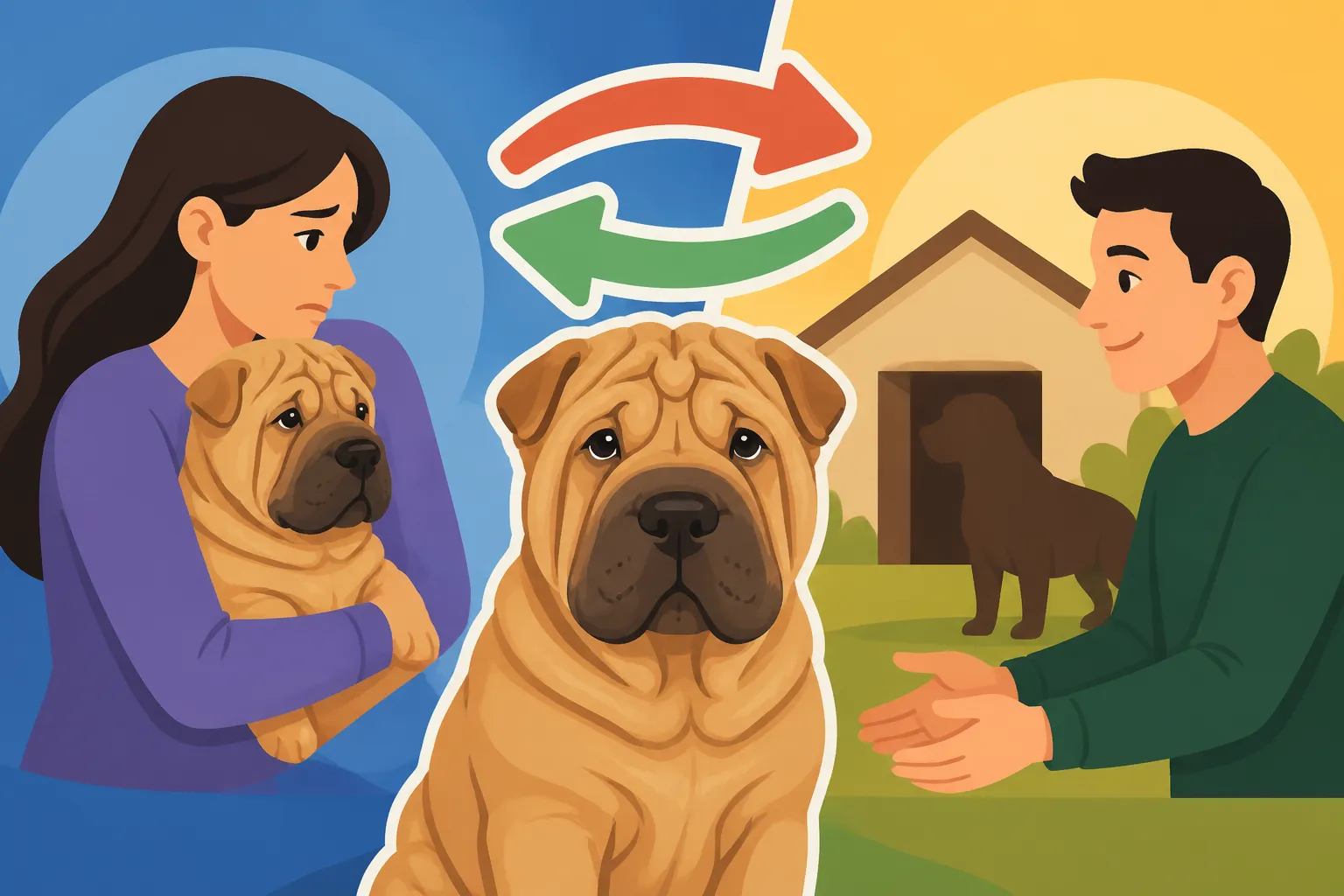
Whether a Shar Pei Can Be Returned to Its Breeder
Bringing a new Shar Pei into your home is filled with joy and anticipation, but sometimes, despite all your best intentions, life throws a curveball, or the dog you thought you were getting turns out to have needs you simply can't meet. The idea of returning your beloved Shar Pei to its breeder can feel like a profound failure, a heartache you never expected. This guide is here to walk you through the realities of breeder contracts, the legitimate reasons why a return might be necessary, and the steps involved in navigating this challenging decision, focusing on what's best for everyone, especially your wrinkled companion.
Understanding Breeder Contracts and Guarantees
When you first bring home a Shar Pei puppy, you’re often swept up in the excitement of new beginnings. The paperwork, the contracts, they can feel like a formality you just want to get through to get to the puppy cuddles. But that breeder contract is more than just a receipt; it's a legally binding agreement that outlines the responsibilities of both you and the breeder, particularly concerning the health and well-being of your new family member. It’s the first place you should turn if you ever find yourself in a situation where returning the dog is a consideration.
The Importance of a Written Agreement
Think of your contract as the guidebook for your future relationship with your breeder, and more importantly, with your Shar Pei. A reputable breeder will always provide a detailed written contract, and it’s crucial that you read and understand every line before signing. This document should specify everything from health testing disclosures to spay/neuter agreements, and, critically, what happens if the arrangement doesn't work out. Without a clear, written agreement, you might find yourself in a tough spot with little recourse if issues arise. Verbal agreements, no matter how sincere they seem at the time, are incredibly difficult to enforce and often lead to misunderstandings and hurt feelings. Always insist on everything being in writing, even if it feels a bit formal at the time. This protects everyone involved and provides a clear path forward when difficult decisions need to be made.
Health Guarantees and Return Clauses
Most responsible breeders include a health guarantee in their contracts. This guarantee typically covers certain genetic conditions or congenital defects for a specified period, often the first year or two of the dog’s life. For a Shar Pei, this might specifically mention conditions like entropion, hip or elbow dysplasia, or even Familial Shar Pei Fever Is Not an Infection. If a serious health issue arises that falls within the terms of the guarantee, the contract will usually outline the breeder’s responsibilities, which could include a partial or full refund, a replacement puppy from a future litter, or, yes, the option to return the dog.
Return clauses aren't just for health issues, though. They also often detail the procedure if you, for whatever reason, can no longer keep the dog. A truly ethical breeder will almost always have a clause stating that if you cannot keep your Shar Pei at any point in its life, you are obligated to return it to them. This isn't about profit; it's about preventing their dogs from ending up in shelters or with unknown owners. They want to ensure their dogs live out their lives in safe, loving homes, and they see themselves as lifelong safety nets for the animals they've brought into the world. These clauses might specify that the dog must be returned directly to the breeder, sometimes without a refund, but always with the understanding that the breeder will rehome the dog responsibly. Be sure to check your contract for specifics like time limits for health claims, requirements for vet verification, and any stipulations about the dog's condition upon return.
Reasons for Returning a Shar Pei to Its Breeder
Deciding to return a dog is never easy. It's often accompanied by guilt, sadness, and the feeling that you've let your companion down. However, there are very real, very legitimate reasons why this difficult choice might be the most responsible one you can make, both for yourself and for the Shar Pei. These reasons often fall into three main categories: health challenges, behavioral mismatches, and unavoidable life changes.
Unforeseen Health Challenges
Shar Pei are a unique and wonderful breed, but they do come with their own set of potential health predispositions. Sometimes, despite diligent breeding practices, a puppy can develop serious health issues that were unforeseen. Imagine bringing home your wrinkly bundle of joy, only to discover within months that they are suffering from recurring, debilitating bouts of Familial Shar Pei Fever Is Not an Infection, or require multiple surgeries for Entropion in a Shar Pei Puppy Is an Emergency, Not a Cosmetic Issue. These situations can quickly become overwhelming, both emotionally and financially.
Perhaps your puppy develops severe Skin Is the Shar Pei's Largest Problem by Surface Area that requires constant, expensive veterinary care, specialized diets, and medicated baths. You might find yourself spending countless hours trying to manage chronic conditions, and the costs can skyrocket. While pet insurance, like plans offered by Healthy Paws, can certainly help mitigate some of these financial burdens, not everyone is prepared for the daily commitment and expense that certain chronic conditions demand. If the health issue is severe, impacts the dog's quality of life despite intervention, or was specifically covered by a health guarantee that the breeder didn't uphold, returning the dog might be the most humane option if you genuinely cannot provide the necessary level of care. It’s a heartbreaking realization, but recognizing your limits is an act of love.
Behavioral Mismatches or Unmanageable Traits
Shar Pei, with their stoic expressions and independent nature, aren't for everyone. They are known for being fiercely loyal to their chosen family but can be aloof or suspicious with strangers. They were originally bred for tasks that required independence and guarding instincts, not necessarily for being the life of the dog park. This means that a Shar Pei might not be the right fit for every lifestyle, especially if expectations were based on a more generally gregarious breed.
Sometimes, an owner might find that their Shar Pei exhibits traits that are simply too much for them to handle. This could manifest as significant resource guarding, severe Dog to Dog Is the Shar Pei Problem, Not Dog to Person aggression, or a level of independence that makes training a constant battle. Perhaps the dog's guarding instincts are stronger than anticipated, making visitors or even delivery people a source of stress, echoing their heritage as a dog A Shar Pei Was Bred to Guard, Not to Greet. If the puppy was not extensively socialized during its critical early weeks, issues can be exacerbated. A lack of proper socialization, especially if not addressed before Socialize a Shar Pei Before Twelve Weeks or Pay for It Later, can lead to deeply ingrained behavioral problems that require more time, expertise, and resources than many owners possess. These aren't failures of the dog, but rather a mismatch between the dog's inherent traits and the owner's ability or capacity to manage them.
Life Circumstances Changes
Life is unpredictable, and sometimes, even the most devoted owner faces circumstances that make keeping a pet simply impossible. These are the situations where guilt can be especially crushing because the decision has nothing to do with the dog's behavior or health, but rather with external factors entirely beyond your control.
Common life changes that necessitate rehoming include job loss, leading to financial instability that makes proper pet care unattainable, or a sudden, unexpected relocation to a place where pets are not allowed or a suitable living arrangement cannot be found. Family emergencies, severe allergies developing in a household member, or the arrival of a new baby that creates an unmanageable dynamic with a particular dog can also be valid reasons. A responsible breeder understands that life happens. Their primary concern is the welfare of the dog, and they would much rather have the dog returned to them, where they can ensure a safe and appropriate rehoming, than have it sold online to a stranger or surrendered to a shelter. This safety net is one of the hallmarks of an ethical breeder and a key component of the enduring relationship they establish with their puppy buyers.
The Process of Initiating a Return
Once you've made the incredibly tough decision that returning your Shar Pei is necessary, it's vital to approach the process systematically and respectfully. This isn't just about handing over a dog; it's about honoring your commitment to the animal and the breeder, and ensuring a smooth transition for your Shar Pei.
Reviewing Your Contract and Gathering Documentation
The very first thing you need to do is pull out that breeder contract. I know, I know, it's probably tucked away in a drawer somewhere, covered in dust from happier times. But now is when it truly earns its keep. Carefully read every clause related to returns, rehoming, and health guarantees. Pay close attention to:
- Timeframes: Is there a specific window for returning a dog due to health issues or dissatisfaction?
- Conditions for Return: Are there requirements for the dog's health status, vaccination records, or training level?
- Refund/Replacement Policy: What, if anything, does the breeder offer in terms of a refund or a replacement dog?
- Your Obligations: Does the contract state that you must return the dog to the breeder if you can no longer keep it? This is very common and a sign of a responsible breeder.
As you review, start gathering all relevant documentation. This includes:
- The original purchase agreement/contract.
- All veterinary records, including vaccination history, deworming records, spay/neuter certificates, and any medical reports related to health issues. If you’ve been diligent about health monitoring, such as yearly kidney checks as recommended for Shar Pei, include those results. The Age a Shar Pei Should Start Kidney Monitoring.
- Any relevant training certificates or notes from trainers.
- A log of any communication you've had with the breeder since you acquired the dog, especially if it relates to health or behavioral concerns.
- Photos or videos that might illustrate a particular issue, if relevant.
Having all this information organized and readily available will not only make your communication with the breeder more efficient but also demonstrates your responsibility and care for the dog throughout its time with you.
Communicating with Your Breeder
This is often the hardest part, emotionally. Pick up the phone or compose a thoughtful email. Be honest, clear, and respectful. Avoid accusatory language, even if you feel frustrated or let down. Remember, your goal is to work with the breeder to ensure the best outcome for the dog.
Start by explaining the situation calmly. If it's a health issue, refer to your contract's health guarantee and provide the veterinary documentation you've gathered. If it's a behavioral challenge, describe the specific behaviors and any training efforts you've already undertaken, perhaps even mentioning when a behaviorist might have been sought (see When a Shar Pei Needs a Behaviorist). If it's a life circumstance change, explain the situation factually.
Discuss the options available according to your contract. Reputable breeders are often very understanding. They may offer:
- Rehoming Assistance: Even if a full refund isn't offered, many breeders will take the dog back and find it a new, suitable home themselves. This is often their preferred outcome, as they know their bloodlines and can screen potential new owners thoroughly.
- Partial or Full Refund: Depending on the terms of the health guarantee and the severity of the issue, a refund might be an option. For instance, if the breeder's Whether a Shar Pei Health Guarantee Covers Fever didn't hold up for a diagnosed genetic issue.
- Replacement Puppy: In cases of severe congenital defects covered by the guarantee, some breeders offer a replacement puppy from a future litter.
Be prepared for different reactions. While most responsible breeders are supportive, it can still be an emotional conversation for them too. Maintain a professional demeanor and focus on a resolution that prioritizes the dog's welfare.
Preparing Your Shar Pei for Return
Once an agreement has been reached with the breeder, your focus shifts to preparing your Shar Pei for the transition. This phase is crucial for the dog’s emotional and physical well-being. The goal is to make the change as stress-free as possible for them.
First, ensure your Shar Pei is in the best possible condition. Give them a bath using a gentle, appropriate shampoo, paying special attention to drying their distinctive folds to prevent skin issues. Make sure their nails are trimmed, and their ears are clean (but don't insert anything into their narrow ear canals!). Gather all their favorite toys, blankets, and any food they are currently eating. Providing the breeder with the same food they’ve been on can help prevent stomach upset during a stressful time. Brands like Ollie often offer tailored nutrition that you might want to share details about.
Compile a comprehensive "transition packet" for the breeder. This should include:
- All medical records: As mentioned, an updated copy of all vet visits, vaccination records, and any current medications.
- Food information: Details on their current diet, feeding schedule, and any known allergies.
- Behavioral notes: A realistic assessment of their personality, likes, dislikes, typical routine, house-training status, and any quirks. If they have specific triggers or anxieties (e.g., How Dog Aggressive a Shar Pei Really Is), document these clearly.
- Training cues: A list of known commands and the hand signals or words you use.
- Comfort items: Send along their bed, favorite toys, or a blanket that smells like your home to provide comfort.
Preparing them physically and providing thorough documentation ensures the breeder has all the necessary information to rehome your Shar Pei successfully and continue their care. It’s the final act of responsible ownership in a difficult situation.
Alternatives to Returning to the Breeder
Returning a Shar Pei to its breeder, while sometimes the most responsible choice, should ideally be a last resort. Before making that final decision, it’s worth exploring other avenues that might allow your Shar Pei to remain with you or transition to a new loving home without going back to their original kennel. Many common issues can be managed or resolved with effort and resources, and there are many people who adore the breed and would open their homes.
Seeking Professional Training or Behavioral Help
If the reason for considering a return is primarily behavioral—be it guarding, reactivity, or simply a stubborn streak—professional help can often make a world of difference. Sometimes, what seems like an unmanageable trait is simply a miscommunication between dog and owner, or a behavior rooted in a lack of proper guidance. A certified professional dog trainer or a veterinary behaviorist can assess your Shar Pei's specific behaviors and develop a tailored plan to address them.
For instance, if you're struggling with leash reactivity or aggression towards other dogs, a trainer specializing in these areas can teach you techniques to manage and modify these behaviors. They can help you understand why Why a Shar Pei Startles: It Cannot See You Coming might lead to certain reactions, especially with their limited peripheral vision. This investment in training isn’t just for the dog; it teaches you how to effectively communicate and guide your Shar Pei. A good behaviorist can even help with issues related to undersocialization or anxiety. Resources are available, and often, a fresh perspective and consistent effort can turn a challenging situation into a manageable one. Remember, your Shar Pei isn’t trying to be difficult; they’re often just reacting to their world the best way they know how.
Exploring Rehoming Options
If you genuinely cannot keep your Shar Pei, but returning to the breeder isn't an option or you prefer to explore other avenues, there are responsible ways to find a new home. One of the best routes is through breed-specific rescue organizations. These groups specialize in Shar Pei, understand their unique needs and quirks, and are experts at matching dogs with appropriate families. They have networks of foster homes and adopters who are prepared for the breed’s specific characteristics, ensuring a much better chance of a successful placement than simply advertising online. You can often find information on these organizations through reputable breed clubs or even pet supply sites like Chewy that offer extensive pet resources and community information.
Another option is to try rehoming yourself through your personal network. Talk to friends, family, and colleagues who you know are responsible pet owners. Sometimes, the perfect new home is closer than you think. When rehoming, be transparent about your Shar Pei’s history, health, and any behavioral traits. Ask potential adopters detailed questions about their lifestyle, experience with dogs (especially the breed), living situation, and veterinary references. Why Shar Pei Fill Rescues and What Adopting One Involves is a reality, and by taking proactive steps, you can help prevent your dog from contributing to that statistic. Companies like Ollie, focused on pet health and happiness, also often have resources or articles on responsible pet ownership and rehoming best practices that can guide you.
Veterinary Care for Health Issues
When a Shar Pei develops a significant health issue, the initial shock and expense can feel overwhelming. However, before considering a return, it’s always wise to exhaust all appropriate veterinary care options. This might mean getting a second opinion from a specialist, such as a veterinary dermatologist for chronic skin conditions, or a veterinary internal medicine specialist for issues like kidney disease. Sometimes, a different diagnostic approach or a new treatment protocol can make a significant difference.
For ongoing conditions that incur high costs, reviewing your pet insurance policy—if you have one, from providers like Healthy Paws—can be crucial. Understand what is covered and what your deductible and reimbursement rates are. Even if you don't have insurance, discussing payment plans with your veterinarian or exploring financial assistance programs for pet owners can provide solutions. For Shar Pei, early detection and consistent management of conditions like kidney disease are vital, and tests like a What a Shar Pei's Kidney Panel Costs can provide crucial information. A commitment to medical management, even for lifelong conditions, can often keep your Shar Pei healthy and happy in your home for many years.
Summary of Options and Considerations
Navigating the difficult decision of what to do when you can no longer keep your Shar Pei involves weighing several factors. It's about balancing your personal capacity with the dog's well-being and understanding the resources available. Here's a quick overview of the paths we've discussed:
| Option | Primary Triggers | Key Considerations | Potential Outcomes |
|---|---|---|---|
| Returning to Breeder | Unforeseen health issues, unmanageable behaviors, life changes | Review contract thoroughly; gather all documentation; prepare dog well; communicate openly with breeder. | Refund/partial refund, replacement puppy, breeder rehoming. |
| Professional Training/Behaviorist | Behavioral challenges (aggression, reactivity, anxiety) | Commitment of time/money; finding certified professional; understanding breed-specific traits; consistency is key. | Improved behavior, stronger bond, dog remains in your home. |
| Rehoming via Rescue/Network | Unavoidable life changes, behavioral mismatches | Research reputable breed-specific rescues; vet potential adopters thoroughly; be transparent about dog's history. | Dog placed in a well-vetted, suitable home; peace of mind. |
| Advanced Veterinary Care | Chronic/severe health issues | Financial commitment; second opinions/specialists; pet insurance (e.g., Healthy Paws); exploring financial aid. | Improved health, extended lifespan, dog remains in your home. |
This table is a simplified guide. Each situation is unique, and the best path forward will always depend on the specific circumstances of your Shar Pei and your household.
Conclusion
The bond we form with our dogs is incredibly powerful, and the thought of breaking that bond is truly heartbreaking. But sometimes, despite our deepest love and best efforts, circumstances dictate that we can no longer provide the best possible home for our Shar Pei. Whether it's due to unexpected health battles, behavioral challenges that exceed our capacity, or unforeseen life changes, the decision to seek a new path for your dog is never easy, but it can be the most responsible and compassionate choice you make.
Remember, a reputable breeder wants to be a lifelong resource for their puppies and will almost always prefer to take back a dog they bred rather than see it in a shelter. Exploring alternatives like professional training, rehoming through breed-specific rescues, or pursuing advanced veterinary care with the help of resources like Healthy Paws, Chewy, or Ollie, can also lead to positive outcomes. What truly matters is ensuring your Shar Pei lives a full, happy, and healthy life in a home that is equipped to meet their unique needs. It’s a testament to your love that you’re willing to make such a difficult sacrifice for their well-being.
Disclaimer
This article is for general informational purposes only and does not constitute professional advice. Laws, prices and regulations vary by location and change over time. Consult a qualified professional for guidance on your specific situation.


