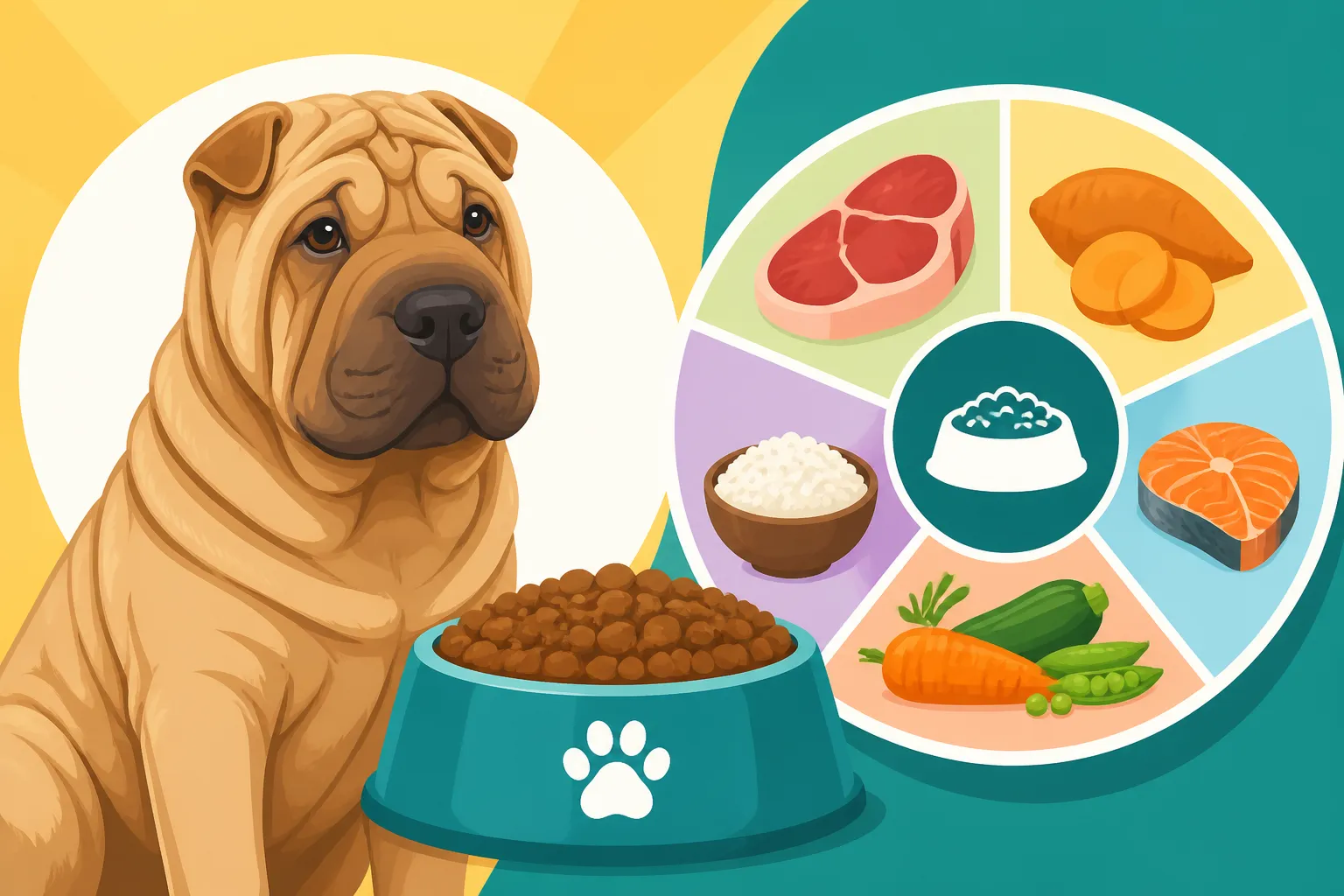
How Much a Shar Pei Eats in a Month
It’s easy to look at your adorable Shar Pei puppy, or even your regal adult, and think that the biggest bills will be for those adorable wrinkles or their sometimes-stubborn antics. But the truth is, one of the most consistent and often underestimated expenses for any Shar Pei owner is simply keeping their beloved companion fed. Understanding how much a Shar Pei eats in a month, and what that actually means for your budget, is crucial for planning and providing the best care. This guide is here to help you navigate those pantry demands and vet recommendations, giving you a realistic picture of what to expect when it comes to your Shar Pei's dinner plate.
Understanding the Variables That Influence Your Shar Pei's Appetite and Needs
When it comes to figuring out how much food your Shar Pei needs and what it’s going to cost you each month, it’s rarely a one-size-fits-all answer. So many factors come into play, from their unique build to their daily zoomies (or lack thereof!). It's not just about scooping food into a bowl; it’s about tailoring their diet to their specific needs.
Age and Life Stage: From Playful Pups to Gracious Seniors
A Shar Pei puppy’s nutritional needs are vastly different from an adult’s, and a senior Shar Pei will have different requirements again. Puppies are like little growth machines, burning through calories at an impressive rate to fuel their rapid development. They typically need more frequent meals and a diet specifically formulated for growth, often higher in protein and fat. This means a bag of puppy food might disappear faster, or you might be buying smaller, more specialized bags. As they mature into adulthood, their metabolism often slows down, and their growth plateaus, so their caloric intake needs to adjust to maintain a healthy weight. What a Shar Pei Puppy Eats at Four Months is a great resource if you're in the early stages with your furry friend.
Then, as your Shar Pei gracefully enters their golden years, their activity levels might decrease, and their metabolism can slow down even further. Many senior Shar Pei benefit from diets designed for older dogs, which often have fewer calories, lower phosphorus, and added joint support to keep them comfortable. The type of food might shift, and while they might eat slightly less in volume, specialized senior formulas can sometimes carry a different price point. This progression means your monthly food budget isn't static; it will likely evolve over your Shar Pei's lifespan. Feeding and Handling an Old Shar Pei touches on these important considerations.
Activity Level and Metabolism: More Than Just Couch Potatoes
Not all Shar Pei are created equal when it comes to their energy expenditure. You might have a Shar Pei who loves a good romp in the yard, enjoys long walks, and is generally quite active. This dog will naturally burn more calories and require a larger food intake to maintain their ideal body condition. On the other hand, a more laid-back Shar Pei, perhaps one who prefers to be a professional sofa ornament, will need fewer calories to avoid gaining unhealthy weight.
Metabolism also plays a huge role. Just like people, some dogs have naturally faster metabolisms, meaning they can eat more without putting on weight, while others might pack on pounds easily. Factors like spay/neuter status can also influence metabolism, often leading to a need for slightly fewer calories. It’s a delicate balance to strike, ensuring they get enough fuel without overdoing it. Regularly assessing your Shar Pei's body condition – feeling for their ribs through their unique folds – is key to knowing if you're hitting that sweet spot. How to Feel a Shar Pei's Ribs Through Its Folds offers practical advice on this.
Size, Gender, and Individual Body Condition
While Shar Pei generally fall within a certain size range, there can be significant variations. A larger male Shar Pei will typically require more food than a smaller female. A dog at the higher end of the breed's weight standard needs more calories to sustain their mass than one at the lower end. Beyond the averages, each Shar Pei is an individual. You might have a Shar Pei with a particularly dense "meat mouth" or a more refined "bone mouth" structure, and their overall frame will influence their ideal weight.
The goal is always to maintain a healthy body condition, not too thin and certainly not overweight. An overweight Shar Pei not only faces general health risks but can also exacerbate breed-specific issues like skin fold dermatitis. Monitoring their weight and adjusting food portions accordingly is a continuous process. Your vet can help you determine your Shar Pei's ideal body weight and provide guidelines on how many calories they need daily. This daily caloric need directly translates into how much food they eat in a month.
Decoding the Different Food Types and Their Monthly Investment
The pet food aisle (or the online pet food store like Chewy) is a bewildering place, filled with countless options that all promise to be the best. For Shar Pei owners, choosing the right food isn’t just about personal preference or price; it often involves considering their unique sensitivities and health predispositions. Each type of food comes with its own general price point and implications for your monthly budget.
Dry Kibble: The Most Common Choice
Dry kibble is by far the most popular and generally the most cost-effective option for feeding a Shar Pei. It's convenient, has a long shelf life, and comes in a vast array of formulations. When selecting kibble for your Shar Pei, quality matters immensely. Look for foods with whole meat protein as the first ingredient, and be mindful of common allergens if your Shar Pei has sensitivities. Many Shar Pei can thrive on a good quality kibble, but it's important to read labels and understand what you're actually feeding them.
The monthly cost of kibble can vary significantly based on brand and ingredient quality. A larger bag of a premium kibble, while more expensive upfront, might last longer than a cheaper, lower-quality bag if your dog absorbs more nutrients from it. Buying in bulk from retailers like Chewy or exploring subscription services can sometimes offer savings. However, always remember that an excellent quality kibble can still mean a substantial monthly outlay, especially if your Shar Pei is on a specific formula for sensitive stomachs or allergies. How Many Cups a Day an Adult Shar Pei Eats will help you estimate how quickly that bag will disappear.
Wet Food and Fresh/Human-Grade Options: A Higher Price Tag
Wet food, whether canned or in pouches, is generally more expensive per calorie than dry kibble. It's often more palatable and can be a good option for Shar Pei with dental issues or those who struggle to drink enough water. However, feeding a Shar Pei exclusively on wet food can become quite costly.
Increasingly popular are fresh or human-grade food services, such as Ollie. These provide pre-portioned, often gently cooked meals that resemble human food. While they offer excellent nutrition and can be wonderful for picky eaters or dogs with digestive issues, they typically represent the highest monthly food expense. The convenience and quality are undeniable, but it's a significant financial commitment. For a Shar Pei with chronic health issues that respond well to a fresh diet, the investment might be worth it in terms of improved health and fewer vet visits, but it's essential to budget accordingly.
Raw and Home-Cooked Diets: Time and Expertise Required
Raw diets (BARF – Biologically Appropriate Raw Food or PMR – Prey Model Raw) involve feeding uncooked meat, bones, and organs. Home-cooked diets consist of preparing meals yourself, often with cooked meats, grains, and vegetables. Both options demand a substantial commitment of time, research, and careful balancing of nutrients to ensure your Shar Pei receives a complete and balanced diet. Without proper formulation, these diets can lead to nutritional deficiencies or excesses, which can have severe long-term health consequences.
The monthly cost of raw or home-cooked diets can fluctuate greatly depending on where you source your ingredients. Buying human-grade meat and supplements can be expensive, sometimes comparable to, or even exceeding, the cost of premium fresh food services. However, if you have access to local butchers or can buy in bulk, it might be possible to manage costs. The biggest "cost" here, beyond the ingredients, is the time and expertise required to formulate these meals correctly. Always consult with a veterinary nutritionist if you are considering a raw or home-cooked diet for your Shar Pei, especially given the breed's unique health profile.
| Food Type | General Monthly Cost Shape | Common Benefits for Shar Pei | Considerations for Shar Pei Owners |
|---|---|---|---|
| Dry Kibble | Generally Lower to Moderate | Convenient, good for dental health (some types), wide variety | Quality varies, potential for allergens, check ingredient list |
| Wet Food | Moderate to Higher | Hydrating, highly palatable, softer on teeth | Can be very expensive for primary diet, less dental benefit |
| Fresh/Human-Grade | Higher to Very High | Highly digestible, often fewer additives, great for picky eaters | Significant cost, requires refrigeration, subscription often needed |
| Raw/Home-Cooked | Highly Variable (can be high) | Allows for tailored ingredients, potentially better digestion | Requires extensive research and vet nutritionist guidance, food safety |
| Prescription/Rx Diet | High | Formulated for specific health issues (e.g., kidney, allergies) | Vet-prescribed only, can be ongoing lifetime cost |
Beyond the Bowl: Hidden Dietary Expenses for Your Shar Pei
Thinking about your Shar Pei's food budget isn't just about the main meals. There's a whole world of other expenses that contribute to their monthly intake, some of which are essential for their health and well-being, while others are simply for spoiling them rotten (which we all do!). Overlooking these can lead to unexpected hits to your wallet.
Treats and Chews: An Everyday Indulgence
Let's be honest, who can resist those adorable Shar Pei eyes when they're begging for a treat? Treats and chews are a staple in most households, used for training, rewarding good behavior, or just because we love them. However, these little morsels add up! Depending on how generous you are and the type of treats you buy, this can be a surprisingly significant monthly expense.
For Shar Pei, choosing appropriate treats is also important. Some breeds are prone to allergies, so opting for limited ingredient treats or single-protein options can prevent skin flare-ups. Dental chews can be beneficial for oral hygiene, but again, the cost of these can vary widely. If you're using treats for regular training, consider breaking larger treats into smaller pieces to make them last longer and control caloric intake. Remember, treats should only make up a small percentage of your Shar Pei's daily calories to prevent weight gain.
Supplements and Additives: Supporting Breed-Specific Needs
Shar Pei, unfortunately, are a breed prone to certain health issues, and sometimes supplements can be recommended by your vet to support their health. For instance, fish oil can be beneficial for skin and coat health, which is a common area of concern for Shar Pei due to their unique skin. Glucosamine and chondroitin might be recommended for joint support, particularly as they age. Probiotics can help with digestive health, especially if your Shar Pei has a sensitive stomach or is on antibiotics.
These supplements are often not covered by pet insurance, although a good policy from Healthy Paws might help with the underlying condition that necessitates the supplement. The monthly cost of these can range from relatively inexpensive to quite high, depending on the supplement and dosage. Always consult your veterinarian before adding any supplements to your Shar Pei's diet, as unnecessary supplementation can sometimes be harmful, and they can advise on which ones are genuinely beneficial for your individual dog. Whether a Shar Pei Needs Fish Oil for Its Skin is a good read if you're considering this.
Prescription and Therapeutic Diets: When Health Demands It
This is where monthly food costs for a Shar Pei can really escalate. If your Shar Pei develops a chronic health condition, your veterinarian might prescribe a special therapeutic or prescription diet. These diets are precisely formulated to help manage conditions like kidney disease, liver disease, food allergies, pancreatitis, or urinary tract issues.
For example, a Shar Pei diagnosed with kidney issues might need a low-protein, low-phosphorus renal diet. Whether a Shar Pei Needs a Special Diet for Its Kidneys details why this is often necessary. If your Shar Pei suffers from severe food allergies, they might require a hydrolyzed protein diet or a novel protein diet to avoid flare-ups. These specialized foods are often significantly more expensive than regular kibble or even some premium fresh foods. Furthermore, they are often a long-term, sometimes lifelong, commitment. The ongoing cost of these prescription diets can be a major budget item, but they are absolutely critical for managing your dog's health and improving their quality of life. This is where comprehensive pet insurance can be invaluable, sometimes helping to offset the costs of vet visits and diagnostics associated with these conditions.
Smart Strategies for Navigating Shar Pei Food Costs
Understanding the variables and the different types of food is one thing, but actively managing those costs is another. As a Shar Pei owner, you’re often balancing the desire to provide the absolute best for your furry friend with the realities of your budget. Thankfully, there are several smart strategies you can employ to keep your monthly food expenses in check without compromising your Shar Pei’s health.
Buying in Bulk and Utilizing Subscriptions
One of the simplest ways to save money on dog food is to buy in larger quantities. Bigger bags of kibble often have a lower price per pound than smaller ones. Of course, you need to ensure you have adequate storage, and that the food won't go stale before your Shar Pei can eat it, especially if you have a smaller dog. Air-tight containers are a must to preserve freshness and keep pests out.
Many online retailers, like Chewy, offer subscription services where you can set up recurring deliveries of your Shar Pei's favorite food. These subscriptions often come with a discount, saving you a percentage off each order, and free shipping, which can add up significantly over time. Plus, it’s incredibly convenient – you never have to worry about running out of food! Just be sure to monitor your dog's intake and adjust the delivery schedule if their needs change. For instance, if your Shar Pei starts gaining weight, you might need to feed a bit less, meaning a bag lasts longer and you can push back your next delivery. Getting Weight Off a Shar Pei has tips if you find yourself in this situation.
Reading Labels and Seeking Value for Money
It’s easy to be swayed by fancy packaging or marketing claims, but becoming a savvy label-reader is one of your most powerful tools. Don't just look at the price tag; look at the ingredient list. A slightly more expensive bag of food that lists whole meat as the first ingredient and avoids excessive fillers might offer better nutritional value, meaning your Shar Pei feels fuller on less food and absorbs more nutrients. This can actually make it more economical in the long run.
Sometimes, a brand might offer a "limited ingredient diet" that is perfect for a Shar Pei with sensitivities, but without the hefty price tag of a prescription formula. Researching different brands and comparing their ingredient quality per dollar can reveal hidden gems. Don't shy away from asking your veterinarian for recommendations on good quality, affordable brands, or if there are any current promotions on therapeutic diets.
Consulting Your Veterinarian for Tailored Advice
Your veterinarian is your most valuable resource when it comes to your Shar Pei's diet and health. They can help you determine the appropriate caloric intake for your dog's age, weight, and activity level. They can also advise on specific food sensitivities, allergies, or health conditions that might require a particular type of diet. Whether a Shar Pei Needs a Limited Ingredient Diet is a conversation you might have with your vet.
Sometimes, paying a little extra for a vet-recommended diet can save you money in the long run by preventing costly health issues. For example, feeding a specific diet to manage allergies might prevent expensive dermatology visits and medications for skin flare-ups. If your Shar Pei is prone to fever episodes, discussing how their diet might affect these can be helpful. Whether a Shar Pei's Diet Affects Its Fevers is an important topic to cover with your vet. They can also provide guidance on appropriate treats and supplements, helping you avoid unnecessary purchases or potentially harmful additives. Don't hesitate to discuss your budget concerns with your vet; they often have practical solutions and alternatives to ensure your Shar Pei remains healthy without breaking the bank.
Disclaimer
This article is for general informational purposes only and does not constitute professional advice. Laws, prices and regulations vary by location and change over time. Consult a qualified professional for guidance on your specific situation.


