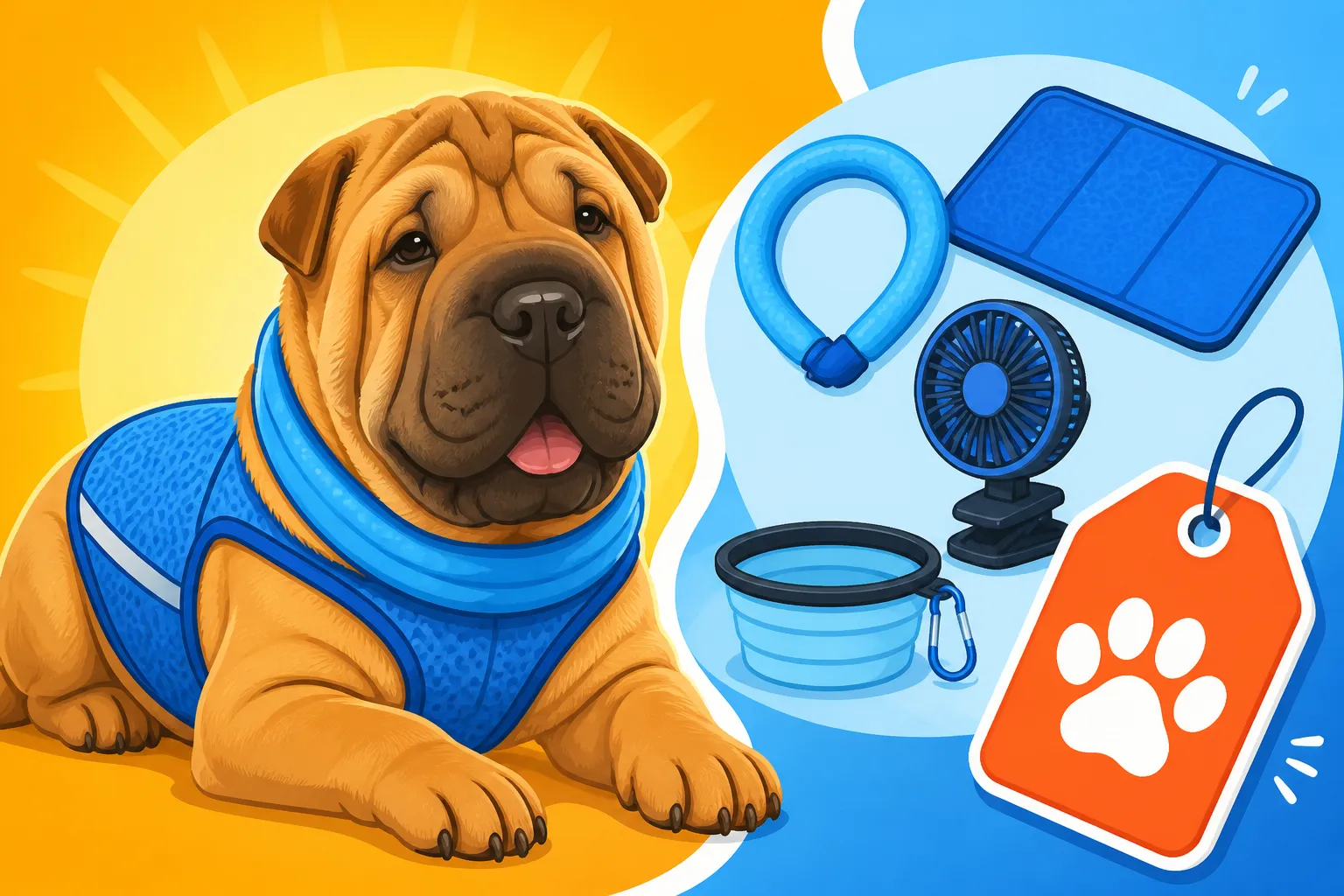
What a Shar Pei’s Cooling Gear Costs
One of the biggest worries for Shar Pei owners, especially when the mercury starts to rise, is keeping our precious wrinkled friends from overheating. It’s not just about their comfort; it's a serious health concern that can quickly become life-threatening. This guide will walk you through the various types of cooling gear available for your Shar Pei and, more importantly, break down the costs you can expect to encounter as you strive to keep them safe and cool year-round.
The Essential Need for Shar Pei Cooling Gear
If you've ever owned a Shar Pei, you know they aren't built for blistering heat. Their unique physiology, which gives them their distinctive charm, also presents significant challenges when it comes to staying cool. Understanding why they struggle is the first step in appreciating the investment in cooling gear.
Why Our Wrinkled Wonders Struggle with Heat
Let's face it, our Shar Pei are beautiful, but their design isn't exactly optimized for cooling down. Their dense, sometimes prickly, coat, whether it's a horse coat or brush coat, can trap heat close to their bodies. Unlike breeds with thin, single coats, a Shar Pei’s coat, though short, can act like an insulating layer. On top of that, their famous skin folds, while adorable, create pockets where heat and moisture can get trapped, leading to discomfort and potential skin issues if not managed. Imagine wearing a heavy, layered outfit in summer; that's a bit like what our Shar Pei experience.
Beyond their coat and folds, many Shar Pei also have somewhat shortened muzzles, though not to the extreme extent of true brachycephalic breeds like Pugs or Bulldogs. However, even a slightly more compact facial structure can mean they aren't as efficient at panting, which is a dog's primary way of expelling heat. This combination of factors — a heat-trapping coat, skin folds, and potentially less efficient panting — makes them particularly vulnerable to overheating. It’s a constant battle, and one we, as their devoted caretakers, need to be prepared for. Heat Management Is Daily Work With a Shar Pei, and it truly is.
Moving Beyond Basic Comfort: Preventing Heat-Related Emergencies
For a Shar Pei, being too warm isn't just about feeling a bit sluggish on a summer day. It can quickly escalate into a medical emergency like heatstroke, which can be fatal. We're talking about temperatures that might feel warm but manageable to us, but are downright dangerous for them. That's why specialized cooling gear isn't a luxury; it's a preventative health measure.
Think about it this way: the cost of a cooling mat or vest seems negligible when compared to an emergency vet bill for heatstroke. When a Shar Pei overheats, their internal organs can start to shut down, leading to kidney damage, neurological issues, or worse. Symptoms can include excessive panting, lethargy, vomiting, diarrhea, and even collapse. Catching it early is critical, but preventing it is always the best course of action. So, when we talk about the costs of cooling gear, we're really talking about an investment in your Shar Pei's long-term health and preventing a terrifying and expensive crisis. How Easily a Shar Pei Overheats is something every owner needs to understand deeply.
Breaking Down the Costs of Different Cooling Solutions
When you start looking into cooling gear, you'll find a range of options, each with its own price point and benefits. It's not a one-size-fits-all situation, and what works best for your Shar Pei might depend on their individual needs, your climate, and your lifestyle.
Cooling Mats and Beds: From Basic to High-Tech
Cooling mats are often the first line of defense for keeping a Shar Pei comfortable indoors. They provide a cool surface for your dog to lie on, helping to draw heat away from their body. The market offers a wide variety, and costs can fluctuate significantly based on the technology and quality.
- Pressure-Activated Gel Mats: These are incredibly popular because they require no electricity or refrigeration. The gel inside reacts to your dog's weight and body heat, creating a cool sensation. You'll find entry-level options that are quite affordable, often found on sites like Chewy, which are great for trying out the concept. These might be basic, thinner mats. Mid-range gel mats will offer thicker gel, more durable outer materials, and better longevity. Premium gel mats might feature advanced gels, multiple layers, or enhanced anti-tear fabrics, commanding a higher price point. They usually stay cool for several hours and then need about 20-30 minutes to "recharge" themselves in a cooler spot.
- Water-Filled Mats: Less common but effective, these mats require you to fill them with water. They tend to be heavier and less portable but can offer a consistent cool surface. The cost is often comparable to mid-range gel mats, but you might need to refill them periodically, and there's always the slight risk of a leak, especially if your Shar Pei is a chewer.
- Elevated Mesh Beds: While not actively "cooling" in the same way as gel or water mats, elevated beds allow for air circulation underneath your Shar Pei. This is a huge advantage, especially in humid climates, as it prevents heat from building up on the floor beneath them. Basic models with a simple metal frame and mesh fabric are quite economical, while more robust, designer, or orthopedic versions will naturally cost more. These are fantastic for both indoor and shaded outdoor use.
When considering a cooling mat, think about the size your Shar Pei needs to comfortably stretch out, the durability of the material (Shar Pei can be tough on beds!), and how easy it is to clean. Whether a Cooling Mat Helps a Shar Pei really depends on getting the right one and ensuring your dog actually uses it!
Wearable Cooling Vests and Bandanas: On-the-Go Protection
For those times you need to take your Shar Pei out and about, or when they're particularly active, wearable cooling gear can be a lifesaver. These are designed to provide temporary relief and help regulate body temperature during walks, trips to the park, or car rides.
- Evaporative Cooling Vests: These vests work by soaking them in water, wringing them out, and then placing them on your dog. As the water evaporates, it draws heat away from the dog's body. They come in various designs and sizes, with more affordable options being simpler designs, and higher-end vests offering better fit, coverage, and materials designed for longer-lasting evaporation. The cost will depend on the brand and material quality, but they're generally a mid-range investment. They are excellent for keeping a Shar Pei comfortable on a walk, especially when you consider Why a Shar Pei Should Not Be Walked at Midday in warmer temperatures.
- Vests with Ice Packs/Gel Inserts: Some vests come with pockets for removable ice packs or gel inserts. These offer a more intense, direct cooling effect. The initial cost might be slightly higher than evaporative vests due to the added components, and you'll need to remember to freeze the inserts. They're great for situations where you need maximum cooling for a shorter duration, like a quick vet trip on a hot day.
- Cooling Bandanas: These are the most economical wearable cooling option. Like evaporative vests, you soak them in water. They provide cooling to the neck area, where major blood vessels are close to the surface, helping to cool the blood circulating to the rest of the body. They are a good supplementary tool but shouldn't be relied upon as a primary cooling solution for a seriously heat-sensitive Shar Pei. Their cost is usually quite low, making them an accessible option for most owners.
One thing to keep in mind, particularly with vests, is Whether a Cooling Vest Reaches a Shar Pei's Skin. Because of their loose skin and wrinkles, some vests might not make consistent contact across the body, which can reduce their effectiveness. Look for adjustable vests that can be snugged up safely without restricting movement.
Portable Cooling Devices: Fans and Small Units
Sometimes, a bit of targeted airflow is all that's needed to make a big difference for your Shar Pei, especially if they're confined to a crate or a specific area.
- Battery-Operated Fans: These small, portable fans are fantastic for crates, dog carriers, or clipping onto a stroller or car seat. They don't actively cool the air, but they create airflow which helps with evaporative cooling (sweating, panting) from your dog's body. You'll find very inexpensive basic models, up to more robust and powerful fans with longer battery life at a higher price. The ongoing cost will be for batteries, or the electricity to recharge if they're USB-chargeable.
- Small Evaporative Coolers: These are mini versions of swamp coolers, pulling air through a water-soaked filter to cool it slightly. They are best used in dry climates, as they add humidity to the air, which can be counterproductive in already humid conditions. They are typically more expensive than simple fans, with models suitable for a small pet space ranging from moderate to high. They also have ongoing costs for water and possibly replacement filters.
- Cooling Towels: These aren't "devices" but fit into this category of portable solutions. Like bandanas, you wet them and drape them over your Shar Pei. They can provide immediate, albeit temporary, relief. They're very inexpensive and a great item to have on hand for emergencies or quick cool-downs. How to Cool a Shar Pei Down quickly often involves these simple, wet towels.
These portable solutions are great for specific situations or as an adjunct to other cooling strategies. They're usually not sufficient as the only cooling method for a Shar Pei in a truly hot environment, but they definitely have their place in a comprehensive cooling plan.
The Ongoing Financial Picture: Maintenance, Replacements, and Hidden Costs
It's easy to focus on the initial purchase price of cooling gear, but savvy Shar Pei owners know that the real cost of ownership extends far beyond that first transaction. There are ongoing expenses, potential replacements, and even "hidden" costs that can add up.
Durability and Replacement Cycles
Unfortunately, cooling gear isn't always a one-time purchase that lasts forever. Like any pet product, it's subject to wear and tear, and sometimes, even the best intentions of your Shar Pei.
- Chewing and Accidental Damage: Shar Pei, especially when they're puppies or if they're bored, can be powerful chewers. A cooling mat that looked indestructible might succumb to persistent gnawing, especially if the gel or water inside seems intriguing. Replacing a torn or punctured mat or vest can be a recurring expense if you don't find a truly durable option or if your dog has a destructive streak.
- Loss of Effectiveness: Gel mats, over time, might lose some of their cooling properties, or the internal gel could clump. Evaporative vests and bandanas can get dirty, develop odors, or their specialized fabrics might degrade, making them less efficient at cooling. Elevated beds, particularly the mesh, can sag or tear.
- Lifespan Expectations:
- Gel Mats: You might get 1-3 years out of a good quality gel mat with regular use, possibly less if your dog is hard on it. More budget-friendly options might only last a single season.
- Vests/Bandanas: With proper care, these might last 2-4 years, but frequent washing and exposure to sunlight can shorten their lifespan.
- Fans: Battery-operated fans often last several years, but the batteries themselves (or the charging capacity) will degrade over time, requiring replacement or a new unit.
- Water Mats: These can last a few years if maintained well and stored properly, but leaks are a perennial risk that can lead to early replacement.
Factoring in these replacement costs means that the "true" annual cost of a cooling solution isn't just the initial price divided by its lifespan; it's also the potential for unexpected damage.
| Cooling Gear Type | Initial Cost Range (General) | Durability / Lifespan | Common Ongoing Costs |
|---|---|---|---|
| Gel Cooling Mat | Moderate to High | 1-3 years | Replacement due to wear/tear |
| Water-Filled Mat | Moderate | 1-3 years | Water, replacement if leak |
| Elevated Mesh Bed | Low to Moderate | 2-5 years | Replacement mesh/frame |
| Evaporative Vest | Moderate | 2-4 years | Washing, occasional replacement |
| Vest w/ Gel Inserts | Moderate to High | 1-3 years (inserts) | Freezing, insert replacement |
| Cooling Bandana | Low | 1-2 years | Washing, occasional replacement |
| Battery-Operated Fan | Low to Moderate | 2-5 years | Batteries/charging |
| Small Evaporative Cooler | Moderate to High | 2-4 years | Water, filter replacement |
The Unseen Costs: Energy Bills and Home Environment Control
Beyond the specific cooling gear you buy, there's a significant, often overlooked, cost associated with keeping a Shar Pei cool: your home environment. Whether Air Conditioning Is a Shar Pei Expense is a resounding yes for many owners.
- Air Conditioning: For most Shar Pei owners in warm climates, air conditioning isn't a luxury; it's a necessity. Running your AC more frequently or at a lower temperature to keep your home comfortable for your dog can significantly increase your electricity bills, especially during peak summer months. This is an ongoing, monthly cost that directly contributes to your Shar Pei's well-being.
- Ceiling and Floor Fans: While less expensive than AC, running multiple fans constantly throughout the day also adds to your electricity consumption. They create air movement, which helps your Shar Pei cool down, but it's not "free."
- Window Coverings and Insulation: While not a direct cost of "cooling gear," investing in good window coverings (blinds, curtains) or improving your home's insulation helps keep heat out, reducing the load on your AC. These are upfront costs that provide long-term energy savings and a cooler environment for your Shar Pei.
These environmental controls represent a substantial, recurring expense that is directly linked to Shar Pei ownership. It’s part of the commitment we make to our unique breed.
The True Investment: Preventing Costly Health Crises
Ultimately, all these discussions about the costs of cooling mats, vests, and increased electricity bills boil down to one critical point: prevention. The relatively modest costs of cooling gear and environmental control are a proactive investment to prevent something far more expensive and heartbreaking: an emergency veterinary visit for heatstroke.
Imagine the scenario: your Shar Pei, despite your best efforts, starts showing signs of heatstroke. The panic sets in, and you rush to the emergency vet. What can you expect? An emergency visit will involve immediate cooling measures (IV fluids, cool towels, fan therapy), blood tests to check for organ damage, and potentially hospitalization for monitoring. The bills for such an emergency can quickly skyrocket, easily reaching hundreds or even thousands of dollars, depending on the severity and the length of care required. Whether a Shar Pei Owner Needs an Emergency Fund is a question many will answer with a firm "yes" after such an experience.
By investing in appropriate cooling gear and maintaining a cool home environment, you're not just buying comfort; you're buying peace of mind and potentially saving your Shar Pei's life and your wallet from a much larger expense. Consider these costs as a vital part of your Shar Pei's overall care budget, akin to quality food or regular vet check-ups. Brands like Healthy Paws, for example, offer pet insurance that can help with unexpected veterinary costs, but proactive prevention with good cooling strategies is always the primary goal.
Disclaimer
This article is for general informational purposes only and does not constitute professional advice. Laws, prices and regulations vary by location and change over time. Consult a qualified professional for guidance on your specific situation.


