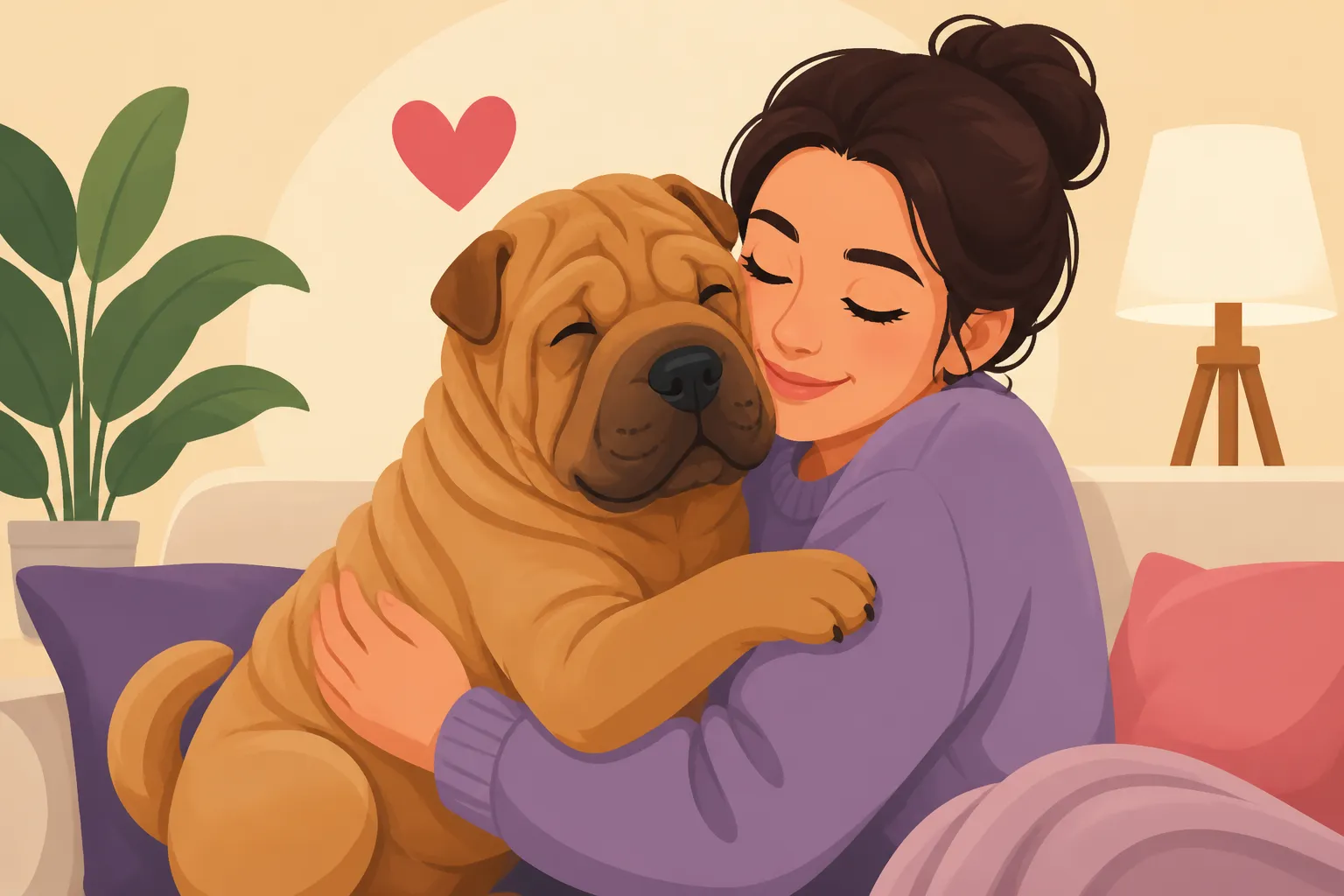
How Affectionate a Shar Pei Is at Home
It’s a common misconception that Shar Pei are aloof, stone-faced dogs who don’t show much affection. Many prospective owners worry they're signing up for a dog that will tolerate them rather than love them, and it's a valid concern when you're dreaming of a warm, furry companion. However, Shar Pei do form deep bonds and express profound affection, it just might not look like the boisterous cuddles you see from other breeds. This guide will help you understand the subtle, yet powerful, ways a Shar Pei shows love within their home and how to foster that unique connection.
Understanding the Shar Pei's Unique Affection Style
When you bring a Shar Pei into your home, you're welcoming a dog with a rich history rooted in guarding and independence. This heritage has shaped their personality, including how they express affection. They aren't typically the type to greet you with an over-the-top, full-body wag or demand constant belly rubs from every person they meet. Their love is often a quiet, steady presence that grows deeper over time, reserved primarily for their inner circle.
Beyond the Cuddles: Signs of Shar Pei Love
Forget the stereotypical Golden Retriever who lives for hugs and sloppy kisses. A Shar Pei's affection is more nuanced, a soft undercurrent rather than a crashing wave. They are deeply loyal creatures, and once they've accepted you into their chosen family, they will demonstrate their devotion in ways that are uniquely "Shar Pei." It might be the way they follow you from room to room, settling close by but not necessarily on top of you. Many owners find their Shar Pei will lean against their legs while they're cooking or sitting on the couch, a subtle physical connection that speaks volumes. How a Shar Pei Shows Affection can delve deeper into these specific gestures.
They might also express affection through a soft sigh of contentment when you pet them just right, a gentle nudge of their head against your hand, or simply resting their head on your foot. These aren't grand gestures, but they are incredibly meaningful from a breed known for its independent spirit. Think of it as a quiet acknowledgment of your presence and their comfort in your company. If you’ve ever had a cat, you might find some parallels in how a Shar Pei chooses to bestow their affection – it’s on their terms, and that makes it all the more special. They observe, they choose, and then they offer their subtle expressions of love.
The Independent Streak: Why They Aren't Always Lap Dogs
The independent nature of the Shar Pei is often mistaken for a lack of affection, and it’s a source of frustration for new owners who want a velcro dog. The truth is, their history as multi-purpose farm dogs in China meant they needed to be capable of independent thought and action, whether guarding the homestead, hunting vermin, or herding livestock. This isn't a breed that evolved to be a constant companion glued to your side. That deep-seated independence means they value their space, even from those they love most. While some individual Shar Pei might enjoy a good cuddle session, especially if it's initiated gently and on their terms, many prefer to be near you rather than on you.
This isn't to say they don't enjoy physical contact. Many Shar Pei love a good scratch behind the ears or a gentle rub down their back. However, they may become uncomfortable with overly enthusiastic hugs or prolonged restraint, which is why understanding Why a Shar Pei Dislikes Being Hugged is so crucial. They appreciate connection, but often prefer it in shorter, respectful bursts. It’s about learning to read their cues: the relaxed posture, the soft eyes, the gentle sigh that signals acceptance versus the stiff body or averted gaze that means "enough, please." Respecting these boundaries is key to building trust and deepening their affection for you. Pushing them into interactions they don't enjoy can actually have the opposite effect, making them more reserved.
Building a Strong Bond with Your Shar Pei
Building a truly affectionate relationship with a Shar Pei takes time, patience, and a deep understanding of their unique personality. It’s not about forcing them to conform to typical dog behaviors, but rather meeting them where they are and appreciating their distinct way of connecting. This bond, once earned, is incredibly strong and deeply rewarding.
Respecting Their Boundaries and Personal Space
One of the most important things you can do to foster affection with your Shar Pei is to respect their personal space and boundaries. Unlike some breeds that thrive on constant attention and physical touch, a Shar Pei can quickly become overwhelmed by too much. Imagine you’re trying to relax, and someone is constantly in your face, demanding attention – it gets tiring, right? For a Shar Pei, consistent intrusion into their personal bubble can be stressful and lead them to withdraw. This is especially true for young children, who might not understand a dog's need for space.
Instead of rushing in for a hug, offer a gentle pet when they approach you. Invite them onto the couch with a soft word and an open hand, but don't force them if they prefer their dog bed on the floor nearby. This respectful approach teaches them that you are a safe, predictable presence in their lives and that their comfort matters to you. Over time, this builds immense trust. A trusted Shar Pei is a more affectionate Shar Pei, because they know they can retreat when needed and that their overtures of affection will be met with understanding. Many owners find that a comfortable, safe space of their own, like a cozy crate or a designated dog bed, helps their Shar Pei feel more secure and therefore more willing to initiate interaction.
Consistent, Positive Reinforcement Training
Training isn't just about teaching commands; it's a powerful tool for communication and bonding with your Shar Pei. Because Shar Pei are intelligent but can be quite independent and The Headstrong Streak Nobody Trains Out of a Shar Pei, positive reinforcement methods work wonders. These methods focus on rewarding desired behaviors, which builds a positive association with you and the learning process. Yelling, harsh corrections, or physical punishment will quickly shut down a Shar Pei, making them wary and less inclined to connect. How a Shar Pei Responds to Harsh Handling highlights the detrimental effects of such approaches.
Consider using a program like BAXTER & Bella, which emphasizes positive, reward-based training and helps you become your dog's leader in a kind and consistent way. This not only teaches them good manners but also strengthens their trust in you. When a Shar Pei feels understood and knows what’s expected of them, they are more relaxed and open to showing affection. Short, engaging training sessions with high-value treats (think tiny pieces of cooked chicken or cheese) can be a fantastic way to bond. Even something as simple as teaching them to "touch" your hand with their nose for a reward can be a delightful and interactive way to build connection. Consistency is key here; a few minutes of positive training every day reinforces your role as a benevolent leader and deepens their bond with you. You might also find interactive puzzle toys, often available on Amazon, can supplement training by engaging their minds and providing mental stimulation, which contributes to overall happiness and a more balanced dog.
| Affection Cue | Common Breeds (e.g., Labs, Goldens) | Shar Pei |
|---|---|---|
| Greeting Upon Arrival | Full body wag, jumping, licking face | Calm tail wag, soft eye contact, follow you to a quiet spot |
| Physical Contact Preference | Demands belly rubs, leans, jumps on lap | Leans against leg, head on foot, accepts petting on their terms |
| Response to Hugs | Often enjoys, melts into hug | May tolerate briefly, often stiffens, prefers less restraint |
| Following Behavior | Shadow your every move, velcro dog | Follows room to room, settles nearby, maintains personal space |
| Playfulness | Boisterous, fetch-obsessed | More reserved, enjoys quiet games, may initiate play with a toy |
Navigating Affection with Strangers and Other Pets
A Shar Pei's loyalty is often directed intensely towards their immediate family, which means their interactions with outsiders and even other animals can be different from what you might expect with other breeds. It’s important to manage these expectations and provide proper guidance and socialization to ensure your Shar Pei is a well-adjusted and secure member of society.
Their Aloofness is Not a Lack of Love
It’s crucial to understand that a Shar Pei's natural aloofness towards strangers is not a sign of aggression or a lack of love for you. It's a deeply ingrained breed characteristic, part of their historical role as guardians. A Shar Pei Was Bred to Guard, Not to Greet, and this instinct is still very much alive in modern Shar Pei. When a new person enters your home, your Shar Pei might observe them quietly, keep their distance, or even retreat to another room. They might not solicit pets or even acknowledge the visitor beyond an initial sniff.
This behavior can be misinterpreted as unfriendly or even mean, but for a Shar Pei, it's often simply cautious. They are assessing the situation, and they will decide, in their own time, if a person is worthy of their attention. Forcing interactions or allowing strangers to rush them will likely make them more reserved. Instead, advise guests to ignore your Shar Pei at first, allowing the dog to approach when and if they feel comfortable. A gentle toss of a treat, without direct eye contact, can sometimes encourage a curious approach. This reserved nature is simply how they are wired; it doesn't diminish the profound bond they share with their chosen family. Understanding How Aloof a Shar Pei Really Is can help manage expectations.
Introducing New People and Animals Thoughtfully
Because of their discerning nature, introducing new people and especially new animals into a Shar Pei's life requires thoughtful planning and management. Remember that critical socialization window as a puppy; Socialize a Shar Pei Before Twelve Weeks or Pay for It Later is an old adage for a reason! Early, positive exposure to a wide variety of people, sounds, and environments is foundational. However, even with good socialization, adult Shar Pei will often remain particular about their companions.
When introducing a new person, do so calmly and in a neutral setting if possible, or at least in a relaxed home environment. Have the new person offer a treat without making direct eye contact or overly enthusiastic greetings. Allow the Shar Pei to sniff and investigate on their own terms. For new animals, especially other dogs, slow introductions are paramount. Parallel walks, where both dogs walk together but separately, can be a great first step. Always supervise initial interactions closely, looking for signs of stress or discomfort from either animal. A The Shar Pei in a Multi Dog Household can work beautifully, but it often requires careful selection and a clear understanding of canine body language. In some cases, especially with rescue Shar Pei who might have an unknown history, seeking guidance from a certified professional dog trainer or behaviorist can be invaluable. Training resources like those from BAXTER & Bella can offer structured approaches to introductions and ongoing management. Remember, your Shar Pei looks to you for safety and guidance, and your calm, confident demeanor will reassure them that new additions are welcome and safe.
Disclaimer
This article is for general informational purposes only and does not constitute professional advice. Laws, prices and regulations vary by location and change over time. Consult a qualified professional for guidance on your specific situation.


