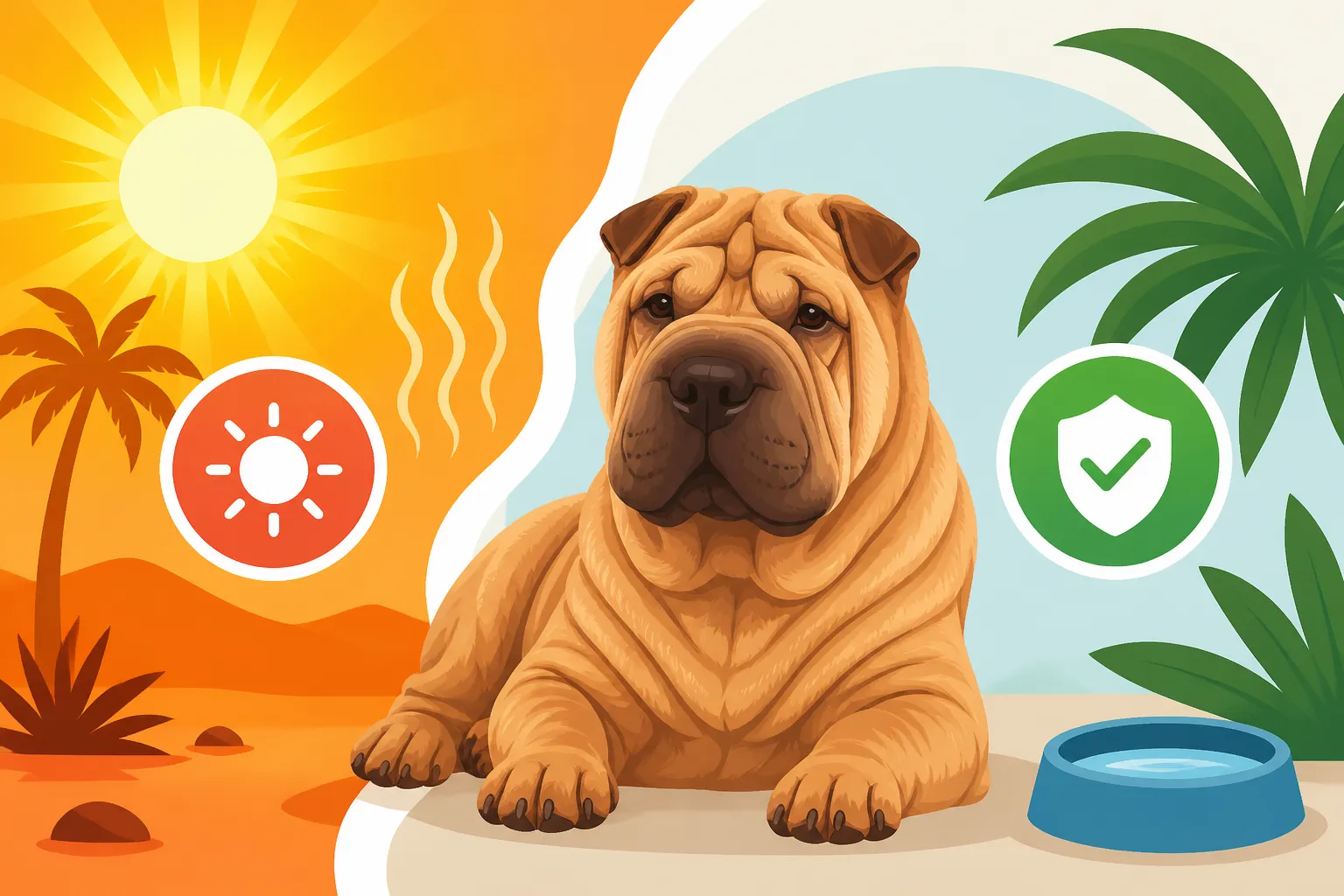
Whether a Shar Pei Can Live in a Warm Climate
It’s a common worry for anyone considering a Shar Pei: their dense coats and famously wrinkled skin might make them seem ill-suited for scorching summers or year-round warm climates. The truth is, while Shar Pei can absolutely thrive in warmer areas, it requires a diligent and proactive approach from their human companions to ensure their comfort and well-being. This comprehensive guide will walk you through the unique challenges Shar Pei face in heat and equip you with the strategies you need to keep your wrinkled friend safe and happy, no matter the thermometer reading.
The Physiological Realities: Why Shar Pei Struggle with Heat
Before we dive into solutions, it's essential to understand why Shar Pei can be particularly sensitive to heat. It’s not just about their fur; it's deeply rooted in their unique physical characteristics and genetic makeup. These aren't just fluffy dogs; they have some intrinsic features that make thermoregulation a real challenge.
Their Unique Anatomy and Thermoregulation
A Shar Pei's distinctive wrinkles and often stocky build, combined with a relatively short muzzle, contribute to their heat sensitivity. Unlike some longer-nosed breeds, Shar Pei are not considered truly brachycephalic (short-nosed), but their muzzle is typically shorter than many breeds, which can slightly impede efficient panting. Panting is a dog’s primary way of cooling down, as they don't sweat efficiently through their skin like humans do. The shorter the muzzle, the less surface area there is for efficient air exchange and evaporation, which is crucial for cooling the blood flowing through the nasal passages.
Beyond their head structure, their coat, whether horse coat or brush coat, provides a surprisingly effective insulating layer, which is great in cooler weather but becomes a disadvantage in the heat. Their dense undercoat, even if short, traps heat against their body. Think of it like wearing a thick sweater on a summer day—it holds in warmth. Furthermore, their skin folds themselves can trap heat and moisture, especially in humid conditions, creating little pockets where the body struggles to dissipate heat effectively. It's a combination of factors that means they just don't shed heat as easily as a sleek-coated, long-nosed breed.
The Link Between Wrinkles, Genes, and Heat Stress
The very genetic mutation that gives Shar Pei their iconic wrinkles also plays a role in their susceptibility to a serious inflammatory condition known as Familial Shar Pei Fever (FSF). This condition is characterized by recurrent episodes of high fever, and while heat exposure doesn't directly cause FSF, environmental stressors like extreme heat can sometimes act as a trigger or exacerbate an underlying episode. The increased amount of hyaluronic acid in their skin, which gives them their wrinkles, is linked to systemic inflammation. When a Shar Pei gets overheated, their body is already working harder, and this stress can potentially trigger a fever or worsen an existing one.
Understanding How the Wrinkle Gene Also Triggers Fever is key to appreciating the broader health implications of heat stress for this breed. This isn't just about discomfort; it can tap into a core genetic predisposition that makes heat management all the more critical for their long-term health. Owners of Shar Pei in warm climates must be extra vigilant, as an elevated body temperature from environmental heat could potentially mask or even lead into a fever episode, making diagnosis and treatment more complex.
Recognizing the Red Flags: Signs Your Shar Pei is Overheating
The key to keeping your Shar Pei safe in a warm climate is recognizing the signs of overheating early. Dogs often try to hide their discomfort, and a Shar Pei's stoic nature can sometimes make it even harder to tell if they're struggling. Don't wait for obvious distress; learn the subtle cues.
Subtle Cues and Early Warning Signals
Before full-blown heatstroke sets in, your Shar Pei will likely give you some subtle hints that they are feeling the heat. Increased panting, even when at rest, is the first and most obvious sign. Pay attention to the type of panting: is it shallow and rapid, or deep and labored? Excessive drooling is another common indicator, as their body tries to cool through evaporation. You might notice their gums appearing redder or darker than usual, indicating increased blood flow as their body attempts to dissipate heat. They might also become restless, pacing around, trying to find a cooler spot, or conversely, become unusually lethargic and unwilling to move.
A Shar Pei might also start seeking out cool surfaces, like tiled floors or even trying to lie in a puddle of water. Their ears might feel noticeably warm to the touch. It’s a good practice for any Shar Pei owner, especially those in warm climates, to know What Temperature Is Too Hot for a Shar Pei and to constantly monitor their dog's behavior for these early cues. If you notice these signs, it's a clear signal to immediately move your dog to a cooler environment and begin active cooling measures. Ignoring these early warnings can quickly lead to a more severe and dangerous situation.
When Heat Stroke Becomes an Emergency
Heat stroke is a serious, life-threatening condition that can occur rapidly if early signs of overheating are ignored. When a Shar Pei's internal body temperature rises to dangerous levels (typically above 104°F or 40°C), their organs can begin to shut down. Symptoms of heat stroke are much more severe than simple overheating and require immediate veterinary intervention. These can include profuse, sticky drooling, vomiting, diarrhea (sometimes bloody), mental confusion, staggering or inability to walk, bright red or purple gums, rapid heart rate, and eventually collapse or seizures. In extreme cases, a Shar Pei might develop a distended abdomen or even go into a coma.
If you suspect your Shar Pei is experiencing heat stroke, every second counts. Begin immediate first aid by moving them to the coolest possible area, apply cool (not ice cold) water to their body, especially their belly, armpits, and groin, and use a fan to increase evaporative cooling. Do NOT submerge them in ice water, as this can cause their blood vessels to constrict and actually hinder cooling. Get them to the nearest emergency veterinary clinic as quickly as possible. Time is of the essence, and waiting can have fatal consequences. What a Shar Pei Owner Should Have at Home should always include a rectal thermometer and the contact information for your emergency vet. Recognizing How Easily a Shar Pei Overheats is the first step in preventing this dire outcome.
Crafting a Cool Environment: Home and Lifestyle Adjustments
Living in a warm climate with a Shar Pei means constantly thinking about their environment and daily routine. It's not just about managing an emergency; it's about prevention and creating a lifestyle that minimizes their exposure to heat and maximizes their comfort.
Optimizing Your Living Space for Comfort
Your home is your Shar Pei's sanctuary, and in warm climates, it needs to be a refuge from the heat. This often means running air conditioning, sometimes more than you might for yourself. Whether a Shar Pei Needs Air Conditioning isn't really a question if you want to keep them comfortable and safe in hot weather; it's often a necessity. Keep your AC unit well-maintained and consider a smart thermostat to ensure consistent temperatures, especially when you're not home. If central air isn't an option, strategically placed window units or portable ACs in your Shar Pei's favorite rooms can make a huge difference.
Beyond active cooling, think about passive cooling methods. Close curtains and blinds during the hottest parts of the day to block direct sunlight and radiant heat. Use fans to circulate air, but remember that fans primarily cool by increasing evaporation from the skin, which dogs don't do efficiently. Still, a fan can help move hot air away from them. Provide cool resting spots: tiled floors, or specialized cooling mats available on platforms like Amazon, can draw heat away from their body. Ensure fresh, cool water is always available in multiple locations, perhaps even adding ice cubes to encourage drinking. An elevated dog bed can also promote airflow underneath them, offering a slightly cooler resting spot than a solid mattress on the floor.
Smart Scheduling for Outdoor Activity
One of the biggest adjustments for Shar Pei owners in warm climates is rethinking their exercise routine. The traditional midday walk is absolutely out of the question during summer months or periods of high heat. Instead, embrace the early mornings and late evenings. Whether a Shar Pei Should Be Walked Only at Dawn in Summer is often the safest and most comfortable option, with another short outing after sunset. These times usually offer the lowest ambient temperatures and cooler ground surfaces. Remember, pavement can absorb and retain heat, becoming dangerously hot and burning paw pads long after the air temperature has dropped slightly. Test the pavement with the back of your hand; if it's too hot for you to hold for five seconds, it's too hot for your dog's paws.
Keep walks shorter and less intense during warmer periods. Focus on mental stimulation indoors with puzzle toys or training sessions rather than strenuous outdoor exercise. How Much Exercise a Shar Pei Needs will need to be adjusted based on the daily temperature and humidity. On particularly sweltering days, even a short potty break outside might be too much. In these instances, a patch of artificial turf or a designated indoor potty area might be a safer alternative. If you have access to a shallow pool or sprinkler, supervised water play can be a fantastic way for your Shar Pei to cool down, provided they enjoy it and their folds are meticulously dried afterwards to prevent skin infections. Remember, Why Heat Limits a Shar Pei's Walk is a non-negotiable safety concern, not just a matter of convenience.
Essential Gear and Proactive Measures: Tools for Heat Management
Just like you wouldn a special outfit for a marathon or use specific tools for a home project, managing a Shar Pei in a warm climate benefits greatly from the right gear and consistent proactive measures. These are your allies in the fight against overheating.
Cooling Aids and Hydration Strategies
Investing in effective cooling gear can make a world of difference for your Shar Pei. Cooling mats, often filled with gel or water, provide a cool surface for them to lie on, helping to draw heat away from their body. Cooling vests, which can be soaked in cold water and worn, work by evaporative cooling, mimicking a dog's natural cooling mechanisms (though they need to be kept wet to be effective). Some dogs even tolerate cooling bandanas around their neck. You can find a wide variety of these products, including options for What a Shar Pei's Cooling Gear Costs, on online retailers like Amazon. Remember to supervise your dog with any new cooling product to ensure they use it safely and don't try to chew it.
Hydration is paramount. Always provide multiple bowls of fresh, cool water around the house and in any outdoor areas they access. Consider a large, spill-proof travel bowl for walks and car rides. Some dogs enjoy water with a few ice cubes, which can make it more appealing and help lower their internal temperature slightly. Even if your Shar Pei isn't keen on drinking a lot, you can encourage fluid intake through wet food or by adding a little water to their kibble. For dogs that truly struggle, your vet might even suggest electrolyte solutions. A good approach is to make water accessible and appealing everywhere they go.
Grooming and Health Checks as Preventative Care
While you shouldn't shave a Shar Pei (their coat protects them from sunburn and helps with insulation), proper grooming plays a critical role in heat management. Regular brushing, especially for brush-coat Shar Pei, helps remove loose undercoat, which can trap heat. This allows for better air circulation against their skin. Care & Nutrition: Drying Is More Important Than Washing on a Shar Pei applies in all seasons, but especially in warm, humid weather where moisture trapped in folds can lead to skin infections, which add stress to their system.
Beyond grooming, maintaining your Shar Pei's overall health is a crucial preventative measure. Overweight dogs are far more susceptible to overheating, as fat acts as an insulator and they have to work harder to move. Ensure your Shar Pei maintains a healthy weight through appropriate diet and exercise. Regular veterinary check-ups are also vital to catch any underlying health issues that could compromise their ability to handle heat. Conditions like heart or respiratory problems can significantly increase a Shar Pei's risk of heat-related illness. Discuss any concerns you have about your Shar Pei's heat tolerance with your vet; they can offer personalized advice and monitor for early signs of trouble. This proactive partnership is essential for a Shar Pei living in a hot climate.
Long-Term Considerations: Making Warm Climates Work for Your Shar Pei
Bringing a Shar Pei into a warm climate means committing to a lifestyle that prioritizes their comfort and safety year-round. It's not just about surviving summer; it's about integrating heat management into every aspect of their care.
Dietary Choices and Hydration Focus
The choices you make about your Shar Pei's diet can indirectly support their ability to cope with heat. While no diet can magically make them heat-proof, a high-quality, easily digestible food can contribute to their overall health and energy levels, which in turn helps their body function optimally, including thermoregulation. Some owners find that feeding wet food, or adding water to dry kibble, helps increase their fluid intake, which is beneficial in warm weather. You might even consider feeding smaller, more frequent meals rather than one large meal, as digesting a large meal can temporarily increase body temperature.
More critically, maintaining consistent hydration must be a constant focus. Beyond bowls of water, consider investing in a dog water fountain, which can encourage some dogs to drink more due to the flowing water. For longer outings, a portable water bottle with an attached bowl is non-negotiable. If your Shar Pei is not drinking enough, flavored water (like a small amount of low-sodium chicken broth) can sometimes tempt them. Remember, adequate hydration supports all bodily functions, including circulation and kidney health, which are vital for a breed prone to issues like Why a Shar Pei's Kidneys Need Watching From Two Years Old and Amyloidosis Is What Actually Kills a Shar Pei. A well-hydrated dog is a dog better equipped to handle environmental stressors.
The Importance of Vet Partnership and Ongoing Monitoring
Your veterinarian is your most valuable partner in ensuring your Shar Pei thrives in a warm climate. They can provide breed-specific advice, monitor for any developing health conditions, and help you create a personalized heat management plan. Don't hesitate to ask your vet about preventive measures, such as annual blood work to check organ function, especially if your Shar Pei has had any heat-related incidents or FSF episodes. They can also advise on appropriate emergency care and medication to have on hand.
Ongoing monitoring means maintaining a detailed log of your Shar Pei's behavior, water intake, and any signs of heat stress. If you notice an increase in panting, lethargy, or changes in thirst, document it. This information can be incredibly helpful for your vet in identifying patterns or diagnosing underlying issues. Consider investing in training resources, perhaps from a provider like BAXTER & Bella, to teach your Shar Pei calm indoor behaviors and acceptance of handling for checks or cooling applications. A well-trained and cooperative dog is easier to manage during stressful situations, like overheating. While the costs can feel significant, understanding What an Emergency Visit for Shar Pei Fever Costs highlights the importance of proactive care and monitoring to avoid more expensive and critical situations.
Navigating Seasonal Challenges and Travel with Your Shar Pei
Even with the best preparation, living in a warm climate with a Shar Pei means you'll face seasonal challenges and need to plan carefully for travel. It's about being ready for anything Mother Nature throws your way.
Coping with Humidity and Sudden Heatwaves
It's not just the temperature that matters; humidity plays a huge role in how well a Shar Pei can cool down. High humidity reduces the effectiveness of panting because the air is already saturated with moisture, making it harder for water to evaporate from their respiratory tract. This means a 90-degree day with high humidity can be far more dangerous than a 95-degree day with dry heat. Always check the heat index, not just the temperature, before planning any outdoor activities. On humid days, keep your Shar Pei strictly indoors with air conditioning and avoid even short walks if possible.
Sudden heatwaves, especially at the start of summer, can be particularly dangerous because dogs haven't had a chance to acclimate to the heat. Even in regions where warm weather is the norm, an unseasonable spike can catch you off guard. Have your cooling strategies in place before the heat arrives. Ensure your AC is serviced, cooling mats are ready, and a supply of fresh water is always available. During these times, it’s critical to remember that Heat Management Is Daily Work With a Shar Pei, not just a sporadic task. Limit car rides, as vehicle interiors can quickly become death traps, even with windows cracked. Never, ever leave your Shar Pei alone in a parked car, not even for "just a minute."
Safe Travel and Outdoor Adventures
Traveling with a Shar Pei in a warm climate requires meticulous planning. If you're driving, ensure your car's air conditioning is functioning perfectly and that your dog has access to cool air throughout the journey. Consider sun shades for the car windows to prevent direct sun exposure. Always have plenty of fresh water and a portable bowl on hand, and plan your stops in shaded areas. Cooling vests or bandanas can be useful during rest stops, but remember they need to be re-wet frequently.
When considering outdoor adventures like hiking or trips to dog parks, always prioritize your Shar Pei's safety over your desire for activity. Many public spaces, especially dog parks, offer little shade and can have very hot surfaces. Opt for natural areas with plenty of trees for shade, or better yet, avoid strenuous activities entirely on hot days. Remember, The Household a Shar Pei Was Built For is one that prioritizes their comfort and health, often meaning less time in extreme outdoor conditions. If you're planning any activity that might expose your Shar Pei to heat, it's always best to have a backup plan or reconsider if the conditions aren't ideal. Your Shar Pei's health and well-being depend on your vigilance and careful planning.
| Cooling Method | How it Works | Best For | Considerations |
|---|---|---|---|
| Air Conditioning | Lowers ambient air temperature, removes humidity | Indoor primary cooling | Electricity cost, power outages, indoor-only |
| Cooling Mats | Absorbs body heat via gel or water | Resting spots, short-term relief | Can warm up, some dogs chew them, need supervision |
| Cooling Vests/Bandanas | Evaporative cooling from soaked fabric | Walks, outdoor potty breaks | Needs to be kept wet, dog tolerance varies |
| Fans (Circulating) | Moves air, aids evaporation (less effective for dogs) | Enhances AC, mild heat relief | Does not cool air, only moves it |
| Shallow Water/Sprinkler | Direct skin contact with cool water | Play, quick cool-down | Requires supervision, thorough drying of folds afterwards |
| Iced Water/Ice Cubes | Internal cooling (drinking), external application | Hydration, extreme heat (paws, chest) | Offer, don't force; external use must be managed |
| Shade | Blocks direct sun, radiant heat | Outdoor resting, essential for any outdoor time | Not enough on its own in extreme heat |
Disclaimer
This article is for general informational purposes only and does not constitute professional advice. Laws, prices and regulations vary by location and change over time. Consult a qualified professional for guidance on your specific situation.


