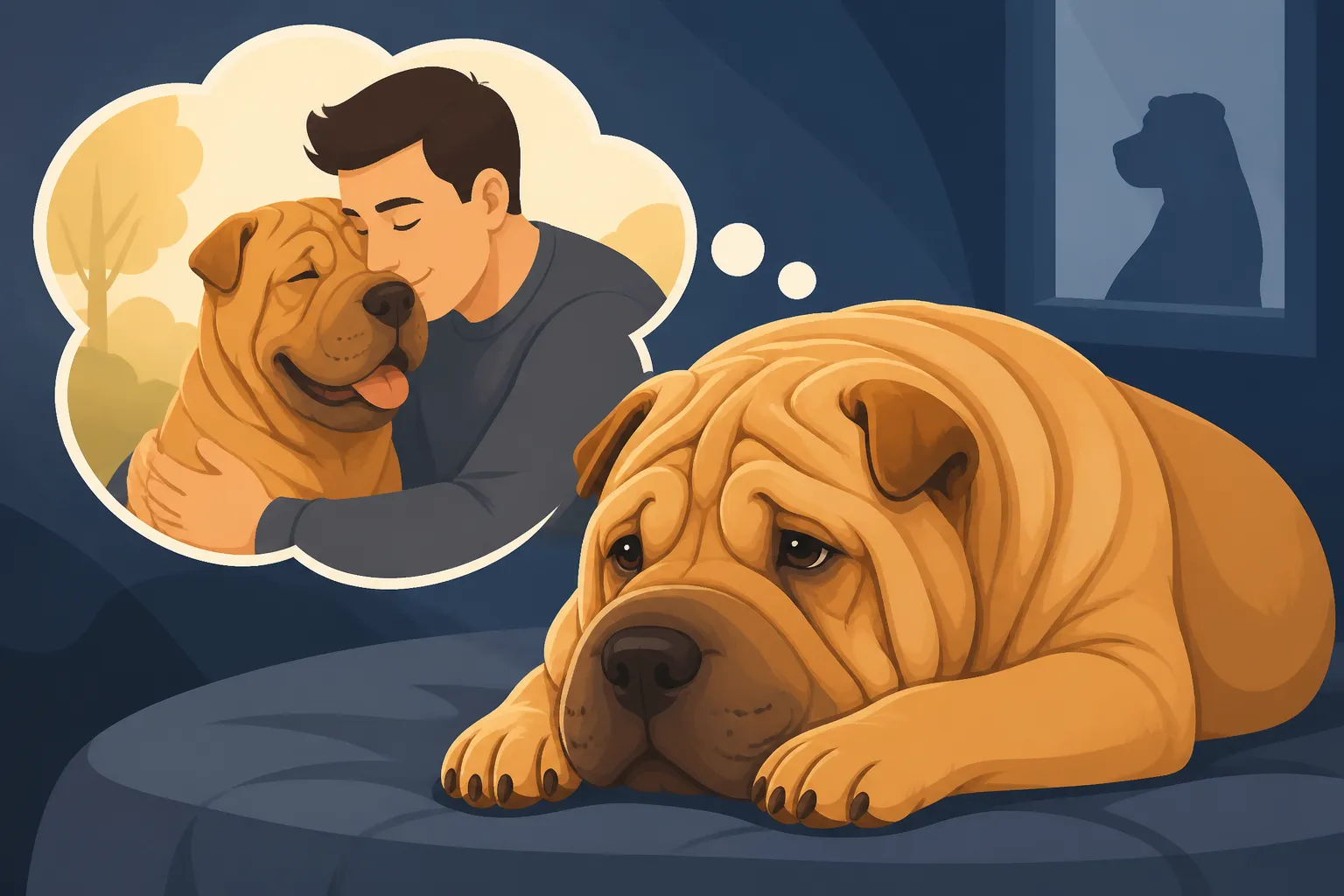
How a Shar Pei Grieves an Owner
It's absolutely heartbreaking when a beloved family member passes away, and what often gets overlooked in our own grief is the profound impact such a loss has on our dogs. For Shar Pei owners, this can feel even more complex because our wrinkly companions are often seen as aloof or independent. But let me tell you, when a Shar Pei loses someone they've deeply bonded with, they grieve intensely, and understanding how they express that sorrow is crucial to helping them through it. This guide will walk you through recognizing the signs of grief in your unique Shar Pei and offer compassionate strategies to support them during such a difficult time.
The Depth of a Shar Pei's Bond: Why Grief Hits Hard
Many people unfamiliar with Shar Pei might describe them as a bit stubborn or even stand-offish. They’re not usually the breed that greets every stranger with a wagging tail and slobbery kisses. But this public facade often hides a deeply devoted and incredibly loyal heart, especially towards their chosen family. When a Shar Pei forms a connection, it’s not a casual acquaintance; it’s a profound bond that shapes their entire world.
Understanding Their "One-Person" Nature
While it's a generalization, many Shar Pei do exhibit a tendency to choose a primary person within their household, becoming their shadow and confidante. This isn't to say they don't love everyone else, but there's often one individual they look to for reassurance, comfort, and direction above all others. This deep connection means that the loss of that person can be absolutely devastating for them. Think of it from their perspective: their rock, their constant, the one who understood their subtle nudges and quiet gazes, is suddenly gone. It's a fundamental shift in their entire existence.
They might not always be demonstrative, but the bond is undeniably there. If you've ever felt that fierce loyalty, you know what I mean. A Shar Pei's affection often expresses itself in quiet ways – a gentle lean against your leg, following you from room to room, or simply being content to exist in your presence. When that presence is removed, it leaves an enormous void. This isn't a breed that bounces back from a significant loss quickly, and their stoicism can often mask the immense pain they're feeling. They process the absence, the change in routine, and the emotional shift in the household, and it affects them deeply. You might have noticed The One Person Streak in a Shar Pei in your own dog.
The Quiet Intensity of Their Affection
Unlike some more outwardly expressive breeds, a Shar Pei's display of affection can be incredibly subtle. They don't typically jump and lick incessantly; instead, they might offer a soft nudge, a deep sigh as they settle beside you, or a head resting on your lap. This quiet intensity means that their grief, too, can be expressed in less obvious ways, making it harder for an already heartbroken owner to recognize. You might expect dramatic wails or obvious signs of distress, but for a Shar Pei, it's often a slow fading, a withdrawal, or a quiet sadness that permeates their usual routine.
Their world is built around their family, and while they can be independent, they are not solitary creatures. They thrive on the rhythm of the household and the familiar faces and scents within it. When a key figure is removed, that rhythm is disrupted, and their sense of security can be profoundly shaken. It's important to remember that How a Shar Pei Bonds to Its Family is a unique experience, often built on trust and mutual respect, rather than effusive demonstrations. This deep, quiet connection is precisely what makes their experience of grief so potent.
Recognizing the Signs of Grief in Your Stoic Shar Pei
Identifying grief in any dog can be challenging, but with a Shar Pei's naturally reserved demeanor and often unreadable facial expressions (thanks to those wonderful wrinkles!), it can be even trickier. They aren't always going to cry or howl overtly. Instead, look for subtle, persistent changes in their behavior, appetite, and energy levels.
Changes in Appetite and Sleep
One of the most common indicators that something is off with a grieving Shar Pei is a noticeable change in their eating habits. They might refuse food altogether, pick at their meals, or suddenly become very finicky about what they'll eat, even if it was previously their favorite. This isn't just a day or two; it can be prolonged. The stress and emotional distress directly impact their digestive system, and a lack of interest in food can quickly lead to weight loss and a decline in overall health if not addressed. Similarly, their sleep patterns can be severely disrupted. Some grieving Shar Pei might sleep excessively, using sleep as an escape or a way to cope with their sadness, while others may become restless, pacing at night, unable to settle, or waking frequently. You might find them seeking out the deceased owner's favorite sleeping spot or belongings, trying to find comfort in familiar scents.
It's also worth noting that Shar Pei are masters at hiding discomfort, so while they might be in emotional pain, they might not outwardly show it in ways other breeds would. They are not dogs to fuss or demand attention with their grief, making it easy to miss if you're not paying close attention. This stoicism means you really have to tune into their baseline behaviors to notice the subtle deviations. When assessing their overall well-being, consider Whether a Shar Pei Hides Pain.
Behavioral Shifts and Seeking Comfort (or Withdrawal)
Grief manifests in various behavioral changes. Your usually playful Shar Pei might lose interest in toys or games, or their daily walk becomes a mere formality rather than an adventure. They might become clingier, seeking more physical contact and reassurance than usual, perhaps following you even more closely or pushing their head into your hand for pets. This can be their way of finding comfort and trying to fill the void left by their lost companion. On the other hand, some Shar Pei might withdraw entirely, isolating themselves in another room, under furniture, or simply becoming less engaged with the remaining family members. They might seem lethargic, depressed, or generally "down."
You might also notice behaviors that seem out of character. An otherwise quiet Shar Pei might start barking or whining more, especially when left alone, indicating separation anxiety related to the loss. Conversely, a vocal Shar Pei might become eerily silent. Some dogs may even experience a temporary regression in house-training, as their emotional state overwhelms their learned behaviors. Look for changes in How a Shar Pei Shows Affection – are they not nudging you as much? Are they less enthusiastic about your return home? These subtle shifts are significant.
Physical Manifestations (Though Less Common, Worth Mentioning)
While primarily an emotional response, severe grief and stress can sometimes manifest in physical ways in dogs. For a Shar Pei, known for certain breed-specific health concerns, prolonged stress can potentially exacerbate existing conditions or make them more susceptible to new ones. This isn't to say grief causes illness directly, but the chronic stress response can weaken their immune system. You might see:
- Dull Coat: A typically healthy, shiny coat might appear dull or flaky.
- Excessive Shedding: Stress can trigger increased shedding.
- Gut Upset: Beyond just refusing food, some dogs may experience diarrhea or vomiting due to stress, though always rule out medical causes with a vet.
- Lethargy: A general lack of energy that goes beyond simply sleeping more.
It’s always wise to consult your veterinarian if these physical signs persist, especially given how well Shar Pei can mask underlying issues. They can help rule out any medical conditions that might be mimicking or worsening the grief symptoms.
Supporting Your Grieving Shar Pei Through Loss
The grieving process is unique for every dog, just as it is for humans. There's no set timeline, and patience, empathy, and consistency are your most powerful tools. Your Shar Pei needs you now more than ever.
Maintaining Routine and a Safe Space
Dogs thrive on routine and predictability, and a Shar Pei is no exception. In the chaotic aftermath of a loss, it's easy for daily schedules to fall apart, but maintaining as much of your Shar Pei's normal routine as possible can provide a vital sense of security. Stick to regular feeding times, walk schedules, and even playtime. This consistency tells them that while things have changed, the fundamental structure of their world is still intact.
Creating a safe, quiet space where they can retreat is also crucial. This might be their crate, a cozy bed in a low-traffic area, or even simply a quiet corner. Ensure they have access to their favorite blankets, toys, and perhaps even an article of clothing from the deceased owner – the familiar scent can be incredibly comforting. Consider using calming aids like a pheromone diffuser or a calming treat (always check with your vet first) from brands available on platforms like Amazon, which can help create a more serene environment. Just like we might need a quiet room to process our feelings, a Shar Pei needs a sanctuary where they feel protected and can mourn in peace. If you find your Shar Pei struggling with being alone, you might want to look at resources for Separation Anxiety in a Shar Pei as grief can often trigger or worsen these behaviors.
Gentle Engagement and Positive Reinforcement
While it's important not to force interaction, gentle engagement can help bring your Shar Pei back from their shell. Offer short, low-pressure play sessions with their favorite toys, or invite them for a quiet cuddle on the sofa. Don't be discouraged if they're not immediately responsive; consistency is key. When they do engage, even in a small way, offer positive reinforcement with praise, gentle strokes, or a high-value treat.
Avoid scolding or reprimanding them for unusual behaviors that might arise from their grief, such as a house-training accident or a sudden bout of barking. Instead, gently redirect them or clean up quietly. Remember, they are suffering, and harshness will only add to their distress. You already know How a Shar Pei Reacts to a Raised Voice, and in a time of grief, sensitivity is paramount. Focus on reinforcing positive interactions and helping them feel safe and loved. Sometimes, even just sitting quietly with them, offering a calm presence, is enough.
When to Seek Professional Help
There are times when a grieving Shar Pei may need more support than you can provide alone. If your dog's symptoms are severe or prolonged—such as complete refusal to eat, significant weight loss, lethargy that doesn't improve, or behaviors that become destructive or self-harming—it's essential to seek professional guidance.
Your veterinarian is your first point of contact. They can rule out any underlying medical conditions and may suggest medications to help manage anxiety or stimulate appetite. Additionally, a certified professional dog trainer or veterinary behaviorist can offer tailored strategies and support. They might recommend specific behavioral modification techniques or environmental enrichments. Online resources, like those offered by BAXTER & Bella, sometimes have sections on behavioral challenges or ways to re-engage dogs that have lost their spark, which could be a good supplementary resource for keeping them mentally stimulated. Don't feel guilty about seeking help; it's a sign of a loving owner doing everything possible for their cherished companion. It's about getting your Shar Pei the support they need to navigate this incredibly tough period.
Helping Your Shar Pei Adjust to a New Normal
The journey through grief is not about "getting over" the loss, but about adjusting to a new way of living without the presence of the loved one. For your Shar Pei, this means slowly but surely finding comfort and joy in their changed world.
Patience and Understanding
This cannot be stressed enough: patience is paramount. There is no timeline for grief. What might take one dog a few weeks could take another several months, or even longer. Your Shar Pei might have good days and bad days, much like humans do when mourning. Understand that setbacks are normal, and periods of sadness might resurface, especially around significant dates or if a particular scent or sound triggers a memory.
Continue to offer a stable, loving environment. Avoid making drastic changes to their living situation or introducing new pets too quickly, unless specifically advised by a professional. Give them the space they need to process, but also be present and available for comfort and reassurance. Remember that Stubborn or Independent: Reading a Shar Pei means understanding their unique communication style, which might be even more subdued during this sensitive time. A gentle touch or a soft voice can convey more than many words.
Introducing New Comforts or Companions (Carefully)
Over time, as your Shar Pei begins to show signs of emerging from their deepest grief, you can consider gently introducing new elements into their life. This doesn't mean replacing the lost loved one, but rather enriching their current environment.
- New Activities: Perhaps a new walking route, a puzzle toy from Amazon, or a different type of treat can spark a little interest.
- Learning Something New: Engaging their mind can be a powerful distraction and confidence booster. Consider some basic obedience refreshers or even trick training. Online platforms like BAXTER & Bella can be great for structured, positive reinforcement training from home.
- New Companionship: This is a delicate topic. Introducing another dog or cat should only be considered when your Shar Pei has clearly shown significant signs of healing and is open to new relationships. Even then, careful, slow introductions are essential, ensuring the new companion is a good match for your Shar Pei's personality. This isn't about replacing; it's about adding a new, positive element to their life. Sometimes, just having another calm presence can make a huge difference, but forcing it too soon can be detrimental.
Ultimately, your Shar Pei looks to you for safety and love. By being their rock, understanding their unique grieving process, and offering consistent, gentle support, you can help them navigate this painful journey and eventually find joy in life again. Their love for their lost family member will always remain, but with your help, they can learn to carry that love forward.
Disclaimer
This article is for general informational purposes only and does not constitute professional advice. Laws, prices and regulations vary by location and change over time. Consult a qualified professional for guidance on your specific situation.