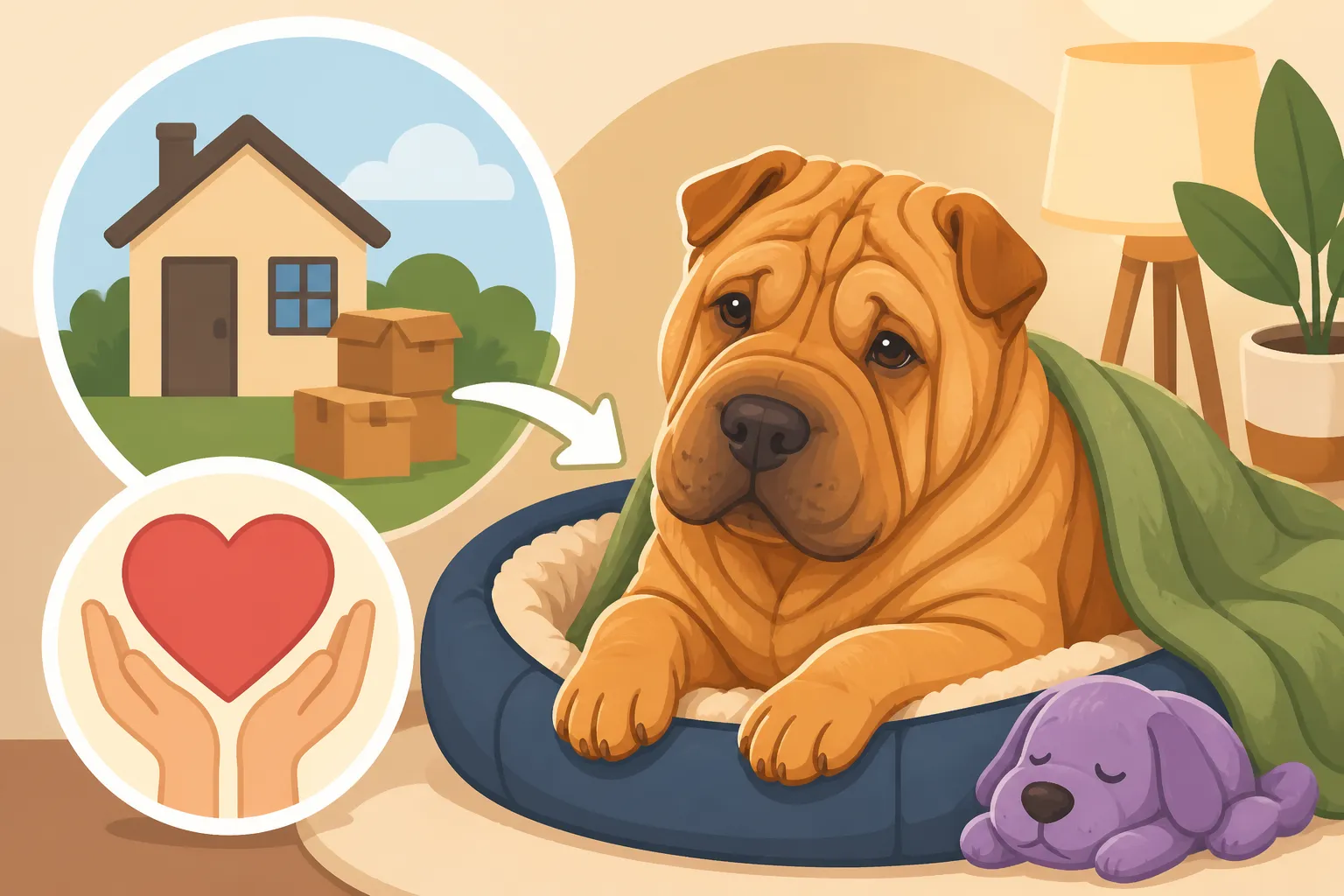
Settling a Shar Pei That Has Changed Homes
Bringing a new Shar Pei into your home, especially one that has already experienced a change in environment, can be a journey filled with both immense joy and significant challenges. It's not uncommon for these magnificent dogs to struggle with the transition, displaying behaviors that might seem puzzling or frustrating. This guide is here to walk you through the process, offering empathetic, realistic advice to help your new Shar Pei settle in, build trust, and truly become a part of your family.
Understanding the Shar Pei's Nature in Transition
Shar Peis are a breed with a deep sense of loyalty and a strong, independent spirit. While this makes them wonderful companions, it also means they don't always adapt to change as easily or overtly as some other breeds. When a Shar Pei moves to a new home, they aren't just adjusting to new sights and smells; they are navigating a complete upheaval of their world, often without understanding why.
Why Change is Particularly Stressful for a Shar Pei
Imagine suddenly being in a new place where everything is unfamiliar, your routine is gone, and the people you knew are no longer there. For a Shar Pei, this experience is amplified by their inherent cautiousness and often their limited peripheral vision. They are naturally wary of strangers and new situations, a trait stemming from their historical role as guardians. This isn't aggression; it's often a deep-seated instinct for self-preservation and a need to assess threats. A new home presents a myriad of "threats" from their perspective – new sounds, different floor textures, unfamiliar furniture, and most importantly, new humans whose intentions are yet unknown.
Their unique physical characteristics, like deeply set eyes and wrinkles, can also mean their field of vision is narrower than many other breeds. This can make them easily startled, particularly if approached from the side or behind, adding to their anxiety in an unfamiliar space. A sudden movement or an unexpected person appearing can be genuinely frightening for a Shar Pei whose sightlines are already compromised. Understanding that they literally Why a Shar Pei Startles: It Cannot See You Coming can help you approach them in a way that minimizes surprise and fear. This innate wariness means that trust isn't given freely; it's earned, slowly and consistently, over time.
Common Behavioral Responses to a New Environment
When a Shar Pei feels overwhelmed or insecure in a new home, their behaviors can manifest in various ways, and it's important not to take these personally. Some might retreat, hiding under furniture or in a quiet corner, refusing to engage. This is their way of trying to feel safe and process the overwhelming sensory input. Others might refuse food or water for a day or two, or even experience temporary digestive upset. House-soiling, even in an otherwise house-trained dog, can happen due to stress, a disruption in routine, or simply not knowing where their designated potty area is.
You might also observe heightened aloofness, even more so than their typical breed characteristic. They might ignore you, avoid eye contact, or seem uninterested in affection. This isn't a rejection; it's a coping mechanism. They're processing, observing, and trying to figure out their place. Some Shar Peis might display subtle forms of resource guarding – perhaps guarding a bed, a toy, or even a specific doorway – as they try to establish security and control in their uncertain world. It’s crucial to understand these aren't "bad" behaviors but rather stress responses, and your calm, consistent approach is the key to helping them move past them.
The First Few Weeks: Creating a Safe Haven
The initial period after a Shar Pei arrives in a new home is critical. It's a time for quiet observation, gentle reassurance, and establishing clear, predictable boundaries that will help your dog feel secure. Think of yourself as a calm port in their storm of change.
Preparing Your Home for Their Arrival
Before your Shar Pei even steps paw across your threshold, take some time to prepare their new space. Designate a quiet, low-traffic area for them – this could be a laundry room, a quiet corner of the living room, or a spare bedroom. In this space, set up a comfortable dog bed or a crate if they are crate-trained. A crate, when introduced properly, can become a safe, den-like retreat where they feel secure and can decompress. Consider using calming pheromone diffusers or sprays, which can subtly help reduce stress for many dogs. Make sure the area is puppy-proofed, removing anything they might chew on or that could be hazardous.
Having essential supplies ready is also paramount. You'll want a sturdy leash and collar (or harness), appropriate food and water bowls, a few safe chew toys, and cleaning supplies for any accidents. Many owners find it helpful to order these items beforehand from places like Amazon, ensuring everything is on hand for a smooth arrival. Having these basics ready reduces chaos and allows you to focus purely on your new dog's needs during those first few hours and days. A quiet, prepared environment signals safety and stability, which is exactly what a Shar Pei needs. You can refer to What a Shar Pei Owner Should Have at Home for a comprehensive list.
Establishing a Predictable Routine
Shar Peis thrive on routine and predictability. In their new, uncertain world, a consistent schedule acts like a compass, helping them understand what to expect. From day one, establish a clear routine for feeding, potty breaks, playtime, and quiet rest periods. Feed them at the same times each day in the same location. Take them out for potty breaks immediately upon waking, after eating, after playing, and before bed, always to the same spot if possible. This consistency helps them quickly learn the house rules and where they're expected to relieve themselves, which can dramatically reduce stress-related accidents.
Keep interactions calm and low-key, especially initially. Avoid overwhelming them with too much excitement, too many new people, or too many new places. The goal is to create a sense of calm and order. A predictable routine signals that their new home is a safe and stable place where they can relax and begin to let their guard down. This structure helps them build confidence and understand the rhythm of their new life, paving the way for trust to blossom.
Gentle Introductions and Building Trust
Building trust with a Shar Pei who has changed homes is a marathon, not a sprint. It requires immense patience, understanding, and respect for their independent nature. During the first few days, focus on giving them space. Resist the urge to constantly pet, hug, or force interaction. Instead, offer gentle invitations for connection. Sit quietly in the same room, read a book, or work on your laptop, allowing them to approach you on their terms. Offer high-value treats (think small pieces of cooked chicken or cheese) when they come near, but don't force them to take it from your hand if they're hesitant. You can simply place it on the floor nearby and walk away.
Engage in quiet, parallel play rather than boisterous games. Roll a soft toy gently across the floor and let them decide if they want to interact. If you have other family members, introduce them one at a time, calmly and without fanfare. For guidance on gentle, positive reinforcement training methods that can help build this crucial bond, resources from companies like BAXTER & Bella can be incredibly helpful. They offer online training programs that focus on building a strong relationship through positive methods, which is ideal for a sensitive breed like the Shar Pei. Remember, every positive, low-pressure interaction chips away at their apprehension and helps them understand that you are a benevolent, trustworthy presence. This careful approach is fundamental to how a Shar Pei forms its deep bonds, truly making you their chosen family. How a Shar Pei Bonds to Its Family explains this process beautifully.
Navigating the Challenges of Settling In
Even with the best preparation, a Shar Pei transitioning to a new home will likely present some challenges. These aren't indicators of failure, but rather normal parts of the adjustment process. Your response to these challenges will largely determine how quickly and thoroughly your Shar Pei settles.
Addressing Anxiety and Fear-Based Behaviors
Anxiety is a common companion for a Shar Pei in a new home. This can manifest as anything from quiet withdrawal to more overt signs like destructive chewing, pacing, vocalizing, or even house-soiling when left alone. This is often Separation Anxiety in a Shar Pei, where they struggle to cope with being separated from their new, still-forming primary bond. To address this, start with very short absences, literally a few seconds, and gradually increase the time. Ensure they have a safe, comfortable space (like their crate) and a high-value chew toy or puzzle feeder to distract them while you're gone. Avoid making a big fuss when you leave or return; keep it calm and low-key to reduce the emotional impact of your departures and arrivals.
Fear-based behaviors, such as growling, lunging, or snapping, can arise if a Shar Pei feels cornered, startled, or threatened. This is particularly true if they have not been well-socialized in their past. Never punish these warnings; doing so can suppress the warning signs, leading to a bite with no prior notice. Instead, identify the triggers and manage the environment to prevent them. If they're reacting to strangers, for example, ensure visitors give them space and avoid direct eye contact. Use positive reinforcement to reward calm behavior in the presence of these triggers, and always prioritize safety. If fear or anxiety seems severe or escalates, don't hesitate to seek professional help. A certified professional dog trainer or veterinary behaviorist can provide tailored strategies and support. Understanding when to consult When a Shar Pei Needs a Behaviorist is crucial for the safety and well-being of everyone involved.
Re-establishing House Training and Basic Manners
It's common for a Shar Pei in a new environment to regress in house training, even if they were perfectly clean in their previous home. The rules have changed, the smells are different, and their stress levels are high. Go back to basics: treat your new Shar Pei like a puppy, taking them out frequently, especially after waking, eating, and playing. Reward successful potty breaks outdoors with high-value treats and enthusiastic, but calm, praise. Clean up any indoor accidents thoroughly with an enzymatic cleaner to eliminate odors that might encourage repeat incidents. Consistency is paramount here.
Similarly, basic manners like "sit," "stay," or walking nicely on a leash might need to be reinforced. They might test boundaries in their new environment. Use positive reinforcement and short, fun training sessions to teach or re-teach cues. Shar Peis respond best to gentle, consistent handling and often shut down or become more stubborn with harsh methods. Incorporating daily, brief training sessions not only reinforces good behavior but also provides mental stimulation and strengthens your bond. It's an excellent way to rebuild their confidence and sense of belonging. The foundational knowledge found in How Easily a Shar Pei House Trains highlights the importance of consistency.
Integrating into a Multi-Pet or Family Household
Bringing a new Shar Pei into a home with existing pets or children requires careful, supervised introductions and a commitment to managing interactions. For other dogs, always introduce them on neutral territory, on leash, with both dogs calm. Keep initial meetings short and positive, focusing on sniffing and parallel walking, gradually increasing duration and proximity. Never leave new dogs unsupervised until you are absolutely certain they are comfortable and safe together. The Shar Pei in a Multi Dog Household elaborates on the nuances of this integration.
With cats, supervise all interactions closely and ensure the cat has escape routes. Shar Peis, with their guarding instincts, might view children as rivals for attention or resources, or may not tolerate typical childish exuberance. Teach children how to interact respectfully with dogs, emphasizing gentle touches and avoiding startling noises or sudden movements. Crucially, teach your Shar Pei to have a safe retreat from children and ensure they are never left unsupervised together, especially if your Shar Pei displays any guarding tendencies around food, toys, or space. The topic of Resource Guarding Around Children in a Shar Pei is particularly pertinent here, stressing the need for vigilance and proactive management. Always prioritize safety and be prepared to manage their environment to prevent conflicts.
Long-Term Strategies for a Secure and Happy Shar Pei
Settling a Shar Pei into a new home doesn't end after the first few weeks or months. It's an ongoing process of nurturing their confidence, understanding their unique needs, and consistently reinforcing the trust you've built.
Continued Socialization and Exposure
Even for an adult Shar Pei who has changed homes, continued, positive socialization is vital, but it must be done carefully. This isn't about throwing them into a dog park full of boisterous dogs; it's about controlled, positive exposures to new sights, sounds, people, and places. Continue to take them on quiet walks in different neighborhoods, allowing them to observe the world at their own pace. Arrange supervised, one-on-one playdates with calm, well-mannered dogs, if your Shar Pei enjoys canine company. Invite friends over who understand the need to give your Shar Pei space and interact calmly.
The goal is to broaden their comfort zone gradually and positively, reinforcing that new experiences aren't inherently threatening. Never force them into interactions they are clearly uncomfortable with. Forcing can backfire, eroding trust and exacerbating fear. Remember, consistent positive exposure, even brief, can make a significant difference in their long-term confidence and adaptability. This is especially true when working with Socializing an Adult Shar Pei, which requires a nuanced approach.
Recognizing and Responding to Stress Signals
One of the most valuable skills you can develop as a Shar Pei owner is the ability to read their body language. Shar Peis, with their wrinkled faces and small ears, can sometimes be harder to read than other breeds, as their facial expressions can be less obvious. However, they still communicate clearly through their body. Look for subtle cues: a stiff body posture, a tucked tail, lip licking, yawning (when not tired), averted eyes (whale eye), shaking, or excessive panting. These are all signs of stress or discomfort.
When you notice these signals, intervene immediately. Remove them from the stressful situation, create more distance, or provide a comforting, quiet space. Understanding that How a Shar Pei's Wrinkles Hide Its Expression can make it challenging, you must pay attention to their entire body, not just their face. Never push them past their comfort zone. By recognizing and respecting these signals, you show your Shar Pei that you are their advocate, building a deeper layer of trust and security. Also, remember that Shar Peis are stoic and Whether a Shar Pei Hides Pain, so any behavioral change could also be a sign of underlying discomfort or illness that warrants a vet visit. Interestingly, stress can also be a trigger for Whether Stress Sets Off a Shar Pei's Fever, so keeping your Shar Pei as calm and settled as possible has wide-ranging health benefits.
Seeking Professional Guidance
There will be times when you encounter behaviors or challenges that feel beyond your ability to manage alone, and that's perfectly okay. Don't view seeking professional help as a failure; view it as a responsible and loving act. If your Shar Pei is exhibiting severe anxiety, aggression, persistent house-soiling, or any concerning changes in behavior, your first step should always be a visit to your veterinarian. They can rule out any underlying medical conditions that might be contributing to the behavior.
If health issues are excluded, a certified professional dog trainer or a veterinary behaviorist can be invaluable. These experts can assess your specific situation, help you understand the root cause of the behaviors, and develop a tailored training and management plan. Online resources, such as those provided by BAXTER & Bella, can also offer structured programs and support for common behavioral issues, providing guidance from the comfort of your home. You can also find a wealth of practical advice and tools, from interactive toys to specialized leashes, through platforms like Amazon. Investing in professional guidance not only helps your Shar Pei but also strengthens your bond and helps you become a more confident and effective owner.
Here's a quick overview of common settling behaviors and how you can respond effectively:
| Behavior During Transition | Possible Reason | Owner Response |
|---|---|---|
| Hiding/Withdrawn | Overwhelmed, fearful, seeking security | Provide a quiet, safe space (crate), don't force interaction, offer treats nearby. |
| Refusal to Eat | Stress, unfamiliar food, upset stomach | Offer familiar food, try high-value treats, don't force, consult vet if prolonged. |
| House-Soiling | Stress, new routine, marking, not knowing area | Go back to basics with frequent potty breaks, clean thoroughly with enzymatic cleaner. |
| Aloofness/Avoiding Affection | Assessing situation, building trust, breed trait | Give space, allow them to approach, offer gentle invitations, no forced interaction. |
| Destructive Chewing/Pacing | Anxiety, boredom, separation distress | Provide appropriate chew toys, increase mental stimulation, gradual desensitization for separation. |
| Growling/Snapping (Fear-based) | Feeling threatened, startled, guarding resources | Identify triggers, manage environment, avoid punishment, seek professional behaviorist. |
| Restlessness at Night | New sounds, unfamiliar environment, anxiety | Consistent evening routine, comfortable bed, white noise, a secure, quiet sleeping area. |
Disclaimer
This article is for general informational purposes only and does not constitute professional advice. Laws, prices and regulations vary by location and change over time. Consult a qualified professional for guidance on your specific situation.


