Feeding and Handling an Old Shar Pei
As our beloved Shar Pei age, their needs shift dramatically, and what worked perfectly for them as lively youngsters often falls short when they become seniors. Many owners worry about recognizing these changes and providing the best comfort and care, especially with a breed known for its unique health considerations. This comprehensive guide is here to walk you through the specifics of feeding and handling an old Shar Pei, ensuring their golden years are as comfortable, healthy, and happy as possible.
Understanding the Senior Shar Pei
It’s a bittersweet reality that our cherished companions don't stay puppies forever. The transition into seniorhood for a Shar Pei brings a unique set of challenges and responsibilities, often demanding a more attentive and tailored approach to their care. Understanding when this shift occurs and what it entails is the first step in providing them with the best quality of life.
What Changes in a Shar Pei After Seven
Just like us, Shar Pei experience a range of physical and sometimes behavioral changes as they advance in years. You might notice them slowing down on walks, needing more naps throughout the day, or perhaps not being as enthusiastic about playtime as they once were. Their senses can start to dull; hearing might not be as sharp, and their eyesight could begin to diminish. What once was a quick trot to the door might become a more deliberate, thoughtful amble. Their coat might thin a little or develop grey hairs around the muzzle, those adorable wrinkles becoming a little less pronounced or perhaps feeling a bit looser.
Beyond the visible, internal systems also change. Metabolism slows, making weight management a more delicate balance. Their immune system might not be as robust, leaving them more susceptible to infections. Joint stiffness can become a daily reality, making jumping onto the couch or navigating stairs a challenge. It's a natural progression, but one that requires keen observation and empathy from us, their devoted companions. For more insights into these changes, you might find What Changes in a Shar Pei After Seven particularly helpful.
The Age a Shar Pei Is Considered Senior
Generally speaking, a Shar Pei is often considered to be entering their senior years around the age of seven. This might feel a bit young to some, especially if your particular Shar Pei is still bounding around like a youngster. However, breed-specific considerations, particularly with their propensity for certain health conditions, mean that early recognition of senior status is crucial. This benchmark isn't a hard stop where your dog suddenly transforms overnight, but rather a gentle nudge to start thinking proactively about their changing needs. It's the point where discussions with your veterinarian should begin to include specific senior screenings and preventative measures.
This age marker encourages us to adjust our expectations and routines, moving towards a more gentle pace of life for them. It’s about recognizing that while they may still have plenty of vim and vigor, their bodies and minds are starting to work a little differently. This isn't a decline; it's a phase of life that deserves respect, understanding, and specialized care to ensure maximum comfort and happiness.
Why an Old Shar Pei's Kidneys Should Be Checked Twice a Year
If you've spent any time researching Shar Pei health, you know that kidney issues are a recurring theme. The breed is notoriously prone to a condition called Familial Shar Pei Fever (FSF), and a devastating consequence of recurrent fevers can be amyloidosis, which primarily affects the kidneys. Amyloidosis Is What Actually Kills a Shar Pei is a critical read on this topic. Even a Shar Pei that has never displayed outward signs of FSF can be at risk for kidney changes as they age, simply due to the genetic predisposition inherent in the breed.
Therefore, for an aging Shar Pei, regular, even twice-yearly, kidney monitoring is not just a good idea, it's absolutely vital. These checks typically involve blood tests to assess kidney function (BUN, creatinine, phosphorus) and, crucially, a urine protein:creatinine (UPC) ratio to detect early protein leakage, a hallmark of impending kidney disease. Catching these changes early can make a profound difference in managing the condition and extending their quality of life. Your vet can advise on the specifics, but proactive monitoring is the name of the game. For additional insights on this topic, you can also refer to Whether an Old Shar Pei's Kidneys Should Be Checked Twice a Year.
Nutritional Needs for the Aging Shar Pei
As your Shar Pei gracefully enters their golden years, their dietary requirements will likely shift. What fueled their youthful exuberance might not be the best fit for their slower metabolism and potential age-related health concerns. Paying close attention to their diet is one of the most impactful ways to support their overall health and well-being.
Whether an Old Shar Pei Needs Softer Food
One of the first things many owners notice as their Shar Pei ages is a change in their chewing habits or an increased reluctance to eat hard kibble. This can be due to a number of factors common in senior dogs, including dental issues like worn teeth, gum disease, or even missing teeth. Arthritis in the jaw can also make chewing hard food uncomfortable. If your Shar Pei is showing signs of discomfort or disinterest in their regular kibble, a softer food might be exactly what they need.
This could mean switching to a high-quality wet food, or simply rehydrating their dry kibble with warm water or low-sodium broth to soften it up. There are also many senior-specific kibbles that have smaller, easier-to-chew pieces. The goal is to make eating a comfortable and enjoyable experience, ensuring they continue to get the necessary nutrients. Good dental hygiene throughout their life can certainly help prevent some of these issues, but age-related dental changes are often inevitable.
Special Diets for Senior Shar Pei
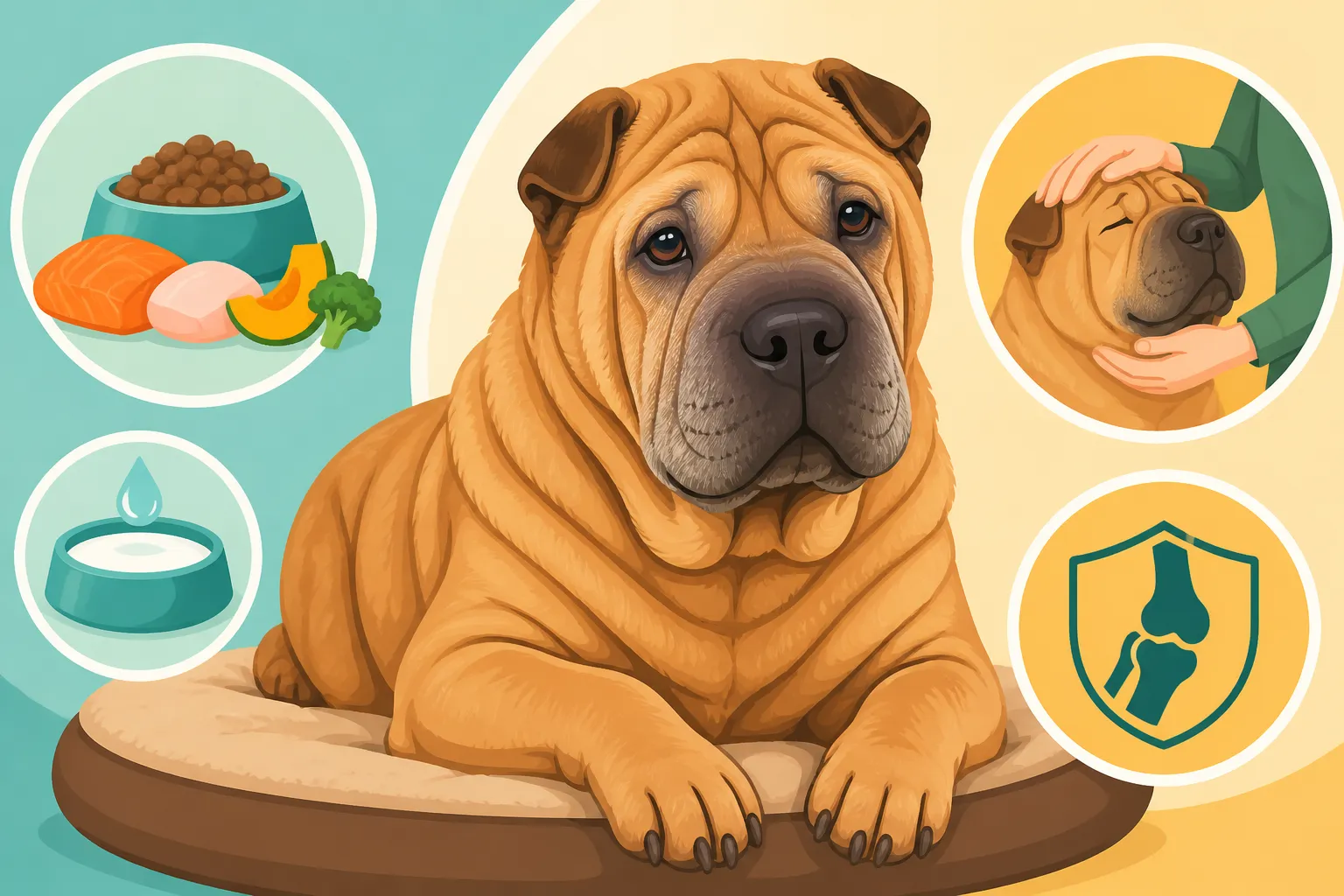
Beyond texture, the nutritional content of an older Shar Pei's food often needs adjustment. Their metabolism slows down, meaning they might require fewer calories to maintain a healthy weight, preventing obesity which can exacerbate joint problems. Many senior dog foods are formulated with this in mind, offering a lower calorie count but maintaining a high-quality protein source to support muscle mass, which can naturally decrease with age.
Moreover, senior diets often include supplements for joint health, such as glucosamine and chondroitin, to help manage arthritis. Omega-3 fatty acids are also beneficial for reducing inflammation and supporting skin and coat health. For Shar Pei specifically, with their predisposition to kidney issues, a vet might recommend a diet with controlled protein and phosphorus levels if early signs of kidney disease are detected. Brands like Ollie offer fresh, customized meal plans that can be tailored to an older dog's specific health needs, which can be a game-changer for picky eaters or those with specialized dietary requirements. Always consult your veterinarian before making significant dietary changes, especially if managing a specific health condition.
Managing Appetite and Hydration in Senior Shar Pei
It's not uncommon for older Shar Pei to experience fluctuations in appetite. They might become pickier, eat less, or even show periods of disinterest in food. This can be concerning for owners, but there are strategies to encourage them. Offering smaller, more frequent meals can sometimes stimulate appetite. Warming food slightly can enhance its aroma, making it more appealing. Mixing wet food with dry kibble or adding a small amount of low-sodium broth can also make meals more enticing.
Hydration is equally, if not more, critical for senior dogs. As kidney function can decline, adequate water intake is essential to help flush toxins and support overall organ health. Ensure multiple fresh water sources are available throughout the house. Consider adding water to their food or offering palatable broths. Some dogs prefer filtered water, or a ceramic bowl over plastic. A pet drinking fountain, available on platforms like Amazon or Chewy, can also encourage more frequent sips by providing circulating, fresh water. If you notice a significant or prolonged decrease in appetite or water intake, it's crucial to consult your veterinarian, as it could be a sign of an underlying health issue.
Physical Care and Comfort for Older Shar Pei
As a Shar Pei ages, their physical needs become even more pronounced. The unique characteristics of the breed, combined with the natural wear and tear of time, mean that attentive physical care is paramount to their comfort and well-being. Our role shifts to proactive maintenance and ensuring their environment supports their changing bodies.
Whether an Old Shar Pei Still Needs Daily Fold Care
Absolutely. In fact, as a Shar Pei slows down and potentially becomes less mobile, their signature skin folds can become even more susceptible to issues if not meticulously maintained. Every Fold on a Shar Pei Is a Place Something Grows isn't just a catchy phrase; it's a stark reality. Moisture, dirt, and bacteria can accumulate in these deep creases, leading to skin fold dermatitis, yeast infections, or bacterial skin infections. An older Shar Pei might not be as eager or able to groom themselves as thoroughly, making your intervention even more critical.
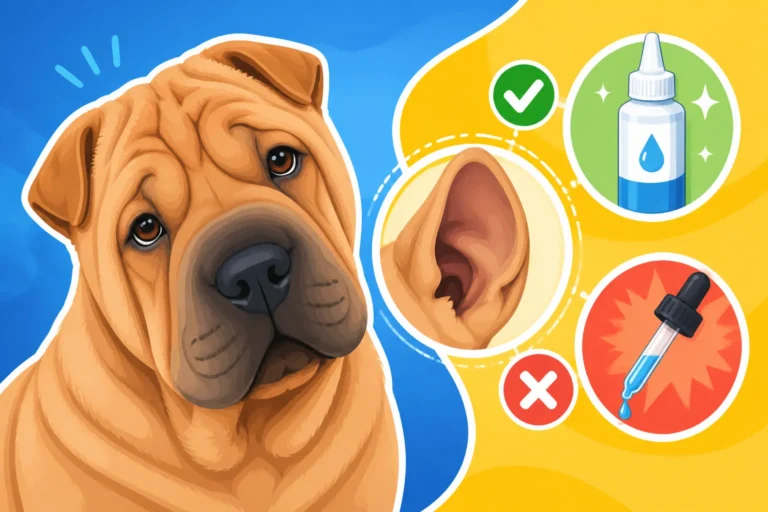
Daily wiping of facial folds, neck wrinkles, and any other prominent folds with a soft, damp cloth followed by thorough drying is essential. Medicated wipes or gentle antiseptic solutions, as recommended by your vet, might be necessary for particularly deep or troublesome folds. Pay close attention to any redness, discharge, or foul odor. These are clear indicators that an infection is brewing and requires prompt attention. Maintaining these folds isn't just about hygiene; it's a vital part of preventing painful skin conditions that can severely impact an older Shar Pei's comfort and quality of life.
Grooming Considerations for the Less Mobile Shar Pei
Grooming might become a more challenging endeavor for a senior Shar Pei who experiences arthritis, joint pain, or general stiffness. What was once a quick bath and brush might now require extra patience, gentleness, and adapted techniques. Instead of forcing them into a full tub bath, consider shorter, more frequent baths in a walk-in shower with a non-slip mat, or even sponge baths for localized cleaning. Using a gentle, anti-itch or medicated shampoo (if prescribed) can help maintain their skin health.
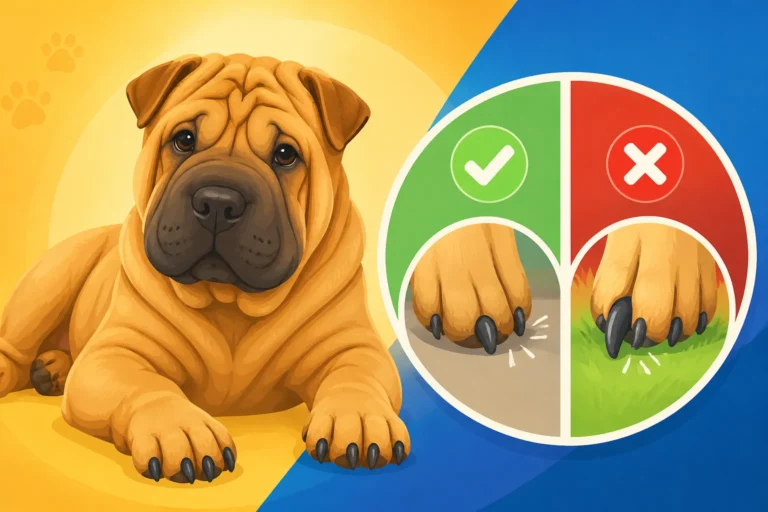
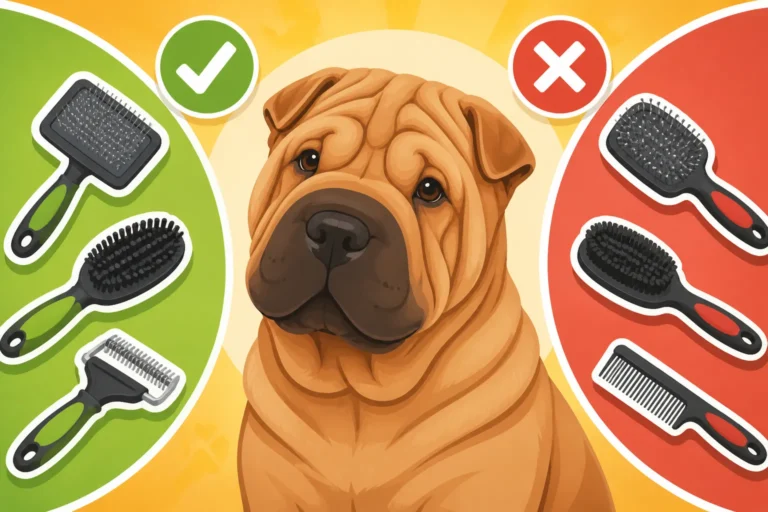
Brushing should be done carefully, using a soft brush, to avoid putting pressure on sore spots. This also becomes a valuable opportunity to check for new lumps, bumps, skin changes, or parasites that might go unnoticed otherwise. For nails, which may become thicker and more brittle, regular trimming is crucial. How Often a Shar Pei's Nails Need Trimming highlights this importance. If your Shar Pei is resistant or painful, a professional groomer or vet tech can often do it safely and efficiently, sometimes even with light sedation if necessary to reduce stress and discomfort.
Whether an Old Shar Pei's Bedding Needs Washing Often
Yes, absolutely. An old Shar Pei's bedding often needs to be washed more frequently than that of a younger dog, for several important reasons. Firstly, senior dogs, especially those with bladder control issues or who might leak a little urine, can soil their bedding more easily. This creates an unhygienic environment that can lead to skin irritation or infections, particularly in their sensitive folds. Secondly, older dogs can be more prone to skin conditions, allergies, or even just general dander and shedding, all of which accumulate in bedding.
Clean bedding contributes significantly to their overall comfort and skin health. Opt for beds with removable, machine-washable covers for easy cleaning. Consider having multiple sets of bedding so you always have a clean one ready while another is in the wash. A truly comfortable and clean resting place is not just a luxury for an older Shar Pei; it’s a necessity for managing joint pain, supporting restful sleep, and promoting good hygiene. Chewy and Amazon offer a wide variety of orthopedic, washable dog beds designed with senior comfort in mind.
Mobility and Exercise in the Senior Years
Watching your once-energetic Shar Pei slow down can be heartbreaking, but it's a natural part of aging. While they may not be scaling mountains or chasing balls with the same vigor, maintaining appropriate mobility and exercise is still incredibly important for their physical and mental health. The key is adaptation, not cessation.
Supporting Aching Joints and Muscles
Arthritis and general joint stiffness are incredibly common in aging dogs, and Shar Pei are no exception. You might notice them struggling to get up after a nap, limping slightly, or being reluctant to climb stairs. Supporting their aching joints and muscles is paramount to their comfort. This can involve a multi-faceted approach. High-quality joint supplements containing glucosamine, chondroitin, and MSM can help support cartilage health and reduce inflammation. Omega-3 fatty acids are also powerful anti-inflammatory agents.
Beyond supplements, consider therapies like canine massage, acupuncture, or hydrotherapy (swimming in a controlled environment) if available in your area. These can significantly improve flexibility and muscle strength without putting excessive strain on joints. Ensuring they have soft, orthopedic bedding can also make a huge difference, providing cushioning and support for their body when resting. Ramps can be invaluable for helping them access elevated surfaces like cars or furniture, reducing the impact on their joints.
Adapting Walks and Playtime
The days of long, strenuous hikes might be over, but that doesn't mean exercise stops. Instead, it transforms. For senior Shar Pei, shorter, more frequent walks are often much more beneficial than one long outing. A couple of 15-20 minute gentle strolls a day, rather than one intense hour, can keep their muscles toned, their joints moving, and their minds stimulated without overtaxing their aging bodies. Pay close attention to their cues; if they lag behind, start panting excessively, or seem uncomfortable, it's time to head home.
Playtime should also be adapted. Instead of high-impact games like fetch that involve sudden stops and jumps, opt for gentle tug-of-war, sniff games, or soft toy play on a carpeted surface. The goal is to keep them engaged and moving, but always within their comfort zone. Remember, for a Shar Pei, consistent engagement and mental stimulation are just as important as physical activity.
Whether a Shar Pei Hides Pain
This is a critical point for any Shar Pei owner, but especially for those with seniors. Dogs are inherently stoic animals; a remnant of their wild ancestry where showing weakness could mean becoming prey. Shar Pei, with their often reserved and independent nature, can be particularly adept at masking discomfort or pain. This means you might not see overt limping or yelping. Instead, the signs can be subtle and easily missed.
Look for changes in behavior: a reluctance to jump or use stairs, decreased appetite, panting more than usual, restlessness at night, difficulty settling, increased irritability, or even just a general "off" demeanor. They might become less tolerant of being handled, or seek out quiet, secluded spots more frequently. A change in their gait, how they sit, or even how they lie down can indicate pain. If you suspect your Shar Pei is in pain, even without obvious signs, it's always best to consult your veterinarian. They can conduct a thorough examination and recommend appropriate pain management strategies. You can read more about this in Whether a Shar Pei Hides Pain.
Cognitive and Behavioral Changes
As Shar Pei age, it's not just their bodies that undergo transformations; their minds and behaviors can also shift. While some changes are simply part of growing older, others can signal canine cognitive dysfunction (CCD), an Alzheimer's-like condition in dogs. Understanding these potential changes allows us to provide a more supportive and understanding environment.
Recognizing Signs of Cognitive Decline
Just like humans, senior dogs can experience a decline in cognitive function. This isn't always obvious at first, and it can be distressing for owners to witness. Common signs of CCD often manifest in categories summarized by the acronym DISHA: Disorientation, Interactions (changed), Sleep-wake cycle alterations, House-soiling, and Activity level changes. Your Shar Pei might seem disoriented in familiar surroundings, stare blankly at walls, or get "stuck" in corners. They might become more withdrawn from family members or, conversely, more clingy.
Sleep patterns can invert, with them sleeping more during the day and becoming restless and awake at night. House-soiling accidents can occur even in previously perfectly house-trained dogs. Their activity levels might change, becoming either more lethargic or exhibiting repetitive behaviors like pacing. If you notice these signs, keep a log and discuss them with your veterinarian. Early intervention, including diet changes, supplements, and medication, can sometimes slow the progression of CCD and improve your Shar Pei's quality of life.
Maintaining Mental Stimulation
Even with cognitive decline, or simply as a preventative measure, maintaining mental stimulation is crucial for senior Shar Pei. While their physical exercise might decrease, their minds still need to be engaged to stay sharp and happy. Puzzle toys, especially those that dispense treats, can be fantastic. They encourage problem-solving and provide a sense of accomplishment. Simple sniff games, where you hide treats around the house and encourage them to find them, are low-impact and highly engaging, tapping into their natural instincts.
Gentle training sessions, revisiting basic commands they already know, can also be beneficial. Short, positive reinforcement-based sessions can reinforce their understanding and strengthen your bond. Even just introducing new textures or safe smells can provide novel sensory experiences. The key is to keep activities short, positive, and non-frustrating. Preventing boredom and maintaining a sense of purpose can significantly improve an older Shar Pei's mental well-being.
Adjusting the Home Environment
A senior Shar Pei's home environment might need some adjustments to ensure their safety, comfort, and ease of navigation, especially if they are experiencing mobility issues or cognitive decline. For dogs with arthritis or vision impairment, keeping furniture and pathways consistent can prevent bumps and falls. Laying down non-slip rugs on slick floors can provide better traction, reducing the risk of slips and strains.
If your Shar Pei has difficulty with stairs, consider blocking off access or installing a ramp. Ensure their food and water bowls are easily accessible, perhaps elevated slightly to reduce neck strain. Night lights can be helpful for disoriented dogs who wander at night. Create a quiet, cozy "den" area where they can retreat and feel secure, away from household commotion. Proactive adjustments to their living space can dramatically improve their daily life and prevent unnecessary stress or injury.
Veterinary Care and Monitoring for the Senior Shar Pei
Regular veterinary care becomes even more crucial as your Shar Pei ages. Their unique predispositions, combined with the general vulnerabilities that come with seniorhood, necessitate a proactive and comprehensive approach to their health monitoring. Think of your vet as your primary partner in navigating these golden years.
Comprehensive Senior Health Checks
Once your Shar Pei hits that seven-year mark, or even a little before, your veterinarian will likely recommend more frequent and comprehensive check-ups. These senior health checks go beyond the typical annual vaccine appointment. They usually involve a thorough physical examination, paying close attention to joint mobility, dental health, vision, and hearing. Bloodwork panels will assess organ function, including those all-important kidney values and liver enzymes, as well as thyroid function, which can also decline with age. A complete blood count will check for anemia or infection.
Urinalysis, especially the urine protein:creatinine (UPC) ratio, is paramount for Shar Pei, as mentioned earlier. These regular screenings help detect age-related conditions early, often before they show obvious clinical signs. Early detection means earlier intervention, which can significantly improve prognosis and quality of life. Don't shy away from asking your vet for a full senior panel; it’s an investment in your dog’s future comfort.
Managing Chronic Conditions
Unfortunately, with age, comes the increased likelihood of chronic health conditions. For a Shar Pei, this often means managing issues like arthritis, hypothyroidism, or the progression of kidney disease. If your Shar Pei is diagnosed with a chronic condition, don't despair. Many can be successfully managed with medication, dietary changes, and lifestyle adjustments. For instance, dogs with arthritis might benefit from NSAIDs (non-steroidal anti-inflammatory drugs) or other pain management medications, alongside joint supplements.
Hypothyroidism can be managed with daily thyroid hormone replacement medication, often leading to a dramatic improvement in energy levels and coat quality. Signs a Shar Pei's Thyroid Is Low can help you recognize symptoms. Kidney disease, while progressive, can be slowed with specific renal diets, blood pressure medication, and fluid therapy if needed. The key is consistent adherence to your vet's treatment plan and regular follow-up appointments to monitor their progress and adjust medications as necessary. Your vet is the best resource for tailoring a management plan specific to your Shar Pei's needs.
Whether an Old Shar Pei Needs More Frequent Grooming
While we discussed adapting at-home grooming, some older Shar Pei might actually benefit from more frequent professional grooming, or at least regular visits to a vet tech for specific care. This isn't about fancy haircuts, but about essential maintenance that can become difficult or painful for you to do at home, or for your dog to tolerate. Think about nail trims: as nails become thicker and more brittle, regular, precise trims are crucial to prevent overgrowth which can cause pain and affect gait. A vet tech can often do this quickly and efficiently.
Anal gland expression is another task that older dogs might need more frequently, and is best handled by a professional. Some senior Shar Pei might also develop matted fur in hard-to-reach spots, or struggle with a full bath at home. A professional groomer experienced with senior dogs can provide a gentle, safe grooming experience, ensuring their coat and skin are healthy without causing undue stress or discomfort. This can alleviate a significant burden from owners and ensure these vital tasks are done correctly.
Emotional Support and Quality of Life
Beyond the physical and medical care, the emotional well-being of an aging Shar Pei is paramount. Their connection with their family deepens, and providing a sense of security, love, and understanding becomes more important than ever. Their quality of life hinges on these often-overlooked aspects of care.
How a Shar Pei Shows Affection
Shar Pei are renowned for their independent and sometimes aloof nature, but they form incredibly deep bonds with their chosen family. As they age, their displays of affection might become even more subtle or, conversely, more pronounced if they feel insecure. A senior Shar Pei might lean into you more, follow you from room to room more closely, or seek out physical contact like resting a head on your lap. They might still not be the biggest "cuddlers" in the traditional sense, preferring to be near you rather than on you, but their presence speaks volumes.
A slow, deliberate tail wag, a soft nudge with their muzzle, or simply relaxing completely in your presence are all powerful indicators of their trust and affection. Understanding these nuanced expressions is key to reciprocating their love. Take the time to acknowledge these gestures, offering gentle praise and reassurance. Their bond with you is a cornerstone of their comfort and security in their senior years. How a Shar Pei Shows Affection delves deeper into their unique ways of expressing love.
Creating a Peaceful and Secure Environment
A predictable, peaceful, and secure environment is incredibly important for an aging Shar Pei, especially if they are experiencing any cognitive decline or increased anxiety. Maintaining a consistent daily routine for meals, walks, and bedtime provides a sense of predictability and reduces stress. Sudden changes or loud noises can be more unsettling for senior dogs, so try to keep the household calm and predictable.
Ensure they have their own safe space – a comfortable bed or crate – where they can retreat for undisturbed rest. If there are children or other pets in the house, teach them to respect the senior Shar Pei's space and quiet time. An older dog might have less patience for boisterous play or constant interaction. Their world can feel a little more confusing or challenging, so providing a stable, loving sanctuary is one of the greatest gifts you can give them.
When to Consider Palliative Care and End-of-Life Decisions
This is undoubtedly the hardest part of caring for an aging pet, but it's a conversation every owner must eventually face. Palliative care focuses on maximizing comfort and quality of life for a pet with a terminal or severely debilitating condition, rather than seeking a cure. This might involve managing pain, supporting organ function, ensuring good nutrition, and maintaining hygiene to the best of their ability. Your vet can guide you through palliative options, which could include specialized medications, dietary support (like those from Ollie), or mobility aids.
Eventually, the difficult decision of euthanasia may arise. It’s a profound act of love and mercy. The goal is to prevent prolonged suffering. When considering this, ask yourself: Is my Shar Pei still enjoying their favorite things? Are they eating and drinking comfortably? Are they free from significant pain? Are they having more good days than bad days? Keep a "good day/bad day" journal to objectively track their quality of life. Discussing these tough choices with your veterinarian and trusted family members can provide support during an incredibly emotional time. There are also resources like the Lap of Love organization that offer guidance on quality of life assessments and at-home euthanasia options, allowing for a peaceful farewell in their familiar environment.
Disclaimer
This article is for general informational purposes only and does not constitute professional advice. Laws, prices and regulations vary by location and change over time. Consult a qualified professional for guidance on your specific situation.