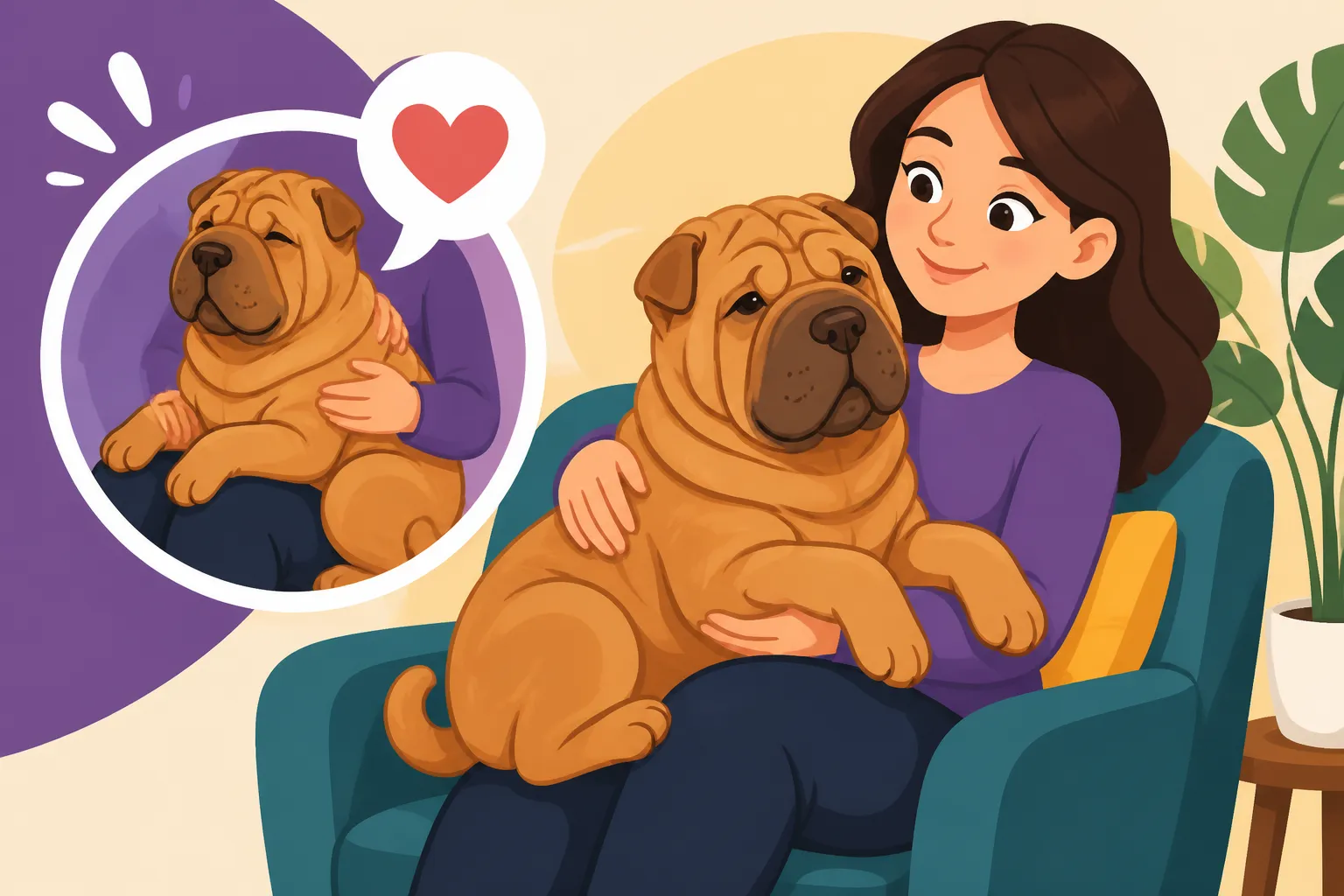
Getting a Shar Pei to Sit on a Lap
Many Shar Pei owners, myself included, have often found themselves wondering why their beautiful, seemingly affectionate companion isn't quite the snuggly lap dog they might have envisioned. It can be a little disheartening when you crave that close, physical connection, only to find your Shar Pei prefers to observe from a comfortable distance, perhaps leaning against your leg rather than settling squarely on your lap. This guide is here to unravel the mysteries of Shar Pei affection and provide you with realistic, gentle strategies to encourage more closeness and, yes, even some coveted lap time, understanding that it's always on their terms.
Understanding the Shar Pei's Independent Nature
It’s easy to look at those soulful eyes and all those wrinkles and imagine a dog that just wants to melt into your arms, but the truth is, the Shar Pei breed carries a long history of independence. This isn't a flaw in their character; it's a deeply ingrained trait that comes from their original purpose and how they were bred over centuries.
A Breed Built for Work, Not Always for Cuddles
Think about the Shar Pei's heritage. These aren't dogs that were primarily bred to be decorative lap warmers. In their homeland, they were farm dogs, used for guarding property, hunting wild boar, and even herding. These jobs required a dog that could think for itself, be observant, and act decisively without constant human direction. They needed to be resilient, a little watchful, and perfectly content in their own company. This historical role cultivated a strong sense of self-reliance and a natural aloofness, especially towards strangers. They aren't inherently needy or clingy. While they form incredibly deep bonds with their chosen family, their expression of that bond is often different from breeds specifically developed for companionship. It's less about constant physical contact and more about a quiet, steadfast presence.
The Shar Pei's Unique Affection Style
If you're expecting a Golden Retriever or a Labrador-level of exuberance when it comes to affection, you might find a Shar Pei's approach a little understated. They are not typically effusive dogs. Instead of jumping on you or demanding belly rubs, a Shar Pei often shows its love in subtle ways. They might follow you from room to room, just to be in your orbit. They might lean their heavy body against your leg while you're standing or sitting on the sofa. A contented sigh when you gently scratch their favorite spot behind the ears, or a relaxed sprawl at your feet while you watch TV, are all profound signs of their devotion.
I’ve had Shar Pei who would rest their head on my foot, seemingly just to feel connected, and others who would ask for head scratches by nudging my hand, but then quickly move away after a few moments. It's about quality over quantity for many of them. Understanding How a Shar Pei Shows Affection can really help you appreciate these nuanced gestures for what they are: genuine expressions of their bond with you. They adore you, they just might not express it in the way that fills every "lap dog" fantasy.
Physical Comfort and Wrinkles
While less about their inherent personality, it's worth considering that a Shar Pei's unique physical structure, particularly their folds and sometimes dense coats, might influence their comfort in certain positions. Some Shar Pei, especially those with very dense "meat mouth" wrinkles around their muzzle and neck, might find being held tightly or confined to a small space like a lap a bit restrictive or warm. Imagine wearing a heavy, layered coat that bunches up when you sit – it’s not always the most comfortable.
Moreover, the "sandpaper" texture of a horse coat Shar Pei, or the often sensitive skin prone to issues like What Cutaneous Mucinosis Is or Skin Fold Dermatitis on a Shar Pei, can make prolonged, close contact with certain fabrics or even human skin a bit irritating for some individuals. While this isn't a universal experience, it's a consideration. Always ensure any surfaces your Shar Pei might lay on, including your lap, are clean, soft, and not causing any undue pressure or irritation to their skin folds.
Building a Foundation of Trust and Comfort
Before you can even think about coaxing a Shar Pei onto your lap, you need to establish a deep foundation of trust and ensure they feel completely safe and comfortable in your presence and environment. This breed values security and predictability above almost all else.
Early Socialization and Handling
The groundwork for a confident, well-adjusted Shar Pei that might eventually choose to spend time on your lap starts in puppyhood. Positive and gentle socialization during their critical early weeks is paramount. This means exposing your puppy to a wide variety of sights, sounds, people, and experiences in a controlled, positive way. It’s about building their confidence in the world around them, making them feel secure enough to relax and seek comfort. Socialize a Shar Pei Before Twelve Weeks or Pay for It Later isn't just a suggestion; it's a blueprint for preventing future anxieties that might make them less inclined to seek physical closeness.
Beyond external socialization, focused, gentle handling at home is crucial. Accustom your puppy to being touched all over – ears, paws, mouth, and belly. Make these experiences pleasant with soft voices and tasty treats. Practice holding them gently for short periods, praising them for their calm demeanor. If your Shar Pei came from a breeder who introduced them to regular, positive handling, you’re already ahead of the game. If not, you’ll need to spend extra time making these interactions feel safe and rewarding. This isn't about forcing them to endure handling; it's about teaching them that human touch is gentle and brings good things.
Creating a Safe and Predictable Environment
Shar Pei thrive on routine and predictability. A home environment where they know what to expect, when meals happen, when walks occur, and how their people will behave creates a deep sense of security. Dogs who feel secure are more likely to relax and open themselves up to intimacy, including lap time.
Think about it: if your home is chaotic, loud, or unpredictable, your Shar Pei might always be a little on edge, making them less likely to let their guard down and truly settle into a vulnerable position like someone's lap. Establish clear boundaries, consistent training, and quiet spaces where they can retreat if they feel overwhelmed. Even something as simple as providing a comfortable, well-placed dog bed (you can find many highly-rated, washable options on Amazon) near where you usually sit can be a fantastic step. It gives them a designated, safe spot that's close to you without forcing direct contact. A secure environment fosters a secure dog, and a secure dog is more likely to trust you with their personal space.
Respecting Their Boundaries
This is perhaps the most critical aspect of encouraging closeness with a Shar Pei. These dogs are not usually fans of being forced into situations, especially physical ones. Pushing a Shar Pei to do something it doesn't want to do will almost always backfire, leading to distrust and avoidance. You'll never get Why a Shar Pei Dislikes Being Hugged more than a quick, clear head turn if you keep trying to envelop them in a bear hug.
Learn to read your Shar Pei's body language. Are their ears slightly back? Is their tail tucked a bit? Are they turning their head away or yawning? These can all be subtle signs that they’re uncomfortable and want space. If they choose to move away from your offered hand or avoid eye contact, respect that. Don’t chase them, don’t try to force them to stay, and don’t take it personally. Your willingness to respect their autonomy is what will ultimately build the trust needed for them to choose to come to you. This breed, perhaps more than many others, really values having control over their own body and interactions. Over time, as they learn that you will always respect their "no," they become far more likely to offer a "yes."
Gentle Strategies for Encouraging Lap Time
Once you've established a foundation of trust and mutual respect, you can start to gently encourage your Shar Pei to consider your lap a desirable destination. Remember, the key word here is "encourage" – never force.
The Power of Positive Association
This is your greatest tool. You want your lap to be associated with all things wonderful and relaxing.
- Treats, Treats, Treats: Keep high-value, pea-sized treats handy. When your Shar Pei is simply near you, even just sitting at your feet, offer a treat and quiet praise. If they choose to lean against your leg, offer another. If they even put a paw on your lap, jackpot! Gradually, you can lure them closer. Place a treat on your knee, then slightly further onto your lap. The moment they make contact, give the treat and gentle praise. You might find some excellent training treats or even puzzle toys on Amazon that make these sessions engaging.
- Gentle Petting: Not all petting is created equal for a Shar Pei. Most prefer slow, deliberate strokes on their chest, behind their ears, or at the base of their tail. Avoid sudden pats on the head or vigorous ruffles. When they are relaxed and near you, offer these preferred petting spots. As they relax, they might naturally settle in more.
- Quiet Moments: Make your lap a place of calm. Don’t try to engage in boisterous play when you’re hoping for lap time. Instead, when you’re quietly reading a book or watching TV, invite them over with a soft voice. The idea is to create a peaceful, rewarding experience, reinforcing the idea that your lap is a safe and pleasant haven.
Gradual Introduction and Short Sessions
Patience is key. Your Shar Pei isn't going to suddenly become a full-time lap dog overnight, and honestly, many never will be. That's okay! Celebrate the small victories.
- Start Small: Begin by just encouraging them to put their head on your lap, or a single paw. Praise and reward these tiny steps.
- Build Duration: Once they're comfortable with brief contact, gradually extend the time. Maybe they stay for 10 seconds, then 30, then a minute. Never push past their comfort level. If they fidget or try to leave, let them. End on a positive note.
- Create the Invitation: Pat your lap gently and say "lap time" or "up." Make it an invitation, not a command. If they choose to accept, great! If not, don't press it. They will learn that the invitation is always low-pressure and optional. Many positive reinforcement training programs, such as those you might find with BAXTER & Bella, stress this kind of invitation-based learning, building confidence and choice for the dog.
Utilizing Their Natural Tendencies
Shar Pei often like to be close to their people, even if not on them. Use this to your advantage.
- Proximity Seeking: Many Shar Pei are "leaners." When you're sitting on the sofa, they might lean against you. This is a perfect opportunity. Gently shift your body so that their lean naturally brings them closer to your lap. Keep petting, keep praising softly.
- Couch Companions: If your Shar Pei enjoys being on the couch next to you, try sitting on the floor sometimes. This elevates them to "lap level" from their perspective and can be a non-threatening way for them to explore proximity.
- The "Shadow" Trait: If your Shar Pei is one of those who follows you everywhere, find a moment when you're settled and they've just laid down near your feet. Gently invite them up, perhaps with a treat lure. They're already in a "seeking proximity" mindset. How Closely a Shar Pei Follows Its Owner can give you great insight into their natural desire to be near you, even if not physically touching.
The Comfort of Routine
Dogs, and Shar Pei especially, thrive on routine. If you want lap time to become a semi-regular occurrence, try to incorporate it into your daily rhythm.
- Specific Times: Perhaps it's after their evening walk when everyone is settling down, or during your morning coffee. Choose a time when both you and your Shar Pei are naturally calm and relaxed.
- A "Lap Spot": Designate a particular chair or spot on the sofa where you consistently invite them for this quiet time. This helps them associate that specific location and your invitation with the relaxing experience.
- Consistency is Key: Don't just try for lap time once a week. Make it a daily, brief effort, even if it's just a minute of head-on-lap contact. The more consistent you are, the more likely it is to become a comfortable habit for them.
What to Do (and Not Do) When They Come Close
So, the magic moment happens: your Shar Pei finally decides to grace your lap with their presence. What next? Your reaction in these initial moments is crucial.
Maintaining Calm and Gentle Contact
When your Shar Pei settles onto your lap, whether for a fleeting moment or a longer snuggle, your demeanor is paramount.
- Soft Strokes, Quiet Voice: Resist the urge to let out a huge "OMG YOU'RE ON MY LAP!" shriek of delight. A sudden burst of excitement, even positive, can startle them and send them scrambling. Instead, offer quiet, calm praise in a low, soothing tone. Gently stroke their preferred spots.
- Hands-Off Approach (Initially): For some Shar Pei, the act of simply being on your lap is enough. Don't immediately try to hug them or restrain them. Let them settle first. If they indicate they want petting by nudging your hand or leaning into your touch, then respond in kind. Remember How a Shar Pei Feels About Being Petted – it's often on their terms and for specific durations.
- Minimize Movement: Try to stay as still as possible. Sudden shifts, standing up, or reaching for something across the room can break the spell and make them jump off. Savor the moment. They are showing vulnerability and trust, and your stillness reinforces that it's a safe place.
Avoiding Overstimulation
Just as you wouldn't want to startle a skittish cat, you need to be mindful of overstimulating your Shar Pei when they are in a close, potentially vulnerable position.
- No Roughhousing: This isn't the time for tug-of-war or wrestling. Lap time is for quiet connection.
- Limit External Distractions: If possible, choose a time when the house is relatively quiet. Turn off loud music or TV if it’s distracting. This helps them focus on the positive interaction with you.
- Don't Parade Them Around: While it's tempting to show off your newly cuddly Shar Pei to family members, this can be overwhelming. Let them choose their moments. A good rule of thumb is to allow them to be "on display" only if they are clearly comfortable and choosing to stay. This is particularly important if you have other family members or children. A Shar Pei With Children in the House requires careful supervision and teaching kids to respect boundaries.
When to Let Them Leave
This is just as important as encouraging them to come. A Shar Pei who feels trapped or held against their will will be far less likely to return to your lap in the future.
- Read the Signals: Watch for any signs of discomfort: restlessness, shifting weight, ears twitching, yawning, lip licking, or looking away. These are all subtle indicators that they might be ready to disengage.
- Allow for Disengagement: If they try to get off your lap, help them gently if needed, but don't hold them back. Let them go. Even if it was only for a minute, that was a victory!
- No Punishment for Leaving: Never scold or show disappointment when they decide to leave. The positive association with your lap should remain intact, regardless of how long they stayed. You want them to think, "That was nice, I could do that again," not "Oh no, I made my human mad by moving."
Ultimately, getting a Shar Pei to sit on your lap is less about training a command and more about cultivating a relationship built on trust, respect, and understanding their unique language of affection. It’s a journey of patience, and while some Shar Pei may never fully embrace the "lap dog" lifestyle, many will, over time, offer those precious moments of quiet, physical closeness that make all the effort worthwhile.
| Characteristic | Typical "Lap Dog" Breeds (e.g., Cavalier, Bichon) | Shar Pei (General Tendencies) |
|---|---|---|
| Primary Affection Style | Highly demonstrative, seeks constant physical contact | Subtle, quiet presence, leans, follows, gentle nudges |
| Response to Hugging | Often enjoys being cradled, held tightly | Generally dislikes being hugged, prefers personal space |
| Independence Level | Low, prone to separation anxiety | High, content to be nearby but not always touching |
| Motivation for Closeness | Innate desire for human contact, seeking comfort | Trust, warmth, shared calm, positive association with owner |
| Tolerance for Handling | High, enjoys being picked up, manipulated | Varies, prefers gentle, predictable touch, dislikes restraint |
| Typical Resting Spot | On owner's lap, snuggled into owner's side | At owner's feet, on a nearby bed, leaning against owner |
Disclaimer
This article is for general informational purposes only and does not constitute professional advice. Laws, prices and regulations vary by location and change over time. Consult a qualified professional for guidance on your specific situation.


