Whether a Cream Shar Pei Is Standard
A pale Shar Pei can look almost white in bright light, which makes it easy to wonder whether the dog is cream, a dilute color, or outside the breed standard. The short answer is that cream is an accepted Shar Pei color under the American Kennel Club standard, while white is excluded. The details can depend on the registry, the dog’s actual coat color, and whether you mean registration or show eligibility.
Is cream an accepted Shar Pei color?
What the American Kennel Club standard says
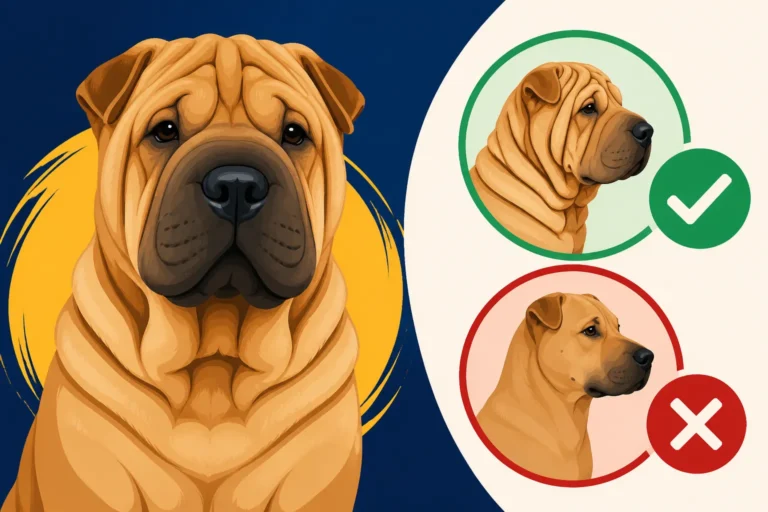
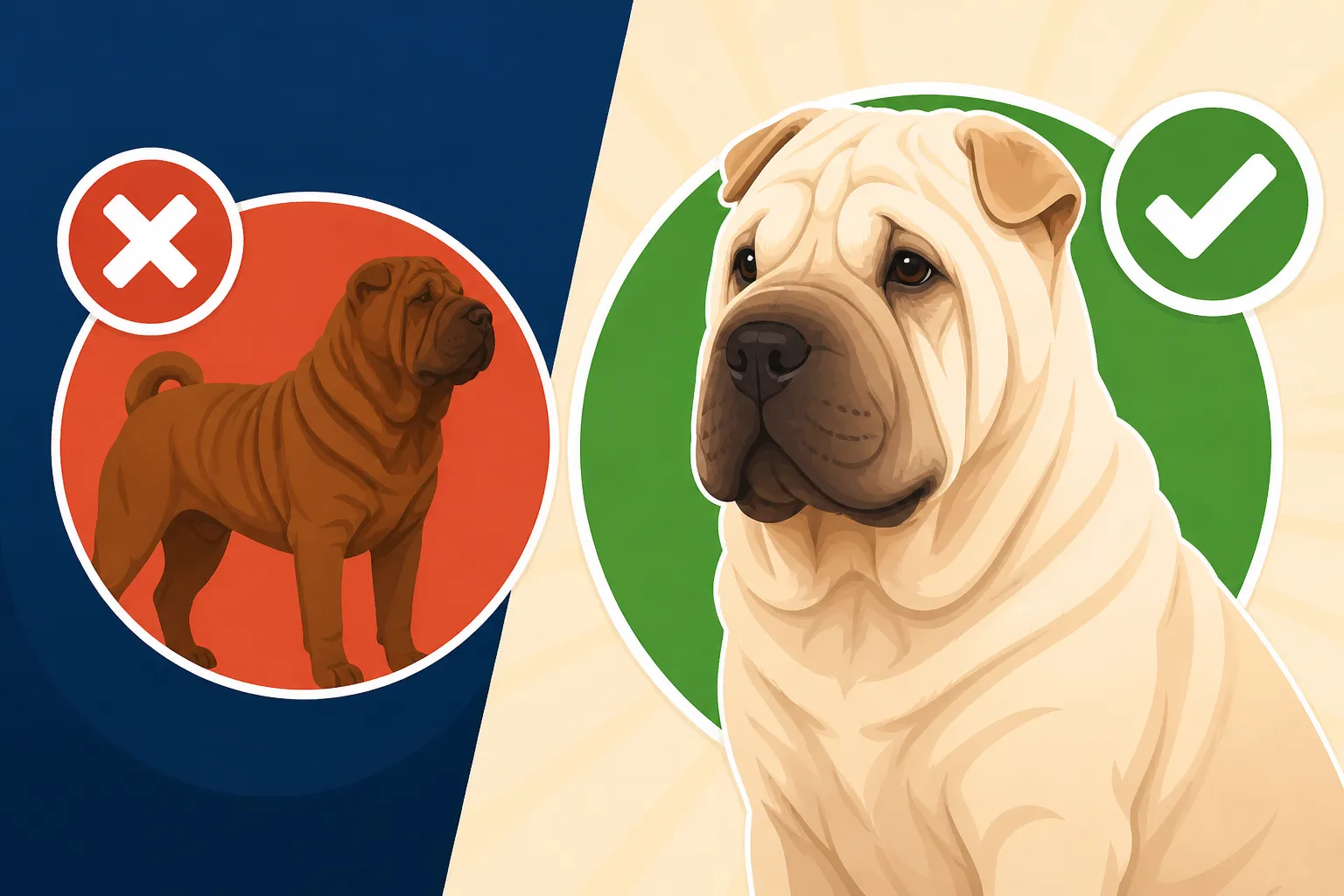
Under the American Kennel Club breed standard, Shar Pei may be any solid color except white. Cream is among the colors commonly seen in the breed, alongside shades such as red, fawn, black, and blue. A cream coat, by itself, does not make a Shar Pei nonstandard under that rule.
The word “solid” matters. A dog can have natural shading within its coat and still be considered one color. Shar Pei coats may be lighter or darker in different areas; subtle shading, including darker coloring along the back or ears, does not automatically mean the dog has a disallowed pattern.
This is a breed-standard answer, not a guarantee that every registry uses identical wording or color categories. If you plan to register or show a dog, check the rules of the specific kennel club or event. The broader overview Which Colors a Shar Pei Comes In can help put cream in context with the breed’s other recognized colors.
Cream is not the same as white
Cream usually means a very pale warm shade, often with a yellow, beige, or light fawn cast. White is generally understood as a distinctly white coat rather than a pale cream one. In real life, the boundary can be hard to judge: lighting, a phone camera, the dog’s age, and the color of the coat beneath the surface can all affect what you see.
A puppy photographed outdoors may look nearly white in sunlight and more obviously cream indoors. A coat can also appear warmer or cooler depending on the background and camera settings. If the distinction matters for registration, ask the breeder what color is recorded on the dog’s paperwork and ask the registry how it defines the category. A casual visual label is not always the same as a formal registration description.
Does “standard” mean the dog is show-quality?
Not necessarily. “Standard” can mean a color permitted by the written breed standard, but show eligibility involves more than color. A dog is assessed against the full standard, including its structure, movement, coat, and other features. A cream coat alone does not establish that a dog is a good show prospect, and a color that is permitted does not guarantee a particular evaluation.
It also helps to separate “standard color” from “healthy dog.” Coat color does not certify that a Shar Pei has had appropriate health screening, nor does it tell you whether the dog has a particular temperament or medical history. When choosing a puppy, color is only one small part of the picture.
How to tell cream from similar Shar Pei colors
Cream, fawn, and pale red can overlap
Coat-color names are not always used consistently in everyday conversation. One person may call a warm, pale dog cream, while another may describe a similar shade as light fawn. Pale red can also be mistaken for cream, especially when the dog is young or photographed in strong light.
Look at the coat in natural daylight and consider the overall tone rather than one bright patch. Cream often reads as pale and warm; fawn may look more tan or golden; red usually has a stronger reddish cast. These descriptions are useful, but they are not a substitute for the registry’s official color categories.
If you are comparing puppies, ask to see them in person when possible, or request unfiltered photographs taken in neutral lighting. Ask the breeder how they describe each puppy and what color they expect to record on registration documents. A thoughtful breeder should be able to explain the label without making it sound like a guarantee of quality or health.
Cream and dilute colors are not interchangeable terms
“Dilute” refers to a category of coat pigmentation, not simply to a pale shade. A dilute Shar Pei may have a coat color that looks softened or lighter than a corresponding non-dilute color, and nose or other pigmentation can help distinguish color varieties. Cream is a coat-color description; it does not automatically mean the dog is dilute.
Because visual labels can be confusing, don’t try to identify a dog’s genetic color from one photograph or from the coat alone. Ask the breeder what they know about the puppy’s parents and how they describe the puppy’s color. The guide What a Dilute Shar Pei Is explains the distinction in more detail, while Whether a Blue Shar Pei Is Recognized is useful if you are comparing cream with another color category that is often misunderstood.
| What you are looking at | What it usually describes | What to check |
|---|---|---|
| Cream | A pale, often warm coat shade | Whether the registry records the dog as cream or another pale color |
| White | A coat that is distinctly white rather than pale cream | The relevant breed standard and registry rules |
| Fawn | A tan or golden shade that may overlap visually with cream | The breeder’s description and the dog’s registration record |
| Dilute color | A pigmentation category, not just a light-looking coat | Coat and pigment details, plus any available breeding or color information |
| Shading | Natural variation in coat tone | Whether the dog still appears to be one solid color rather than a patterned dog |
Age and photography can change how the color looks
A Shar Pei puppy’s coat may not look exactly the same in every photograph or at every stage of growth. Lighting can make pale coats appear much lighter, while indoor shadows can make them look beige or golden. Dust, a recent bath, and the surrounding colors in a photo can also affect how the coat reads.
That is one reason not to choose a puppy based only on a color name or a carefully edited image. Ask for clear photographs of the puppy and, when possible, the parents. A breeder may be able to describe how the color has changed in previous litters, but predictions should still be treated as estimates rather than promises.
What cream coat color does and does not tell you
Coat color does not predict overall health
It is understandable to look for a simple clue when researching a breed with known health concerns. But cream coloring is not a reliable shortcut for predicting a Shar Pei’s health. A pale coat does not, on its own, show that a dog is healthier, less healthy, or free from inherited conditions.
Instead, ask about the parents’ health, the breeder’s selection practices, veterinary care, and the records available for the puppy. Discuss breed-specific screening and monitoring with a veterinarian who can help you make a plan for the individual dog. For a wider look at the relationship between appearance and health, see Whether a Bone Mouth Shar Pei Is Healthier and Whether the Shar Pei Is Bred for Health Now.
Skin and wrinkle care matter whatever the color
Cream Shar Pei need the same thoughtful skin care as Shar Pei of other colors. Keep an eye on the skin, especially in folds and areas that stay warm or damp. Redness, persistent odor, discharge, scabs, intense itching, or discomfort deserve attention rather than repeated home cleaning alone.
After bathing, swimming, or getting caught in the rain, dry the dog carefully, including skin folds. Use products intended for dogs and follow veterinary advice if the dog has a diagnosed skin issue. Some owners compare grooming supplies through retailers such as Chewy, but the important thing is to check the product label and ask your veterinarian before using a new medicated or fragranced product on irritated skin. The guides Skin Is the Shar Pei's Largest Problem by Surface Area and Every Fold on a Shar Pei Is a Place Something Grows cover why routine skin checks are useful.
Pigment is a separate detail from coat shade
A cream coat does not tell you everything about the dog’s nose, lips, eyelids, or other pigmentation. Those features may vary, and coat color names are not a complete description of a dog’s appearance. If you are asking whether a particular dog conforms to a show standard, compare the dog’s full appearance with the standard used by the relevant organization rather than judging from coat color alone.
For a pet owner, pigment is usually less important than whether the dog is comfortable and healthy. If you notice eye irritation, squinting, discharge, or skin inflammation, focus on the symptom and get veterinary guidance. Color should not distract from a change in comfort or behavior.
Questions to ask before choosing a cream Shar Pei
Ask how the color is documented
If the puppy’s color matters for registration or showing, ask the breeder what color they plan to list and whether the registry accepts that description. Request to see the paperwork when it is available. If you are considering a dog from another country, check the receiving registry’s requirements too, since color terminology and classification can differ.
A useful question is, “How will this puppy’s color be recorded, and what makes you describe it as cream rather than white or fawn?” The answer should be straightforward. Be cautious if color is presented as a rare feature that supposedly proves superior health, temperament, or breeding quality.
Ask about health and breeding practices separately
Color conversations can take up a lot of attention because they are easy to see. Health questions are more important. Ask what health information is available for the puppy’s parents, what veterinary care the litter has received, and whether the breeder will share relevant records. A responsible breeder should be willing to discuss both the strengths and the health considerations of the breed.
You can also ask how the breeder selects dogs for temperament and structure, and what support they offer if questions arise after the puppy comes home. Whether the Shar Pei Standard Differs Between Countries can help if you are comparing standards, while Whether a Shar Pei Breeder Tests for Anything at All offers a useful reminder to ask about evidence and records rather than relying on assurances alone.
Keep ordinary supplies simple
A cream coat does not require a special color-specific diet or an elaborate grooming routine just because it is cream. Choose food based on the dog’s age, condition, and veterinary guidance. For grooming, keep basic dog-safe supplies on hand and avoid using whitening or color-enhancing products unless a veterinarian or qualified groomer has a specific reason to recommend one.
If you shop through Chewy or another pet-supply retailer, use the label to confirm that a product is intended for dogs and is appropriate for the way you plan to use it. Retail listings can help you compare ingredients and product types, but they cannot diagnose a skin problem. If your Shar Pei’s coat looks stained because of discharge, persistent dampness, or irritated skin, ask your veterinarian what is causing it instead of trying to cover it up with a cosmetic product.
In short: Cream is an accepted solid Shar Pei color under the American Kennel Club standard, while white is excluded. Since pale cream can be mistaken for white, fawn, or a dilute shade, rely on the applicable registry’s rules and the dog’s documentation when the exact category matters. For everyday ownership, the dog’s health, care, and temperament matter much more than whether its coat is labeled cream.
Disclaimer
This article is for general informational purposes only and does not constitute professional advice. Laws, prices and regulations vary by location and change over time. Consult a qualified professional for guidance on your specific situation.