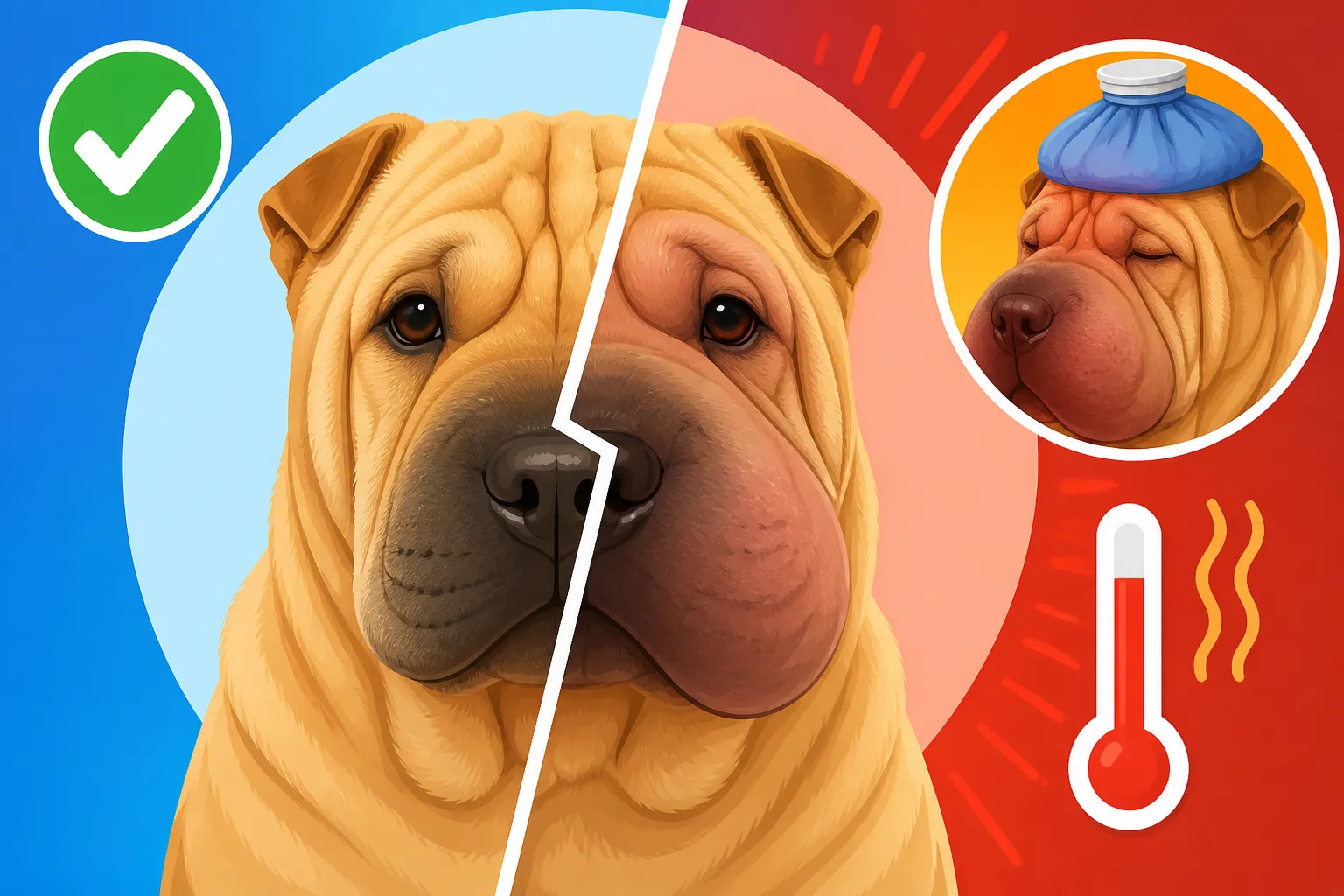
Whether a Shar Pei’s Muzzle Swells During Fever
One of the most concerning and often startling symptoms a Shar Pei owner can witness during a fever episode is the sudden and often dramatic swelling of their beloved dog’s muzzle. This distinctive feature of Familial Shar Pei Fever (FSF) can be incredibly distressing if you don't know what to expect, leaving you worried about your dog's breathing and overall well-being. This comprehensive guide will delve into why this swelling occurs, what it means for your Shar Pei, and how best to manage these anxious moments.
Understanding the Swelling Associated with Shar Pei Fever
It’s a truly frightening sight when your Shar Pei's face suddenly balloons, especially around the muzzle and sometimes even the eyes. This isn't just a generic allergic reaction; it’s a specific manifestation tied directly to the unique genetics of the breed and its predisposition to inflammation. This phenomenon is often referred to as "hock swelling" or "swollen muzzle syndrome," and it's a hallmark of the inflammatory response that characterizes Shar Pei Fever.
The Role of Hyaluronic Acid and Mucinosis
To really understand why a Shar Pei's muzzle swells, we need to talk about mucin. Shar Peis, especially the more wrinkly "meat mouth" variety, have an overabundance of hyaluronic acid (HA) in their skin. This is what gives them their characteristic loose, thick skin and deep wrinkles. This condition is called cutaneous mucinosis. While it makes them undeniably adorable, it's also directly implicated in their health challenges.
During a fever episode, the body's inflammatory response goes into overdrive. In Shar Peis, this inflammation seems to particularly affect areas already rich in mucin, such as the face and hocks (ankles). The increased inflammation causes fluid to accumulate in these mucin-rich tissues, leading to noticeable swelling. It’s like the body is reacting to itself, and these areas become sponges for inflammatory fluid. This isn't just superficial; it's a deep tissue response. Understanding this connection helps explain Why Hyaluronic Acid Makes a Shar Pei Wrinkle and how that same genetic quirk leads to these inflammatory responses.
Distinguishing Muzzle Swelling from Allergic Reactions
It's easy to jump to conclusions and think your dog is having a severe allergic reaction when you see their muzzle swell. While true allergic reactions can certainly cause facial swelling in any dog, the swelling seen during a Shar Pei Fever episode has a different origin. Allergic reactions typically come with other signs like intense itching, hives, or difficulty breathing due to laryngeal swelling. While a severely swollen muzzle in a Shar Pei might look like it could impede breathing, it's usually the result of the FSF-related inflammation and mucinosis, rather than a direct allergic response affecting the airways. However, if your dog is truly struggling to breathe, that's an emergency that warrants immediate veterinary attention, regardless of the cause.
The key difference lies in the accompanying symptoms. When a Shar Pei's muzzle swells as part of a fever, you'll also typically see other signs of FSF. These might include lethargy, refusal to eat or drink, pain, and, of course, a high rectal temperature. If your dog has a fever and suddenly develops muzzle swelling, it's highly likely part of a typical Shar Pei Fever episode.
What a Shar Pei Fever Episode Looks Like Beyond Muzzle Swelling
A swollen muzzle, while prominent, is usually just one piece of the puzzle during a Shar Pei Fever episode. These episodes can be incredibly varied in their intensity and the specific symptoms your dog displays. It’s important for every Shar Pei owner to recognize the full spectrum of signs, not just the dramatic facial swelling. This helps in understanding What a Shar Pei Fever Episode Looks Like and when to seek veterinary care.
Common Symptoms of Familial Shar Pei Fever
Beyond the potential muzzle swelling, there are several other common indicators of FSF. The most obvious is an elevated body temperature, which can often soar to 103°F (39.4°C) or even higher, sometimes reaching 107°F (41.6°C) or more. This high temperature is why we call it a "fever," but it's important to remember that Familial Shar Pei Fever Is Not an Infection. It's an autoinflammatory condition.
Other symptoms often include:
- Lethargy and Depression: Your usually energetic Shar Pei might become withdrawn, refuse to play, and just want to rest. They might not even lift their head when you call them.
- Loss of Appetite and Thirst: Many Shar Peis will completely refuse food and water during a fever, which can quickly lead to dehydration.
- Pain and Reluctance to Move: They might seem stiff or sore, particularly around their hocks or abdomen. Sometimes they will even refuse to walk or jump.
- Swollen Hocks: This is another very common symptom. One or both hocks (the ankle joints on their hind legs) might become visibly swollen, warm to the touch, and painful. This is the "hocks swelling" component of the syndrome. This symptom is so common it has its own discussion in Why a Shar Pei's Hocks Swell.
- Gastrointestinal Upset: Vomiting and diarrhea are not uncommon during a fever episode. This can further exacerbate dehydration.
- Abdominal Pain: Some Shar Peis will show signs of discomfort when their abdomen is touched, or they might adopt a "praying" posture (front end down, rear end up) to try and relieve pain.
It's crucial to understand that not every Shar Pei will display all these symptoms, and the severity can vary greatly from one episode to the next, and from one dog to another. Your Shar Pei might have only a mild fever and slight lethargy one time, and then a full-blown crisis with muzzle swelling and severe pain another.
Severity and Duration of Fever Episodes
The duration of a Shar Pei Fever episode is another variable. They can range from just 12-24 hours to several days, sometimes even up to 72 hours. While many resolve on their own with supportive care at home, it’s critical to monitor your dog closely. Persistent high fever, severe dehydration, extreme pain, or significant respiratory distress warrant an immediate vet visit. Generally, How Long a Shar Pei's Fever Lasts is something you'll learn to anticipate for your individual dog, but never take it for granted.
The frequency of these episodes also varies. Some Shar Peis might only have one or two fevers in their lifetime, while others can suffer from recurrent episodes every few weeks or months. This is why many owners choose to keep a detailed log of their dog's fevers, noting symptoms, duration, and any treatments given. This kind of diligent record-keeping can be invaluable when discussing your dog’s health with your vet and helps answer questions like How Often Shar Pei Fever Recurs.
Managing Muzzle Swelling and Fever Episodes at Home
When your Shar Pei spikes a fever, especially with that alarming muzzle swelling, it’s natural to feel overwhelmed. Having a plan and knowing what you can do at home, while also knowing when to seek professional help, is vital. Preparation can make a huge difference in how you both cope.
Initial Steps and Symptom Monitoring
The very first thing you need to do is confirm a fever. A rectal thermometer is truly essential for any Shar Pei owner. Don't rely on guesswork or touching their nose; a precise temperature is crucial. A normal canine temperature ranges from 100°F to 102.5°F (37.8°C to 39.2°C). Anything above 103°F warrants concern, and over 104°F means it's time to call the vet.
Once you confirm a fever, observe your dog's other symptoms:
- Breathing: Is it labored? Are they panting excessively without exertion?
- Gums: Are they pink and moist? Or pale, white, or sticky (indicating dehydration)?
- Hydration: Are they drinking? Offer fresh water frequently, or even ice cubes if they’ll lick them.
- Pain Level: Are they crying out, trembling, or visibly uncomfortable?
- Muzzle Swelling: Note the degree of swelling. Is it rapidly worsening, or stable? While alarming, muzzle swelling alone, without respiratory distress, is typically managed as part of the overall fever.
It's always a good idea to have a plan for What a Shar Pei Owner Should Have at Home to manage these episodes. This might include a reliable rectal thermometer, a fever log, and your vet's emergency number on speed dial.
When to Seek Veterinary Care Immediately
While some mild fevers can be managed with supportive home care, there are clear red flags that mean you need to get to the vet now.
Seek immediate veterinary attention if:
- Temperature above 105°F (40.5°C): Prolonged high temperatures can cause organ damage.
- Severe Lethargy/Unresponsiveness: If your dog is difficult to rouse or completely unresponsive.
- Difficulty Breathing: Rapid, shallow breaths, open-mouth breathing when not panting, or blue/purple gums are severe emergencies.
- Severe Pain: Uncontrolled pain, crying, or inability to get comfortable.
- Persistent Vomiting/Diarrhea: Especially if it leads to rapid dehydration.
- Muzzle Swelling that Impedes Breathing: While rare, extreme swelling could theoretically affect the airways. Better safe than sorry.
- Prolonged Fever: If the fever lasts more than 24-48 hours without improvement.
- Collapse or Seizures.
Your vet can administer anti-inflammatory medications (like NSAIDs or steroids, if appropriate), provide IV fluids for dehydration, and manage pain. They may also prescribe Colchicine, a medication often used to reduce the frequency and severity of FSF episodes and prevent amyloidosis. If your vet suggests it, discuss Whether Colchicine Helps a Shar Pei and its potential benefits for your specific dog.
Practical Tips for Home Support
- Cooling Measures: If the fever is high but not critically so, you can try gentle cooling. Apply cool, damp cloths to their paws, inner thighs, and armpits. A fan can also help. Do not use ice packs or immerse them in cold water, as this can cause dangerous vasoconstriction and worsen the problem.
- Hydration: Keep offering small amounts of water. If they won't drink, try offering diluted chicken broth (low sodium), or speak to your vet about oral rehydration solutions.
- Comfort: Provide a quiet, comfortable, cool spot for them to rest. Minimize stress and loud noises.
- Fever Log: Keep track of temperature, symptoms, duration, and any medications given. This information is gold for your vet and helps you identify patterns in Whether a Shar Pei Owner Should Keep a Fever Log.
Remember, while Healthy Paws pet insurance may help offset the costs of these emergency visits and ongoing care, the immediate priority is always your dog's health and comfort. Having insurance provides peace of mind, knowing that if a serious emergency arises, you're better prepared for the financial aspect of treatment.
The Connection to Amyloidosis and Long-Term Health
Understanding the muzzle swelling and fever episodes in your Shar Pei isn't just about managing the immediate crisis; it's also about being aware of the long-term implications for their health. Familial Shar Pei Fever is more than just a passing illness; it's a genetic predisposition that can have serious consequences if not properly managed.
Familial Shar Pei Fever and Amyloidosis
The most critical long-term concern with recurrent FSF episodes is the risk of developing amyloidosis. This is a severe, often fatal, condition where an abnormal protein called amyloid is deposited in various organs, most commonly the kidneys. Every fever episode is essentially an inflammatory cascade, and this chronic inflammation can contribute to the production and deposition of amyloid.
The reason Amyloidosis Is What Actually Kills a Shar Pei is because as amyloid builds up, it damages the organ tissues, causing them to fail. In the kidneys, this leads to renal failure, which is a common cause of death in Shar Peis. While not every Shar Pei with FSF will develop amyloidosis, the risk is significantly higher for those experiencing frequent or severe fever episodes. The genetic mutation responsible for the Shar Pei's wrinkles, called the HAS2 gene, is also linked to the overproduction of hyaluronic acid and the predisposition to FSF and amyloidosis. This genetic link is explored further in How the Wrinkle Gene Also Triggers Fever.
The Importance of Early Diagnosis and Management
This is where proactive veterinary care and diligent home monitoring become absolutely critical. Regular check-ups, even when your Shar Pei seems healthy, are important. Your vet may recommend specific blood tests and urine tests to monitor kidney function, especially if your dog has experienced fevers. Early detection of kidney issues, like proteinuria (protein in the urine), can allow for interventions that might slow the progression of amyloidosis.
Medications like colchicine, mentioned earlier, are often prescribed not just to reduce the frequency and severity of fevers, but primarily to prevent or slow the deposition of amyloid. While it’s not a cure, it’s one of the best tools we have to protect these precious dogs from the devastating effects of amyloidosis. Regular monitoring and adherence to your vet's recommendations are key to improving your Shar Pei's long-term prognosis.
Here's a quick comparison of key symptoms during a Shar Pei Fever episode:
| Symptom | Description | Severity (General) | Urgency (Vet Visit) |
|---|---|---|---|
| High Temperature | Rectal temperature 103°F (39.4°C) or higher. | Moderate to Severe | >104°F warrants vet call, >105°F is emergency |
| Muzzle Swelling | Visible swelling of the face, especially around the snout. | Moderate (alarming) | If accompanied by breathing difficulty, immediate vet. |
| Hock Swelling | Swelling, warmth, and pain in one or both ankle joints of hind legs. | Moderate | If dog is unable to bear weight or in severe pain. |
| Lethargy | Extreme tiredness, unwillingness to move, withdrawn behavior. | Moderate to Severe | If dog is unresponsive or collapses. |
| Loss of Appetite | Refusal to eat food, even treats. | Moderate | If accompanied by severe dehydration or prolonged. |
| Vomiting/Diarrhea | Gastrointestinal upset. | Moderate | If persistent, severe, or causes rapid dehydration. |
| Abdominal Pain | Sensitivity to touch on abdomen, "praying" stance. | Moderate to Severe | If severe or causes extreme distress. |
| Breathing Issues | Labored breathing, excessive panting, blue gums. | Severe | IMMEDIATE emergency vet visit. |
Staying informed about your Shar Pei's unique health challenges, like What SPAID Means for a Shar Pei, empowers you to provide the best possible care, extend their lifespan, and ensure their quality of life.
Disclaimer
The information provided in this guide is for general informational purposes only and does not constitute veterinary advice. Always consult with a qualified veterinarian for any health concerns or before making any decisions about your pet's medical care.


