How Long a Shar Pei Takes to Dry
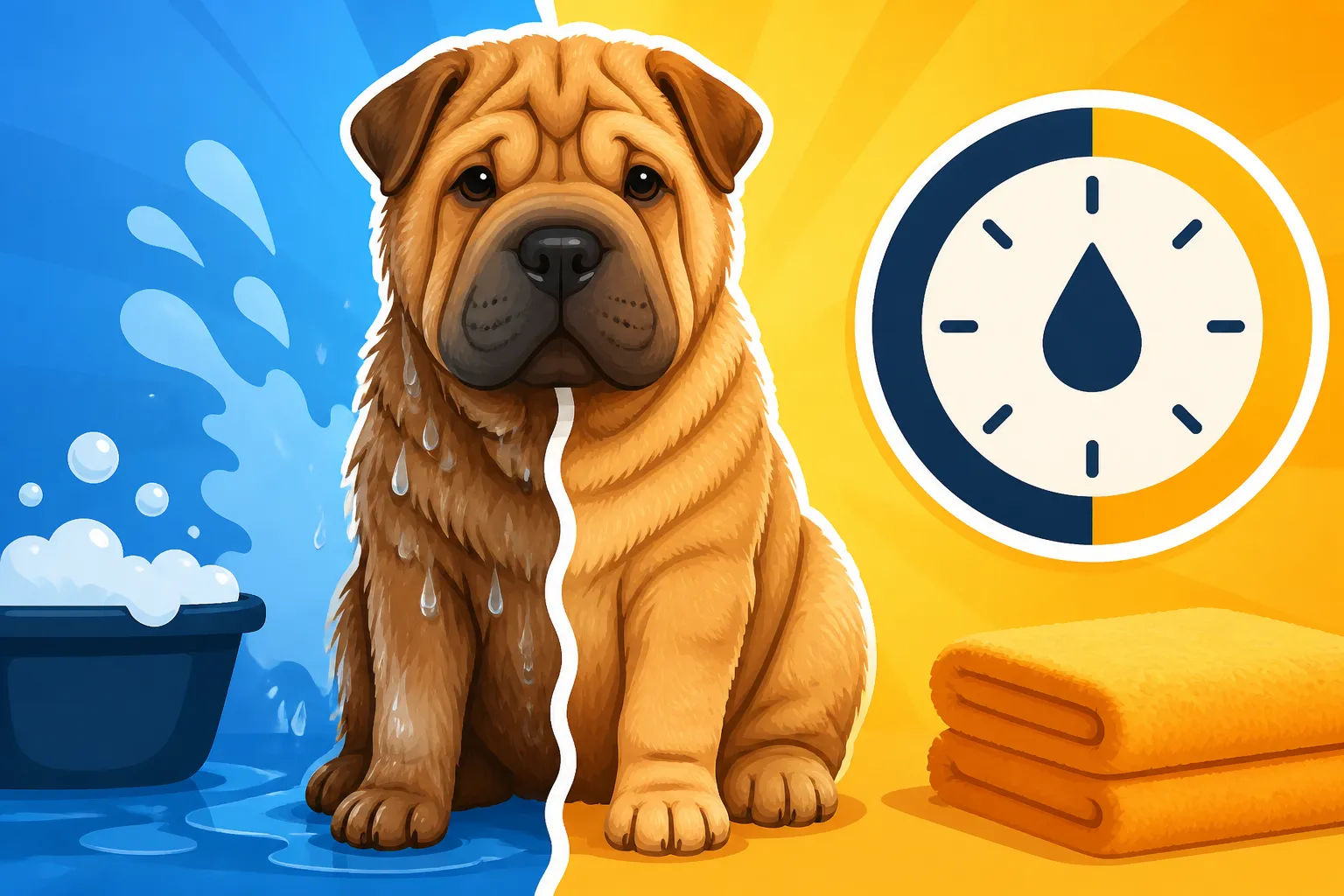
Ah, the post-bath Shar Pei conundrum! If you're a Shar Pei parent, you know that bath time isn't really over until your wrinkly wonder is completely dry. And let's be honest, getting all those adorable folds and that dense coat truly dry can feel like an Olympic sport, fraught with worry about lingering dampness and the skin issues that inevitably follow. This guide is here to shed some light on why drying a Shar Pei takes so long and, more importantly, how you can make the process more efficient and effective, keeping your beloved companion healthy and happy.
The Unique Challenges of Drying a Shar Pei
Drying a Shar Pei isn't like drying any other dog. Their very anatomy, from their distinctive coat to their signature wrinkles, creates a perfect storm for trapping moisture. It's a fundamental aspect of their care, one that many new owners underestimate until they're knee-deep in soggy towels.
Coat Type and Density
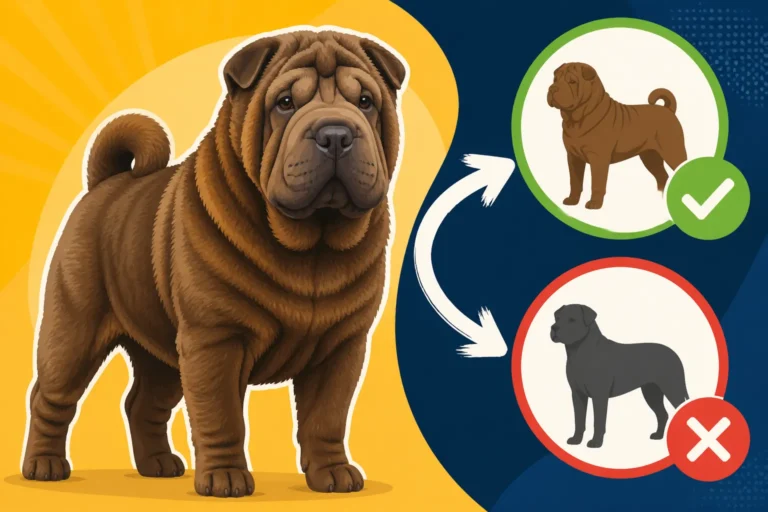
Let's talk about that coat first. Shar Peis come in a few coat types, primarily the "horse coat" and the "brush coat." The horse coat is short, harsh, and feels almost like sandpaper to the touch. While it might seem like this texture would repel water, it can actually hold quite a bit of moisture deep within its dense structure, especially if there's any undercoat present. The brush coat, on the other hand, is slightly longer and softer, which means it has even more surface area to absorb and hold onto water. Think of it like a plush carpet versus a thin rug – the plush carpet just soaks up more!
Beyond the texture, the sheer density of a Shar Pei's coat is a major factor. They have a thick, sometimes surprisingly plush, coat that can really pack in the water. It’s not just about the outer layer; it’s about getting air and absorbency down to the skin level, which is a surprisingly difficult task. Without a proper drying regimen, that deep moisture can linger, creating a prime breeding ground for problems. This inherent characteristic means you can’t just let them air dry like some other breeds; it simply won't work for a Shar Pei. Understanding How a Horse Coat Shar Pei Differs From a Brush Coat is really the first step in tailoring your grooming approach.
The Wrinkle Factor: A Moisture Trap
Now, for the main event: the wrinkles! Those adorable, loose folds of skin are what make a Shar Pei so iconic, but they are also the biggest adversary in the drying process. Each and every fold, whether on their face, neck, legs, or even their tail, acts like a tiny valley, a perfect little pocket where water can gather and sit. It's not just surface moisture we're talking about; water can wick down into the deepest recesses of these folds, out of sight and often out of mind for hurried owners.
When moisture is left trapped in these warm, dark, and often humid skin folds, it creates an ideal environment for bacteria and yeast to multiply. This leads to what we commonly call skin fold dermatitis, a painful, itchy, and often foul-smelling infection. It’s a classic Shar Pei problem, and it's almost always preventable with diligent drying and cleaning. This is why Every Fold on a Shar Pei Is a Place Something Grows is more than just a catchy phrase; it's a stark reality for Shar Pei owners. You have to actively seek out and dry every single fold, not just the obvious ones. Overlooking even one small area can set the stage for discomfort and a trip to the vet.
Environmental Humidity and Temperature
The environment you’re drying your Shar Pei in plays a surprisingly significant role. If you’re trying to dry your dog in a humid bathroom after a shower, or on a particularly muggy day, the air itself is already saturated with moisture. This makes it much harder for your dog's coat and skin to release its own dampness. It's like trying to dry clothes on a rainy day indoors – they eventually dry, but it takes forever and can leave them smelling musty.
Conversely, a warm, dry room with good air circulation will naturally assist in the drying process. Airflow helps to evaporate moisture more quickly. If you live in a hot, humid climate, this challenge is even greater. You might find yourself needing to use fans or even air conditioning to create an optimal drying environment. This isn't just about comfort; it's about actively preventing the kind of lingering dampness that allows skin issues to take hold. Knowing Why a Damp Shar Pei Develops Infection truly underscores the importance of controlling these environmental factors during and after bathing. You're not just drying a dog; you're managing a mini-ecosystem within their folds!
Effective Drying Techniques to Speed Things Up
Given the unique challenges, it's clear that a quick rub with a towel won't cut it for a Shar Pei. You need a strategic approach to ensure every inch and every fold is thoroughly dry. This isn't just about vanity; it's about preventative health care.
Towel Drying: Beyond the Basic Rub
Forget the vigorous scrubbing motion you might use on a Labrador. For a Shar Pei, towel drying is all about blotting and squeezing. The goal is to press the towel firmly against the coat to absorb as much water as possible, rather than just moving water around. Start by gently squeezing water out of their legs and tail, working your way up their body. Use multiple towels – you'll be amazed at how quickly they become saturated. High-absorbency microfibre towels are a game-changer here. Brands like those found easily on Amazon can make a noticeable difference in how much water you can remove in the initial stage. They are designed to pull moisture away more effectively than standard cotton towels.
Crucially, you need to get into the folds early. After the initial body towel-dry, take a fresh, dry towel and systematically go through each wrinkle, gently patting and dabbing to lift out trapped moisture. Don't rub aggressively, as this can irritate the skin. The more water you can get out with towels, the less work your forced air dryer (if you use one) will have to do, and the shorter the overall drying time will be. It also creates a less overwhelming experience for your dog if they're not drenched when the louder drying tools come out.
The Power of Forced Air Dryers
For many Shar Pei owners, a forced air dryer isn't a luxury; it's a necessity. Human hair dryers are often too hot, blowing air that can burn their sensitive skin, and they aren't powerful enough to effectively blast water out of a dense coat or deep folds. Pet-specific forced air dryers, on the other hand, produce a high volume of unheated or low-heat air that literally pushes water off the coat. This is significantly more effective and safer.
When using a forced air dryer, always start on a low setting to get your Shar Pei accustomed to the noise and sensation. Use the nozzle to direct the airflow, working section by section. Pay particular attention to holding folds open gently to allow the air to reach the skin underneath. You'll actually see water droplets flying off the coat, which is incredibly satisfying! Be mindful of their ears, as the noise can be intense, and their A Shar Pei Has the Narrowest Ear Canals of Any Breed. Take breaks if your dog gets stressed, and always keep the dryer moving to prevent hot spots from developing, even with low heat. Learning Whether a Shar Pei Should Be Blow Dried safely and effectively can drastically reduce your drying time and improve skin health.
Finishing Touches and Fold Care
Even after towel drying and a good session with a forced air dryer, your work isn't quite done. The critical last step is to ensure that every single skin fold is bone dry. This is where patience truly pays off. Take small, clean, dry cloths, cotton pads, or even a soft tissue, and meticulously go through each wrinkle. Lift the folds, gently wipe away any lingering dampness, and ensure the skin beneath feels dry to the touch. This often means working against the grain of the wrinkles to really get in there.
Some owners find it helpful to follow up with a light dusting of a cornstarch-based powder or an antifungal powder recommended by their vet, particularly in areas prone to dampness. However, always check with your vet before applying any products, as some can cause irritation or further problems if not suited for your dog's specific skin condition. The absolute priority is dryness. This detailed attention to What to Clean a Shar Pei's Folds With and how to dry them effectively will prevent the dreaded "Shar Pei smell" that often indicates yeast or bacterial growth, and most importantly, prevent painful infections. Remember, Drying Is More Important Than Washing on a Shar Pei when it comes to long-term skin health.
Estimated Drying Times and Realistic Expectations
So, how long does it really take? The truth is, there's no single answer, but we can give you a realistic range and help you understand why consistency is key.
Factors Influencing Overall Time
The total drying time for your Shar Pei will depend on several interwoven factors:
- Coat Type: A horse coat Shar Pei may dry a little faster than a brush coat simply because its shorter hair doesn't trap as much water on the surface, but the density still makes it challenging.
- Dog's Size and Wrinkle Volume: A smaller Shar Pei with fewer, looser wrinkles will dry quicker than a heavily wrinkled, larger individual. More folds simply mean more surfaces to dry.
- Drying Tools: A forced air dryer will dramatically cut down drying time compared to relying solely on towels. If you only towel dry, you’re looking at hours for them to be truly, thoroughly dry, and often they won't be fully dry at skin level.
- Owner's Technique: Your efficiency in towel blotting, operating the forced air dryer, and meticulously checking folds will directly impact how quickly you can complete the process.
- Ambient Environment: As mentioned, a warm, dry room is your friend. High humidity will extend drying time significantly.
Realistically, for a well-bathed Shar Pei, expect the process to take anywhere from 30 minutes to a full hour or even more if you're being truly thorough and using a forced air dryer. If you're only towel drying, you'll be dealing with lingering dampness for hours, which is definitely not recommended for their skin health. It's a significant time commitment, but one that is absolutely essential.
The Cost of Incomplete Drying
You might be thinking, "That's a lot of time! Can't I just let them finish air drying?" The short answer for a Shar Pei is: no, not really. The cost of incomplete drying is far too high for this breed. Lingering dampness in those deep skin folds is the primary cause of skin fold dermatitis, yeast infections, and bacterial skin infections. These aren't just minor inconveniences; they are painful, itchy, and can lead to serious health issues.
Imagine persistent itching, red and inflamed skin, hair loss in the affected areas, and a distinct, often unpleasant odor. That's the reality for a Shar Pei whose folds are not kept dry. Treating these infections requires veterinary visits, potentially expensive medicated shampoos, antibiotics, or antifungal medications. This can add up quickly, both in terms of financial cost and your dog's discomfort. Beyond that, recurrent skin infections can also be a sign of deeper immunological issues, like What IgA Deficiency Means for a Shar Pei, which makes diligent care even more vital. Investing the time in thorough drying upfront is an act of preventative medicine. It's much easier, and far less stressful for your dog, to prevent these issues than to treat them. Skin Fold Dermatitis on a Shar Pei is a common, but often avoidable, problem.
Making Drying a Positive Experience
Since drying is such a crucial and frequent part of Shar Pei care (you generally want to give them a bath every 2-4 weeks, or more if they get particularly dirty, so How Often a Shar Pei Needs a Bath will dictate how often you tackle this!), it's important to make it as positive an experience as possible. Start early with puppies. Introduce towels and the forced air dryer gradually. Let them sniff the dryer while it's off, then turn it on low from a distance, offering high-value treats. Companies like Chewy and Ollie offer fantastic treat options that can be used for positive reinforcement during these sessions.
Use positive reinforcement heavily throughout the process – praise, petting (in between drying, of course!), and treats. Keep sessions short initially, gradually increasing the duration as your dog becomes more comfortable. If they are particularly sensitive to noise, consider using Happy Hoodies or cotton balls in their ears. Patience is your most powerful tool. Rushing or forcing the issue will only create a negative association, making future drying sessions even harder. Turning it into a routine where they get rewarded for their cooperation makes the entire process smoother for both of you and solidifies your bond.
Here's a quick comparison of popular drying methods:
| Method | Typical Time Contribution | Effectiveness in Removing Moisture | Associated Risks |
|---|---|---|---|
| Air Drying | 4-8 hours (or never fully) | Very Low (especially in folds) | Skin infections, yeast, odor |
| Towel Drying Only | 1-2 hours | Moderate (surface only) | Lingering dampness in folds, issues |
| Towel + Human Dryer | 45-90 minutes | Moderate (can miss deep spots) | Skin burns (if too hot), irritation |
| Towel + Forced Air Dryer | 30-60 minutes | High (penetrates coat and folds) | Noise sensitivity, mild irritation if held too close |
Remember, your Shar Pei relies on you to understand their unique needs. Taking the time to properly dry your Shar Pei after every bath is one of the most important things you can do to protect their skin health and keep them comfortable. It might seem like a lot of effort, but preventing painful infections is always worth it. Keep a close eye on What a Shar Pei's Skin Tells You Before Its Behavior Does and you'll be ahead of the game.
Disclaimer
This article is for general informational purposes only and does not constitute professional advice. Laws, prices and regulations vary by location and change over time. Consult a qualified professional for guidance on your specific situation.