Whether a Shar Pei’s Leg Folds Need Cleaning
Oh, the beloved Shar Pei folds! They're undeniably what makes our wrinkly friends so unique and utterly charming, aren't they? But let's be honest, those beautiful folds, especially in less obvious places, can also be a source of real anxiety and frustration for us owners. We worry constantly about hidden dampness, odors, and whether we're doing enough to keep our pups comfortable and healthy. This guide is all about tackling those often-overlooked leg folds, helping you understand why they need attention, how to clean them effectively, and what to look out for.
The Anatomy of a Shar Pei's Folds: Beyond the Face
When most people think of a Shar Pei, their minds immediately go to those adorable, squishy facial wrinkles. We picture the furrowed brow, the deep muzzle folds, and maybe even a dramatic neck ruff. But the truth is, a Shar Pei's unique skin doesn't stop at the face; it extends all over their body, creating folds in places you might not even realize until you start looking closely. And it's these less prominent folds, like those on their legs, that can sometimes be the trickiest to manage because they're out of sight, out of mind.
Why Folds Are a Shar Pei Trait and a Challenge
Our Shar Pei's characteristic wrinkles are actually the result of a specific genetic mutation that causes an overproduction of hyaluronic acid in their skin. It's what gives them that wonderfully loose, almost oversized skin, especially when they're puppies. While this trait is incredibly endearing and a hallmark of the breed, it's also the source of many of their unique health challenges. Think of it this way: those deep crevices, no matter where they are on the body, create little sheltered microclimates on the skin's surface. These spots are perfect for trapping moisture, dirt, and debris, and they don't get much airflow.
It's a double-edged sword, really. We adore the wrinkles, but we also have to be vigilant about the potential issues they can cause. The skin in these areas is softer, more delicate, and can easily become irritated if not properly cared for. While the most dramatic folds might be on their head, it's crucial to remember that Every Fold on a Shar Pei Is a Place Something Grows, and that absolutely includes the folds around their legs.
Identifying Leg Folds on Your Shar Pei
So, where exactly are these sneaky leg folds? They're not always as obvious as the ones on their face, which is why a thorough, hands-on check is so important. You'll want to gently run your hands over your Shar Pei's entire leg, paying special attention to a few key areas:
- Armpits (Axillary Folds): This is a very common spot for skin folds in Shar Pei, particularly those with a lot of loose skin or who might be a little on the heavier side. The skin can bunch up here, rubbing against itself with every movement.
- Inner Thighs/Groin: Similar to the armpits, the inner thighs can have folds that rub together. This area can get particularly warm and damp, especially if your dog has been active.
- Hocks (Ankles): Some Shar Pei will have folds around their hocks, the joint that looks like an ankle on their back legs. These can be less dramatic but still prone to irritation, especially if they lie down a lot.
- Between the Toes and Paw Pads: While not strictly "leg folds," the skin between their toes and around their paw pads can also form deep crevices where moisture and debris can hide. This is an area many owners overlook, but it's vital for paw health.
The visibility and depth of these folds can also vary depending on your Shar Pei's coat type. A Horse Coat Shar Pei, with its extremely short, bristly hair, might have folds that are easier to see and access, but their skin can sometimes be more sensitive to irritation. A Brush Coat Shar Pei, with slightly longer, softer hair, might have folds that are a bit more hidden by their fur, requiring you to really part the hair to get a good look. Regardless of coat type, the principle remains the same: if there's skin rubbing on skin, there's a potential for trouble.
The Critical Importance of Cleaning Your Shar Pei's Leg Folds
You might be thinking, "Do I really need to clean every fold?" And the honest answer, when it comes to a Shar Pei, is a resounding yes, especially if your dog is prone to skin issues. Neglecting these areas, particularly the leg folds that are often out of sight, can lead to a host of uncomfortable and even painful problems for your beloved companion. It's not just about aesthetics; it's about their quality of life and preventing unnecessary trips to the vet.
The Breeding Ground for Unwanted Guests: Moisture and Debris
Imagine a dark, warm, humid cave, never seeing the sun or getting a fresh breeze. That's essentially what a neglected Shar Pei fold becomes, especially around the legs. Moisture gets trapped there from various sources: environmental humidity, rain or puddles on a walk, dew from the grass, sweat, or even just saliva from a dog licking the area. Once that moisture is trapped, it doesn't evaporate easily.
Added to this, these folds collect all sorts of microscopic debris. We're talking about shed skin cells, dirt, dust, pollen, and even remnants of topical treatments or shampoo that weren't rinsed thoroughly. This combination of trapped moisture and accumulated debris creates the perfect environment for opportunistic bacteria and yeast to flourish. These microorganisms are naturally present on your dog's skin, but in a damp, dirty, airless fold, they can multiply rapidly and cause an overgrowth. This leads to that distinct, often cheesy or musty odor that many Shar Pei owners unfortunately become familiar with. You'll quickly learn that Whether a Shar Pei Smells When Its Skin Is Healthy is a good indicator of their fold care routine. A healthy Shar Pei, even with folds, should not have a strong, unpleasant odor emanating from their skin.
Preventing Skin Fold Dermatitis and Other Infections
The consequence of this damp, dirty environment is often skin fold dermatitis, also sometimes called intertrigo. This isn't just a minor rash; it's a painful inflammation of the skin within the folds. You'll likely see redness, irritation, and sometimes a sticky, yellowish or brownish discharge. Your dog will be itchy, trying to scratch or lick the area, which only makes the problem worse by introducing more bacteria and moisture. The constant rubbing of inflamed skin against more inflamed skin is incredibly uncomfortable for them.
If left untreated, skin fold dermatitis can escalate into a full-blown bacterial or yeast infection, requiring veterinary intervention, including antibiotics or antifungals. These infections can be deep-seated, persistent, and genuinely distressing for your dog. They might become lethargic, lose their appetite, or become irritable because of the constant discomfort. It's heartbreaking to see your usually stoic Shar Pei in pain, and it's even more frustrating when you realize that much of it could have been prevented with consistent care. Skin Fold Dermatitis on a Shar Pei is a common diagnosis, but with diligent cleaning, you can significantly reduce its frequency and severity. Regular cleaning of leg folds is a proactive, preventative measure that saves your dog pain and saves you potential vet bills. It’s about being observant and consistent in their care.
A Step-by-Step Guide to Cleaning Your Shar Pei's Leg Folds
Alright, now that we understand why cleaning these folds is so crucial, let's get down to the how. It might seem a bit daunting at first, especially if your Shar Pei isn't used to being handled in these sensitive areas, but with a gentle approach and the right tools, it quickly becomes a routine part of their care. Remember, consistency is your best friend here.
Gathering Your Supplies for a Successful Clean
Before you even start, having everything laid out and ready will make the process smoother and less stressful for both you and your Shar Pei. A little preparation goes a long way!
Here’s a list of what you'll need:
- Soft Cloths or Cotton Pads: Opt for soft, lint-free cloths, like old t-shirts cut into squares, or large cotton pads. Avoid anything too rough or fibrous that might leave behind tiny particles.
- Dog-Specific Antiseptic Wipes or Cleanser: This is where brands like Chewy or Amazon can be incredibly helpful for sourcing specialized products. Look for wipes or liquid cleansers specifically designed for skin folds or antiseptic use in dogs. Ingredients like chlorhexidine or miconazole are common and effective. Always double-check that they are safe for topical use on dogs and won't sting or irritate. Avoid human baby wipes, which can contain ingredients that aren't good for canine skin pH.
- Plain Water: Sometimes a damp cloth with just water is all you need for maintenance cleaning if there's no active irritation.
- Clean, Dry Towel or Cotton Pads: Absolutely essential for thorough drying.
- Optional: Drying Powder: If your Shar Pei has particularly deep or persistently damp folds, a veterinary-approved drying powder (e.g., medicated cornstarch-based powder without talc) can be beneficial. Always consult your vet before using powders.
- High-Value Treats: This isn't optional! Make this a positive experience for your dog.
- A Calm Space: Choose a quiet area where your dog feels relaxed and you won't be interrupted.
The Cleaning Process: Gentle and Thorough
Now for the main event! Remember to be patient and keep your movements slow and reassuring.
- Set the Mood: Start by offering a treat and lots of calm praise. If your Shar Pei is new to this, keep the first few sessions very short, even if you only manage one leg fold.
- Gently Position Your Dog: Have them lie down or stand comfortably. You want to be able to access the leg folds without forcing or straining them.
- Locate the Folds: Carefully part the fur and gently pull back the skin to expose the deepest part of the fold. This is often where the real gunk accumulates.
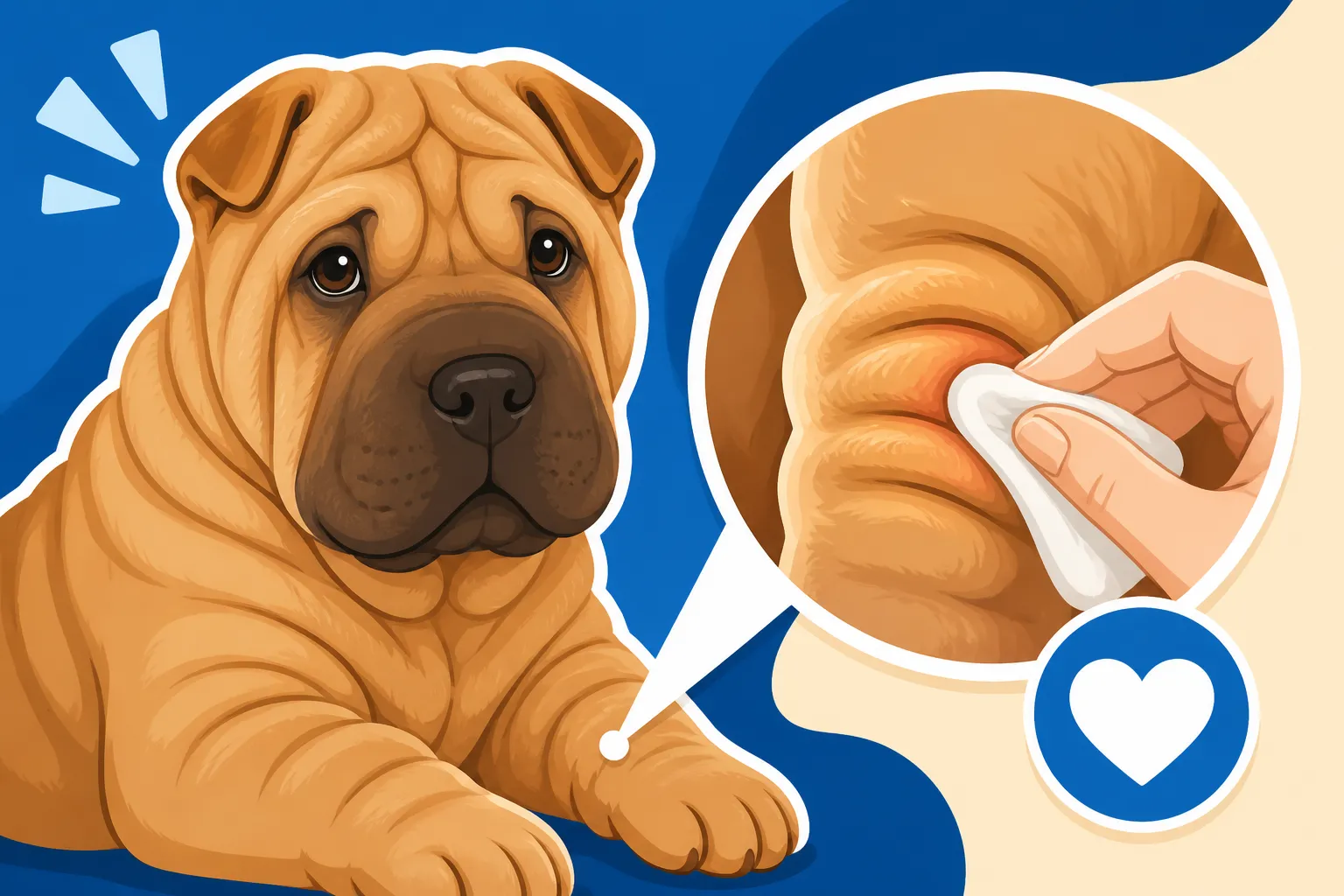
- Wipe Away Debris: Take your antiseptic wipe or a damp cloth moistened with your chosen cleanser. Starting from the cleanest part of the fold and moving outwards, gently wipe away any visible dirt, debris, or discharge. Be thorough but not harsh. You might need several wipes if the area is particularly grimy. If you're using a liquid cleanser, apply it to a cotton pad first. Remember, What to Clean a Shar Pei's Folds With is crucial, always use dog-specific products.
- Inspect the Skin: As you wipe, pay close attention to the condition of the skin. Look for redness, swelling, sores, or an unusual odor.
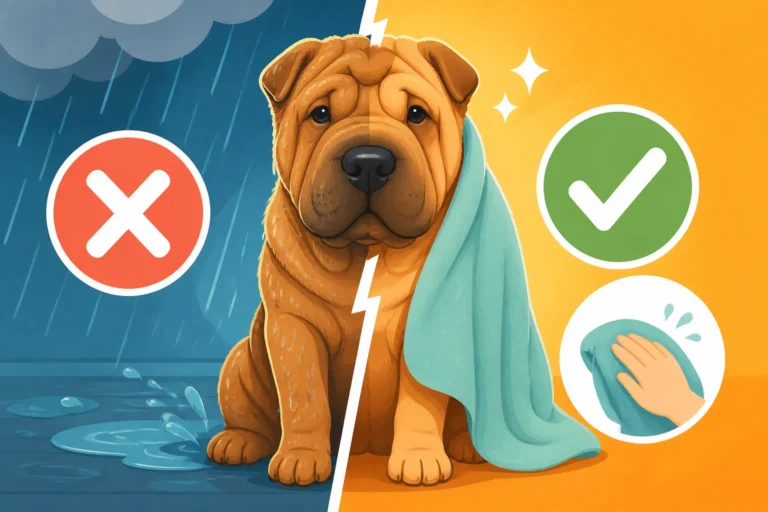
- Thoroughly Dry the Area: This is arguably the most important step. After cleaning, use a clean, dry cloth or cotton pad to absorb every last bit of moisture. Gently blot and dab, rather than rub, until the fold is completely dry. You might need to hold the fold open for a moment to allow it to air dry a little before releasing. This cannot be stressed enough: Whether a Shar Pei's Folds Should Be Dried After Cleaning is not a question, it's a mandatory part of prevention. Why a Damp Shar Pei Develops Infection cannot be overstated.
- Apply Drying Powder (Optional): If using, apply a very thin, light dusting of vet-approved drying powder. Ensure it's distributed evenly and doesn't clump up.
- Praise and Reward: End the session with enthusiastic praise, a belly rub, and another high-value treat. This positive reinforcement will make future cleanings much easier.
Frequency: How often you clean depends on your individual Shar Pei. Some dogs with deep folds or active lifestyles might need daily attention, especially in humid climates. Others might do well with cleaning every two or three days. If you notice any redness or odor, increase the frequency immediately.
Recognizing When to Call the Vet
While routine cleaning is your first line of defense, there will be times when a fold issue goes beyond what you can manage at home. It's absolutely crucial to know when to involve your veterinarian. Shar Pei are notorious for hiding pain, so any persistent or worsening signs warrant a professional check-up.
You should contact your vet immediately if you notice:
- Persistent or Worsening Redness: If the skin remains bright red, inflamed, or looks significantly worse after a day or two of diligent cleaning.
- Swelling: Any puffiness or swelling around the folds.
- Severe Odor: A strong, foul, or very yeasty smell that doesn't improve with cleaning.
- Excessive Discharge: Thick, pus-like, or bloody discharge.
- Pain or Sensitivity: Your Shar Pei flinches, cries, growls, or tries to bite when you try to touch the area, indicating significant discomfort.
- Lethargy or Loss of Appetite: These are systemic signs that your dog might be feeling unwell due to a spreading infection.
- Failure to Respond to Home Care: If you've been consistent with cleaning for a few days and the problem isn't improving, it's time for professional help.
Never try to self-diagnose or treat severe infections with human medications or unapproved remedies. A vet can properly assess the type of infection (bacterial, yeast, or both) and prescribe the correct antibiotics, antifungals, or anti-inflammatory medications. Sometimes, they might even need to culture the area to identify the specific pathogen. Remember, Whether a Shar Pei's Fold Infection Needs Antibiotics is a question best answered by a professional, as untreated infections can become chronic and much harder to resolve.
Long-Term Strategies for Healthy Shar Pei Leg Folds
Keeping your Shar Pei's leg folds healthy isn't just about the occasional wipe-down; it's an ongoing commitment that ties into their overall well-being. Thinking about diet, environment, and general grooming habits can make a huge difference in managing these unique areas of their skin. It’s all interconnected!
Diet, Humidity, and Overall Skin Health
What your Shar Pei eats plays a surprisingly significant role in the health of their skin, including their folds. Just like with humans, a dog's diet can either support a healthy skin barrier or contribute to inflammation and sensitivities.
- Dietary Considerations: Many Shar Pei are prone to food sensitivities or allergies, which can manifest as skin problems, including increased itching, redness, and inflammation in their folds. If your dog frequently suffers from irritated folds, discussing an elimination diet with your vet might be worthwhile. This often involves feeding a novel protein source (one your dog hasn't eaten before) or a hydrolyzed protein diet to see if symptoms improve. Brands like Ollie offer tailored, limited ingredient options that could be beneficial, though always discuss significant dietary changes with your vet first.
- Environmental Factors: Humidity is a big factor. If you live in a warm, humid climate, your Shar Pei's folds are more likely to stay damp and become irritated. You might need to increase cleaning frequency or consider using dehumidifiers indoors. Conversely, extremely dry environments can also cause skin dryness and irritation. Whether a Shar Pei's Skin Gets Worse in Humidity is often answered with a resounding yes by owners in muggy areas.
- Overall Health Checks: Your Shar Pei's skin often tells you a lot about their internal health. Regular vet check-ups are vital, not just for specific fold issues, but for their overall skin health. Your vet can spot underlying conditions, like allergies, hypothyroidism, or even immune deficiencies, that might contribute to chronic skin problems. Remember, What a Shar Pei's Skin Tells You Before Its Behavior Does – skin changes can be an early warning sign.
Regular Grooming and Monitoring Beyond Cleaning
A holistic approach to grooming will serve your Shar Pei well, ensuring those leg folds don't get overlooked. Think of it as a comprehensive health check disguised as cuddle time!
- Full-Body Checks During Brushing: Even though Shar Pei don't require extensive brushing, using a soft brush or rubber curry comb a few times a week is a great opportunity to perform a full-body skin check. As you brush, gently feel around their legs, armpits, and groin. Notice any warmth, bumps, or signs of irritation. This tactile inspection is key to catching issues early.
- Nail Trims and Paw Health: While seemingly unrelated, keeping your Shar Pei's nails trimmed and their paw pads healthy contributes to overall leg hygiene. Overly long nails can make them walk differently, potentially increasing friction in leg folds. Ensuring the skin between their toes is also clean and dry prevents secondary issues that could spread to other leg areas.
- Consistent, Gentle Handling from Puppyhood: The best time to start getting your Shar Pei comfortable with fold cleaning is when they're a puppy. Gentle handling, lots of praise, and treats during these sessions will build a positive association. This will make them much more cooperative as adults. It's the same principle as teaching them to accept ear cleaning; if you make it a normal, pleasant routine early on, they'll be far less resistant. How to Teach a Shar Pei Puppy to Accept Ear Handling applies equally to teaching them to accept leg fold handling. A calm, compliant dog makes daily care a breeze, turning a potential struggle into a bonding opportunity.
By being proactive with cleaning, attentive to their diet, mindful of their environment, and thorough with their overall grooming, you can ensure your Shar Pei's leg folds remain as healthy and happy as the rest of them.
Here’s a quick overview of common fold areas and their care:
| Fold Area | Location | Primary Concerns | Cleaning Frequency (General Guide) |
|---|---|---|---|
| Facial Folds | Around muzzle, eyes, forehead | Tears, food debris, environmental dirt | Daily |
| Neck/Ruff Folds | Under the chin, around the neck | Sweat, leash/collar irritation, general dirt | Every 2-3 days |
| Armpit Folds | Under the front legs (axilla) | Sweat, friction, poor airflow, hidden debris | Every 2-3 days, or daily if active |
| Groin/Inner Thighs | Inside the back legs | Sweat, urine residue, friction, hidden debris | Every 2-3 days, or daily if active |
| Hock Folds | Around the ankle-like joint on back legs | Friction from lying, less common for severe issues | Weekly, or as needed |
| Tail Fold | At the base of the tail (if present) | Fecal matter, moisture, poor airflow | Daily |
| Between Toes/Paws | Deep crevices between paw pads and toes | Trapped dirt, moisture, allergens | After outdoor activities, weekly routine |
Disclaimer
This article is for general informational purposes only and does not constitute professional advice. Laws, prices and regulations vary by location and change over time. Consult a qualified professional for guidance on your specific situation.