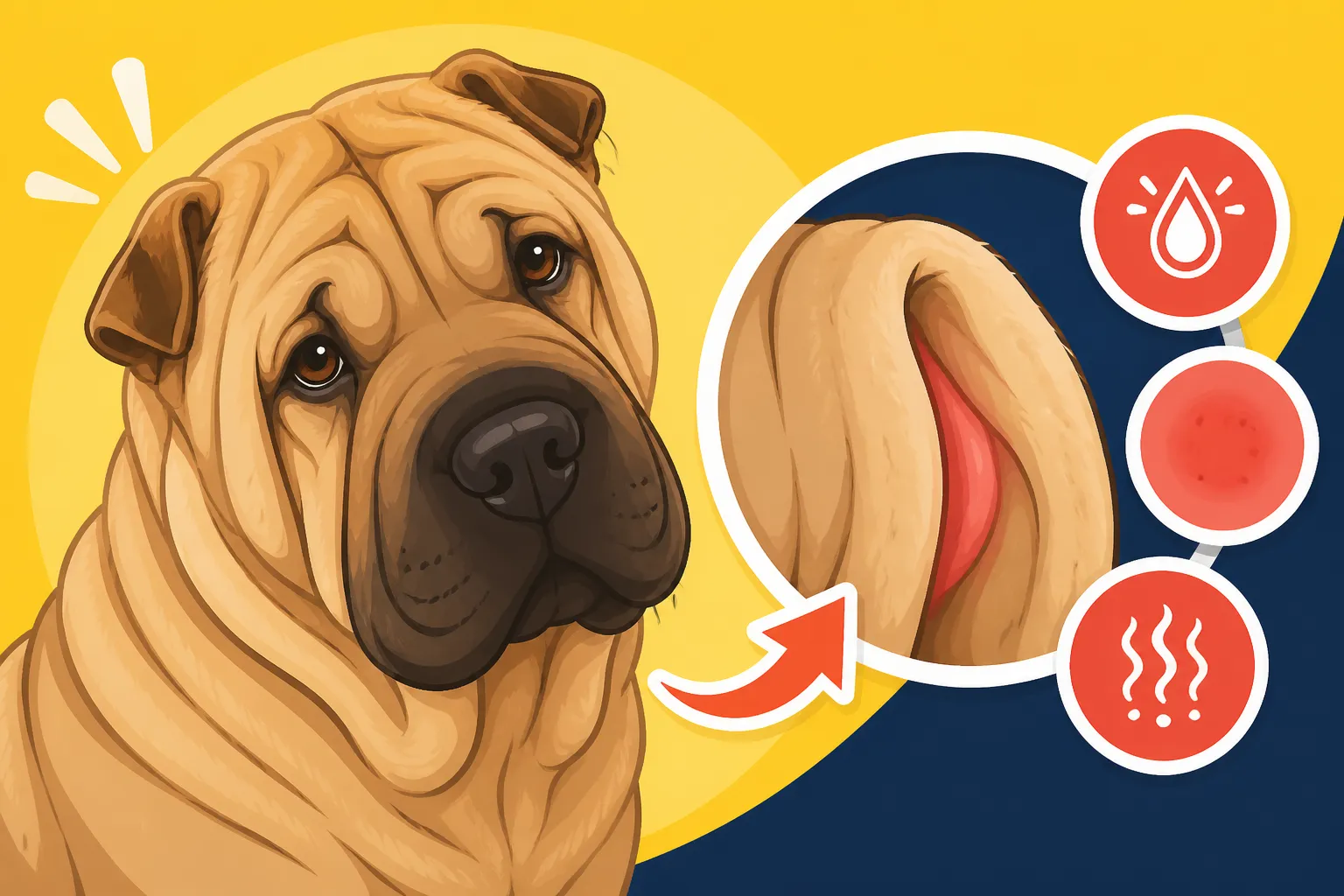
Signs a Shar Pei’s Fold Has Turned
As a Shar Pei owner, few things are as unsettling as catching a whiff of something 'off' or noticing your beloved wrinkly friend constantly scratching a particular spot. That distinct, yeasty, or even truly foul odor often signals a 'turned' fold – a common, painful, and often hidden skin infection nestled deep within those beautiful wrinkles. This guide is all about helping you identify the subtle, and not-so-subtle, signs that one of your Shar Pei's precious folds has developed an infection, so you can act quickly and bring your dog relief.
The Unsettling Reality of a "Turned" Fold: What It Actually Means for Your Shar Pei
It’s easy to admire those distinctive wrinkles that make a Shar Pei so unique, but for every deep fold, there's a potential pocket where trouble can brew. A "turned" fold isn't about the wrinkle physically turning inside out, but rather about the skin within that fold becoming inflamed, irritated, and eventually infected. It’s a common frustration for Shar Pei guardians, often leading to discomfort and pain for our furry companions.
More Than Just a Wrinkle: Understanding Skin Fold Dermatitis
When we talk about a turned fold, what we’re really referring to is a condition called skin fold dermatitis, or intertrigo. Imagine skin rubbing against skin, constantly. Now add moisture from tears, drool, urine, sweat, or even just humidity in the air. This creates a warm, dark, and damp environment – basically a perfect petri dish for bacteria and yeast to flourish. The skin inside the fold can't breathe properly, and the friction causes irritation. Over time, this irritation breaks down the skin's natural barrier, leading to inflammation and then a full-blown infection. It's a cruel irony that the very feature we love about Shar Pei is often the cause of their discomfort.
Why Shar Pei Are Uniquely Susceptible to Fold Infections
The Shar Pei's signature wrinkles are a direct result of a genetic mutation that causes an overproduction of hyaluronic acid. This abundance of skin, while adorable, creates numerous deep folds and rolls all over their bodies. Unlike many other breeds, Every Fold on a Shar Pei Is a Place Something Grows. These folds, particularly in areas like the muzzle, eyes, neck, and tail, are naturally prone to trapping moisture, debris, and microbes. Without diligent and consistent care, it's not a matter of if a fold will become infected, but often when. Factors like heat and humidity can significantly worsen the problem, making Whether a Shar Pei's Skin Gets Worse in Humidity a real concern for owners in warmer climates.
The Telltale Signs: How to Spot a "Turned" Fold
Spotting a turned fold often requires a keen eye and a discerning nose, as these infections can be hidden deep within the skin's crevices. Your Shar Pei might not always cry out in pain, but they'll definitely give you clues. Paying close attention to both their physical state and their behavior is crucial.
Olfactory Alarms: When Your Shar Pei Starts to Smell Different
This is often the very first sign, and it's hard to ignore. A healthy Shar Pei, even with all their folds, shouldn't have a strong, unpleasant odor. If you start to notice a persistent, sour, musty, or distinctly yeasty smell emanating from your dog, especially from a specific area, it's a huge red flag. It's not just a "doggy smell"; it's a stench that signals something is wrong. Many owners describe it as smelling like stale crackers, dirty socks, or even rancid butter. That distinct aroma means that bacteria and/or yeast are having a party in your dog's folds, and it’s a sign that you need to investigate further. Remember, Whether a Shar Pei's Folds Smell When Healthy is generally no, not a bad smell, so trust your nose.
Visual Cues: What to Look For Beyond the Surface
Once your nose tells you something is up, it’s time to get a good look, which can sometimes require gently separating those deep folds.
- Redness and Inflammation: The skin inside the affected fold will look angry and red. It might be a subtle pink at first, progressing to a vibrant red or even a deep purple. This indicates irritation and inflammation.
- Moisture or Discharge: You might see dampness within the fold. This could be clear, watery fluid, or it might be thicker, yellowish, or brownish pus. This discharge is a clear sign of infection and often carries that unpleasant odor.
- Crusting or Scabbing: As the infection progresses, the skin can become crusty, flaky, or develop small scabs. This happens as the skin tries to heal or as the discharge dries.
- Hair Loss: The constant irritation and inflammation can lead to hair loss in the affected area, making the skin even more vulnerable.
- Thickened Skin: Chronic inflammation can cause the skin within the fold to become thickened, leathery, and dark, a condition known as lichenification. This indicates a long-standing issue.
When you're checking, it's often easiest to have your Shar Pei lie down or sit comfortably. Use good lighting, and be very gentle as the area may be painful. Sometimes, it helps to use a soft, damp cloth to carefully wipe away any surface gunk to get a clearer view.
Touch and Sensitivity: Your Dog's Discomfort is a Signal
Beyond what you see and smell, your Shar Pei's reaction to touch can be a major indicator.
- Pain or Tenderness: If your dog flinches, pulls away, or vocalizes when you gently touch or try to separate a particular fold, it's a strong sign of pain. This tenderness is a direct result of the inflammation and infection.
- Itching and Scratching: You might notice your Shar Pei constantly rubbing their face on the carpet, scratching at their neck with a hind leg, or excessively licking their tail. Persistent itching is a classic symptom of skin irritation and infection. This relentless scratching or rubbing can further traumatize the skin, making the infection worse.
- Restlessness or Lethargy: While less specific, a dog suffering from chronic discomfort might seem generally restless, unable to find a comfortable position, or conversely, more lethargic than usual due to the constant irritation draining their energy. They might be trying to tell you they don't feel quite right.
Common Hotspots: Where Shar Pei Folds Tend to "Turn"
Understanding where these infections are most likely to occur can help you be more proactive in your checks. While any fold on a Shar Pei can potentially turn, some areas are more common culprits due to their depth, moisture exposure, or friction points.
The Face: Muzzle and Eye Folds
The face is arguably the most recognizable area of a Shar Pei, and unfortunately, it's also a prime location for fold issues.
- Muzzle Folds: The deep folds around your Shar Pei's muzzle and chin can trap drool, food particles, and moisture from drinking water. This area is particularly prone to yeast infections, which often have that distinct musty odor. You might notice redness, dampness, or even a brown discharge on their chin. Regularly wiping these folds, especially after meals and drinks, is paramount.
- Eye Folds: The folds around a Shar Pei's eyes can be very deep, sometimes even affecting their vision. Tears can accumulate in these folds, creating a perpetually moist environment. What Entropion Does to a Shar Pei Puppy's Eye is a separate but related issue where the eyelid rolls inward, causing irritation; however, even without entropion, the folds themselves can get infected from trapped moisture and bacteria. Watch for redness, staining (often brownish-red), and discharge near the inner corners of their eyes.
The Tail Base: A Hidden Pocket of Trouble
Many Shar Pei have a wonderfully curly tail that sits tightly against their back, forming a deep pocket at its base. This "tail fold" is incredibly common for infections because it's largely out of sight and can trap fecal matter, urine, and moisture. You might not see it until it's quite advanced, but the smell will often be the first give-away. Your dog might also be licking or trying to reach their tail base more often. Gently lifting their tail and examining the skin underneath is a crucial part of your routine checks. Sometimes, the skin can become so inflamed and thick that the tail appears to "sink" into the body.
The Body: Neck, Armpits, and Vulvar Folds
Beyond the face and tail, other areas of the body also present opportunities for skin fold dermatitis.
- Neck Folds: The large, loose folds around a Shar Pei's neck are another common site, particularly in puppies who are still "growing into their skin" or in adults who carry a bit more weight. These folds can rub, especially if a collar is worn too tightly or if the dog is very active. Keep an eye out for redness or irritation under their collar line, or if they are constantly scratching their neck area.
- Armpit and Groin Folds: These areas are constantly rubbing and are often warm and moist, especially after exercise. They can be tricky to examine but are worth checking if your dog is showing generalized itchiness or odor.
- Vulvar Folds (Females): For female Shar Pei, particularly those who are spayed, a deep vulvar fold can be a persistent source of irritation and infection. Urine can get trapped in the fold, leading to chronic dampness and bacterial growth. Signs include licking the area excessively, a distinct odor, and redness or discharge around the vulva. This is an area where How Often a Shar Pei's Folds Need Cleaning becomes especially critical.
Immediate Action and Long-Term Care for Infected Folds
Discovering a turned fold can be worrying, but the good news is that early intervention makes a huge difference. Knowing what to do first, and when to escalate to professional help, is key to your Shar Pei's comfort and recovery.
First Steps at Home: Gentle Cleaning and Observation
As soon as you suspect a turned fold, your first step is a gentle, thorough cleaning of the affected area.
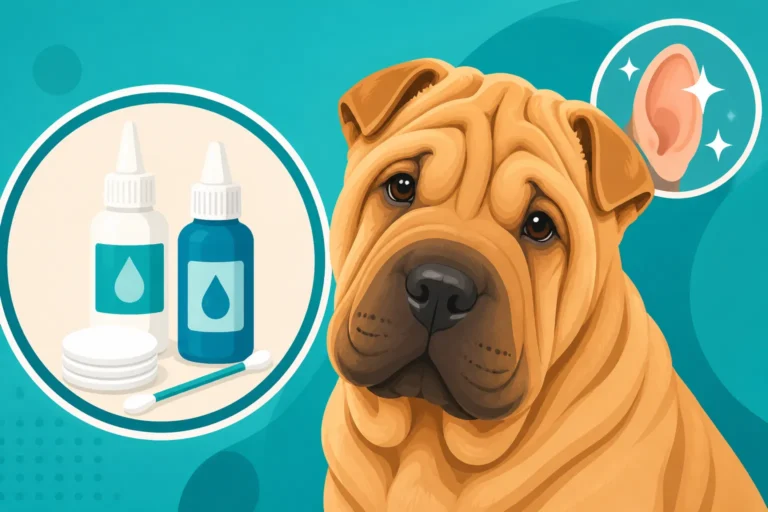
- Gather Your Supplies: You'll need soft cotton pads or gauze, and a gentle antiseptic solution recommended for dogs, such as chlorhexidine wipes or a dilute chlorhexidine solution. Many owners find readily available medicated wipes from reputable retailers like Chewy or Amazon to be incredibly convenient for daily fold care.
- Clean Gently: Carefully separate the folds to expose the inflamed skin. Using a fresh cotton pad with your chosen cleaning solution, gently wipe away any discharge, debris, or crusting. Be very careful, as the area will likely be tender. Do not rub harshly. Your goal is to clean, not to scrub.
- Dry Thoroughly: This is arguably the most crucial step. After cleaning, use a clean, dry cotton pad or a soft cloth to gently blot the area completely dry. Moisture is the enemy here. You want the skin to be aired out and bone dry. Drying Is More Important Than Washing on a Shar Pei is a golden rule for managing their skin.
- Repeat and Observe: Repeat this cleaning and drying process twice a day. Monitor the area closely for any improvement or worsening. Take note of the smell, redness, and any changes in discharge.
While you're working on cleaning, consider What to Clean a Shar Pei's Folds With to ensure you're using safe and effective products.
When to Call the Vet: Recognizing the Need for Professional Help
While home care is a good first response, it's vital to know when to bring in the professionals.
- No Improvement After 24-48 Hours: If the redness, smell, or discharge hasn't improved, or if it seems to be getting worse despite your diligent cleaning, it's time to call your veterinarian.
- Severe Pain or Extensive Area: If your Shar Pei is in significant pain, snapping when you try to touch the area, or if the infection is widespread and deep, veterinary intervention is needed immediately.
- Deep Sores or Ulcers: If you notice open sores, bleeding, or what looks like deep ulcerations within the fold, this is a serious infection that requires immediate medical attention.
- Systemic Signs: If your Shar Pei seems generally unwell, has a fever (which can happen with severe infections), is lethargic, or stops eating, don't wait – get them to the vet.
Your vet might prescribe oral antibiotics or antifungals, stronger medicated wipes, or specific medicated shampoos. They can also rule out other underlying conditions or allergies that might be contributing to the recurrent fold infections. Skin Fold Dermatitis on a Shar Pei often requires professional diagnosis and treatment.
Preventative Measures: Keeping Those Folds Healthy and Dry
The best treatment is always prevention. Establishing a consistent routine of fold care is non-negotiable for a Shar Pei owner.
- Daily Inspection and Wiping: Make it a habit to check and gently wipe down your Shar Pei's most problematic folds daily. The face, tail pocket, and vulvar folds are typically priority areas. Using medicated wipes (Whether Medicated Wipes Are Cheaper Than Shampoo for a Shar Pei) for daily maintenance can be a cost-effective and convenient approach. You can usually find a good supply of these on online marketplaces like Chewy or Amazon.
- Thorough Drying After Baths: Whenever your Shar Pei gets wet – after a bath, a swim, or even just a walk in the rain – meticulously dry every single fold. A hairdryer on a cool setting can be a real lifesaver here, just ensure it’s not too hot and doesn’t scare your dog.
- Consider a Quality Diet: While diet isn't a direct solution for existing fold infections, a high-quality, balanced diet can contribute to overall skin health and a stronger immune system, which can help your Shar Pei fight off infections more effectively. Some owners explore fresh food options like those from Ollie, or specific limited-ingredient diets if allergies are suspected to contribute to skin issues.
- Regular Grooming: Regular grooming helps keep the coat clean and can prevent matting that might worsen fold conditions. How Often a Shar Pei Needs Medicated Bathing will depend on the severity and recurrence of issues, but regular bathing with a gentle, non-irritating shampoo is important. If your vet prescribes a medicated shampoo, remember that Whether a Medicated Shampoo Needs Contact Time on a Shar Pei is usually yes, allowing it to sit for 5-10 minutes for optimal effect.
- Weight Management: Keeping your Shar Pei at a healthy weight can sometimes reduce the prominence of certain body folds, lessening friction and improving air circulation, thereby reducing the risk of infection.
By staying vigilant, understanding the signs, and maintaining a consistent care routine, you can significantly reduce the chances of your beloved Shar Pei suffering from the painful and persistent problem of turned folds.
| Fold Location | Common Visual Signs | Common Olfactory Signs | Behavioral Indicators |
|---|---|---|---|
| Muzzle/Face | Redness, dark staining, dampness, crusting | Sour, yeasty, 'dirty socks' smell | Rubbing face on floor/furniture, pawing at muzzle |
| Eye Folds | Redness, tear staining (brownish-red), discharge | Mildly sour, absence of strong odor unless severe | Squinting, rubbing eyes, sensitivity to light |
| Tail Base | Redness, deep skin thickening, moist, scabs, trapped feces | Strong, foul, cheesy, or fecal odor | Excessive licking/chewing at tail, difficulty sitting |
| Neck Rolls | Redness, irritation under collar, dampness, hair loss | Musty, yeasty smell | Excessive scratching at neck, rubbing against objects |
| Armpits/Groin | Redness, dampness, skin thickening | Musty, slightly sour | Licking inner legs, generalized itchiness |
| Vulvar Folds | Redness, swelling, discharge, urine scald | Strong urine odor, yeasty, fishy | Constant licking of vulva, scooting |
Disclaimer
This article is for general informational purposes only and does not constitute professional advice. Laws, prices and regulations vary by location and change over time. Consult a qualified professional for guidance on your specific situation.