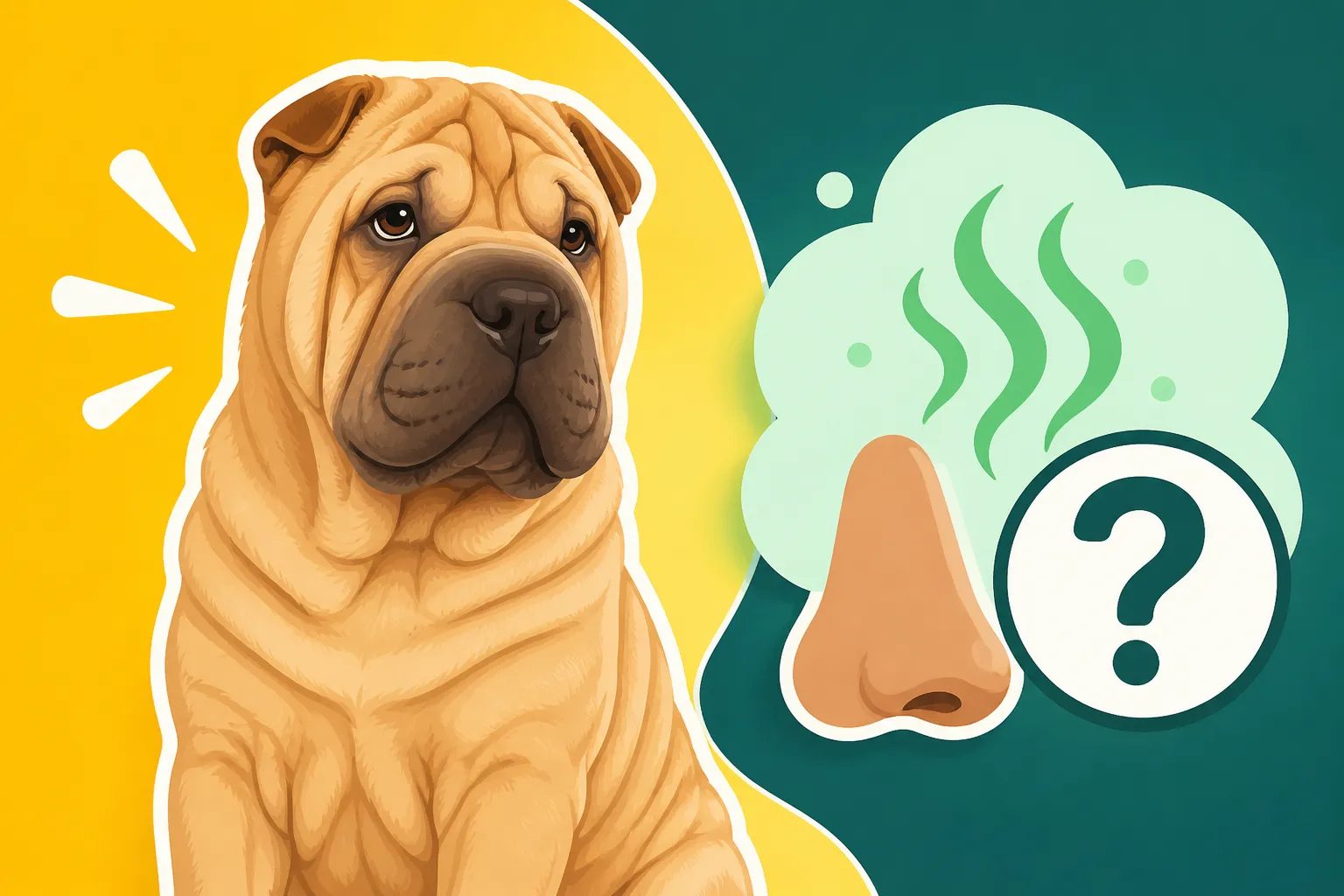
Whether a Shar Pei Carries an Odor
It’s a common worry for dog owners, isn’t it? That lingering "dog smell" that can sometimes permeate your home, despite your best efforts. For Shar Pei owners, or those considering bringing one of these wonderfully unique dogs into their lives, the question often arises: do Shar Peis carry a particular odor? This comprehensive guide dives deep into the realities of Shar Pei scent, exploring why some might develop an odor and, more importantly, what you can do to keep your wrinkled companion smelling fresh and clean.
Understanding the Shar Pei's Natural Scent
Let's be real, every dog has a scent. Just like humans, no dog is truly odorless. However, some breeds are certainly more prone to a strong, distinct "doggy" smell than others. When it comes to the Shar Pei, there's often a misconception that their wrinkles inherently mean they're going to be a smelly dog. Thankfully, that's not necessarily true for a healthy, well-cared-for Shar Pei.
The Myth of the "Odorless" Dog
While a Shar Pei might not have the pungent aroma of, say, a damp Retriever, it's unrealistic to expect any dog to be completely scent-free. Their skin, coat, breath, and even their paws all contribute to their unique natural smell. For many Shar Pei owners, a healthy dog has a relatively mild, almost musky scent that isn't unpleasant. It's often only when something is amiss that a stronger, more noticeable odor begins to develop. Think of it less as a "breed smell" and more as an individual dog's baseline scent.
The type of coat your Shar Pei has can also subtly influence their perceived scent and how much dirt or debris might cling to them. A horse coat, known for its short, prickly texture, might shed more frequently but can also be easier to keep clean from surface grime than a softer brush coat. You might notice that after a good romp in the park, a horse coat seems to shed dirt more readily. Conversely, a brush coat might trap more environmental odors. Regardless of coat type, the underlying health of the skin is paramount in determining overall scent. If you're curious about the different textures, check out Why a Shar Pei's Coat Feels Like Sandpaper.
Factors Influencing a Healthy Shar Pei's Scent
Even in a perfectly healthy Shar Pei, a few everyday factors can influence their scent. Their diet, for example, plays a huge role. A dog on a high-quality, easily digestible diet often has better skin and coat health, which in turn can lead to a milder scent. Conversely, a diet that doesn't agree with them can sometimes manifest as a dull coat, flaky skin, or even bad breath, all contributing to an unpleasant smell.
Environmental factors are also key. Does your Shar Pei love to roll in the grass after a rain shower? Do they spend a lot of time outdoors, picking up pollen and dust? These external elements will naturally temporarily affect their smell. Even simply lounging on a favorite, unwashed dog bed can transfer odors back onto their coat. Consistent, proactive hygiene practices are essential. This isn't just about masking smells; it's about supporting their natural skin barrier and keeping things fresh. Taking note of What a Shar Pei's Skin Tells You Before Its Behavior Does can help you understand subtle changes related to their overall well-being.
Common Causes of Odor in Shar Pei
Now, let's get into the nitty-gritty. While a healthy Shar Pei isn't inherently smelly, this breed is predisposed to certain conditions that can lead to quite strong and unpleasant odors. If your Shar Pei is starting to smell, it’s usually a sign that something needs attention, and often it's due to their unique physical characteristics.
Skin Fold Dermatitis and Yeast Infections
This is perhaps the most common culprit behind a stinky Shar Pei, and it's directly related to those wonderful wrinkles that make the breed so distinct. Their deep skin folds, especially around the face, neck, and tail base, can trap moisture, dirt, oils, and dead skin cells. This warm, damp, and dark environment is an absolute paradise for bacteria and yeast to flourish. When these microorganisms overgrow, they cause inflammation, irritation, and a very characteristic, often strong, yeasty or musky odor. It’s not just a surface smell; it can be quite pervasive.
Imagine trying to keep an area clean and dry that is constantly pressed against itself. It’s tough! These fold infections, or skin fold dermatitis, can be painful and itchy for your dog, often leading to increased rubbing or licking, which only exacerbates the problem. Addressing these areas with diligent cleaning and drying is crucial. Sometimes, over-the-counter medicated wipes or shampoos can help, but severe cases require veterinary intervention. For more insight into these trouble spots, read Every Fold on a Shar Pei Is a Place Something Grows. Products like medicated wipes specifically designed for skin folds can often be found on platforms like Chewy or Amazon.
Ear Infections
Shar Peis are famous for their tiny, tight ear canals – they're notoriously narrow. This anatomical feature, while adorable, makes them highly susceptible to ear infections. Debris, wax, and moisture can easily become trapped in these constricted canals, creating another ideal breeding ground for bacteria and yeast. An ear infection typically produces a very distinct, often foul-smelling discharge, which can range from a sweet, sickly odor to something more pungent and rotten. You might notice your Shar Pei shaking their head, scratching their ears, or holding one ear at an odd angle.
Untreated ear infections can be incredibly painful and, due to the tight canal, can be difficult to clear up without professional help. Regular cleaning with appropriate solutions is vital for prevention, but once an infection takes hold, a vet visit is essential for proper diagnosis and medication. It's a challenging area to maintain, as highlighted in A Shar Pei Has the Narrowest Ear Canals of Any Breed. If you're constantly battling ear issues, it's worth reading How Often a Shar Pei Gets an Ear Infection for a deeper understanding of this common Shar Pei problem.
Dental Issues
Just like with humans, poor oral hygiene in dogs can lead to seriously bad breath. Plaque and tartar buildup on their teeth can harbor bacteria that release foul-smelling compounds. Over time, this can progress to gum disease, tooth decay, and even infections in the mouth, all of which contribute to a really offensive odor from their mouth. Beyond just bad breath, dental disease can lead to significant pain for your dog and can even impact their overall health if bacteria spread to other organs.
It’s often a smell that hits you when your dog yawns or gives you a kiss. Regular dental care, including brushing their teeth, providing dental chews, and professional cleanings under anesthesia when needed, can prevent these issues. Many owners overlook dental care, but it’s a critical part of a dog's overall health and directly impacts their scent. To understand more about keeping those pearly whites clean, check out Whether a Shar Pei's Teeth Need Brushing.
Anal Gland Problems
This is an odor no pet owner ever forgets: the distinct, fishy smell that seems to come out of nowhere. Dogs have two small anal glands located on either side of their anus, which typically express a strong-smelling liquid when they defecate, marking their territory. However, these glands can sometimes become impacted, infected, or abscessed. When this happens, the fluid can leak out involuntarily, or your dog might express them manually by scooting their bottom along the floor.
The smell is unmistakable and can be incredibly strong, clinging to their fur and bedding. If you notice your Shar Pei scooting, excessively licking their rear, or if that fishy odor becomes apparent, it's time for a vet check. They can manually express the glands or provide treatment for infection. Ignoring it can lead to painful abscesses. For more details on this particular issue, refer to Whether a Shar Pei Needs Its Anal Glands Expressed.
Dietary Sensitivities and Allergies
Sometimes, an unusual or pervasive odor isn't coming from external sources like folds or ears, but from within. Dietary sensitivities or true food allergies can manifest in a variety of ways that contribute to a strong body odor. This might include:
- Skin issues: Itching, redness, greasy coat, or recurring skin infections can be triggered by an allergic reaction to certain ingredients. As we discussed, inflamed skin is a breeding ground for odor-causing bacteria and yeast.
- Gastrointestinal upset: Chronic flatulence, loose stools, or other digestive issues can certainly add to an overall unpleasant smell, both directly and indirectly through skin irritation.
Identifying and eliminating the offending ingredient is key, which often involves a strict elimination diet under veterinary guidance. This can be a long process, but it's vital for your dog's comfort and long-term health. Learning more about this can be helpful by reading Feeding a Shar Pei That Reacts to Its Food and Which Protein Suits a Shar Pei. Companies like Ollie offer fresh food options which can sometimes be beneficial for dogs with sensitivities, or specialized limited ingredient diets are widely available on Chewy.
Proactive Strategies for Odor Management
The good news is that most Shar Pei odors are manageable and preventable with a consistent and tailored care routine. It requires diligence, but the reward is a happier, healthier, and better-smelling companion.
Consistent Grooming Routine
Regular bathing is foundational to keeping any dog smelling fresh, and the Shar Pei is no exception. How often you bathe your Shar Pei will depend on their individual needs, activity level, and skin health, but generally, once every 2-4 weeks is a good starting point. Use a high-quality dog shampoo, preferably one formulated for sensitive skin or with antimicrobial properties if your dog is prone to skin issues.
The most critical step after bathing is thorough drying. Because of their dense coat and deep folds, moisture can linger, setting the stage for yeast and bacterial growth. Pay extra attention to drying deep within the wrinkles, between their paw pads, and under their tail. A towel dry followed by a low-heat hairdryer is often the most effective method. Remember, Drying Is More Important Than Washing on a Shar Pei isn't just a catchy phrase; it's vital for their skin health. You can find excellent medicated shampoos and specialized drying towels on Amazon or Chewy.
Diligent Fold and Ear Care
This is where the Shar Pei-specific care really comes into play. Daily or every-other-day care of their folds and ears can make an enormous difference in preventing odors and infections.
For Folds:
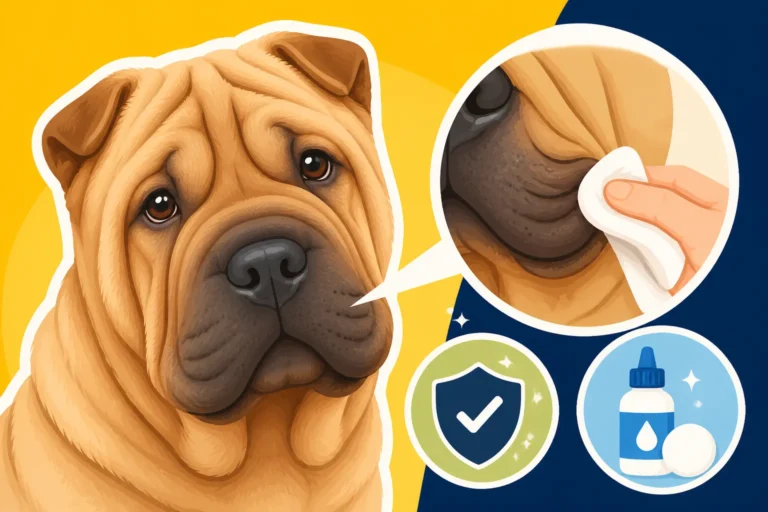
Gently lift and separate each fold, especially around the muzzle, neck, and tail. Wipe the skin clean with a soft, damp cloth, a grooming wipe (ensure it's dog-safe and alcohol-free), or a cotton ball soaked in a veterinarian-approved antiseptic solution. After cleaning, always dry the folds completely. You can use a soft cloth or a very small amount of cornstarch-based powder (ensure it's unscented and doesn't contain talc) to absorb moisture, but consult your vet first. Regular inspection is key. If you see redness, discharge, or smell anything foul, it’s time for a vet visit. For a detailed guide on this, refer to How Often a Shar Pei's Folds Need Cleaning.
For Ears:
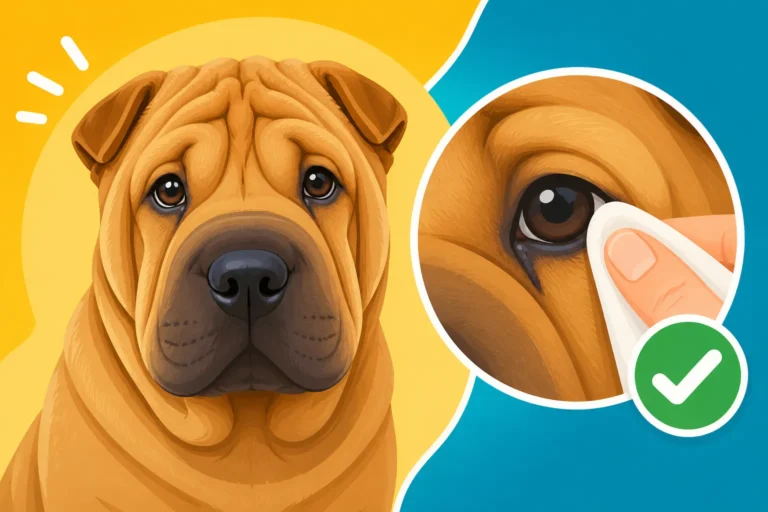
Given their narrow ear canals, Shar Peis require consistent ear cleaning. Aim for once a week, or more frequently if your vet recommends it or if your dog is prone to infections. Use a veterinarian-approved ear cleaning solution designed for dogs. Never use cotton swabs deep inside the ear, as this can push debris further in and potentially damage the eardrum. Instead, apply the solution to a cotton ball and gently wipe the visible parts of the outer ear and just inside the canal. Allow your dog to shake their head, then wipe away any loosened debris. Always dry the outer ear thoroughly. For more specific advice, see How Often a Shar Pei's Ears Need Cleaning.
Dietary Adjustments and Supplements
As mentioned earlier, diet plays a significant role in skin and coat health, and thus, in a dog's overall scent. If your Shar Pei has persistent skin issues or an unexplained odor, a dietary review with your vet is a great step.
- Limited Ingredient Diets (LIDs) or Novel Proteins: If allergies are suspected, your vet might recommend a diet with a single protein source and limited carbohydrates to help identify potential triggers. Brands like Ollie, known for their fresh, limited-ingredient meals, or a wide array of specialized diets found on Chewy, could be options.
- Omega Fatty Acids: Supplements containing Omega-3 and Omega-6 fatty acids can significantly improve skin barrier function, reduce inflammation, and promote a healthy, less oily coat. Fish oil is a popular choice. Always discuss supplements with your vet before introducing them.
These dietary changes can take time to show results, so consistency is important.
Regular Veterinary Check-ups
Think of your vet as your primary partner in managing your Shar Pei's health and, by extension, their scent. Regular check-ups are crucial, not just for vaccinations, but for monitoring their overall well-being. Your vet can spot early signs of skin infections, ear problems, or dental disease before they become severe and smelly.
Moreover, certain underlying health conditions, such as hypothyroidism, can sometimes contribute to a greasy coat and body odor. Routine blood work, especially for a breed prone to specific health issues, can catch these problems early. For example, knowing the signs a Shar Pei's thyroid is low can prompt earlier intervention. Never hesitate to discuss any concerns about persistent odors with your veterinarian. Early detection and treatment are always less costly and more effective than dealing with advanced disease.
When to Seek Professional Help for Odor
While home care is essential, there are times when a persistent or unusual odor absolutely warrants a trip to the vet. Ignoring these signs can lead to more serious health complications for your beloved Shar Pei.
Persistent or Worsening Smells
If you've been diligently cleaning, grooming, and paying attention to your Shar Pei's diet, but a strong, unpleasant odor persists or even worsens, it's a clear signal that it's time to involve a professional. Specific odors can indicate specific problems:
- Yeasty/Sweet Smell: Often points to a yeast infection, common in folds or ears.
- Pungent/Musky Smell: Can indicate bacterial skin infection or deeply embedded dirt/oils.
- Fishy Smell: Almost always signals an issue with anal glands.
- Foul/Rotten Smell: Can be a sign of a severe infection, an abscess, or significant dental disease.
Don't dismiss these smells as just "doggy." They are often your dog's way of telling you something is wrong.
Accompanying Symptoms
Odor is rarely the only symptom when something is amiss. Pay close attention to any other changes in your Shar Pei's behavior or physical condition that accompany the smell. These can include:
- Excessive itching, licking, or chewing: Especially in specific areas like paws, groin, ears, or around folds.
- Redness, inflammation, or rashes on the skin.
- Discharge from ears or eyes.
- Scooting or dragging their rear on the ground.
- Changes in appetite or energy levels.
- Pain or sensitivity when touched, particularly around folds or ears.
- Visible sores, bumps, or hair loss.
These accompanying symptoms provide valuable clues to your veterinarian. Remember, a persistent odor in a Shar Pei is usually a symptom of an underlying health issue, not just a cosmetic inconvenience. Early intervention can prevent discomfort and more serious problems down the line.
| Odor Type | Potential Causes | Quick Fixes (Temporary) | When to See a Vet |
|---|---|---|---|
| Yeasty/Sweet | Yeast infection (skin folds, ears, paws) | Clean and dry affected areas, use medicated wipes | If persistent, worsening, or accompanied by redness/discharge |
| Musky/Pungent | Bacterial skin infection, fold dermatitis, general grime | Thorough bath with appropriate shampoo, diligent drying | If persistent after bathing, signs of irritation, or new skin lesions |
| Fishy | Anal gland impaction/infection, leakage | Bathe the affected area gently | Immediately if persistent, dog is scooting, licking excessively, or appears painful |
| Foul/Rotten | Severe infection (ear, skin), dental abscess, wound | Gentle cleaning of visible area | Immediately, indicates a serious underlying issue |
| Bad Breath | Dental disease, diet, digestive issues | Regular tooth brushing, dental chews | If bad breath persists despite home care, visible plaque, or signs of pain |
Disclaimer
This article is for general informational purposes only and does not constitute professional advice. Laws, prices and regulations vary by location and change over time. Consult a qualified professional for guidance on your specific situation.