Getting Weight Off a Shar Pei
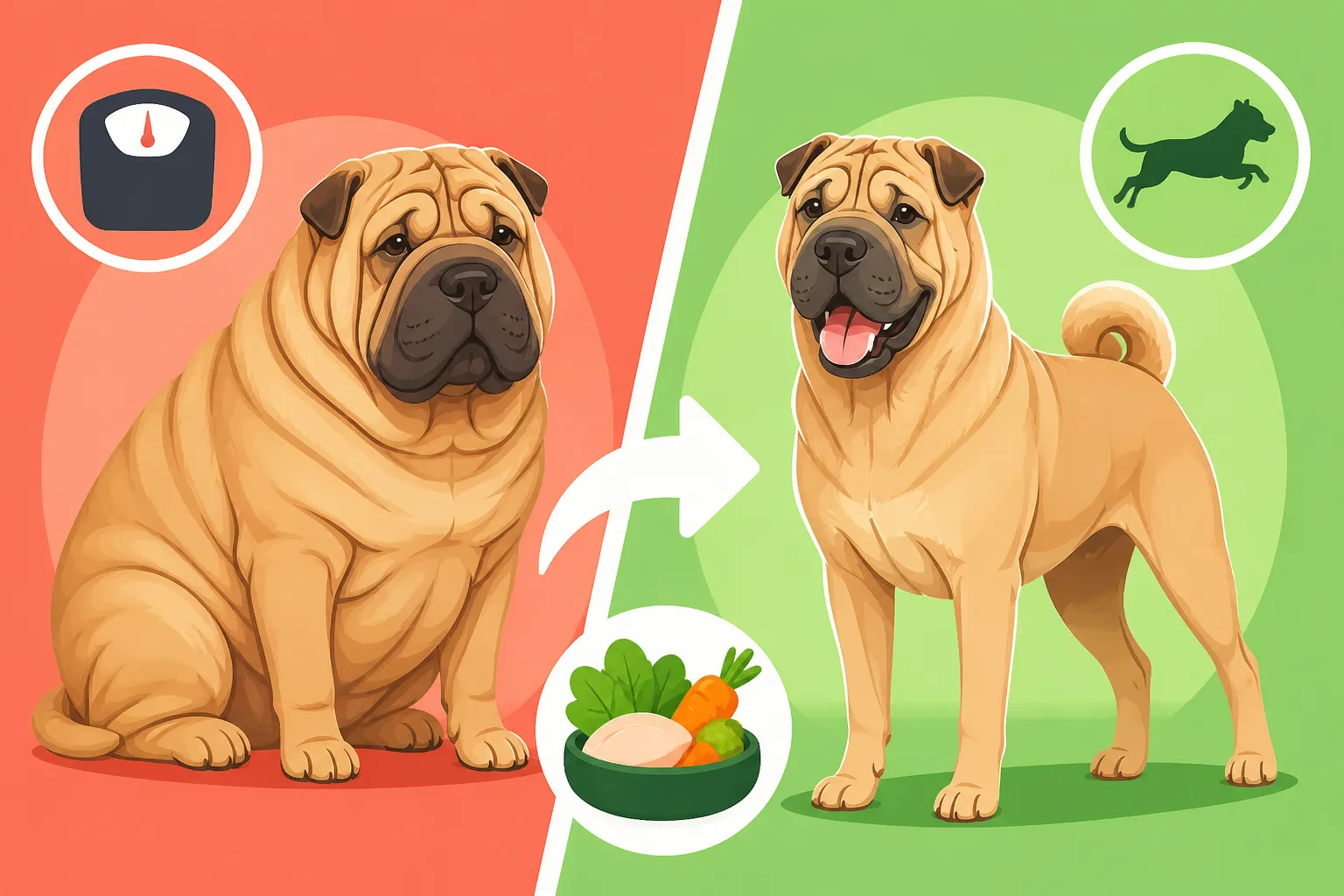
It’s a scenario many of us Shar Pei owners know all too well: you look at your beloved wrinkly companion, and suddenly, you realize those adorable rolls might be a little too abundant. The truth is, it’s incredibly easy for a Shar Pei to pack on extra pounds, often without us even realizing it until it’s become a significant problem. This guide is here to walk you through understanding why your Shar Pei gains weight, how to accurately assess their body condition despite all those wonderful wrinkles, and most importantly, how to implement a safe and effective plan to help your Shar Pei shed those unwanted pounds and live a healthier, happier life.
Understanding Why Your Shar Pei Might Be Gaining Weight
Before we can tackle the problem, we need to understand its roots. Shar Pei, with their unique physiology and often less-than-stellar genetic health history, can be particularly susceptible to weight gain. It's not always about overfeeding; sometimes, there are other factors at play that make managing their weight a real challenge.
Breed-Specific Challenges: Those Wonderful Wrinkles and Metabolism
Those distinctive wrinkles are what make our Shar Pei so endearing, but they can also mask weight gain, making it harder to spot early on. Unlike a lean, short-coated breed where ribs and a waistline are obvious, a Shar Pei's abundant skin can hide a multitude of sins beneath its folds. This means that by the time you see the extra bulk, your dog might already be significantly overweight. Their broad, stocky build also makes it easy for owners to misinterpret what a healthy weight looks like for them; they are naturally robust, but that doesn't mean they should be chunky.
Beyond the visible aspects, Shar Pei can also have a slower metabolism compared to some other breeds. While not universally true for every single Pei, a general tendency towards a more sedate lifestyle, especially indoors, combined with their build, means they don't always burn calories as efficiently as a high-energy working breed. This metabolic inclination, when paired with the typical American household diet, can create a perfect storm for weight gain. It's a frustrating reality that what might be a reasonable amount of food for another dog breed could be too much for a Shar Pei.
Common Culprits: Too Many Calories, Too Little Movement
The most straightforward reason for weight gain, for both humans and dogs, is an imbalance between caloric intake and energy expenditure. We love our dogs, and for many of us, showing affection comes in the form of treats, extra kibble, or sharing bits of our own food. While a small treat now and then seems harmless, those calories add up surprisingly quickly. Many commercial dog foods are also quite calorie-dense, and if measuring cups aren't used precisely, or if the dog's activity level isn't taken into account, it's very easy to overfeed. Think about all those "small" additions – a piece of cheese here, a dropped crumb there, a training treat or two – they quickly push a Shar Pei past its daily caloric needs.
When it comes to exercise, Shar Pei aren't typically known for being marathon runners. While they do need regular activity to stay healthy and happy, they are often content with a moderate walk and some yard time. However, "moderate" can sometimes become "minimal" in busy households, especially if the weather isn't ideal. Combine this with their known sensitivity to heat, which can severely limit outdoor activity during warmer months, and you have another factor contributing to fewer calories burned. It becomes a vicious cycle: the more weight they gain, the less inclined they are to move, and the less they move, the more weight they gain. How Much Exercise a Shar Pei Needs is a topic many owners grapple with.
Medical Considerations That Can Influence Weight
It's crucial to remember that not all weight gain is solely due to diet and exercise. Certain medical conditions can play a significant role, making it even harder for your Shar Pei to maintain a healthy weight. One of the most common culprits is hypothyroidism, where the thyroid gland doesn't produce enough hormones. This condition directly affects metabolism, leading to lethargy, coat problems, and yes, weight gain, even on a seemingly appropriate diet. If you suspect your Shar Pei is gaining weight inexplicably, or showing other symptoms like hair loss, a dull coat, or unusual sluggishness, a vet visit is paramount to rule out underlying health issues. Whether a Hypothyroid Shar Pei Gains Weight explains this in more detail.
Other conditions, though less common, can also contribute. Certain medications can lead to weight gain as a side effect. Hormonal imbalances beyond the thyroid, or even pain from conditions like arthritis (which can reduce activity), might indirectly cause your Shar Pei to pack on pounds. This is why a partnership with your veterinarian is non-negotiable when embarking on a weight loss journey. They can perform necessary diagnostics to ensure you're not missing a critical piece of the puzzle, and confirm there isn't a medical reason for the weight gain that needs specific treatment first.
Accurately Assessing Your Shar Pei's Body Condition
Identifying that your Shar Pei is overweight can be tricky precisely because of their magnificent wrinkles. A quick glance might not reveal the full picture, and relying solely on the number on the scale can be misleading. A comprehensive approach involves hands-on examination and understanding what a healthy Shar Pei should feel like.
The Body Condition Score (BCS) and the Shar Pei Twist
Veterinarians use a Body Condition Score (BCS) system, usually on a 5-point or 9-point scale, to assess a dog's fat reserves. Ideally, you want your Shar Pei to be in the middle range (e.g., 3/5 or 4-5/9). This system looks at three main areas: the ribs, the waist, and the abdominal tuck. For most breeds, you should be able to easily feel the ribs without pressing hard, see a distinct waistline when viewed from above, and observe an abdominal tuck when viewed from the side.
Now, for the "Shar Pei twist": those wrinkles make visual assessment a nightmare. That deep neck roll and abundant body skin can obscure the waistline entirely, and the characteristic straight, strong topline often doesn't show the same dramatic abdominal tuck you'd see in, say, a Greyhound. This is why you cannot rely on sight alone. You absolutely must use your hands. A Shar Pei who looks "just right" might actually be carrying too much weight under their skin. Signs a Shar Pei Is Overweight outlines further indicators to watch for.
Beyond the Scale: How to Feel for the Truth
Feeling your Shar Pei's body is the most accurate way to assess their condition. Start by gently running your hands along their sides. You should be able to feel their ribs, almost like feeling the knuckles on your hand, without having to press hard. If you have to dig your fingers in, or if it feels like a soft, squishy layer over bone, your Shar Pei is likely overweight. On a healthy Shar Pei, you can feel the ribs, but they shouldn't be sharply protruding like a washboard.
Next, feel around their spine and hips. Again, you should be able to feel the bony prominences without difficulty, but they shouldn't be jutting out. Too much padding here indicates excess fat. Finally, try to locate their waist. Even with their loose skin, a healthy Shar Pei should have some indication of a waist behind the ribs. If their body goes straight from ribs to hips, or if it bulges outwards, they are carrying too much weight. This tactile assessment is far more reliable than just looking, and it’s something you can practice regularly at home. How to Feel a Shar Pei's Ribs Through Its Folds offers a hands-on guide for this crucial step.
Crafting a Successful Weight Loss Plan for Your Wrinkly Friend
Once you've confirmed your Shar Pei needs to shed some pounds, it's time to build a solid, sustainable plan. This isn't about crash dieting; it's about a gradual, healthy approach that will benefit their overall well-being. Patience and consistency are your best friends here.
Dietary Adjustments: What, How Much, and How Often
The cornerstone of any weight loss plan is diet. This usually means reducing caloric intake and often switching to a food designed for weight management. Look for formulas labeled "light," "weight control," or "healthy weight" that are typically lower in fat and calories but still provide adequate protein and fiber to keep your dog feeling full. When transitioning, do it slowly over 7-10 days to avoid upsetting their stomach. Your vet can recommend specific brands or formulations, and companies like Ollie offer customized fresh food plans that can be tailored for weight loss. Reputable online retailers like Chewy also have a vast selection of weight management diets, often with detailed nutritional information to help you compare.
Portion control is absolutely critical. Do not eyeball it! Invest in a proper measuring cup or, even better, a digital kitchen scale to accurately weigh out kibble. The feeding guidelines on dog food bags are just starting points and are often calibrated for active dogs, not for a Shar Pei needing to lose weight. Your vet can help you calculate your dog's ideal daily caloric intake. Divide this into two smaller meals a day rather than one large one; this can help manage hunger and metabolism. And be vigilant about treats! Switch to low-calorie options like plain green beans, carrot sticks, or small pieces of apple (without seeds) instead of fatty biscuits. Remember, every treat has calories. How Much an Adult Shar Pei Eats will give you a baseline for typical intake. For Shar Pei with sensitivities, you might also consider Whether a Shar Pei Needs a Limited Ingredient Diet in conjunction with a weight loss plan, under vet guidance.
Smart Exercise Strategies That Won't Overheat Your Pei
Exercise is vital, but with a Shar Pei, it's about smart exercise, not just more exercise. Due to their brachycephalic tendencies (though not as pronounced as a Bulldog) and their dense coat, Shar Pei are prone to overheating. This means long, strenuous walks in the midday sun are out. Instead, aim for shorter, more frequent walks during cooler parts of the day – early morning or late evening. Two 20-30 minute brisk walks are often more beneficial and safer than one long, exhausting one. Keep an eye on the weather and avoid walking if temperatures climb too high. What Temperature a Shar Pei Is Comfortable In offers guidance on this critical aspect.
Incorporate play sessions indoors or in a shady yard. Fetch, hide-and-seek, or even just chasing a toy can be great calorie burners. Swimming can be an excellent low-impact exercise for Shar Pei that enjoy water, as it's easy on their joints and helps them stay cool, but always supervise closely and ensure their ears are dried thoroughly afterward due to their narrow canals. Mental stimulation through puzzle toys can also burn energy without the risk of overheating. The goal is consistent, moderate activity that doesn't put undue stress on their body.
The Importance of Mental Stimulation and Enrichment
Weight loss isn't just about the body; it's about the mind too. A bored dog is often a destructive dog, or a dog that begs for food out of habit rather than hunger. Mental enrichment can help distract your Shar Pei from food, satisfy their natural curiosity, and burn mental energy, which can be just as tiring as physical exertion. Puzzle feeders are fantastic for this; instead of gobbling down their meal in two minutes, your Shar Pei has to work for it, slowing down their eating and engaging their brain. You can find many options on Amazon or Chewy.
Scent work is another excellent activity. Hiding small portions of their daily kibble around the house or yard and letting them sniff it out engages their powerful nose and provides a fulfilling "job." Basic obedience training sessions, even short 5-10 minute bursts, can also provide mental stimulation. Teaching new tricks, practicing commands, or even just going through their known repertoire can be mentally engaging. A mentally satisfied Shar Pei is less likely to constantly seek out food as a source of entertainment or comfort, making your weight loss journey much smoother.
Monitoring Progress and Maintaining a Healthy Weight Long-Term
Getting the weight off is a victory, but keeping it off is the true challenge. This phase requires ongoing vigilance, regular check-ins, and a commitment to their long-term health.
Keeping Track: Tools and Techniques for Consistent Success
Consistency is key. Continue to weigh your Shar Pei regularly – perhaps once every two weeks or monthly, depending on your vet's recommendation. Use the same scale if possible and at the same time of day for accuracy. Keep a log of their weight loss, along with notes on their activity levels and any dietary changes. This not only motivates you by showing progress but also helps you identify what's working and what isn't. Remember, weight loss should be gradual, typically 1-2% of their body weight per week. Rapid weight loss can be unhealthy and unsustainable.
Beyond the scale, continue with your hands-on body condition assessment. As the weight comes off, you'll notice their ribs becoming easier to feel, and you might even start to discern a subtle waistline. Take photos periodically, perhaps every month, from the top and side. Sometimes, visual changes are harder to spot daily, but comparing photos over time can reveal significant progress and keep you motivated. This holistic approach ensures you're looking at more than just a number and truly assessing their physical well-being. When they reach their goal weight, you might even consider sharing their story on social media or forums to inspire other Shar Pei owners! What an Adult Shar Pei Weighs can help you determine a good target range.
When to Seek Veterinary Guidance (and Why It's Crucial)
Your veterinarian is your most valuable partner in this entire process. Before you even start a weight loss plan, a vet visit is essential to rule out medical causes for weight gain and to get a professional recommendation for caloric intake and exercise levels. They can help you set realistic goals and provide a timeline. Throughout the weight loss journey, regular follow-up appointments are crucial. Your vet can monitor your Shar Pei's progress, adjust their diet or exercise plan if needed, and address any concerns that arise.
If your Shar Pei isn't losing weight despite your best efforts, or if they seem unusually lethargic, unwell, or develop new symptoms, contact your vet immediately. There might be an underlying issue that needs addressing, or simply a need to tweak the plan. Sometimes, what we think is a low-calorie diet isn't quite right for an individual dog, or perhaps their metabolic rate is even slower than anticipated. Never hesitate to ask for professional advice; your vet has the expertise to guide you through plateaus and ensure your Shar Pei's health is prioritized every step of the way. Whether a Shar Pei on a Renal Diet Loses Weight might even be a topic to discuss with your vet if kidney health is a concern, as some diets can serve multiple purposes.
| Assessment Area | Overweight Shar Pei | Ideal Weight Shar Pei | Action for Weight Loss |
|---|---|---|---|
| Ribs | Hard to feel, covered by thick fat layer; need to press hard. | Easily felt without pressing hard, like knuckles on your hand. | Reduce caloric intake; increase lean protein. |
| Spine/Hips | Difficult to feel bony prominences; well-padded. | Easily felt but not sharply protruding. | Incorporate more structured exercise. |
| Waist | Absent; body goes straight from ribs to tail, or bulges. | Slight indentation visible or palpable behind the ribs. | Strict portion control; avoid human food. |
| Abdominal Tuck | Minimal to none; saggy belly. | Some abdominal tuck visible from the side (less pronounced than some breeds). | Increase daily activity, especially during cool times. |
| Energy Level | Often lethargic, reluctant to play or move. | Energetic, eager for walks and play. | Focus on consistent, enjoyable activity. |
| Treats | Frequent, high-calorie treats; shared human food. | Minimal, low-calorie treats; used as rewards only. | Substitute with vegetables or puzzle toys. |
Disclaimer
This article is for general informational purposes only and does not constitute professional advice. Laws, prices and regulations vary by location and change over time. Consult a qualified professional for guidance on your specific situation.