Whether a Shar Pei’s Tear Staining Can Be Cleaned
If you're a Shar Pei owner, you've likely stared at those reddish-brown streaks under your dog's eyes and felt a familiar pang of frustration. It’s not just a little grime; it’s a stubborn discoloration that seems to defy every wipe and scrub, often leaving your beloved wrinkly friend looking perpetually sad or messy. This guide is here to unravel the mystery of Shar Pei tear staining, delve into its causes, and equip you with practical, empathetic strategies to manage and reduce it, helping your Shar Pei's unique face shine through.
Understanding Why Shar Pei Get Tear Staining
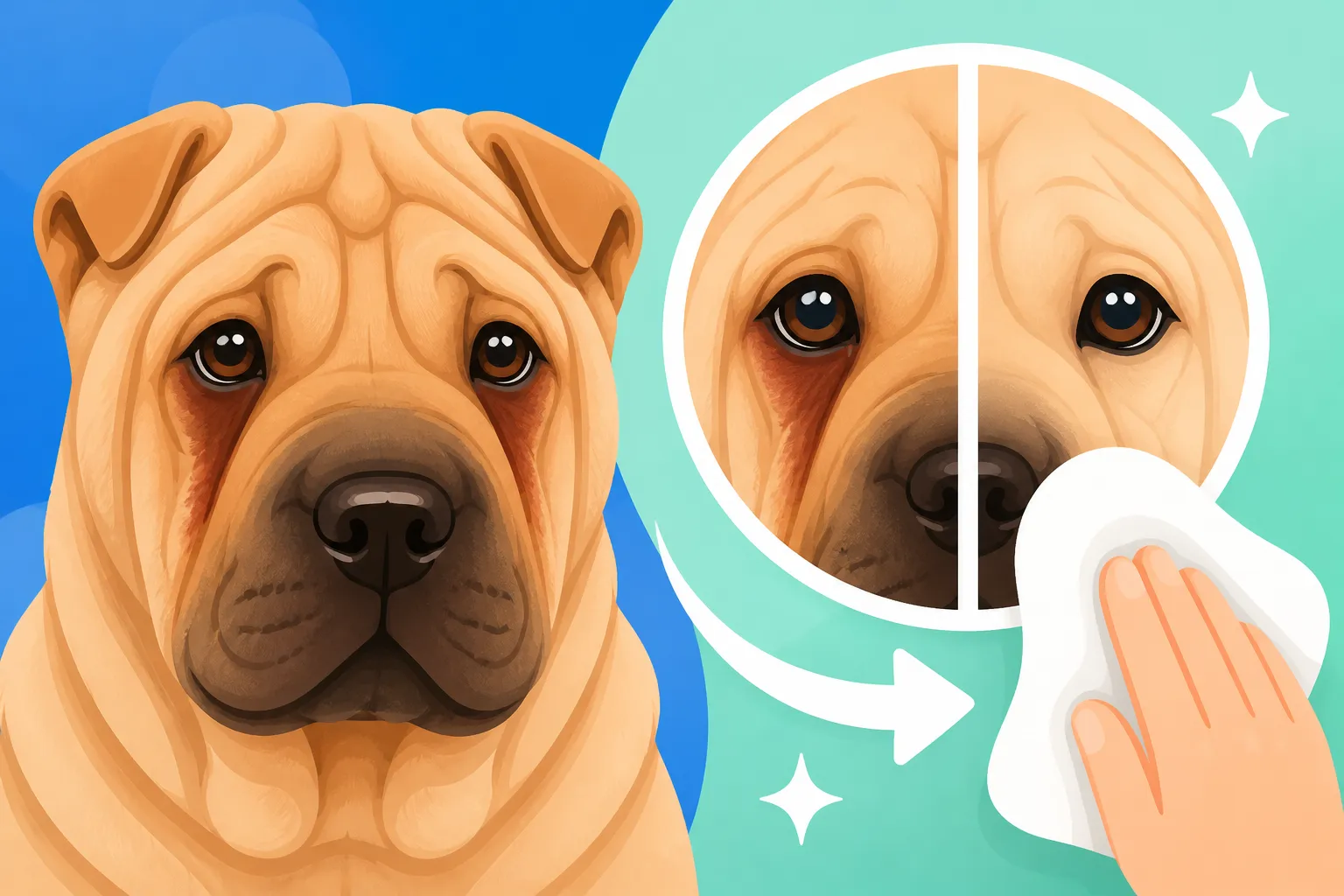
Tear staining, or chromodacryorrhea, isn't just a random occurrence; it's often a symptom of an underlying issue, and with a Shar Pei, their very design can predispose them to it. The reddish-brown color you see isn't actually from the tears themselves, but from porphyrins – iron-containing waste products from the breakdown of red blood cells. These porphyrins are excreted in tears, saliva, and urine. When they sit on light-colored fur, especially damp fur, they become a breeding ground for yeast and bacteria, which then cause the darker, often smelly, staining you’re battling.
The Role of Shar Pei Anatomy in Tear Staining
Let's be honest, our Shar Pei are unique, and their most distinctive feature – those wonderful, deep-set eyes and abundant wrinkles – can unfortunately be a primary culprit for tear staining. Their eyes are often recessed within folds of skin, which can create a sort of tunnel. This means that normal tear drainage, which usually flows through tiny ducts into the nose, can be hampered. Instead of draining internally, tears pool in the folds around the eyes or spill over the eyelids, constantly wetting the fur below.
Beyond just the skin folds, many Shar Pei are prone to a condition called entropion, where the eyelid rolls inward, causing eyelashes or hair to rub against the sensitive surface of the eyeball. This irritation prompts excessive tearing, a natural defense mechanism to try and flush out the irritant. More tears mean more porphyrins, and more dampness for yeast and bacteria to thrive. Even subtle entropion, which might not be severe enough to cause immediate surgical concern, can contribute to chronic tearing and staining. It's a bit of a vicious cycle, where the very features we adore can lead to discomfort and cosmetic issues.
Common Health Issues Exacerbating Tear Staining
While anatomy is a big piece of the puzzle, other health concerns can turn mild staining into a significant problem. It’s crucial to remember that tear staining isn't merely cosmetic; it can be a red flag for underlying discomfort or illness.
One of the most common issues is allergies. Just like humans, Shar Pei can suffer from environmental allergies (pollen, dust mites, mold) or food allergies. When a dog has an allergic reaction, their immune system goes into overdrive, often manifesting as itchy skin, ear infections, and, you guessed it, watery, irritated eyes. This increased tearing then leads directly to more staining. If your Shar Pei is constantly rubbing their face or has recurring ear issues, allergies might be playing a role in their tear staining. You might notice these symptoms are seasonal or appear after a change in diet, which can give you clues. Food Allergies in a Shar Pei are particularly common, so dietary investigation can be key.
Another often-overlooked culprit is minor eye infections or foreign bodies. Even a tiny speck of dust, a stray hair, or a bacterial imbalance in the tear film can cause irritation and excess tear production. Sometimes, these aren't dramatic enough to cause redness or discharge that screams "infection," but they cause enough subtle irritation to keep the area around the eyes constantly damp. Blocked tear ducts, though less common in Shar Pei than other breeds, can also cause tears to spill out instead of draining properly. It's why regular veterinary check-ups that include a thorough eye exam are so important. What a Shar Pei's Eyes Should Be Checked Yearly isn't just a suggestion; it's a necessity for this breed.
The Challenges of Cleaning Tear Stains on a Shar Pei
Cleaning tear stains on a Shar Pei is often easier said than done. It’s not like wiping off a smudge from a smooth surface; you're dealing with delicate skin, sensitive eyes, and those lovely, deep wrinkles that tend to trap moisture and debris. Many owners get disheartened because despite their best efforts, the stains seem to reappear almost immediately.
Navigating Sensitive Skin and Deep Wrinkles
The skin around a Shar Pei's eyes and muzzle is incredibly delicate. Their deep facial wrinkles, while endearing, create pockets where moisture, tears, and bacteria can accumulate. This makes the area constantly damp and warm – a perfect breeding ground for yeast and bacteria, which, as we discussed, are largely responsible for the dark reddish-brown color and often an accompanying odor. When you try to clean, you're not just wiping away a superficial stain; you're often disrupting a microbial ecosystem.
Aggressive scrubbing can irritate this sensitive skin, potentially leading to redness, inflammation, or even secondary bacterial infections, which only exacerbate the problem. It's a fine line between effective cleaning and causing more harm than good. Furthermore, getting into those deep folds without irritating the eye itself requires patience and a gentle touch. Many Shar Pei are also quite sensitive about their faces being handled, making the task even trickier. You need a reliable, routine approach, not just a frantic scrub when the stains become too obvious. Remember, Every Fold on a Shar Pei Is a Place Something Grows, and that certainly applies to the delicate folds around the eyes.
Why Off-the-Shelf Products Sometimes Fall Short
The market is flooded with tear stain removers, from wipes to powders to oral supplements. It’s natural to reach for these, hoping for a quick fix. However, many Shar Pei owners find that these products deliver mixed results, if any. The reasons are varied:
Firstly, many topical removers are designed for surface stains and don't address the underlying cause of the tearing. If your Shar Pei has entropion or allergies, simply wiping away the stain won't stop new tears from constantly forming and restaining the area. It’s like trying to mop up a leak without fixing the pipe – you’ll be constantly mopping.
Secondly, some products contain ingredients that can be irritating to a Shar Pei's sensitive skin or eyes, especially if they are already inflamed. Products with harsh chemicals, strong fragrances, or even certain natural acids can cause a reaction. Some older generation oral supplements contained antibiotics, which, while effective at reducing bacterial growth, are generally discouraged for long-term use due to concerns about antibiotic resistance and potential side effects. Always check the ingredients and, ideally, consult your vet before starting any new treatment regimen, especially oral supplements. Brands like Chewy and Amazon offer a wide variety of these products, but selecting the right one for your specific dog can be daunting. Reading reviews is a start, but personal veterinary advice is always best.
Finally, the sheer volume of tears a Shar Pei can produce, combined with their unique facial structure, means that even effective products might not keep up if the root cause isn't addressed. It requires a multi-faceted approach.
Effective Strategies for Cleaning Tear Stains
While tackling the underlying causes is paramount, managing the existing tear stains and keeping the area clean is a daily commitment for many Shar Pei owners. There are gentle, effective strategies you can employ to minimize their appearance and keep your dog comfortable.
Daily Cleaning Routine for the Eye Area
Consistency is truly key when it comes to managing tear stains. A quick, gentle daily routine can prevent buildup and keep the bacterial and yeast populations in check.
Step-by-Step Gentle Cleaning:
- Gather your supplies: You'll need soft, lint-free cotton pads or balls, a veterinarian-approved eye-cleaning solution (look for those specifically designed for pets, avoiding harsh chemicals), or even just plain warm water for basic cleaning. Some owners swear by specially formulated tear stain wipes, which can be convenient.
- Ensure good lighting: Choose a well-lit area where your Shar Pei is comfortable. A calm environment will make the process much easier for both of you.
- Gently wipe the area: Moisten a cotton pad with your chosen solution or warm water. Starting from the inner corner of the eye and wiping outwards, gently clean the stained fur. Be incredibly careful not to touch the eyeball itself. Use a fresh cotton pad for each eye to prevent any potential spread of bacteria.
- Target the folds: Carefully lift any prominent facial folds around the eyes and wipe inside them, ensuring no moisture or debris is trapped. This is crucial for Shar Pei, as these folds are notorious for holding dampness.
- Dry thoroughly: This step is absolutely vital for Shar Pei. After cleaning, use a clean, dry cotton pad or a soft, clean cloth to gently but thoroughly dry the entire area. Any lingering dampness creates a perfect environment for new staining and irritation. You might even consider a quick, low-setting blow-dry (if your dog tolerates it and you keep it cool and distant) to ensure every crevice is dry, but be extremely cautious around the eyes.
- Consider a barrier: Once the area is completely dry, some owners find success applying a very thin layer of cornstarch or a pet-safe protective balm (like one containing zinc oxide, but only if approved by your vet as safe near the eyes) to create a barrier against new tears. This helps keep the fur dry and less hospitable for microbes.
Remember, patience and positive reinforcement go a long way. Make it a calm, comfortable experience for your Shar Pei with praise and maybe a small treat afterward.
Veterinary-Approved Cleaning Solutions and Products
When choosing products, always prioritize your Shar Pei's health and safety. Not all products are created equal, and some can do more harm than good.
- Topical solutions: Your veterinarian can recommend specific topical solutions or wipes that are gentle yet effective. These often contain mild cleansers, antiseptics, or chelating agents that help break down the porphyrins and inhibit bacterial/yeast growth. Brands often offer their own lines of eye washes or wipes. Always read labels carefully and ensure they are safe for use around the eyes.
- Antibiotic-free oral supplements: For chronic, stubborn staining, some vets might suggest oral supplements. Modern, safer options typically focus on ingredients like cranberry extract, probiotics, or natural antioxidants to support overall health and reduce inflammation, rather than antibiotics. Always discuss these with your vet, especially if your Shar Pei is on other medications or has sensitive digestion. While these can be found on platforms like Amazon or Chewy, a vet's guidance is important to ensure they are appropriate and won't interact negatively with your dog's specific health profile.
- Avoiding problem ingredients: Steer clear of products containing Tylan (tylosin tartrate) unless specifically prescribed by a vet for a bacterial infection, as its long-term, off-label use for tear stains raises concerns about antibiotic resistance. Also, avoid anything with bleach or peroxides, as these can be highly damaging to sensitive eye tissue.
| Cleaning Method | Pros | Cons | Considerations for Shar Pei |
|---|---|---|---|
| Warm Water & Cotton | Gentle, inexpensive, readily available | May not remove deep stains, requires frequent use | Safe for daily use, essential for removing surface moisture. |
| Vet-Approved Wipes | Convenient, pre-moistened, often effective | Can be more costly, specific ingredients vary | Look for gentle, pH-balanced, non-irritating formulas. |
| Topical Solutions | Can be very effective for breaking down stains | Requires careful application, potential for eye irritation | Apply with cotton, avoid direct eye contact, dry thoroughly. |
| Oral Supplements | Addresses internal factors, less direct cleaning | Can be costly, results vary, vet consultation recommended | Choose antibiotic-free options; monitor for digestive upset. |
| Cornstarch/Protective Balms | Creates moisture barrier, cheap | Requires very thorough drying first, can clump | Apply sparingly and carefully after cleaning and drying. |
Preventative Measures for Tear Staining
The best defense against tear staining is a good offense. By understanding and addressing the root causes, you can significantly reduce the problem, making your daily cleaning routine more effective and your Shar Pei more comfortable.
Addressing Underlying Medical Conditions
As we've touched upon, tear staining is often a symptom. Therefore, the most impactful preventative measure is to work with your veterinarian to identify and treat any underlying medical conditions.
- Eye health: A thorough eye exam is non-negotiable for a Shar Pei. Your vet will check for entropion, ectopic cilia (eyelashes growing in the wrong direction), distichiasis (extra eyelashes), or any other anatomical abnormalities that irritate the eye. If entropion is present, especially in puppies, eye tacking might be a temporary solution, and permanent surgery may be needed for severe cases. Entropion in a Shar Pei Puppy Is an Emergency, Not a Cosmetic Issue and When a Shar Pei Needs Permanent Eyelid Surgery are critical reads for any owner dealing with this. They will also look for blocked tear ducts or signs of conjunctivitis.
- Allergy management: If allergies are suspected, your vet might suggest an elimination diet to rule out food sensitivities or allergy testing for environmental triggers. Managing allergies with medication, supplements, or lifestyle changes (like air purifiers for dust mites) can dramatically reduce tearing. For diet, Feeding a Shar Pei That Reacts to Its Food is an excellent resource, and trying a limited ingredient diet from a brand like Ollie, which often uses novel proteins, could be a starting point.
- Ear infections: Surprisingly, chronic ear infections can sometimes contribute to tear staining due to inflammation and discomfort that can affect nearby facial nerves. Shar Pei are notorious for their narrow ear canals, making them prone to issues. Keeping their ears clean and healthy, as discussed in A Shar Pei Has the Narrowest Ear Canals of Any Breed, is part of overall facial health.
- Overall hygiene: Regular grooming, including keeping the fur around the eyes trimmed short (if possible and safe), can help prevent tears from wicking into long hairs and causing staining. Be extremely careful if you choose to trim, and consider having a professional groomer do it.
Diet and Hydration's Impact on Tear Staining
What goes into your Shar Pei's body can definitely affect what comes out, including their tears. Diet and hydration play a more significant role than many owners realize.
- High-quality diet: A balanced, high-quality diet that is free from common allergens (like certain grains, beef, or chicken for some sensitive dogs) can reduce systemic inflammation and allergic reactions, thereby lessening tear production. Some owners find success with novel protein diets (like lamb, duck, or fish) or limited ingredient diets. Look for foods with wholesome ingredients and avoid artificial colors, flavors, and preservatives, which can sometimes trigger sensitivities. A conversation with your vet about nutritional needs, especially if you suspect allergies, is very important. Brands like Ollie often offer customized, fresh food options that might be beneficial for dogs with sensitivities.
- Filtered water: The mineral content and impurities in tap water can sometimes contribute to tear staining. Switching to filtered or distilled water can sometimes make a noticeable difference for some dogs, as it reduces the mineral deposits and other irritants that might be accumulating around the eyes. Consider using a stainless steel or ceramic bowl instead of plastic, as plastic bowls can harbor bacteria and scratches.
- Supplements: Omega-3 fatty acids (fish oil), probiotics, and certain antioxidants can support skin and coat health, reduce inflammation, and promote a healthy immune system, potentially leading to less tearing and staining. Always discuss any supplements with your vet to ensure they are appropriate for your Shar Pei.
By combining diligent cleaning with proactive veterinary care and mindful choices about diet and hydration, you can give your Shar Pei the best chance at a clean, comfortable, and stain-free face. It's an ongoing journey, but one that is well worth it for the health and happiness of your beloved companion.
Disclaimer
This article is for general informational purposes only and does not constitute professional advice. Laws, prices and regulations vary by location and change over time. Consult a qualified professional for guidance on your specific situation.