Whether a Shar Pei’s Lip Folds Need Attention
It’s easy to get lost in the sheer adorable squishiness of a Shar Pei, those soulful eyes peeking out from a sea of wrinkles. But beneath all that charming looseness lies a hidden landscape that demands our attention: the lip folds. Many new Shar Pei owners, and even some seasoned ones, might overlook these areas, assuming they're just part of the breed's unique look. However, neglecting these deeper folds can lead to discomfort and serious health issues for your beloved companion, which is why this guide is going to walk you through exactly why and how to give those precious lip folds the care they deserve.
The Unique Anatomy of a Shar Pei's Muzzle and Lip Folds
Understanding why these folds need attention starts with understanding the unique structure of a Shar Pei's face. Unlike many breeds with tight-fitting skin, the Shar Pei boasts an abundance of loose skin, particularly around the muzzle and jawline. This distinctive feature, while part of their charm, creates a unique environment that can quickly become problematic if not properly managed.
More Than Just a Wrinkle: The Purpose and Placement
Think of your Shar Pei's muzzle – those deep, soft rolls that give them their characteristic look. These aren't just superficial lines; they are genuine folds of skin that can be surprisingly deep and intricate. They extend from the sides of their nose, often wrapping around the upper and lower lips, and can even create pockets near the corners of their mouth. These folds are dynamic, shifting with every yawn, chew, and playful growl.
The problem isn't the folds themselves, but what can get trapped within them. Because these areas are naturally somewhat closed off from the open air, they become perfect little incubators. Every time your Shar Pei eats, drinks, or even just drools, moisture, tiny food particles, and saliva can collect deep within these crevices. Unlike a dog with a tighter muzzle, where such debris would simply fall away or dry quickly, a Shar Pei's folds hold onto it. It's a bit like having crumbs constantly stuck in the corners of your mouth, but magnified and in a warm, moist, hairy environment. This creates a stark difference from breeds with more open facial structures, where air circulation is naturally better. The sheer depth and overlap of the skin mean that light and air rarely penetrate, creating the ideal conditions for microbial growth, and honestly, who wants their furry friend to be uncomfortable due to something so preventable?
The Hidden Dangers of Neglected Lip Folds
Once moisture and organic matter become trapped in these deep, dark, and warm pockets, the stage is set for trouble. This moist environment is a breeding ground for bacteria and yeast, which are naturally present on a dog's skin but can proliferate rapidly when given the right conditions. This overgrowth leads to a common Shar Pei affliction: skin fold dermatitis, also known as intertrigo.
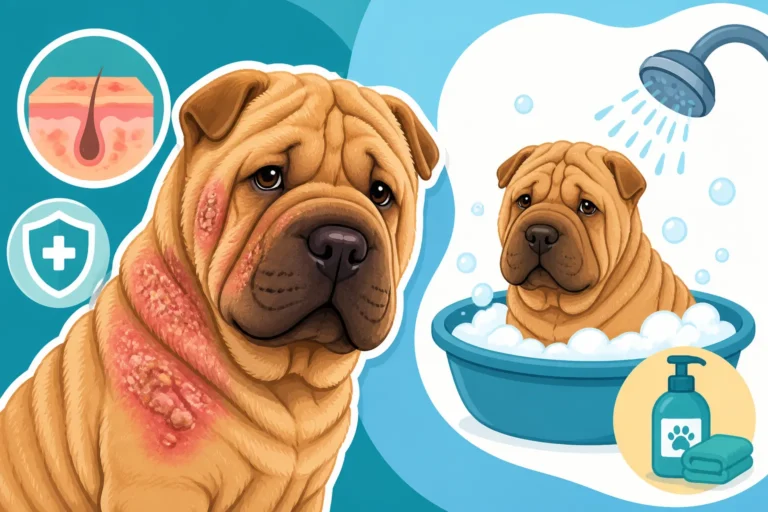
Skin fold dermatitis isn't just a minor irritation; it's a genuine infection that can be quite painful and distressing for your dog. It starts with mild redness and a subtle, yeasty odor, but if left unchecked, it can quickly escalate. The skin becomes inflamed, raw, and itchy, leading your dog to scratch or rub at the area, which only makes things worse. Imagine having a persistent rash that you can't properly scratch because it's tucked deep in a fold – that's what your Shar Pei might be experiencing. In severe cases, these infections can lead to open sores, secondary bacterial infections, and even abscesses. It's truly miserable, and I've seen far too many worried owners come to me with a dog that's clearly suffering, all because these seemingly innocent wrinkles were overlooked. Remember, Every Fold on a Shar Pei Is a Place Something Grows, and the lip folds are no exception.
Recognizing the Red Flags: Signs of Lip Fold Issues
Catching problems early is absolutely key with Shar Pei skin, and their lip folds are no different. They're not always going to tell you directly that something is wrong, so it’s up to us to be diligent observers. Knowing what to look for, both visually and behaviorally, can make all the difference in preventing minor irritations from becoming major infections.
Visual Cues and Odor Alarms
First, let's talk about what a healthy Shar Pei lip fold should look like. Ideally, the skin within and around the folds should be clean, dry, and a healthy pink color, matching the skin on the rest of their body. There should be no excessive moisture, no redness, and certainly no unusual smells. The hair within the fold should be clean and not matted or greasy.
Now, for the red flags. The very first thing you might notice, even before seeing anything, is a distinct, unpleasant odor emanating from your dog's face. It's often described as a yeasty, cheesy, or even putrid smell. This is the classic sign of bacterial or yeast overgrowth taking hold. If you notice your Shar Pei starting to smell "doggy" in a way that's different from their usual clean scent, especially around their face, it's time for a closer inspection. Whether a Shar Pei's Folds Smell When Healthy – usually not, beyond a very mild natural scent.
Visually, start by gently lifting and separating the lip folds. What you might see if there's an issue includes:
- Redness and Inflammation: The skin will appear irritated, red, and possibly swollen.
- Moisture and Discharge: Excessive wetness, sometimes with a slimy or greasy texture, might be present. You could also see dark, brownish, or even greenish discharge, which indicates a serious infection.
- Hair Loss or Staining: The hair within and around the folds might be matted, stained from discharge, or even starting to fall out due to irritation.
- Crusting or Ulceration: In more advanced cases, you might see scabs, crusts, or even open sores and ulcers on the skin within the folds. These are signs of significant discomfort and pain.
It's a really unpleasant sight, and often a difficult one for owners to contend with, especially when their pup is clearly hurting.
Behavioral Changes That Signal Discomfort
Sometimes, before any visual signs are obvious to the casual glance, your Shar Pei's behavior might give you clues that something is amiss. Dogs are incredibly good at masking pain, but even they can't hide it completely when discomfort is persistent.
One of the most common behavioral indicators is excessive pawing at the face. Your dog might constantly rub their muzzle with a front paw, or try to rub their face along furniture, carpets, or even your leg. This is their attempt to relieve the itching or irritation they feel deep within the folds. You might also notice them shaking their head more frequently, similar to how they'd react to an ear infection, as the irritation can extend towards the jawline.
Eating and chewing can also become problematic. If the folds are painful or inflamed, your Shar Pei might become reluctant to eat, especially dry kibble that requires more chewing. They might drop food, chew gingerly on one side of their mouth, or even shy away from their food bowl altogether. Drinking might also become messy as the sensitivity around their lips makes it difficult for them to drink normally. You might also observe a general change in their demeanor; a normally playful Shar Pei might become withdrawn, grumpy, or less tolerant of being handled, particularly around their face. These subtle shifts in behavior are important signals that your dog is experiencing discomfort and needs your help.
A Practical Guide to Shar Pei Lip Fold Care
Okay, so we’ve established that those beautiful Shar Pei lip folds absolutely need attention, and you know what to look for. Now, let’s get down to the practical side of things: how to keep them clean, healthy, and happy. This isn't a one-and-done kind of job; it’s an ongoing commitment, but a truly rewarding one for your dog's comfort.
Daily Wipes and Gentle Cleaning Techniques
Regular, gentle cleaning is the cornerstone of preventing lip fold issues. This isn't about scrubbing vigorously; it's about meticulous maintenance.
Here’s a step-by-step approach:
- Gather Your Supplies: You’ll need some soft, lint-free cloths or, even better, medicated wipes specifically designed for skin folds. Many owners swear by chlorhexidine wipes because chlorhexidine is an antiseptic that helps control bacteria and yeast. You can find excellent options on platforms like Amazon or Chewy, often from veterinary brands. Avoid using baby wipes or heavily fragranced products, as these can contain ingredients that are irritating to canine skin.
- Position Your Dog: Choose a calm time when your Shar Pei is relaxed. Some dogs are more cooperative if you make it a positive experience with treats. Gently hold their head steady.
- Expose the Folds: Carefully lift and separate the deepest parts of their lip folds, especially those around the corners of their mouth and under their lower lip. You want to expose all the hidden surfaces.
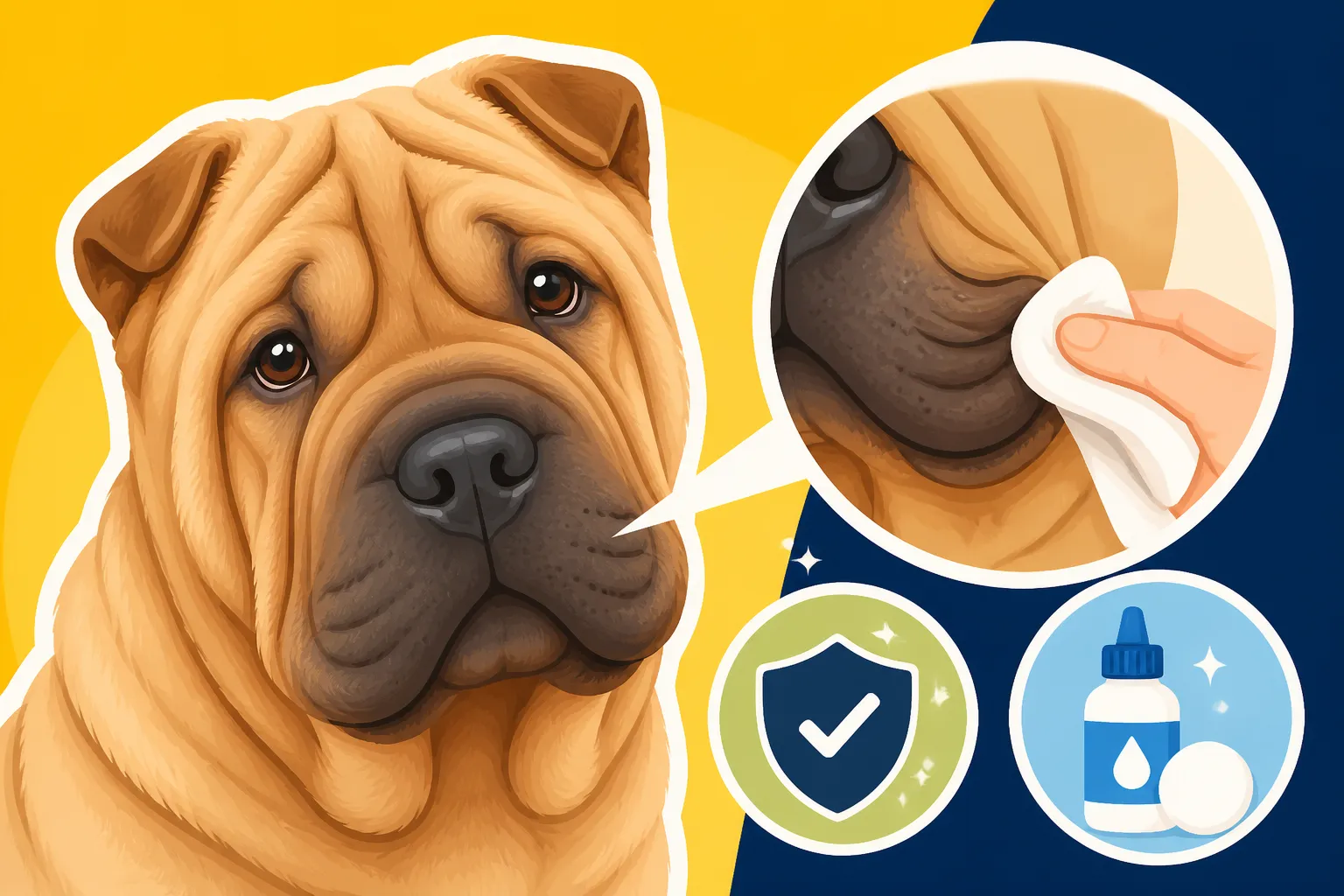
- Wipe Thoroughly: Take your chosen wipe or a damp cloth (if using a solution like diluted chlorhexidine or saline on a cloth) and gently wipe inside the folds. Be thorough, reaching into all the nooks and crannies where moisture and debris can accumulate. You might be surprised by how much gunk comes out, especially if you haven’t done this regularly before! Make sure to use a fresh part of the wipe or a new cloth for each fold to avoid spreading any potential infection.
- Be Consistent: Depending on your Shar Pei's individual folds and how messy they are, this might need to be done daily, or every other day at minimum. If your dog is prone to issues, daily care is non-negotiable. What to Clean a Shar Pei's Folds With will often depend on your vet's recommendation for medicated wipes, but plain water and a soft cloth for daily debris removal is a good starting point.
Remember, the goal is to remove trapped moisture and debris and to prevent the overgrowth of microbes, not to irritate already sensitive skin.
The Critical Role of Drying
I cannot stress this enough: drying is absolutely paramount when it comes to Shar Pei fold care, and it's often more important than the washing itself. Just cleaning the folds without thoroughly drying them can actually make matters worse by trapping fresh moisture, essentially defeating the purpose of your hard work. Drying Is More Important Than Washing on a Shar Pei isn't just a catchy phrase; it's a fundamental truth for this breed.
After cleaning, you must ensure that every single fold is completely dry. Use a soft, clean, dry cloth – a microfibre cloth works wonders for absorbing moisture. Gently dab and blot inside each fold, lifting and separating the skin just as you did for cleaning. Don't rub aggressively, as this can cause friction and irritation. If your dog tolerates it, a cool setting on a hairdryer, held at a safe distance and never aimed directly at the skin for too long, can be incredibly effective for ensuring complete dryness, especially in those deeper areas.
Leaving any moisture behind creates the perfect breeding ground for yeast and bacteria to flourish. It’s like leaving a wet towel in a dark, warm room – it’s just asking for mold. Similarly, dampness in a Shar Pei's folds invites infection. This is especially true after baths or if your dog has been out in the rain or gone for a swim; you need to be just as diligent in drying those folds as you are with the rest of their coat. Whether a Shar Pei's Folds Should Be Dried After Cleaning is not a suggestion, it's a requirement for preventing problems.
When to Involve Your Veterinarian
Despite your best efforts, sometimes problems can arise or persist, and that’s when it’s crucial to bring in the professionals. Don’t hesitate or try to tough it out with home remedies if things aren't improving.
You should make an appointment with your veterinarian if you notice any of the following:
- Persistent Redness or Inflammation: If the redness doesn't subside within a day or two of diligent cleaning and drying.
- Severe Odor: A strong, foul smell that doesn't disappear with cleaning suggests a well-established infection.
- Pain or Tenderness: If your Shar Pei cries out, flinches, or actively resists you touching their face, they are likely in pain.
- Discharge or Sores: Any thick discharge, pus, scabs, or open lesions indicate a serious infection that requires veterinary intervention.
- Lack of Improvement: If you've been consistent with cleaning for several days and aren't seeing any improvement, or if the condition seems to be worsening.
Your vet will be able to properly diagnose the type of infection (bacterial, yeast, or both) and prescribe appropriate treatment. This might include stronger medicated washes, topical ointments, or oral antibiotics or antifungals. They might also suggest dietary changes or further diagnostics if they suspect an underlying allergy contributing to the skin issues. Trying to self-diagnose or treat severe infections at home can delay healing and potentially lead to more serious complications. Your vet is your best partner in keeping your Shar Pei healthy.
Diet, Hydration, and Long-Term Prevention
Beyond the daily wipe-and-dry routine, taking a holistic approach to your Shar Pei's well-being can significantly impact the health of their lip folds. Diet and hydration play surprisingly big roles, affecting everything from saliva consistency to immune response and overall skin health.
The Link Between Food and Fold Health
It might not be immediately obvious, but what your Shar Pei eats can directly influence the health of their facial folds. First, the physical act of eating can leave behind food particles. Crumbly kibble, sticky wet food, or even certain treats can get lodged deep within the lip folds, providing a feast for bacteria and yeast. This is especially true for dogs who are enthusiastic, messy eaters. Consider using shallow, wide bowls, or even elevated feeders, which can sometimes help minimize the amount of food that comes into direct contact with the muzzle folds while they eat. You might find some excellent options for these on Amazon that cater to various dog sizes and eating styles. Whether a Shar Pei's Muzzle Wrinkles Trap Food is a very real concern, and a thoughtful choice of bowl can help.
Beyond physical residue, food allergies and sensitivities can wreak havoc on a Shar Pei's skin, including the folds. If your Shar Pei is constantly itchy, prone to redness, or has recurring infections, their diet could be a culprit. Common allergens include chicken, beef, dairy, and grains. An elimination diet, under veterinary guidance, can help identify specific triggers. During this process, you feed a novel protein source that your dog has never had before (like duck or venison) or a hydrolyzed protein diet where the proteins are broken down so small they don't trigger an immune response. Many specialized dog food brands, including those found on Chewy or even fresh food options like Ollie, offer limited ingredient or hypoallergenic formulas. It’s worth exploring these if you suspect a dietary link. Feeding a Shar Pei That Reacts to Its Food can involve a bit of trial and error, but finding the right one can make a huge difference, reducing overall inflammation and making the skin less susceptible to infections in the folds and elsewhere. Remember, Whether a Shar Pei Reacts to Chicken or Beef is a common question, and sometimes a simple protein switch is all it takes to see improvement.
Hydration and Environmental Factors
Good hydration is fundamental for overall health, and this extends to skin health. While you might think more water means more moisture in the folds, adequate internal hydration supports healthy skin barrier function, making the skin more resilient. However, how your Shar Pei drinks can sometimes be an issue. Many Shar Peis are enthusiastic drinkers and will plunge their entire muzzle into the water bowl, saturating their facial folds. Again, a shallow water bowl might help reduce this, preventing excessive wetting of the folds. Whether a Shar Pei's Water Bowl Should Be Shallow might seem like a small detail, but it can cut down on constant dampness.
Environmental factors also play a significant role. High humidity can exacerbate skin fold problems by creating a perpetually moist environment. If you live in a humid climate, or during particularly muggy seasons, you might need to increase the frequency of your lip fold cleaning and drying routine. Similarly, after walks in wet grass or rain, make sure to dry your Shar Pei's folds thoroughly. Maintaining a comfortable, dry indoor environment can also help. Just like with any other wrinkle, these areas thrive on being kept clean and dry. A comprehensive approach, considering diet, hydration, and environment alongside your daily cleaning, offers the best chance for preventing those uncomfortable and sometimes costly lip fold infections.
Here's a quick comparison to help you distinguish between healthy and problematic lip folds:
| Feature | Healthy Lip Folds | Problematic Lip Folds |
|---|---|---|
| Appearance | Clean, dry, light pink, even skin tone | Red, inflamed, swollen, matted hair, visible discharge |
| Smell | No strong odor, or very faint natural scent | Yeasty, cheesy, foul, or pungent odor |
| Touch | Smooth, soft, not sensitive to gentle handling | Tender, painful, warm to the touch |
| Moisture Level | Dry to slightly moist from recent drinking | Excessively wet, sticky, greasy |
| Behavior | Normal eating/drinking, no facial rubbing | Pawing at face, rubbing muzzle, reluctant to eat, grumpy |
Disclaimer
This article is for general informational purposes only and does not constitute professional advice. Laws, prices and regulations vary by location and change over time. Consult a qualified professional for guidance on your specific situation.