Whether a Shar Pei’s Water Bowl Should Be Shallow
One of the most common, yet often overlooked, frustrations for Shar Pei owners is dealing with a perpetually wet face after their beloved dog takes a drink. Their distinctive, wonderfully wrinkled faces are part of their charm, but those deep folds and that unique muzzle shape can turn a simple sip of water into a soggy, messy affair, leading to potential skin problems. This guide will dive deep into why the type of water bowl you choose truly matters for your Shar Pei's health and comfort, exploring practical solutions to keep their magnificent mugs dry and healthy.
The Unique Challenges of a Shar Pei's Face and Mouth
Let's be honest, those deep, soulful eyes framed by all those luxurious wrinkles are what first drew many of us to the Shar Pei. But what makes them so unique visually also presents some distinct challenges when it comes to basic things like staying hydrated. It's not just about aesthetics; it's a genuine health consideration.
Why Wrinkles and a Brachycephalic Snout Matter for Hydration
The Shar Pei's defining characteristic – their wrinkles – isn't just skin deep. These folds, particularly around the muzzle and neck, can become a real magnet for moisture. When a Shar Pei ducks its head into a typical water bowl, those deep creases act like sponges, soaking up water. It's not just the external wrinkles either; the very structure of their mouth and snout, often referred to as brachycephalic (though not as pronounced as a Bulldog or Pug), means their face might push further into the bowl than a longer-nosed breed, increasing the surface area exposed to water.
Imagine trying to drink from a glass with your face buried in a soft, absorbent scarf. That's a bit like what happens to a Shar Pei. The water gets trapped in the folds, sitting there long after they've finished drinking. This isn't just a minor inconvenience; it sets the stage for a host of problems we want to avoid. You might notice little damp spots on their chin or neck, or even on your floor, thinking it's just a bit of a messy drinker. But for a Shar Pei, it's more than that – it's a structural challenge inherent to their magnificent breed. This constant dampness becomes a persistent concern that requires active management from us, their devoted owners.
The Health Risks of a Constantly Damp Face
A consistently damp environment is an open invitation for trouble, especially when it comes to skin. For a Shar Pei, those warm, moist facial folds are the perfect breeding ground for all sorts of unwelcome guests. We're talking about bacteria and yeast that thrive in such conditions, leading to something veterinarians often refer to as skin fold dermatitis. This isn't just a rash; it can become quite painful, itchy, and even smelly. You might start noticing redness, irritation, or even a yeasty odor emanating from those damp areas. It’s a frustrating cycle where the dog tries to relieve the itch by rubbing its face, which can make the irritation worse or even lead to secondary infections. Skin Fold Dermatitis on a Shar Pei is a common issue for our breed, and managing moisture is a key preventative step.
Beyond skin infections, persistent dampness can also irritate their eyes. Water dripping from their folds, or them pawing at their wet face, can introduce bacteria or simply cause chronic irritation around the delicate eye area. It’s a bit of a domino effect; one seemingly small issue, like a wet face, can quickly snowball into multiple, more serious health concerns. It’s a stark reminder that Every Fold on a Shar Pei Is a Place Something Grows, and keeping them dry is paramount to preventing problems before they start. The cost of treating these ongoing skin conditions can also add up, making prevention a much kinder option for both your dog and your wallet. As you can imagine, What a Shar Pei's Skin Costs a Year can be significant if you're constantly battling infections.
Exploring Different Water Bowl Options for Your Shar Pei
So, if a regular deep bowl is setting our Shar Pei up for a perpetually damp face and potential skin woes, what are our alternatives? Thankfully, the market has evolved, and there are several thoughtful designs out there that can make a real difference for our wrinkled companions.
The Case for Shallow Bowls
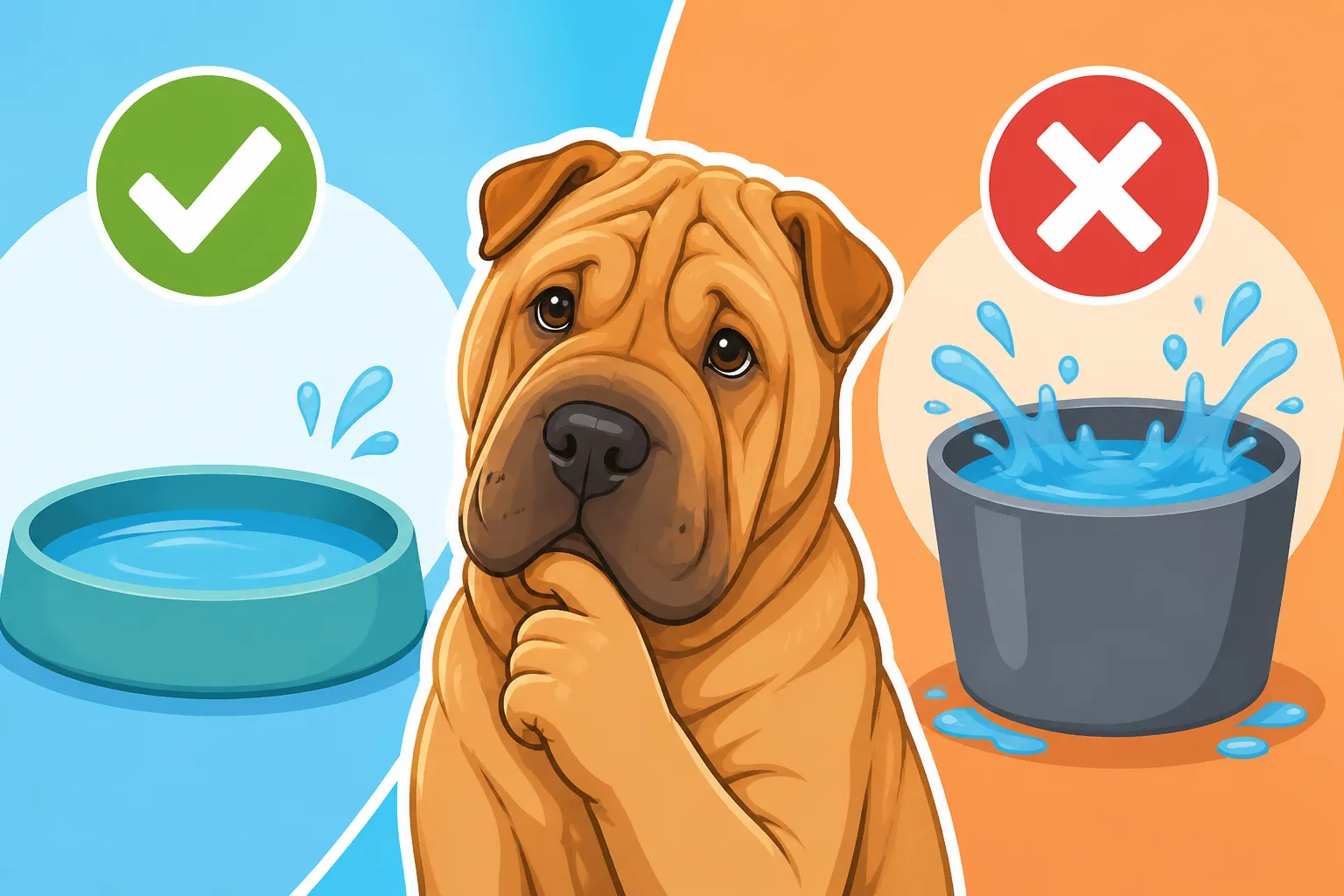
When it comes to hydrating a Shar Pei, the simplest solution is often the most effective: a shallow water bowl. Think of it this way: the less depth your Shar Pei has to plunge its entire muzzle into, the less surface area of those precious wrinkles will come into contact with water. A shallow bowl allows them to lap comfortably from the surface without their chin or the sides of their muzzle becoming saturated. This significantly reduces the amount of moisture that gets trapped in their facial folds, cutting down on the prime conditions for bacteria and yeast to flourish.
Many owners find that a wide, flat bowl works wonders. It provides ample surface area for drinking while keeping the water level low. This isn't just about preventing skin issues; it's also about general comfort and cleanliness. A less soggy face means fewer drips around the house, which is a bonus for anyone who values a dry floor! It’s a small change that can have a surprisingly big impact on their daily well-being. Look for ceramic or stainless steel options on sites like Amazon or Chewy, as these materials are also easier to keep clean and discourage bacterial growth.
Other Bowl Designs to Consider
While shallow bowls are a fantastic starting point, there are other specialized designs that can further enhance your Shar Pei's drinking experience.
Some owners have great success with "splash-proof" or "no-spill" bowls. These often feature an internal floating disc or a narrower opening that allows only a small amount of water to be accessible at one time. This design not only minimizes splashing but also prevents your Shar Pei from submerging its entire face. The dog pushes the disc down slightly to drink, then it floats back up, limiting access to the bulk of the water. These can be particularly useful for dogs who are enthusiastic drinkers or those who tend to make a bigger mess. They're designed to keep the water contained and the surrounding area much drier, which is excellent for those facial folds.
You might also consider elevated bowls. While not directly addressing the shallow water depth, an elevated stand can improve your Shar Pei's posture while drinking, especially as they get older. It can reduce strain on their neck and joints, making the act of drinking more comfortable. Some elevated feeders come with shallow bowls already, or you can often swap out the bowls for a shallower option that fits the stand. Always consider the material of any bowl you choose. Stainless steel is incredibly durable, easy to sanitize, and generally hypoallergenic. Ceramic bowls are also good, but can chip. Plastic bowls, while cheap, can harbor bacteria if scratched and some dogs can develop allergies to them, so consider their long-term use carefully.
Practical Tips for Keeping Your Shar Pei Hydrated and Dry
Beyond just choosing the right bowl, there are some everyday practices that will go a long way in ensuring your Shar Pei stays healthy, hydrated, and free from the discomfort of damp folds. It’s about creating a holistic approach to their care.
The Importance of Regular Cleaning and Maintenance
No matter which type of bowl you choose, routine cleaning is absolutely non-negotiable. Stagnant water, even in a pristine bowl, can quickly become a breeding ground for bacteria and biofilm. For a Shar Pei, whose facial folds are already prone to issues, introducing more bacteria via a dirty bowl is counterproductive. Aim to wash your Shar Pei's water bowl daily, using warm, soapy water. If you're using a stainless steel or ceramic bowl, they're often dishwasher safe, making this task even simpler. Plastic bowls require extra diligence, as microscopic scratches can trap bacteria, so ensure they are scrubbed thoroughly or consider replacing them periodically.
Beyond the bowl itself, actively maintaining your Shar Pei’s face after drinking is crucial. Keep a soft, absorbent towel handy near their water station. After they finish drinking, gently dab their muzzle and any damp facial folds dry. This might seem like a small step, but it's incredibly effective at preventing the prolonged moisture that leads to skin irritation and infections. This simple habit can drastically reduce the chances of developing unpleasant fold dermatitis. In fact, many Shar Pei owners make this a part of their daily routine, understanding that Whether a Shar Pei's Face Folds Need Daily Wiping is a definite 'yes' if you want to keep them comfortable. It’s about being proactive and consistent.
Encouraging Good Drinking Habits
Ensuring your Shar Pei drinks enough water is vital for their overall health, particularly for supporting their kidney function, which is a common concern for the breed as they age. Why a Shar Pei's Kidneys Need Watching From Two Years Old underscores the importance of consistent hydration. You want to make drinking as appealing and accessible as possible. Place water bowls in multiple locations around your home, especially in areas where your dog spends a lot of time. This increases the chances of them taking frequent sips throughout the day. Consider placing one outdoors in a shaded spot if they spend time outside.
Always provide fresh, clean water. Stale water is less appealing, and dogs are often more inclined to drink from a recently filled bowl. If your Shar Pei is still a messy drinker, even with a shallow bowl, or if they just have particularly deep folds, don’t hesitate to physically dry their face after each drink. Whether a Shar Pei's Face Dried After Drinking is a question that, for many of us, has a clear answer: yes, absolutely. If you notice any redness, irritation, or an unusual odor in their facial folds despite these efforts, it's time for a vet visit. Early intervention for any skin issues is always best. Tools like soft drying cloths are available from retailers like Chewy or Amazon to help with this daily upkeep.
Integrating Solutions for Overall Shar Pei Well-being
Thinking about your Shar Pei's water bowl isn't just about preventing wet chins; it's a part of a larger strategy for their overall health and happiness. Their unique physiology demands a little extra consideration in many aspects of their care, and hydration is certainly one of them.
Diet and Hydration
What your Shar Pei eats can also play a role in their overall hydration. If your dog primarily eats dry kibble, they naturally get less moisture from their food compared to a dog on a wet food diet. While dry food is perfectly fine, it means their water intake from bowls becomes even more critical. You might consider adding a bit of water to their kibble to increase their daily fluid consumption, or incorporate some wet food into their diet. Many brands, including those found on Ollie or Chewy, offer high-quality wet food options. Just remember to account for the extra calories if you’re adding new foods.
Ensuring consistent hydration is particularly vital for Shar Peis because of their predisposition to kidney issues, especially as they mature. Adequate water intake helps the kidneys function efficiently, flushing out toxins and supporting their overall health. If you are ever concerned about your Shar Pei’s water intake or notice any changes in their drinking habits, it's always best to consult with your veterinarian. They can provide guidance tailored to your individual dog's health profile.
Monitoring for Skin Issues
Despite all your best efforts with the right bowl and diligent drying, it’s still important to remain vigilant about your Shar Pei’s skin, especially in and around those beautiful folds. Regularly inspect their face, particularly the deeper creases around the muzzle, eyes, and even under their chin. Look for any signs of redness, inflammation, hair loss, or a foul odor. These are all indicators that a skin issue might be brewing, possibly Skin Fold Dermatitis on a Shar Pei. You can gently part the folds to get a good look and feel.
Part of this vigilance involves having the right supplies on hand. What a Shar Pei's Fold Cleaning Supplies Cost can vary, but having medicated wipes or a gentle cleanser specifically designed for skin folds can be invaluable for routine care and for addressing minor irritations quickly. Regular cleaning, as we discussed, is crucial, and knowing How Often a Shar Pei's Folds Need Cleaning usually means at least every few days, if not daily for some dogs, especially after eating or drinking. If you do spot anything concerning, don't try to self-diagnose or treat extensively with over-the-counter products without professional advice. A quick trip to the vet can help identify the exact problem and get your Shar Pei on the right treatment plan before a minor irritation turns into a more stubborn infection.
| Water Bowl Type | Pros for Shar Pei | Cons for Shar Pei | Best Use Case |
|---|---|---|---|
| Deep Standard Bowl | Widely available, affordable | Leads to excessively wet faces, higher risk of dermatitis | Not recommended as primary bowl for Shar Pei |
| Shallow Bowl | Minimizes face immersion, reduces dampness in folds | May need refilling more often | Excellent primary option for all Shar Pei |
| No-Spill / Splash-Proof Bowl | Limits water access, reduces mess and face saturation | Can be more expensive, some dogs find them confusing at first | Great for very messy drinkers or deeply wrinkled Shar Pei |
| Elevated Feeder (with shallow bowl) | Improves posture, comfortable for senior dogs, can fit shallow bowls | Initial investment, may not directly solve wet face unless bowls are shallow | Beneficial for larger or older Shar Pei, can combine with shallow bowl strategy |
| Water Fountain | Encourages drinking, provides fresh circulating water | Can be noisy, requires filter changes, still need to manage splash/face wetness | Good for dogs who prefer moving water, monitor for face dampness |
Disclaimer
This article is for general informational purposes only and does not constitute professional advice. Laws, prices and regulations vary by location and change over time. Consult a qualified professional for guidance on your specific situation.