Whether an Old Shar Pei Needs More Frequent Grooming
It's a common misconception that as our beloved Shar Pei age and slow down, their grooming needs somehow diminish. Many owners think, "Well, they're not rolling in mud like a puppy anymore, so less bathing, right?" But the truth is, a senior Shar Pei often requires more attentive, specialized grooming care, not less, to ensure their comfort, health, and dignity in their golden years. This guide will walk you through the unique grooming considerations for older Shar Pei, helping you keep them happy and healthy as they gracefully age.
The Evolving Landscape of a Senior Shar Pei's Skin
As a Shar Pei transitions from energetic adult to wise elder, their body, including their largest organ – the skin – undergoes significant changes. What might have been a minor irritation in their youth can become a persistent problem, and new challenges can emerge. Understanding these shifts is the first step in providing appropriate care.
Thinning Skin and Reduced Elasticity
Just like humans, an older Shar Pei's skin can become thinner, less elastic, and more fragile. This means it's more prone to tearing, bruising, and developing pressure sores, especially in areas where bones are close to the surface or in deep folds. The vibrant, springy skin of their younger years can become drier and a bit more delicate, sometimes almost translucent in lighter-colored dogs. This reduced elasticity also means that skin folds, which were always a hallmark of the breed, might sag or deepen in new ways, creating new pockets for moisture and debris to accumulate. Skin Is the Shar Pei's Largest Problem by Surface Area is a comprehensive dive into their skin issues, and many of these concerns can be exacerbated in old age. What used to bounce back now holds its shape a little longer, potentially trapping more dampness and creating a perfect breeding ground for bacteria or yeast.
Weakened Immune System and Increased Susceptibility
With age, a Shar Pei's immune system naturally becomes less robust. This means their body isn't as efficient at fighting off minor infections or healing small wounds. Skin infections, which a younger dog might shake off with minimal intervention, can become more severe, prolonged, or recurrent in an older Shar Pei. This vulnerability makes diligent grooming not just about cleanliness, but about proactive health management. Even a small scratch from an itchy spot or a tiny damp patch in a fold can quickly escalate into a full-blown infection requiring veterinary attention. Regularly checking their skin during grooming allows you to catch these issues when they're still tiny, manageable problems, before they turn into something much bigger and more painful for your older companion.
Potential Worsening of Existing Skin Conditions
If your Shar Pei has dealt with skin issues throughout their life—be it allergies, recurring fold dermatitis, or mucinosis—these conditions can often worsen with age. What Cutaneous Mucinosis Is explains this unique Shar Pei condition, and in older dogs, mucinosis can sometimes present as more pronounced "bubbles" or increased overall puffiness due to changes in fluid balance and skin integrity. Allergies might manifest with more intense itching or more frequent flare-ups, while the skin barrier becomes less effective at keeping allergens out. It’s not uncommon for an older Shar Pei to develop sensitivities they didn't have before, or for their long-standing issues to simply become more persistent. This necessitates a more vigilant and often more frequent grooming routine tailored to their specific, chronic conditions.
Specific Grooming Needs for Senior Shar Pei
While the fundamental principles of Shar Pei grooming remain, the details and frequency need adjusting as they age. Every aspect, from their unique folds to their often-stubborn nails, requires a gentle, patient, and thorough approach.
Meticulous Fold Cleaning and Drying
The iconic wrinkles of a Shar Pei are a double-edged sword: adorable to look at, but a constant battleground for moisture and microbes. For senior Shar Pei, these folds can become even more problematic. As their skin loses elasticity and they might become less agile, some folds can deepen or shift, becoming harder to access and clean properly. Think of the deep folds around their muzzle, under their chin, or at the base of their tail.
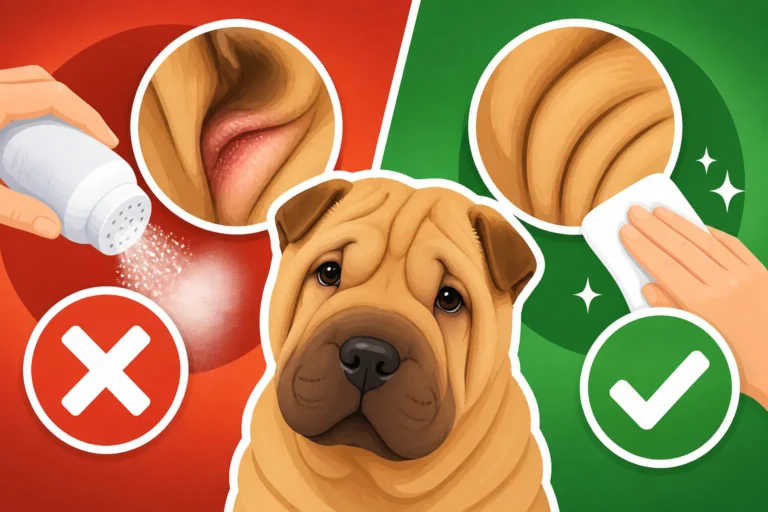
Regular, gentle cleaning is paramount. Use soft, unscented wipes or a damp cloth followed by a dry one. Pay extra attention to completely drying every crevice. Any lingering moisture is an open invitation for yeast or bacterial infections. Some owners find medicated wipes, perhaps containing chlorhexidine, recommended by their vet for particularly stubborn areas. You might also notice your senior Shar Pei is less tolerant of vigorous rubbing, so a soft touch and plenty of positive reinforcement are key. If you're looking for quality supplies, places like Chewy offer a wide range of gentle, hypoallergenic wipes and cleansers suitable for sensitive senior skin. How Often a Shar Pei's Folds Need Cleaning delves into the general care, but for seniors, increase the frequency to daily checks, if not full cleanings, depending on your individual dog's needs and activity level.
Gentle Ear Care
Shar Pei are notorious for their narrow ear canals, making them prone to ear infections throughout their lives. A Shar Pei Has the Narrowest Ear Canals of Any Breed illustrates this challenge. For older Shar Pei, this issue can be compounded by decreased mobility, making it harder for them to shake their heads effectively to clear debris, and a general decline in immune function. They may also develop more wax buildup, or the structure of the ear canal might change slightly, making it even narrower.
Check your senior Shar Pei's ears at least weekly, if not more often, for redness, odor, or discharge. Use a vet-approved ear cleaning solution designed to be gentle, and a soft cotton ball, never cotton swabs, as these can push debris further into the canal. Be incredibly gentle, as some older dogs may develop arthritis in their neck or jaws, making head handling uncomfortable. If you notice any signs of infection, such as increased head shaking or pain when touching their ears, it's crucial to see your vet immediately. Ear infections can be painful and can lead to more serious issues if left untreated in an older dog.
Nail Trimming and Paw Health
While younger Shar Pei might wear down their nails naturally through activity, senior Shar Pei are often less active. This means their nails can grow longer and become quite uncomfortable, even painful, if not trimmed regularly. Overgrown nails can affect their gait, leading to orthopedic problems or slips and falls, especially if they already have arthritis. Long nails can also snag and tear, which is not only painful but can lead to infection.
Aim to trim your senior Shar Pei's nails every 2-3 weeks. Use sharp clippers or a dremel, whatever your dog tolerates best. If using a dremel, a quiet, low-vibration model might be preferred for nervous seniors; you can find good options on Amazon. Be patient, offer plenty of treats, and take breaks. Don't forget to check their paw pads too. Older dogs can develop drier, cracked pads, or foreign objects might get lodged between their toes. Regularly inspect and gently clean their paws, paying attention to the skin between the pads and toes, as moisture can get trapped there too.
Coat Brushing for Comfort and Circulation
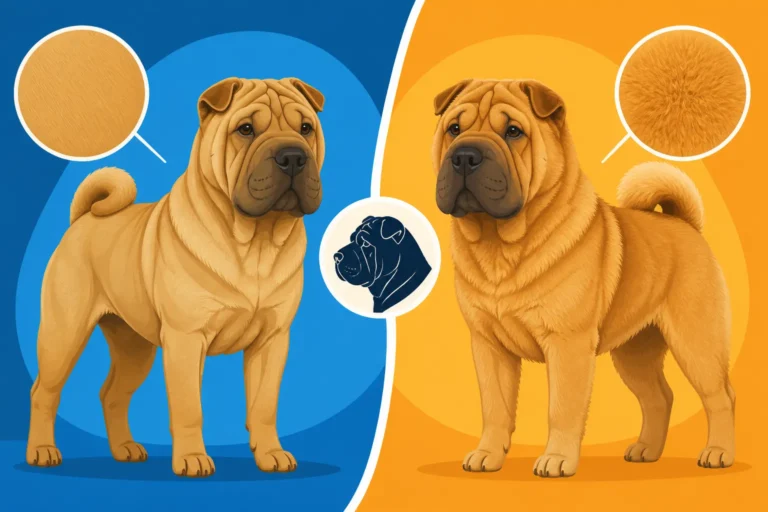
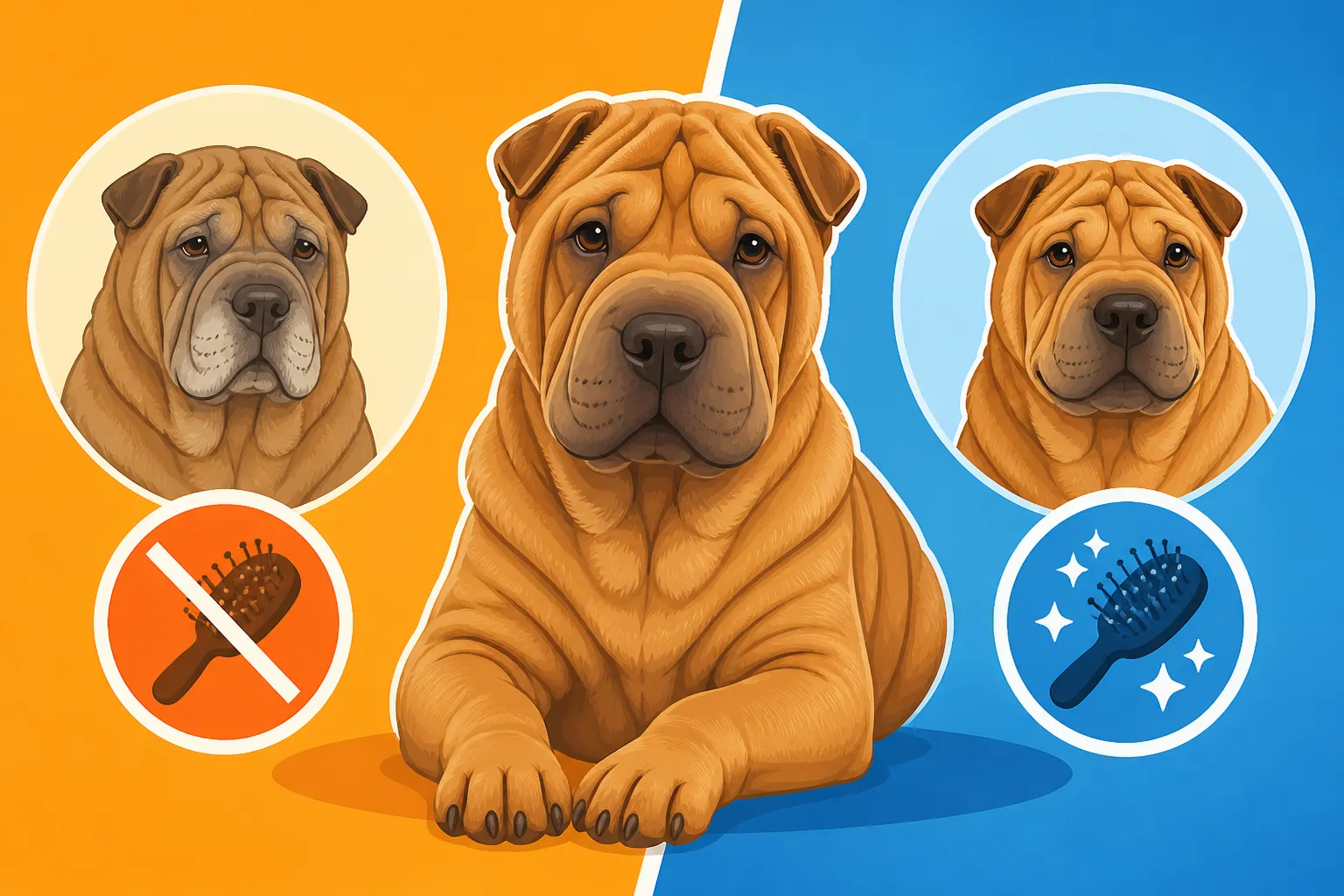
Even with their short coat, regular brushing is beneficial for a senior Shar Pei. It helps remove loose hair, prevents matting (especially in brush-coat varieties), and stimulates circulation to the skin. For older dogs, this stimulation can be particularly soothing and help distribute natural skin oils, which can become less efficient with age.
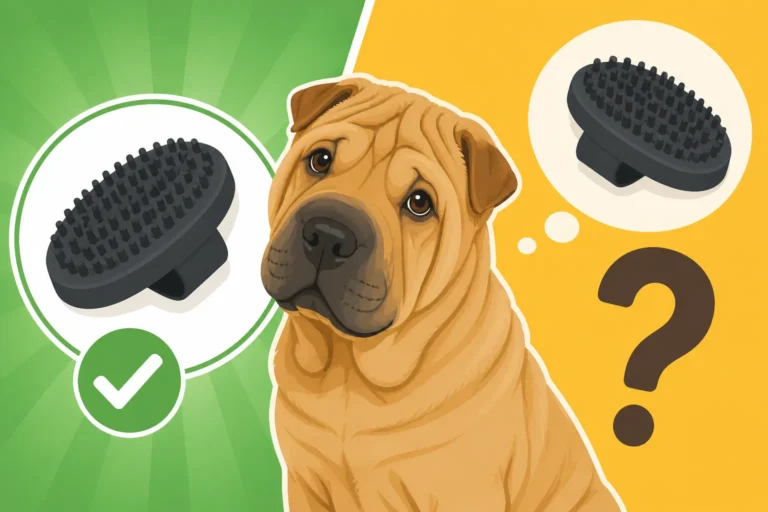
Use a soft rubber curry brush or a shedding blade designed for short coats. Focus on gentle, even strokes. Brushing is also an excellent opportunity to perform a full body check, feeling for any new lumps, bumps, or tender spots that might indicate a health concern. This regular physical interaction strengthens your bond and allows for early detection of potential issues. Caring for a Shar Pei Past Seven emphasizes the importance of these small, regular acts of care in their later years.
Adjusting Grooming Products and Routine for Comfort
The experience of grooming for a senior Shar Pei should be as comfortable and stress-free as possible. Their bodies are no longer as flexible, and their patience might be shorter. Thoughtful adjustments to products and routine can make all the difference.
Gentler Shampoos and Conditioners
As mentioned, a senior Shar Pei's skin can be more sensitive and dry. Harsh shampoos, even those perfectly fine for a younger dog, might strip too many natural oils, leading to irritation or increased dryness. Opt for moisturizing, hypoallergenic, or oatmeal-based shampoos. Many veterinary dermatologists recommend formulations specifically designed for sensitive or aging skin. If your Shar Pei has specific skin conditions, your vet might prescribe a medicated shampoo, which will need to be used as directed.
Consider a gentle, leave-in conditioner or a hydrating rinse after bathing. This can help restore moisture to their skin and coat, improving comfort and reducing flakiness. Always ensure you rinse thoroughly, as any residue can cause irritation, especially in the folds. For bathing, ensure the water temperature is comfortably warm, not hot, and use a non-slip mat in the tub to help them feel secure.
Adapting the Grooming Environment
Making grooming a positive experience for your senior Shar Pei means adapting your methods and environment.
- Warmth and Comfort: Ensure the grooming area is warm and draft-free. Older dogs can chill easily, especially after a bath.
- Non-Slip Surfaces: If grooming on a table, use a non-slip mat. In the bath, a rubber mat is essential to prevent slips and falls, which can be disastrous for arthritic joints.
- Supportive Positioning: Help your Shar Pei find comfortable positions. They might not be able to stand for as long or might struggle to balance. Support their body gently, especially when lifting paws or reaching under their chin. A comfortable, padded surface for breaks can be invaluable.
- Patience and Breaks: Break grooming sessions into shorter, more manageable chunks. If your dog gets tired or stressed, take a break. Offer praise and high-value treats frequently. A positive association with grooming is critical. For instance, if you're cleaning folds, give a treat. If you're trimming nails, give a treat. This positive reinforcement can make even the most reluctant senior more cooperative.
Leveraging Senior-Specific Products and Aids
The market for senior pet care has expanded significantly, offering products that can ease grooming challenges.
- Ramps and Steps: If your Shar Pei struggles to get into the tub or onto a grooming table, a ramp can be a lifesaver, reducing strain on their joints.
- Quiet Tools: As mentioned with dremels, quiet clippers for their coat (if needed) or nail trimming can reduce anxiety.
- Wipes and Sprays: For quick clean-ups between baths, gentle pet wipes or conditioning sprays can freshen their coat and skin without the full ordeal of a bath. Places like Amazon and Chewy are great for finding these specialized items.
- Dietary Support: Don't forget that skin health starts from within. A high-quality senior diet, perhaps with added omega fatty acids, can support skin and coat health. Brands like Ollie offer fresh, balanced meals that can be tailored to a senior dog's needs, potentially improving coat luster and skin resilience. Feeding and Handling an Old Shar Pei discusses how nutrition changes as they age, and how it impacts their overall well-being.
| Grooming Aspect | Younger Shar Pei Needs | Older Shar Pei Needs |
|---|---|---|
| Bathing Frequency | Generally every 4-6 weeks, or as needed for dirt. | Often more frequent (2-4 weeks) for skin health, using gentler shampoo. |
| Fold Cleaning | Weekly check, clean as needed. | Daily checks, gentle cleaning, meticulous drying due to deeper folds/frail skin. |
| Ear Care | Weekly check, clean with vet-approved solution. | More frequent checks (several times a week), extreme gentleness, watch for increased wax/infection. |
| Nail Trimming | Every 3-4 weeks, depending on activity. | Every 2-3 weeks, less natural wear, careful handling for arthritis. |
| Brushing | 1-2 times a week to remove loose hair. | Daily gentle brushing for circulation, comfort, and health checks. |
| Product Choice | Regular dog shampoos. | Hypoallergenic, moisturizing, senior-specific, or medicated shampoos. |
| Environment | Any comfortable spot. | Warm, non-slip, quiet, with supportive aids like ramps. |
| Observation | General check for injuries. | Meticulous full-body check for lumps, sores, pain, new skin changes. |
Recognizing Issues During Grooming and When to Call the Vet
Grooming your senior Shar Pei isn't just about keeping them clean; it's a vital opportunity for a full-body health check. You're often the first to notice subtle changes that can indicate an underlying health issue. Being observant and knowing when to escalate concerns to your veterinarian is crucial for their well-being.
Spotting New Lumps, Bumps, or Lesions
As dogs age, they are more prone to developing various skin growths. These can range from benign fatty tumors (lipomas) to more serious cancerous masses. During grooming, pay close attention to any new lumps or bumps, changes in existing ones, or any open sores or lesions that don't seem to heal. Note their size, location, and texture. While many growths are harmless, early detection is key for those that aren't. Your vet can perform a fine needle aspirate (FNA) to determine the nature of a lump, or recommend removal if necessary. Don't assume a new growth is "just old age" – always get it checked.
Unusual Odors, Redness, or Discharge
An unusual smell can often be the first sign of a problem. A yeasty odor, particularly from the ears or skin folds, suggests a fungal infection. A foul, pungent smell might indicate a bacterial infection, especially if accompanied by redness, inflammation, or discharge. These odors are often trapped within their deep folds or narrow ear canals, making regular inspection even more important. Whether a Shar Pei's Folds Smell When Healthy explains what to expect. If you notice persistent redness in the eyes, ears, or skin folds, or any unusual discharge (yellow, green, or dark brown), it's time for a vet visit. These are classic signs of infection that require professional diagnosis and treatment, especially in an older dog with a potentially compromised immune system.
Signs of Pain or Discomfort During Handling
A senior Shar Pei might become less tolerant of being handled, not because they're being "stubborn," but because they're in pain. Watch for subtle cues: flinching, pulling away, guarding a specific body part, grumbling, or even a sudden snap or growl (which is very uncharacteristic for many Shar Pei if they're not typically reactive). These behaviors can indicate arthritis, joint pain, muscle soreness, or discomfort from a hidden skin infection.
If your dog starts resisting grooming in a way they never did before, try to identify the specific area that causes distress. For example, if they flinch when you reach for their back leg, it could be hip or knee pain. If they pull away when you clean a specific fold, that fold might be irritated or infected. Report these observations to your vet. They can assess your dog for pain, recommend appropriate pain management, or investigate further for underlying issues. Understanding What Changes in an Old Shar Pei's Care is crucial, and recognizing pain is a huge part of that.
Disclaimer
This article is for general informational purposes only and does not constitute professional advice. Laws, prices and regulations vary by location and change over time. Consult a qualified professional for guidance on your specific situation.