Which Other Breed Has a Blue Black Tongue
One of the most striking and often puzzling features of a Shar Pei is its unique blue-black tongue, a characteristic that frequently leads new owners and dog enthusiasts alike to wonder why it's that color and if it's normal. It's a completely natural trait, and what’s even more fascinating is that the Shar Pei isn't the only breed sporting this distinctive pigmentation. This guide will dive deep into the mysteries of the blue-black tongue, exploring its origins, the other well-known breed that shares this trait, and what it all means for your wrinkly companion.
The Unique Feature: Why a Blue-Black Tongue?
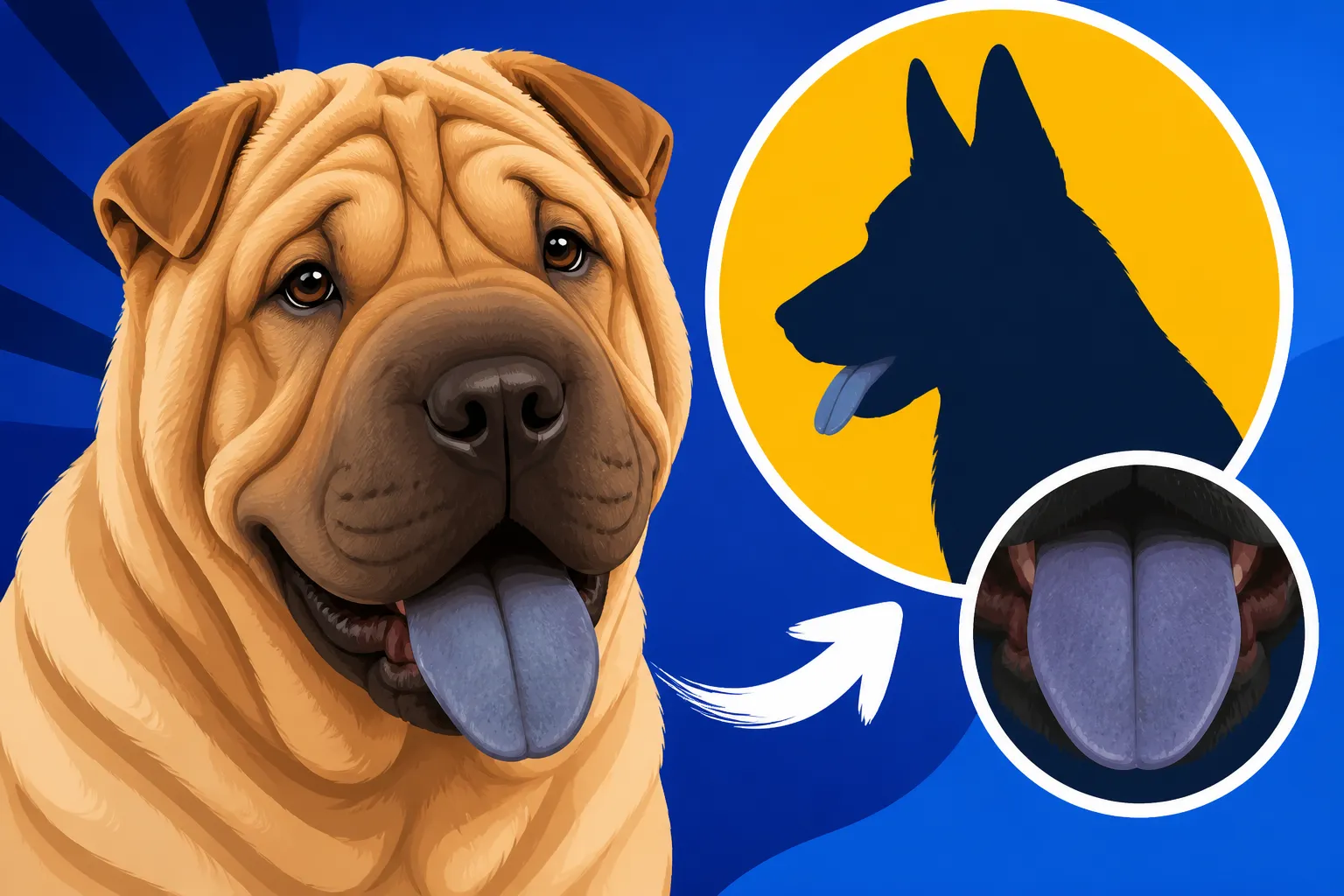
The sight of a Shar Pei's dark tongue often sparks curiosity, sometimes even concern, in those unfamiliar with the breed. Rest assured, for a Shar Pei, a blue-black tongue is not only normal but a hallmark of the breed standard. This isn't just a random quirk; it's rooted in fascinating biological processes.
Melanin and Pigmentation in Dogs
The color of a dog's skin, fur, nose, paw pads, and yes, even its tongue, is determined by melanin. Melanin is a natural pigment, and there are two main types: eumelanin, which produces black and brown shades, and pheomelanin, which creates red and yellow hues. When we talk about a blue-black tongue, we're primarily dealing with eumelanin. Just as some dogs have black noses and black paw pads due to high concentrations of eumelanin in those areas, certain breeds exhibit this same rich pigmentation on their tongues. It's simply a genetic predisposition, much like eye color or coat pattern. Think of it like a human with a dark birthmark or freckles; it's just an area of concentrated pigment cells. There's no functional difference in the tongue itself; it works just like any other dog's tongue, but it certainly looks distinct.
The Shar Pei's Distinctive Mouth
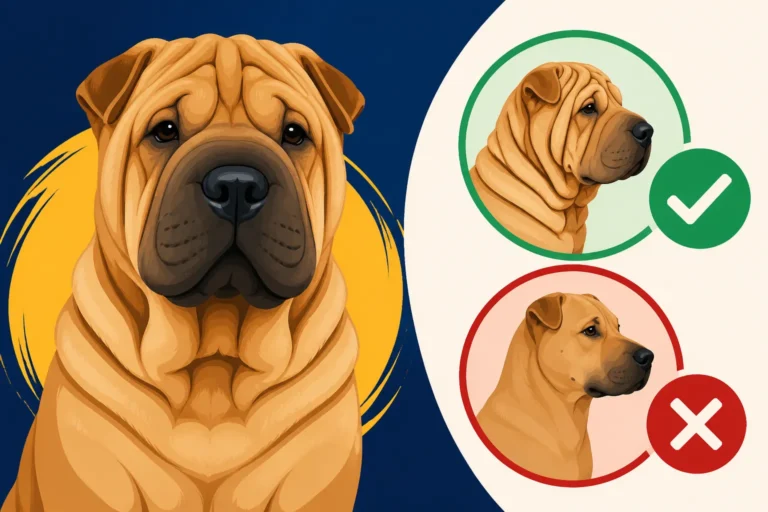
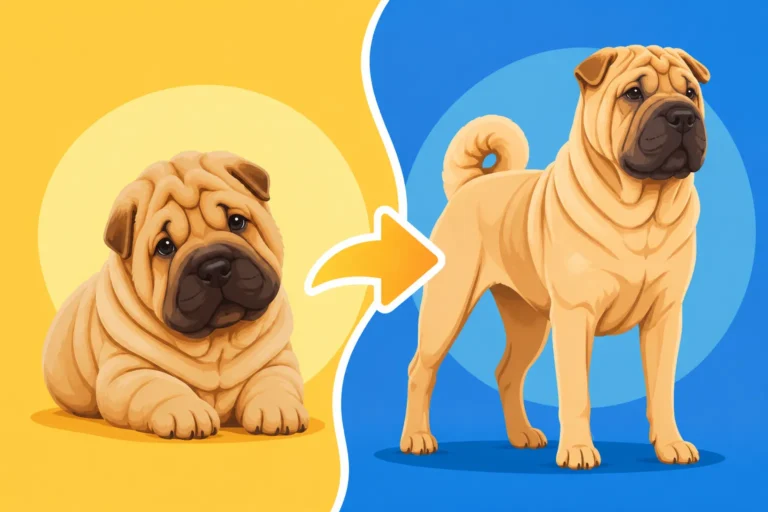
For a Shar Pei, the blue-black tongue is part of what makes the breed so recognizable. It’s typically a solid, intense blue-black, though you might occasionally see tongues with pink spots or a mottled appearance. These variations are often linked to genetic factors, and sometimes a puppy might have a pinker tongue that darkens as it matures. The ideal tongue, according to many breed standards, is entirely blue-black, much like a blueberry or a deep bruise. This characteristic is so ingrained that any deviation, like a completely pink tongue, would be considered a fault in the show ring. It's not just the tongue either; a Shar Pei often has dark pigmentation on its gums and the roof of its mouth as well, creating a very consistent and distinctive oral cavity. This pigmentation is a direct result of their unique genetic makeup and contributes to the breed's ancient and mysterious allure.
The Other Blue-Tongued Marvel: The Chow Chow
While the Shar Pei's blue-black tongue is undeniably striking, it shares this trait with one other prominent breed, a fellow ancient dog often mistaken for a distant relative. The Chow Chow is the other famous blue-tongued dog, and their shared unique feature often leads people to believe there's a deeper connection between these two fascinating breeds.
A Shared Ancestry? Exploring the Connection
The fact that both the Shar Pei and the Chow Chow possess a blue-black tongue is more than just a coincidence for many observers; it's often cited as evidence of a common ancestry, stretching back thousands of years in ancient China. Both breeds hail from China, and historical records and genetic studies do suggest that they are among the most ancient dog breeds, sharing genetic markers with primordial canids. While direct lineage in recent centuries might not be explicitly documented, the theory is that both breeds evolved from a common ancestor that carried the genetic predisposition for this specific melanin distribution.
Imagine a time long ago, when these dogs were developing in relative isolation in different regions of China. If a foundational group of dogs had this unique pigment trait, and these two breeds descended from different branches of that original group, it would explain why they both carry it. The trait isn't necessarily a direct genetic exchange between a Shar Pei and a Chow Chow, but rather a shared heritage from a very distant common ancestor. This deep historical connection is part of what makes these breeds so special, linking them through a genetic thread that has persisted for millennia. It tells a story of ancient dog development and migration, long before modern breed distinctions were established.
Beyond the Tongue: Other Similarities and Differences
Beyond their blue-black tongues, the Shar Pei and Chow Chow actually share a surprising number of other traits, both physical and behavioral, that can sometimes lead to confusion. Both are medium-sized, sturdy dogs with compact bodies and relatively short, dense coats. They also often share a somewhat aloof and independent temperament, earning them reputations as "one-person" dogs who are devoted to their families but reserved with strangers. Their guarding instincts are also quite similar; both breeds were historically used as guardians, whether of property, livestock, or people. This historical role has instilled in them a naturally wary disposition towards outsiders, which owners need to understand and manage with early socialization.
However, there are also distinct differences that set them apart. The most obvious is the Shar Pei's legendary wrinkles and loose skin, a feature almost entirely absent in the Chow Chow. The Chow Chow, on the other hand, is known for its lion-like mane around its head and neck, giving it a much fluffier appearance, especially the rough-coated variety. The Shar Pei's small, triangular ears are also quite different from the Chow Chow's rounder, more prominent ears. In terms of overall build, a Chow Chow tends to be more heavily boned and stocky, while a Shar Pei, despite its loose skin, often has a more athletic, leaner frame underneath. Even their tails are distinct; the Shar Pei typically carries its tail curled tightly over its back, while the Chow Chow's tail often arches over its back in a looser plume. The Shar Pei Against a Chow Chow delves deeper into these specific comparisons. Understanding these nuances is crucial for anyone considering either of these remarkable breeds.
| Feature | Shar Pei | Chow Chow |
|---|---|---|
| Tongue Color | Blue-black (standard) | Blue-black (standard) |
| Wrinkles | Prominent, especially on head | Generally no prominent wrinkles |
| Coat Texture | Rough, "sandpaper" feel | Rough or smooth, dense, often lion-like mane |
| Ears | Small, triangular, folded | Rounder, thicker, upright |
| Muzzle | Often broad, padded ("meat-mouth") | Broad, deep, often obscured by fur |
| Temperament | Independent, aloof, loyal | Independent, aloof, dignified |
| Guard Instinct | High | High |
| Origin | China | China |
Dispelling Myths About Blue Tongues
When people encounter a dog with a blue-black tongue, especially if they've never seen one before, it's natural for questions and even some old wives' tales to surface. It's important to separate fact from fiction to ensure you understand what this unique trait truly means for your Shar Pei.
Health Implications of Tongue Color
Let's get this straight: a blue-black tongue in a Shar Pei or Chow Chow is not an indicator of health problems. It's purely a genetic pigmentation trait, similar to having dark hair or brown eyes in humans. There's no link to heart disease, respiratory issues, or any other systemic illness. If your Shar Pei has a blue-black tongue, it means they're a genetically sound example of their breed's unique characteristics. It's important not to confuse a naturally pigmented tongue with other situations where a dog's tongue might appear blue or purple. If a dog of any breed, including a Shar Pei, suddenly develops a bluish tint to its normally pink tongue or gums, or if the color is accompanied by difficulty breathing, lethargy, or other signs of distress, that is a medical emergency. This discoloration, known as cyanosis, indicates a lack of oxygen in the blood and requires immediate veterinary attention. However, for a Shar Pei with a lifelong blue-black tongue, it's just their normal, healthy self. Rest easy, your dog isn't holding its breath!
Not Every Black Spot is a Blue Tongue
It's also worth noting that while a solid blue-black tongue is characteristic of Shar Peis and Chow Chows, many other dog breeds can have black spots or patches on their tongues. These spots are simply areas of increased melanin pigmentation and are completely benign. You might see them on a Golden Retriever, a Labrador, a German Shepherd, or even a mixed breed. These spots are often called "pigment spots" or "melanin deposits" and are akin to freckles or birthmarks on human skin. They are not indicators of a Shar Pei or Chow Chow lineage, nor do they carry any special health significance.
The key difference is that in these other breeds, the black spots are isolated patches on an otherwise pink tongue, whereas in Shar Peis and Chow Chows, the entire tongue (or the vast majority of it) is typically pigmented blue-black. If you're unsure whether your dog's dark tongue is a normal breed trait or something else, a quick chat with your vet or a peek at breed-specific information, like what you might find on Chewy's breed guides, can clear up any confusion. The main takeaway is that while black spots are common and harmless in many breeds, a truly blue-black tongue is a distinctive characteristic of only a select few. Whether a Shar Pei's Puppy's Tongue Is Blue at Birth is another interesting read on this topic.
What a Blue Tongue Means for Ownership
Having a Shar Pei with its distinctive blue-black tongue doesn't require any special care related to the tongue itself. However, their unique oral structure, combined with other breed-specific health considerations, means that attentive observation of their mouth and overall health is always a good idea. Understanding your Shar Pei's unique features, including its mouth, is part of being a responsible owner.
Observing Your Shar Pei's Oral Health
Even though a blue-black tongue is healthy for a Shar Pei, regular checks of their mouth are still incredibly important for general health. Because the tongue, gums, and roof of the mouth are all dark, it can sometimes be a little harder to spot subtle changes that might indicate a problem. Things like gum inflammation, dental disease, or even foreign objects can be obscured by the deep pigmentation. Therefore, owners need to be extra diligent. Get into a routine of lifting your Shar Pei's lips and gently examining their teeth and gums regularly. Look for any unusual bumps, changes in texture, foul odors, or areas of redness or swelling that might stand out against the dark tissue.
You’ll want to pay close attention to their teeth for any signs of tartar buildup or broken teeth. The dark gums might hide early gingivitis, so knowing what healthy Shar Pei gums look like for them is crucial. A vet can guide you on what to look for during routine check-ups. Brushing your Shar Pei's teeth, even with that dark tongue, is still essential. Just because the tongue is blue doesn't mean bacteria won't build up on their teeth! You can find a range of dental care products, from toothbrushes to enzymatic toothpaste, at pet retailers like Chewy, making it easier to maintain good oral hygiene at home. Regular veterinary dental cleanings will also be a part of their overall care plan.
What to Expect from a Blue-Tongued Breed
Owning a Shar Pei, with its unique blue-black tongue and all its other wonderful traits, means embracing a breed that is truly one-of-a-kind. Beyond the tongue, these dogs come with a specific set of needs and characteristics that inform daily life. For instance, their distinctive wrinkles, while adorable, require diligent care to prevent Skin Fold Dermatitis on a Shar Pei. You'll spend time wiping and drying those folds to keep them clean and healthy. Similarly, their deeply set eyes, sometimes partially obscured by facial wrinkles, are prone to conditions like entropion, where the eyelid rolls inward. This can be an emergency for puppies, as discussed in Entropion in a Shar Pei Puppy Is an Emergency, Not a Cosmetic Issue.
Their independent and sometimes aloof nature also means that early and consistent socialization is paramount. A well-socialized Shar Pei can be a loyal and loving companion, but without it, they can become overly wary or reactive. Socialize a Shar Pei Before Twelve Weeks or Pay for It Later is a critical piece of advice for any new Shar Pei puppy owner. Their energy levels are moderate, meaning they enjoy daily walks but aren't typically marathon runners, and care must be taken in warm weather due to their compact muzzle and coat density. You might find yourself researching cooling mats or vests on sites like Chewy to ensure they stay comfortable in warmer climates. Understanding these breed-specific needs, including why their tongue is blue-black, allows you to provide the best possible care for your cherished Shar Pei.
Disclaimer
This article is for general informational purposes only and does not constitute professional advice. Laws, prices and regulations vary by location and change over time. Consult a qualified professional for guidance on your specific situation.