How Tall a Shar Pei Stands
Bringing a Shar Pei into your life means welcoming a truly unique and ancient breed, but it also comes with a lot of questions about what to expect, especially regarding their physical attributes. One common query that often pops up, particularly for first-time owners or those planning for a new puppy, is about their adult size. It's not always obvious from a wrinkled puppy what their final height will be, and understanding how tall a Shar Pei stands at maturity is crucial for everything from choosing the right crate to fitting them into your home environment. This guide will walk you through the standard expectations for Shar Pei height, what influences it, and what that means for you as an owner.
Understanding the Shar Pei Standard for Height
When we talk about the height of a dog breed, we're usually referring to what's outlined in the official breed standard. This isn't just a set of arbitrary rules; it's a blueprint developed by breed clubs to maintain the characteristics and integrity of the breed over generations. For the Shar Pei, knowing this standard helps potential owners understand what a well-bred, healthy adult dog should look like, ensuring they're prepared for their unique companion.
The Ideal Range: What the Breed Standard Says
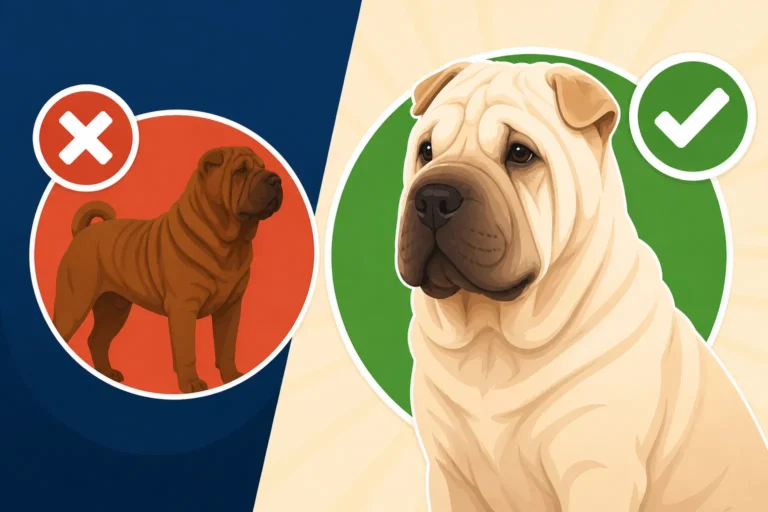
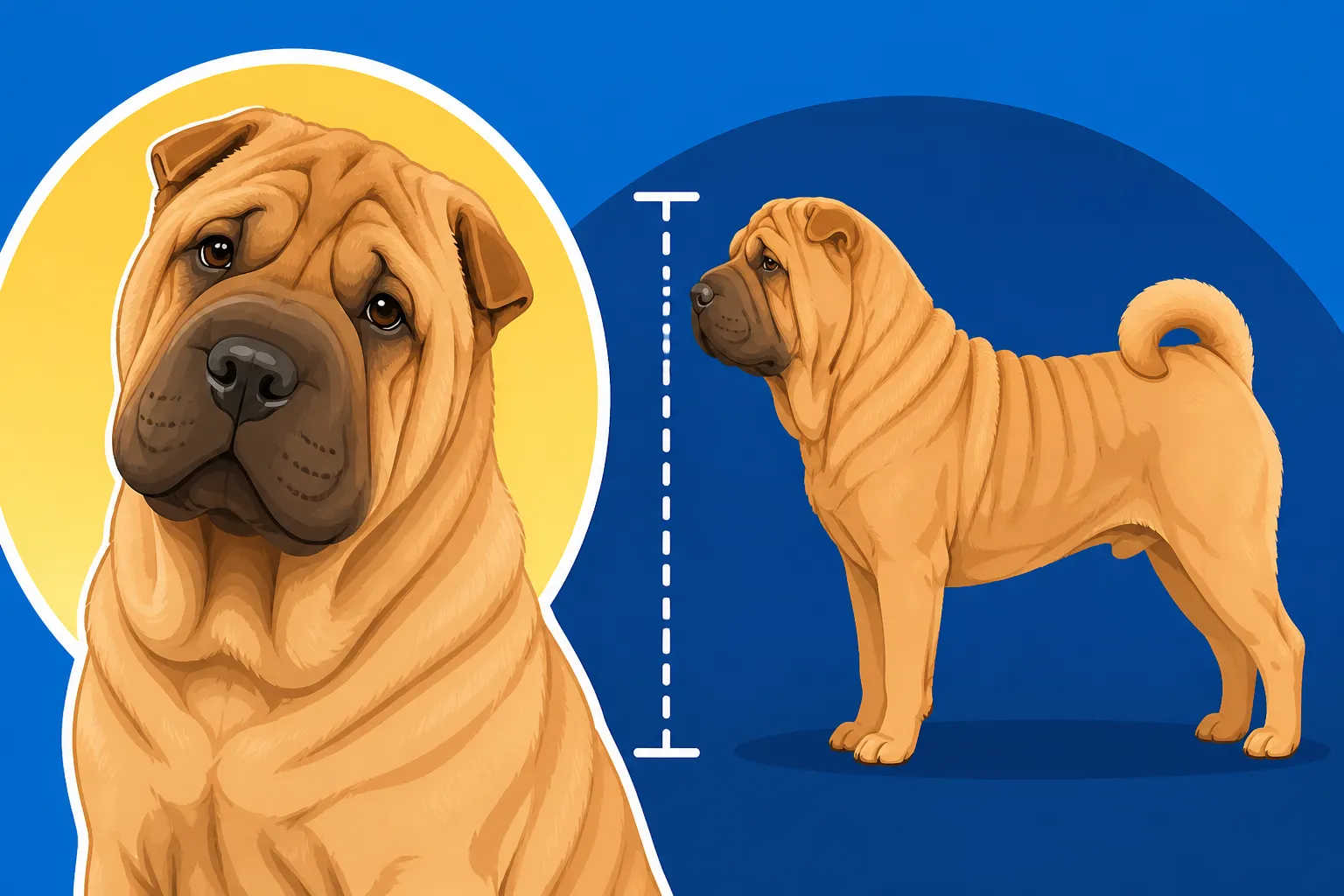
The breed standard for the Shar Pei, as recognized by major kennel clubs, specifies a particular height range that is considered ideal for the breed. Generally, a mature Shar Pei should stand between 18 and 20 inches (approximately 46 to 51 cm) at the withers. This range applies to both males and females, though males often lean towards the taller end of the spectrum, and females might be found at the lower end. It's important to remember this is a range, not a strict number, allowing for natural variation within the breed while still maintaining a consistent overall appearance.
This standard exists for several practical reasons beyond just aesthetics. Historically, the Shar Pei was a working dog, used for hunting, guarding, and herding in rural China. Their size needed to be functional for these tasks – large enough to be a deterrent and capable of movement, but not so large as to be cumbersome or require excessive resources. Deviations too far from this height could impact their ability to perform their original duties, or more importantly, affect their overall health and soundness. A dog that is too tall might be gangly and prone to certain joint issues, while one that is significantly too short might struggle with endurance or be structurally unsound.
Furthermore, adhering to a standard helps ensure that the Shar Pei maintains its distinctive silhouette. Imagine a breed where every dog looked dramatically different in size; it would lose its recognizable form. The standard is a guideline for breeders striving for consistency and health, ensuring that the next generation of Shar Pei retains the cherished qualities that define them. While pet owners might not be concerned with show rings, this underlying ideal still informs the general expectations for a healthy, well-developed Shar Pei.
Measuring Correctly: Wither Height Explained
When a breed standard refers to a dog's height, it's always measured at the withers. For someone not familiar with canine anatomy, "withers" might sound a bit like a mystery, but it's actually a very specific and consistent point on a dog's body. The withers are the highest point of the shoulder blades, located at the base of the neck where the neck meets the back. It’s important to measure here because it's a relatively stable point, unlike the top of the head which can vary depending on how the dog is holding its head.
To accurately measure a Shar Pei's height at the withers, you'll want them to be standing squarely on all four feet, on a flat, level surface. Their head should be in a natural, upright position, not stretched up or bowed down. You can use a measuring stick specifically designed for dogs, often called a wicket, or even a simple tape measure and a straight edge (like a ruler or a level). Place the straight edge across the withers, parallel to the ground, and measure from the bottom of the straight edge down to the floor. It’s a bit like measuring a child’s height against a wall.
This method provides a consistent point of reference, which is vital for breeders assessing their stock and for judges at conformation shows comparing dogs against the breed standard. For the average owner, understanding wither height helps them interpret breeder information or vet records more accurately. It also helps manage expectations. If a breeder tells you a puppy's parents are both 19 inches at the withers, you can have a pretty good idea of the puppy's likely adult size, assuming healthy growth. This precise measurement helps clarify exactly what "medium-sized dog" means in the context of a Shar Pei.
Factors Influencing a Shar Pei's Stature
While the breed standard gives us an ideal range, individual Shar Pei can and do vary. Just like humans, no two dogs are exactly alike, and several factors play a significant role in determining how tall a Shar Pei will ultimately stand. Understanding these influences can give you a better idea of your puppy's potential growth trajectory and help you provide the best possible environment for their development.
Genetics and Lineage: Understanding Your Puppy's Potential
The most significant factor in determining a Shar Pei's adult height is its genetic inheritance. Think of it like a family tree; a puppy inherits traits from both its mother and father, and their combined genetic makeup dictates a large part of its ultimate size. If both parents are on the taller end of the breed standard, their offspring are more likely to be taller. Conversely, if both parents are smaller, their puppies will likely follow suit. This is why reputable breeders often provide information about the parents' sizes and show records, as it offers a strong indication of what to expect from their puppies. They'll also be able to discuss the overall lineage, sometimes going back several generations, to give you a clearer picture of the genetic potential.
Beyond the immediate parents, the overall genetic line or "bloodline" also contributes. Some lines might historically produce slightly more compact dogs, while others consistently produce those at the upper end of the height spectrum. A good breeder, familiar with their specific lines, can offer a more accurate prediction of an individual puppy's likely mature size. They understand the nuances of their dogs' growth patterns and can provide insights that go beyond simply looking at the current parents. For example, if a litter typically includes How Large a Shar Pei Litter Is, a breeder might have a good handle on the average size and growth rate of those pups. This genetic blueprint is fundamental, setting the stage for everything else.
Nutrition and Growth: The Impact of Diet on Development
While genetics lay the groundwork, proper nutrition during a Shar Pei's growth phase is absolutely critical for them to reach their full genetic potential. A puppy that isn't receiving adequate nutrients, or conversely, is being overfed, can experience issues that impact its final height. High-quality puppy food, formulated for medium to large breeds, provides the necessary balance of protein, fats, vitamins, and minerals essential for healthy bone and muscle development. Puppy foods for larger breeds are often designed with controlled growth in mind, preventing too-rapid growth spurts that can sometimes lead to orthopedic problems later on.
Overfeeding, particularly with high-calorie diets, can lead to excessively fast growth. While this might seem desirable to some owners, it can put undue stress on a puppy's developing bones and joints, potentially causing issues like hip and elbow dysplasia. Similarly, underfeeding or providing a diet lacking in essential nutrients can stunt growth, preventing the puppy from reaching the height it was genetically predisposed to achieve. It’s a delicate balance. A veterinarian can help you determine the best feeding plan for your growing Shar Pei, taking into account their age, activity level, and individual needs. Retailers like Chewy offer a wide range of specialized puppy foods and can be a good resource for finding appropriate options. Proper diet is more than just filling a bowl; it's an investment in your dog's long-term health and structural integrity.
Health and Environment: Stunted Growth Considerations
Beyond genetics and diet, a Shar Pei's overall health and the environment they grow up in can also play a role in their final height, particularly if there are significant issues. Chronic health problems, especially during crucial growth periods, can sometimes divert the body's resources away from growth. For instance, severe parasitic infections, chronic gastrointestinal issues that prevent nutrient absorption, or certain hormonal imbalances can all impact a puppy's ability to grow normally. While these cases are less common in well-cared-for puppies, they highlight the importance of regular veterinary care and prompt treatment for any illness.
Environmental factors, although often intertwined with care and nutrition, can also contribute. Puppies raised in extremely stressful environments, with inadequate shelter, or without sufficient access to clean water and a stable temperature, may also experience compromised growth. Stress can suppress the immune system and interfere with normal development. A happy, comfortable, and stimulating environment allows a puppy to thrive and allocate all its energy to healthy growth, rather than constantly battling illness or stress. Essentially, a healthy, happy Shar Pei puppy, given appropriate nutrition and a stable environment, is much more likely to reach the height dictated by its genetic potential than one facing ongoing challenges. This emphasizes that while genetics set the limits, proper care ensures those limits can be reached.
Comparing Shar Pei Height to Other Breeds
Understanding how tall a Shar Pei stands often becomes clearer when you compare them to other breeds. They occupy an interesting middle ground – not tiny lap dogs, but certainly not giant breeds either. This comparative view helps set realistic expectations and informs decisions about everything from housing to exercise.
Shar Pei vs. Other Medium-Sized Dogs
The Shar Pei is definitively a medium-sized dog, and their height range of 18-20 inches puts them squarely in this category. To give you a clearer picture, let's compare them to a few other popular medium breeds:
| Breed | Average Height (at withers) |
|---|---|
| Shar Pei | 18-20 inches |
| Bulldog | 12-16 inches |
| Border Collie | 18-22 inches |
| Staffordshire Bull Terrier | 14-16 inches |
| Basset Hound | 11-15 inches |
| Chow Chow | 17-20 inches |
As you can see from the table, the Shar Pei's height is quite comparable to some of these other well-known medium breeds. They are generally taller than a Bulldog or a Staffordshire Bull Terrier, but might be slightly shorter or within the same range as a Border Collie or a Chow Chow. The Shar Pei Against a Chow Chow is a particularly interesting comparison, given their shared blue-black tongues and ancient Chinese origins. While their body types are quite different, their height range is surprisingly similar.
This means that for owners accustomed to larger breeds, a Shar Pei might feel more manageable. For those used to smaller dogs, they represent a significant step up in physical presence. Their compact, sturdy build, combined with their moderate height, gives them a strong, formidable appearance without being excessively bulky or tall. This medium stature also has implications for their activity needs and how they fit into different living situations, which we'll explore further. It's a balance that many owners find appealing – big enough to feel like a "real" dog, but not so big as to overwhelm smaller living spaces.
Size Variation Within the Breed: Meat Mouth vs. Bone Mouth
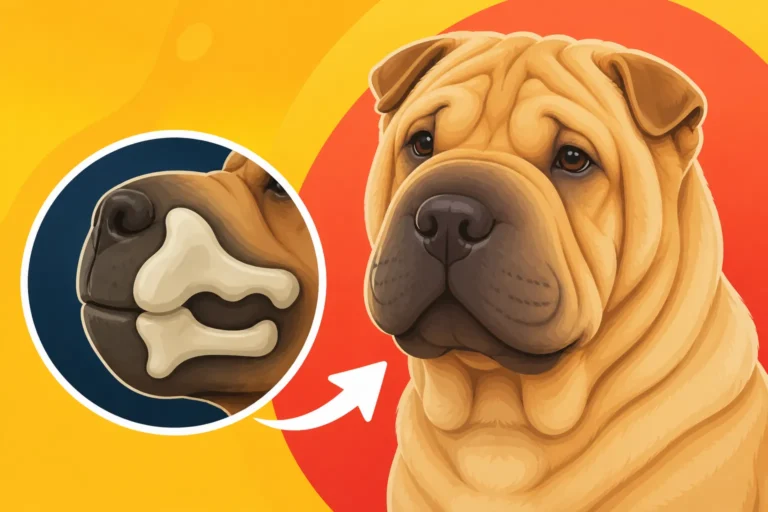
Within the Shar Pei breed, you might hear discussions about "Meat Mouth" and "Bone Mouth" types. These terms historically refer to different head and muzzle structures, but they can sometimes also be associated with slight differences in overall size and build. It's important to clarify that the official breed standard typically focuses on a more moderately wrinkled dog with a substantial muzzle, often leaning towards what might be considered a less extreme "Meat Mouth" appearance in terms of wrinkling, but still within the functional range.
The "Meat Mouth" Shar Pei tends to have a more padded muzzle and potentially more extensive body wrinkles, often giving the impression of a more substantial, heavier-set dog. While they still fall within the 18-20 inch height range, their overall bulk can make them appear larger or stockier. What a Meat Mouth Shar Pei Is defines this type by its fleshy muzzle. On the other hand, the "Bone Mouth" Shar Pei is often described as having a leaner, less padded muzzle and fewer wrinkles, particularly on the body. These dogs are sometimes perceived as being closer to the original, more athletic Shar Pei types from China. What a Bone Mouth Shar Pei Is highlights this more ancient form. While they too fall within the standard height range, their leaner build can make them seem more agile and slightly less massive than their "Meat Mouth" counterparts.
It's crucial to understand that both types should still conform to the breed's specified height range. Any significant deviation outside of 18-20 inches, regardless of mouth type, would be considered a fault in a conformation show. The perceived size difference often comes down to body condition, bone density, and the degree of wrinkling, rather than a fundamental difference in skeletal height. Responsible breeders will prioritize health and adherence to the functional standard, ensuring that variations in "mouth type" do not lead to extreme sizes or health compromises.
Practical Considerations for Shar Pei Height in Daily Life
Knowing how tall your Shar Pei will stand isn't just about meeting breed standards; it has very real, everyday implications for living with your dog. From fitting them into your home to managing their exercise, their mature size will influence many practical aspects of your shared life. Thinking ahead about these considerations can help you prepare for a comfortable and harmonious existence with your unique companion.
Home and Living Space: Adapting to Your Dog's Size
The height of your Shar Pei, combined with their sturdy build, means you need to consider their size when setting up your living space. While they aren't giant dogs, they certainly take up more room than a toy breed. For example, selecting the right crate is essential, both for training and as a safe den. A crate that's too small for an 18-20 inch dog will be uncomfortable and could lead to behavioral issues. You'll need one large enough for them to stand up, turn around, and lie down comfortably. Similarly, dog beds, available from retailers like Chewy, need to be appropriately sized to support their body and joints effectively. A tiny bed meant for a terrier won't cut it for a full-grown Shar Pei.
Beyond specific items, consider the overall layout of your home. While Shar Pei are known for being relatively calm indoors and Whether a Shar Pei Suits an Apartment often has a positive answer, a large, boisterous family with a small apartment might feel cramped. They need enough space to move around without constantly bumping into furniture or people. Their height also influences things like the height of dog gates if you use them to block off certain areas, or the type of food and water bowls you choose – raised bowls can sometimes be more comfortable for a dog of their stature, helping with digestion and neck strain. Thinking about their reach on countertops, their ability to navigate stairs, and how they'll fit into your car for trips are all practical elements where their mature height comes into play.
Exercise and Activity Levels: Height's Role in Mobility
While a Shar Pei's height doesn't directly dictate their exercise requirements as much as breed energy levels or health, it certainly plays a role in their overall mobility and the type of activities they might enjoy or excel at. An 18-20 inch tall Shar Pei is a robust dog, built for strength and endurance rather than extreme speed or agility. Their sturdy frame means they can cover ground efficiently on walks, but they aren't typically candidates for high-impact sports like competitive jumping.
Their moderate height and build suit them well for a good, brisk daily walk. How Far a Shar Pei Should Walk Daily is an important question for owners, and their size allows them to enjoy a decent stroll without becoming overly fatigued. However, their unique physical characteristics, like their deeper chest and potential for brachycephalic tendencies in some, mean you must be mindful of overheating, especially during strenuous activity or in warm weather. A dog of their size needs adequate cool-down time and access to water. Their substantial frame is designed for steady, purposeful movement, not endless, frantic bursts of energy. Understanding this balance is key to keeping your Shar Pei healthy and happy, ensuring their physical activity is appropriate for their build and breed tendencies.
Handling and Veterinary Care: Reaching and Lifting
A Shar Pei's height, combined with their solid musculature, means they can be a substantial dog to handle, especially for grooming or during veterinary visits. An 18-20 inch dog can weigh anywhere from 45 to 60 pounds, or even more, which is a considerable weight to lift if necessary. During routine examinations, your veterinarian will need to be able to comfortably examine all parts of your dog, including those harder-to-reach areas like the ears, which are naturally quite narrow in this breed. Regular handling from puppyhood, including practicing being lifted onto an exam table or having their feet, ears, and mouth checked, can make these experiences much smoother.
Grooming, such as nail trims, fold cleaning, or bathing, also becomes a more physical task with a dog of this size. Reaching all their folds, particularly those on their chest and under their tail, requires them to be at a comfortable height for you, often on a grooming table or sturdy bench. Teaching your Shar Pei to tolerate and even enjoy these sessions from a young age is paramount. Whether a Shar Pei Accepts Handling by a Vet is often tied to early socialization and positive reinforcement. Their solid frame can make them feel immovable if they decide not to cooperate, so patient training to accept handling is key. This attention to detail in their care routine is part of what makes Shar Pei ownership a rewarding, albeit sometimes physically demanding, experience.
Dispelling Myths About Shar Pei Size
The internet and anecdotal stories are rife with misinformation, and the Shar Pei breed, with its distinctive appearance, is no stranger to rumors about its size. It's important to separate fact from fiction, especially when it comes to claims about "miniature" versions or how a puppy's wrinkles might predict its future height. Understanding the truth helps you make informed decisions and avoid supporting practices that might compromise the breed's health.
"Miniature" or "Teacup" Shar Pei: Understanding Designer Claims
One of the most persistent myths you might encounter online or from less reputable sources is the concept of "Miniature" or "Teacup" Shar Pei. Let me be clear: there is no officially recognized "Miniature" or "Teacup" variety of the Shar Pei breed. The breed standard is quite firm on the height range of 18-20 inches, and any dog significantly smaller than this is not considered a standard Shar Pei. When you see claims of these smaller versions, they typically fall into a few categories, none of which are ideal.
Often, these "miniature" dogs are simply runts of a litter, which can sometimes come with health issues associated with their smaller stature and weakened constitution. Alternatively, they might be the result of breeding unusually small Shar Pei together, a practice that can quickly lead to a narrowing of the gene pool and amplify existing health problems within the breed. Some "miniature" Shar Pei are actually cross-breeds, perhaps mixed with smaller dog breeds, to achieve a smaller size, but they are not purebred Shar Pei. This is frequently a marketing ploy by unscrupulous breeders looking to capitalize on trends for smaller dogs, often without regard for the animals' health or welfare. Supporting such trends inadvertently encourages breeding practices that prioritize novelty over health and breed integrity. Always approach claims of "miniature" or "teacup" versions of any established breed with extreme skepticism and opt for a reputable breeder who adheres to the official breed standard.
Puppy Wrinkles and Adult Height: Do They Correlate?
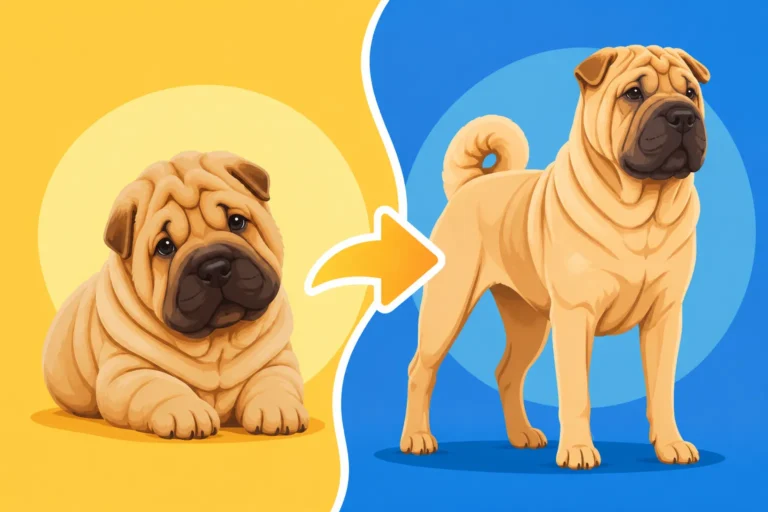
Another common misconception revolves around Shar Pei puppies' wrinkles and how they relate to their adult size. Many Shar Pei puppies are incredibly wrinkly, often looking like a pile of plush fabric with eyes. It's easy to assume that all those wrinkles mean they will grow into an enormous dog, but this isn't necessarily the case. The truth is, Shar Pei puppies typically "grow into their skin" as they mature. Those abundant folds that are so prominent in puppyhood tend to stretch out and become less dense as the dog grows into its skeletal frame.
So, a very wrinkly puppy does not inherently mean it will be a giant adult Shar Pei. While the degree of wrinkling is related to a specific genetic mutation that increases hyaluronic acid in the skin, this isn't directly correlated with skeletal growth beyond the breed's standard height range. A Shar Pei puppy that is heavily wrinkled will still mature to be within the 18-20 inch height range for the breed; it just means those wrinkles will spread out over a larger surface area. Whether a Shar Pei Puppy Grows Into Its Skin is a question many new owners have, and the answer is generally yes! You'll find that their facial wrinkles may remain, but the extensive body folds often smooth out considerably, giving them the more refined, less voluminous look of an adult Shar Pei. It's a fascinating transformation, but one that largely happens independently of their final standing height.
Disclaimer
This article is for general informational purposes only and does not constitute professional advice. Laws, prices and regulations vary by location and change over time. Consult a qualified professional for guidance on your specific situation.