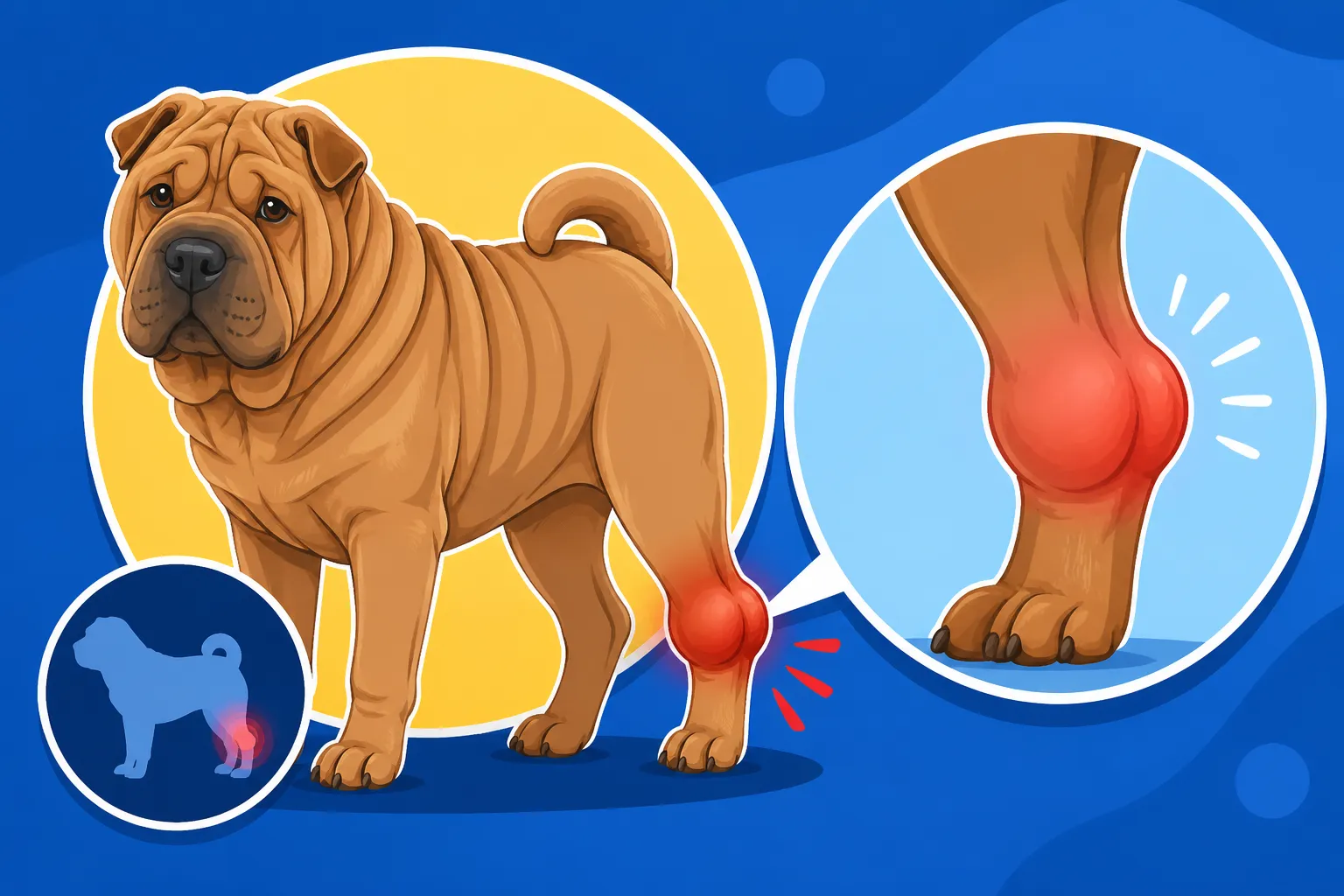
Why a Shar Pei’s Hocks Swell
Seeing your beloved Shar Pei suddenly develop swollen hocks can be incredibly alarming, and it's a frustration many of us Shar Pei owners know all too well. It often pops up seemingly out of nowhere, leaving you worried and wondering what on earth is going on with your usually stoic companion. This guide will walk you through the primary reasons why a Shar Pei's hocks might swell, focusing on the genetic predispositions and health conditions unique to our wrinkly friends, and what steps you can take to manage these episodes.
Understanding Familial Shar Pei Fever and Its Manifestations
When a Shar Pei's hocks swell, the first thought that often leaps to mind for experienced owners, and should for new ones, is Familial Shar Pei Fever (FSF). This isn't just any old fever; it's a hereditary inflammatory syndrome that is sadly a hallmark of the breed, a direct consequence of the very genetic trait that gives them their distinctive wrinkles. It's truly a complex and often distressing condition, affecting many Shar Pei throughout their lives.
The Genetic Basis of Shar Pei Fever
It might sound strange, but the same genetic mutation responsible for those adorable, plentiful wrinkles in our Shar Pei is also the culprit behind their susceptibility to FSF. Specifically, it's a duplication of a gene called HAS2, which leads to an overproduction of hyaluronic acid in the skin. While this gives them their iconic look, it also seems to prime their immune system for an exaggerated inflammatory response. This connection means that the very trait we cherish in our dogs is intrinsically linked to their most common and serious health issues. Understanding this underlying cause helps us grasp that Familial Shar Pei Fever Is Not an Infection, but rather an autoinflammatory condition. The more pronounced the wrinkles, generally speaking, the higher the copy number of this gene, which in turn can increase the likelihood and severity of these fever episodes.
It’s a cruel irony that One Mutation Gave the Shar Pei Its Wrinkles and Its Fever. This genetic predisposition means that FSF isn't something a Shar Pei "catches" like a cold; it's something they are born with the potential to develop. Breeders and owners alike grapple with this reality, as selecting for the very traits that make a Shar Pei recognizable can inadvertently perpetuate health challenges. This genetic quirk truly sets the Shar Pei apart from other breeds, making their care requirements quite specialized and demanding.
What a Shar Pei Fever Episode Looks Like
A typical FSF episode can be quite distressing to witness, especially if you're unfamiliar with it. Your dog might suddenly become lethargic, refuse to eat or drink, and exhibit a generalized stiffness or reluctance to move. The hallmark sign, of course, is a spiking fever, often reaching 103°F (39.4°C) or higher. You might notice shivering, tenderness, and obvious discomfort. It’s crucial to recognize these signs early.
Beyond the generalized fever, many Shar Pei also develop distinct localized swelling during these episodes. This swelling most commonly affects the hocks (the joints in their hind legs, analogous to our ankles), but can also appear in other areas like the muzzle or around the joints in the front legs. This localized swelling is often tender to the touch, and your dog might hold the affected limb up or resist putting weight on it. Observing these changes helps to confirm that you’re dealing with an FSF episode, which is often crucial for timely veterinary care. For a more detailed look, you can read about What a Shar Pei Fever Episode Looks Like.
How Long a Shar Pei's Fever Lasts
The duration of a Familial Shar Pei Fever episode can vary significantly from one dog to another, and even from one episode to the next in the same dog. Some fevers might be relatively short-lived, resolving within 12 to 24 hours with appropriate care. However, it's not uncommon for episodes to linger for 24 to 48 hours, or in more severe cases, even up to 72 hours. This unpredictable nature is part of what makes FSF so frustrating and worrying for owners.
During this time, your Shar Pei will likely remain uncomfortable, and the hock swelling may persist. It's a waiting game, but not one where you simply stand by. Continuous monitoring of their temperature, hydration, and overall demeanor is paramount. If the fever or swelling seems to worsen, or if your dog’s condition doesn't improve after a reasonable period, veterinary re-evaluation is always recommended. For more information on managing these periods, refer to How Long a Shar Pei's Fever Lasts.
The Direct Link Between FSF and Swollen Hocks
The swelling in a Shar Pei's hocks during a fever episode isn't just a coincidence; it's a direct result of the inflammatory processes at play within their unique physiology. Understanding this connection helps us appreciate the seriousness of these symptoms and why they require careful attention.
Inflammatory Response During a Fever
When a Shar Pei experiences an FSF episode, their body undergoes an intense systemic inflammatory response. This isn't caused by bacteria or viruses, but rather by their own immune system going into overdrive. The overproduction of hyaluronic acid, driven by that unique wrinkle gene, plays a significant role in triggering this inflammation. The body essentially reacts as if there's a serious threat, releasing a cascade of inflammatory mediators throughout the system. These mediators, while intended to fight off pathogens, end up attacking the body's own tissues in an autoinflammatory process.
This widespread inflammation often manifests as pain, lethargy, and a general feeling of malaise. Think of how you feel during a bad flu – every joint aches, and you're just generally miserable. For a Shar Pei, this internal turmoil is profound. The body's inflammatory chemicals cause blood vessels to dilate and become more permeable, allowing fluid and white blood cells to leak into surrounding tissues. This fluid accumulation is what causes visible swelling.
Why the Hocks Are Particularly Affected
While inflammation can occur anywhere, the hocks, along with the muzzle, are particularly susceptible to swelling during an FSF episode. There isn't one definitive answer as to why these specific areas are so commonly affected, but several theories exist. One prominent idea is that the hocks are high-motion joints that experience a lot of stress and impact, making them naturally prone to accumulating inflammatory fluid during a systemic event. They also have relatively less protective muscle and tissue compared to other areas, making swelling more noticeable.
Additionally, the unique structure of the Shar Pei's connective tissues and the widespread presence of hyaluronic acid in these areas might contribute to localized fluid retention. The combination of systemic inflammation, local tissue characteristics, and the mechanics of the joint itself likely combine to make the hocks a common site for this uncomfortable swelling. Seeing your dog struggle to walk or put weight on a swollen hock is heartbreaking, but knowing it's part of the fever syndrome helps you understand the bigger picture. This specific manifestation is why How the Wrinkle Gene Also Triggers Fever is so critical to understand.
Distinguishing Fever-Related Swelling from Injury
It's easy to panic when you see your Shar Pei limping or with a swollen joint, immediately thinking of a sprain or a fracture. However, with Shar Pei, it's crucial to consider FSF first, especially if other fever symptoms are present. An injured hock might be swollen and painful, but it typically won't be accompanied by a high fever, lethargy, loss of appetite, or general body stiffness characteristic of FSF. An injury is usually localized to the trauma site, whereas FSF often has broader systemic indicators.
If you suspect an injury, a vet visit is imperative to rule out fractures or severe sprains that might require specific orthopedic treatment. The vet might perform a physical exam, palpate the area, and potentially recommend X-rays to assess for bone or soft tissue damage unrelated to inflammation. However, if your Shar Pei is showing classic FSF symptoms alongside the hock swelling, treatment will likely focus on managing the fever and inflammation rather than just the joint itself. This differentiation is vital for correct diagnosis and effective treatment, and it's a conversation you'll need to have frankly with your veterinarian.
Beyond Fever: SPAID and Chronic Inflammation
Sometimes, hock swelling in a Shar Pei isn't just a fleeting symptom of an acute fever episode. It can be a manifestation of a more chronic, underlying inflammatory condition known as Shar Pei Autoinflammatory Disease (SPAID). This broader syndrome encompasses FSF but also includes persistent or recurring inflammatory issues that can have long-term consequences for your dog's health.
What SPAID Means for a Shar Pei
SPAID is a term that describes a range of autoinflammatory conditions seen in Shar Pei, all stemming from that same genetic predisposition to over-inflammation. It's essentially the broader umbrella under which FSF falls. While FSF refers specifically to the acute fever episodes, SPAID acknowledges that these dogs can suffer from chronic, low-grade inflammation even when not in a full-blown fever crisis. This persistent inflammatory state can affect various body systems, leading to a host of health challenges beyond just periodic fevers.
For an owner, understanding What SPAID Means for a Shar Pei is vital because it changes the approach to long-term care. It's not just about treating individual fever episodes; it's about managing a chronic condition that can impact their overall well-being. This might involve ongoing medication, dietary adjustments, and careful monitoring to keep inflammation at bay and prevent more serious secondary complications. Healthy Paws, for instance, provides coverage options that can be a lifesaver when dealing with such complex, chronic conditions that require consistent veterinary attention.
How SPAID Contributes to Joint Issues
The chronic inflammation associated with SPAID can unfortunately take a toll on a Shar Pei's joints over time, including the hocks. Even between acute fever episodes, a low level of systemic inflammation might be present, leading to subtle or intermittent joint pain and stiffness. This ongoing inflammatory process can contribute to degenerative joint changes, making them more susceptible to discomfort and swelling even without a full fever. Think of it as constant wear and tear, but amplified by their unique inflammatory responses.
For some Shar Pei, persistent or recurrent hock swelling might be one of the most prominent signs of underlying SPAID. This isn't necessarily a massive, acute swelling like during a fever, but a more subtle puffiness, tenderness, or even warmth that comes and goes. This kind of chronic joint inflammation can significantly impact their quality of life, affecting their mobility, willingness to play, and overall comfort. It's a cruel reality that the very genes that give them their distinctive look also set them up for these painful joint issues.
Recognizing Other Signs of SPAID
While hock swelling and fever are prominent, SPAID can manifest in several other ways. Owners need to be vigilant for these various signs to ensure early intervention. Other common symptoms include gastrointestinal issues like vomiting and diarrhea, which can sometimes be mistaken for simple dietary upsets but are actually part of the inflammatory process. Your Shar Pei might also experience a painful, thickened, or dry muzzle, often called "hocks-like" swelling of the muzzle, making it difficult for them to eat or drink comfortably.
Skin problems, such as recurring infections or generalized discomfort, can also be indicators of SPAID, reflecting the systemic nature of the inflammation. Some Shar Pei might develop ear infections more frequently, or experience eye issues like entropion, all potentially linked to the broader inflammatory cascade. It’s important to share all these observations with your vet, as they paint a more complete picture of your dog's health and can guide a comprehensive management plan for their SPAID.
The Alarming Connection: Amyloidosis and Hocks
The most serious long-term consequence of chronic inflammation, particularly from FSF and SPAID, is the development of amyloidosis. This condition is what truly shortens the lifespan of many Shar Pei and underscores the critical importance of managing inflammatory episodes from the very beginning.
The Role of Chronic Inflammation in Amyloidosis
Amyloidosis is a devastating disease where abnormal proteins, called amyloid fibrils, deposit in various organs, interfering with their normal function. In Shar Pei, these amyloid proteins are primarily derived from Serum Amyloid A (SAA), an acute phase protein that increases dramatically during inflammatory events like FSF episodes. When a Shar Pei experiences frequent or severe fevers, or lives with chronic SPAID, their body is constantly producing high levels of SAA. If this SAA isn't properly cleared from the bloodstream, it can misfold and deposit as amyloid.
This process is a slow, insidious one. Each inflammatory episode, even seemingly minor ones, contributes to the build-up of amyloid. The hock swelling, being a visible sign of inflammation, serves as a stark reminder of this underlying risk. It highlights the direct link between those painful, swollen joints and the silent, destructive process occurring internally. This is why aggressive management of FSF and SPAID is not just about your dog's comfort in the moment, but about protecting their long-term organ health. Amyloidosis Is What Actually Kills a Shar Pei, making its prevention paramount.
How Amyloid Damages a Shar Pei's Kidneys
In Shar Pei, the kidneys are the most common and severely affected organs by amyloid deposits. These tiny, delicate filtering units become clogged and damaged by the accumulating amyloid fibrils. Initially, the kidneys try to compensate, but over time, their ability to filter waste products from the blood and retain essential proteins diminishes significantly. This leads to progressive kidney disease, eventually resulting in kidney failure.
When the kidneys fail, toxins build up in the body, and vital proteins are lost in the urine. This is a progressive and irreversible process, and it’s why How Amyloid Damages a Shar Pei's Kidneys is such a crucial piece of information for every owner. Early signs of kidney damage can be subtle, such as increased thirst and urination, but as the disease progresses, dogs can become lethargic, lose appetite, vomit, and rapidly lose condition. The link between those swollen hocks and potential kidney damage later in life cannot be overstated.
Whether Every Feverish Shar Pei Gets Amyloidosis
It's a terrifying thought that every fever might lead to kidney failure, and thankfully, it's not a guarantee that Whether Every Feverish Shar Pei Gets Amyloidosis will develop the disease. However, it's a significant risk factor. The frequency, duration, and severity of FSF episodes, along with individual genetic variations, can influence a Shar Pei's likelihood of developing amyloidosis. Some Shar Pei might have only a few fevers in their lifetime and never develop it, while others with more frequent or intense episodes might succumb at a younger age.
The crucial takeaway is that every fever episode is a potential contributor to amyloid deposition. This is why proactive management of FSF and SPAID is so important. Reducing the number and intensity of inflammatory events is the best strategy we currently have to mitigate the risk of amyloidosis. This often involves careful monitoring, rapid intervention during fevers, and in many cases, long-term medication to control inflammation.
Here's a quick overview of the conditions and their link to swollen hocks:
| Condition | Primary Cause | Link to Swollen Hocks | Long-Term Risk |
|---|---|---|---|
| Familial Shar Pei Fever (FSF) | Genetic predisposition (HAS2 gene) causing autoinflammation | Acute, often pronounced swelling during fever episodes due to systemic inflammation | Increased risk of Amyloidosis |
| Shar Pei Autoinflammatory Disease (SPAID) | Chronic, systemic autoinflammation (broader than FSF) | Persistent or recurring subtle joint swelling and discomfort, even between fevers | Progressive organ damage (Amyloidosis) |
| Amyloidosis | Deposition of abnormal protein fibrils in organs | Not a direct cause of acute hock swelling, but a severe consequence of the underlying inflammation that does cause hock swelling | Kidney failure, organ dysfunction |
Managing Swollen Hocks and Underlying Causes
When your Shar Pei's hocks swell, it's a sign that demands attention. Effective management focuses on addressing the immediate symptoms while also considering the underlying systemic inflammation.
What to Do When a Shar Pei Spikes a Fever
If you find your Shar Pei with a sudden fever and swollen hocks, the first thing is to try to stay calm. Take their temperature rectally if possible, as this gives the most accurate reading. Anything above 102.5°F (39.2°C) is considered a fever. Contact your veterinarian immediately to inform them of the situation. They will often advise you to bring your dog in for an assessment. It's helpful to have a record of when the symptoms started, the highest temperature recorded, and any other symptoms you've observed.
At home, you can offer a quiet, comfortable, cool space. Encourage water intake if they'll drink, perhaps adding a little low-sodium broth to make it more appealing. Do not administer any human fever reducers like ibuprofen or Tylenol unless specifically instructed by your vet, as these can be toxic to dogs. The priority is to get a professional diagnosis and treatment plan. For more detailed steps, refer to What to Do When a Shar Pei Spikes a Fever.
Veterinary Intervention and Diagnostics
Once at the vet, they will conduct a thorough physical examination, including checking your Shar Pei's temperature, heart rate, and palpating the swollen hocks. They may also recommend blood tests to check for signs of inflammation (like elevated white blood cell counts or acute phase proteins) and to assess organ function, especially kidney values. Urinalysis might also be performed. Sometimes, a joint tap or X-rays might be considered if the vet suspects a non-FSF cause for the swelling, but this is less common with classic FSF symptoms.
Treatment typically involves administering medications to reduce the fever and inflammation. This often includes non-steroidal anti-inflammatory drugs (NSAIDs) like carprofen or meloxicam, or in some cases, a corticosteroid. Your vet might also give fluids if your dog is dehydrated. The goal is to bring the fever down, alleviate pain and swelling, and make your dog comfortable again. It’s crucial to follow your vet's instructions precisely for medication dosage and duration.
Medication for Swelling and Inflammation
For many Shar Pei with recurrent FSF episodes and associated hock swelling, long-term medication is often prescribed to reduce the frequency and severity of these events and mitigate the risk of amyloidosis. The most common and effective medication for this purpose is colchicine. Colchicine works by interfering with the inflammatory response and inhibiting the deposition of amyloid fibrils, making it a cornerstone in the preventative management of Shar Pei health.
While colchicine doesn't prevent every fever, it can significantly reduce their number and intensity. It's generally well-tolerated, but like all medications, it can have side effects, typically gastrointestinal upset. Your vet will discuss the appropriate dosage and monitoring plan, which usually involves regular blood tests to check kidney and liver function. Another medication often considered during acute fever episodes is gabapentin for pain relief, or specific NSAIDs prescribed by your vet to bring down the fever and reduce swelling. It's a testament to veterinary science that we have options like Whether Colchicine Helps a Shar Pei to improve their quality of life. Always consult your vet about the best medication plan for your individual dog, especially when considering providers like Healthy Paws for insurance, as they can help cover the costs of these ongoing treatments.
Preventative Measures and Ongoing Care
Living with a Shar Pei means being proactive about their health. While you can't change their genetics, you can implement strategies to minimize inflammatory episodes and support their overall well-being.
Monitoring and Early Detection
Consistent monitoring is perhaps the most powerful tool an owner has. Keep a detailed log of any fever episodes, including duration, peak temperature, accompanying symptoms (like hock swelling), and how your dog responded to treatment. This log will be invaluable for your vet to identify patterns and adjust treatment plans. Pay close attention to subtle changes in behavior: a slight decrease in appetite, a reluctance to play, or a quietness that's out of character can all be early warning signs.
Regular veterinary check-ups are non-negotiable for Shar Pei. Your vet should be aware of your dog's predisposition to FSF and SPAID. This includes routine blood work and urinalysis, especially a urine protein-creatinine (UPC) ratio, to monitor kidney health. Detecting early signs of kidney damage, which might not be visible externally, is crucial for slowing the progression of amyloidosis. Knowing Why a Shar Pei's Kidneys Need Watching From Two Years Old highlights this importance. Early detection allows for adjustments in diet and medication that can extend your dog's healthy lifespan.
The Importance of a Low-Stress Environment
Stress, whether physical or emotional, can be a trigger for FSF episodes in some Shar Pei. While a definitive scientific link is still being explored, many owners observe that changes in routine, new environments, or even separation anxiety can precede a fever. Therefore, creating a calm, predictable, and secure environment for your Shar Pei is highly beneficial. Minimize sudden changes, ensure they have a safe, quiet space to retreat to, and establish a consistent daily routine.
Socialization, while important, should be managed carefully to avoid overwhelming sensitive individuals. Too much exposure to new people or dogs at once can be stressful. Focus on quality, positive interactions rather than sheer quantity. A quiet home with loving, consistent care can do wonders for a Shar Pei prone to inflammatory conditions. Consider their temperament when planning activities; some thrive on adventure, while others prefer a more sedate existence.
Nutritional Support and Lifestyle Adjustments
Diet can play a supportive role in managing inflammation, though it's not a cure. Many Shar Pei owners opt for diets that are low in common allergens and highly digestible, such as limited ingredient diets or those featuring novel proteins like duck, venison, or fish. Some anecdotal evidence suggests that diets high in omega-3 fatty acids can help reduce inflammation, so supplements like fish oil might be recommended by your vet. Always discuss any significant dietary changes with your veterinarian to ensure it's balanced and appropriate for your dog's specific needs, especially if they are on medication or have other health concerns.
Beyond diet, ensuring your Shar Pei maintains a healthy weight is critical. Extra weight puts additional strain on joints, potentially exacerbating any inflammation or discomfort in their hocks. Moderate, consistent exercise, appropriate for their age and health, is beneficial. However, avoid overexertion, especially in warm weather, as overheating can also trigger FSF episodes. Think gentle walks during cooler parts of the day, and interactive playtime indoors. A holistic approach that includes diet, exercise, and stress management, alongside veterinary care and potentially insurance like Healthy Paws, gives your Shar Pei the best chance at a comfortable life.
Disclaimer
This article is intended for informational purposes only and does not constitute veterinary advice. Always consult with a qualified veterinarian for any health concerns or before making any decisions about your pet's medical care. The information provided here is not a substitute for professional veterinary diagnosis or treatment.


