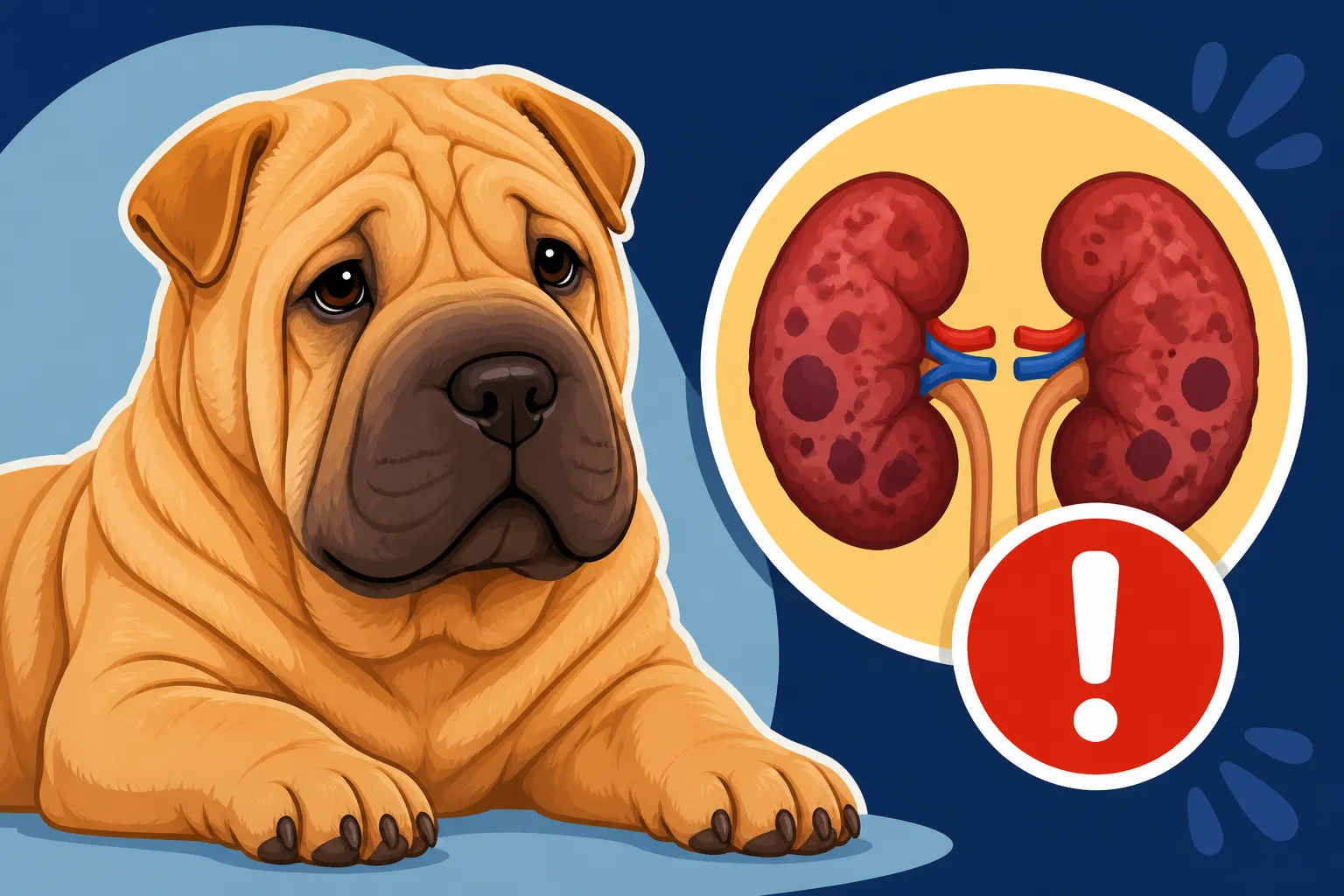
Signs a Shar Pei’s Kidneys Are Failing
One of the most heartbreaking realities for any Shar Pei owner is the silent threat of kidney failure, a devastating condition often linked to the breed's unique genetic predispositions. It's a worry that keeps many of us up at night, knowing that what often starts subtly can progress rapidly. This comprehensive guide is here to equip you with the knowledge to recognize the early, often overlooked, signs that your beloved Shar Pei's kidneys might be struggling, giving you the best chance to intervene and support them.
Understanding the Shar Pei's Unique Kidney Vulnerability
For us Shar Pei owners, kidney health isn't just another general concern; it's practically paramount. This breed, with its distinctive wrinkles and loyal heart, carries a genetic predisposition that makes kidney issues a significant, sometimes life-shortening, challenge. It's a burden that comes directly from their unique genetics, a double-edged sword that gives them their iconic look but also their Achilles' heel.
The Link Between Familial Shar Pei Fever and Kidney Damage
If you own a Shar Pei, you've likely heard of Familial Shar Pei Fever (FSF). It's not just a passing illness; it's a chronic, inflammatory condition that is inextricably linked to the potential for kidney damage. When a Shar Pei experiences a fever episode, their body is in an acute inflammatory state. While the fever itself, which can spike suddenly and leave your dog feeling utterly miserable, is alarming enough, the real insidious threat lies in its long-term impact. Repeated bouts of inflammation, especially those that are severe or prolonged, can lead to the deposition of a protein called amyloid in various organs, most notably the kidneys. This means that a seemingly isolated fever can be a precursor to something much more serious down the line. It's critical to understand that Familial Shar Pei Fever Is Not an Infection; it's an auto-inflammatory response, and managing these episodes isn't just about bringing down a temperature, it's about protecting their future.
How Amyloidosis Progresses in Shar Pei
Amyloidosis is what actually kills a Shar Pei, and it's a condition that often unfolds silently, making it particularly terrifying. This isn't just general kidney disease; it's a specific process where abnormal amyloid protein builds up in the kidney tissue. Initially, these deposits are small and might not cause noticeable symptoms. However, as more and more amyloid accumulates, it begins to disrupt the normal function of the kidney cells. Imagine tiny, sharp crystals slowly embedding themselves into the delicate filtration system of the kidneys, causing inflammation and scarring. Over time, these vital organs, responsible for filtering waste products from the blood, regulating blood pressure, and producing hormones, simply stop working efficiently. The progression can vary greatly from dog to dog, with some declining rapidly and others showing a slower, more gradual decline. Understanding how amyloid damages a Shar Pei's kidneys is key to grasping why early detection is so important.
Why Early Detection is Crucial for This Breed
Given the breed's susceptibility to amyloidosis, vigilance is not just a recommendation; it's a lifeline. Why a Shar Pei's kidneys need watching from two years old is because this is often when the insidious march of amyloid deposition can begin, even if outwardly your dog seems perfectly healthy. Early detection doesn't mean curing the disease—amyloidosis is, unfortunately, largely irreversible once it has taken hold—but it means buying precious time. It allows your veterinarian to implement supportive therapies that can slow the progression, manage symptoms, and improve your Shar Pei's quality of life for as long as possible. This proactive approach can make a monumental difference, transitioning from crisis management to sustained, thoughtful care. Investing in early diagnostics and having a robust pet insurance plan, like those offered by Healthy Paws, can provide significant peace of mind when facing a chronic condition like this, ensuring you can afford the best possible care from the moment symptoms are suspected.
Subtle Early Warning Signs of Kidney Trouble
Recognizing the early signs of kidney issues in Shar Pei can be incredibly challenging because these dogs are masters at hiding discomfort. They're stoic creatures, and their symptoms often mimic other, less serious ailments. As owners, we have to become detectives, keenly observing any deviation from their normal behavior, no matter how small. It’s these subtle shifts that are our first, and often most important, clues.
Changes in Thirst and Urination Patterns
One of the earliest and most common indicators of kidney issues, not just in Shar Pei but in dogs generally, involves an alteration in their water intake and bathroom habits. You might notice your Shar Pei drinking significantly more water than usual. This isn't just a little extra thirst on a hot day; it's a consistent, noticeable increase, perhaps their water bowl needs refilling more frequently, or they're seeking water in unusual places. This increased thirst, known as polydipsia, goes hand-in-hand with increased urination, or polyuria. They might need to go outside more often, have accidents in the house, or produce larger volumes of urine during their walks. The kidneys are failing to concentrate urine properly, meaning more water is being passed out of the body, prompting the dog to drink more to compensate for the fluid loss. Don't dismiss these changes as merely signs of aging or a change in routine. For a Shar Pei, it's a definite flag.
Subtle Shifts in Appetite and Energy Levels
Another set of early, often vague, symptoms revolves around your Shar Pei's enthusiasm for life. Has their once voracious appetite waned a bit? Maybe they're leaving some kibble behind, turning their nose up at treats they once adored, or taking longer to finish their meals. This reduced appetite, sometimes accompanied by mild nausea, can be an early sign that toxins are building up in their system, making them feel unwell. Coupled with this, you might observe a decrease in their overall energy levels. While all dogs slow down with age, a noticeable dip in playfulness, an unwillingness to go for their usual walks, or simply spending more time sleeping or resting, could signal kidney distress. They might seem a bit "off" or "subdued." It’s not necessarily a dramatic collapse, but rather a gradual fading of their usual spark. These subtle behavioral changes, when pieced together, can paint a concerning picture.
Dull Coat and Poor Body Condition
Sometimes, the earliest signs are literally skin-deep, or at least coat-deep. A healthy Shar Pei typically boasts a short, coarse, yet often vibrant coat. However, if their kidneys are starting to fail, you might notice their coat becoming dull, dry, and perhaps even flaky. This isn't just a cosmetic issue; it reflects an internal imbalance. The kidneys play a role in overall metabolic health, and when they falter, it can impact skin and coat quality. You might also notice a general decline in their overall body condition. While not outright weight loss initially, they might just look a bit less robust, less filled out, or less muscular than before. Their muscle mass might start to diminish, especially over the back and hindquarters. These changes can be so gradual that they're easy to overlook until they become quite pronounced. Paying attention to these subtle physical cues, alongside behavioral changes, can help you catch potential issues sooner.
More Overt Symptoms as Kidney Disease Advances
As kidney disease progresses, the subtle signs often give way to more noticeable and concerning symptoms. The accumulation of waste products in the blood, known as uremia, starts to cause more systemic problems, impacting various bodily functions and making your Shar Pei feel genuinely unwell. This is when most owners realize something is seriously wrong and seek veterinary attention.
Nausea, Vomiting, and Oral Changes
With advancing kidney failure, the buildup of toxins in the bloodstream often leads to gastrointestinal upset. Your Shar Pei might start experiencing more frequent bouts of nausea, which can manifest as excessive drooling, lip-licking, or an unwillingness to eat even their favorite treats. This often progresses to actual vomiting, sometimes several times a week or even daily. The vomit may contain undigested food, bile, or even foam. Furthermore, you might notice unpleasant changes in their mouth. Uremia can cause ulcers on the gums, tongue, or inside of the cheeks, which can be painful and further deter them from eating. Their breath might develop a distinct, foul, ammonia-like odor, often described as "uremic breath." This is a strong indicator that waste products, which the kidneys should be filtering, are building up in their system and being exhaled. If you're witnessing these kinds of symptoms, it's imperative to consult your vet immediately.
Weight Loss and Muscle Wasting
As appetite decreases and the body struggles to process nutrients and filter waste, significant weight loss and muscle wasting become more apparent. Your Shar Pei might look thinner, with ribs, spine, and hip bones becoming more prominent even through their characteristic wrinkles. This isn't just about fat loss; it's also a depletion of muscle mass. Muscle wasting, or atrophy, is particularly noticeable over the head (the temporal muscles just behind the eyes), along the back, and in the hind legs. This loss of muscle contributes to overall weakness and can make movement more difficult for them.
This decline in body condition is often insidious, happening over weeks or months, making it easy to dismiss as part of aging until it's quite advanced. Regularly weighing your Shar Pei at home can be a simple yet effective way to track their condition and spot trends early. A sudden or sustained drop in weight, especially when accompanied by other symptoms, warrants immediate veterinary investigation. Many owners, often burdened by the financial strain of managing a Shar Pei's specific health needs, find that comprehensive pet insurance like Healthy Paws can ease the stress of these ongoing medical costs, allowing them to focus on their dog's well-being without constant worry about unexpected bills.
Lethargy and Weakness
The advanced stages of kidney failure are characterized by profound lethargy and weakness. Your Shar Pei will likely become much less active, preferring to lie down rather than engage in play, walks, or even interacting with the family. They might struggle to climb stairs, jump onto furniture, or even get up from a lying position. This weakness stems from several factors: anemia (as diseased kidneys often fail to produce enough erythropoietin, a hormone that stimulates red blood cell production), electrolyte imbalances, and the general toxic effects of uremia on the body's cells and muscles. They might appear disoriented or simply "not themselves." Their eyes might lack their usual bright, alert expression. This isn't just a dog "slowing down"; it's a dog whose body is actively struggling. At this point, the question of How Long a Shar Pei Lives becomes more poignant, and intervention becomes critical for their comfort and quality of life.
Recognizing Critical Signs of Kidney Failure
When kidney function drops to a very low level, often below 25% of normal, the body can no longer cope with the accumulation of toxins. This leads to a crisis point, where the symptoms are not just severe but potentially life-threatening. These are the signs that demand immediate emergency veterinary care.
Severe Dehydration and Increased Drinking
Paradoxically, despite drinking copious amounts of water, Shar Pei in advanced kidney failure can become severely dehydrated. Their kidneys are so compromised that they cannot conserve water, leading to excessive fluid loss through urination. You might notice dry, tacky gums, sunken eyes, and a loss of skin elasticity (the skin on their neck or back, when gently tented, will remain elevated rather than snapping back quickly). While increased thirst is an early sign, at this critical stage, it's often a desperate, but ultimately futile, attempt by the body to rehydrate. The dog is drinking more, but losing even more, creating a dangerous cycle. This severe dehydration rapidly worsens their condition and can lead to organ shutdown.
Changes in Breath and Odor
Beyond the initial "uremic breath," severe kidney failure can cause even more pronounced and alarming changes in their bodily odors. The ammonia-like smell from their breath can become incredibly strong and distinctive. Sometimes, it's even described as smelling faintly of urine. This is a direct result of urea, a waste product, building up in the blood and being exhaled. Additionally, their urine itself might change dramatically – it could be very dilute and pale, or in some end-stage cases, they may produce very little urine at all. This severe metabolic imbalance indicates that the kidneys are barely functioning, if at all.
Swelling and Fluid Retention
As the kidneys fail to properly regulate fluid balance and protein levels in the blood, fluid can begin to accumulate in various parts of the body. This can manifest as swelling, known as edema, particularly in the legs, abdomen (ascites), or even around the face. The fluid buildup can also impact the lungs, leading to difficulty breathing or coughing. You might notice their paws or lower limbs look puffy, or their belly seems distended. This fluid retention is a serious symptom, indicating that the body's delicate internal environment is severely disrupted. These are critical signs that your Shar Pei is in a life-threatening situation and requires urgent veterinary intervention. It's often at this point that owners face the devastating reality of What Most Shar Pei Die Of, making these moments incredibly difficult.
| Symptom Category | Early / Subtle Signs | Advanced / Critical Signs |
|---|---|---|
| Thirst & Urination | Increased drinking, frequent urination, larger volumes. | Severe dehydration despite drinking, accidents, little/no urine. |
| Appetite & Weight | Reduced appetite, picky eating, slight muscle loss. | Profound anorexia, persistent vomiting, severe weight/muscle loss. |
| Energy & Behavior | Mild lethargy, less active, 'off' feeling. | Extreme weakness, disorientation, lack of interest. |
| Physical Appearance | Dull coat, subtle loss of condition. | Ulcers in mouth, uremic breath, swelling/fluid retention. |
The Importance of Regular Veterinary Check-ups and Monitoring
For Shar Pei owners, regular vet visits aren't just about routine vaccinations; they are an essential part of proactive health management, particularly when it comes to their kidneys. Given the breed's genetic vulnerabilities, a vigilant approach to their health can literally add years to their life and improve their quality of it.
Essential Diagnostic Tests for Shar Pei Kidneys
Catching kidney issues early requires specific diagnostic tests. Relying solely on physical symptoms, which often appear late, is not enough for our beloved Shar Pei. Your veterinarian should be performing comprehensive blood panels and urinalysis regularly. Key blood tests include BUN (blood urea nitrogen) and creatinine, which measure waste products that accumulate when kidneys aren't functioning. However, these values often don't become elevated until a significant portion of kidney function (around 75%) is already lost. This is why more sensitive tests are crucial.
A vital test for Shar Pei is the urine protein-to-creatinine ratio (UPC ratio). This test detects protein leaking into the urine, which is one of the earliest signs of kidney damage, especially amyloidosis, often long before BUN and creatinine levels rise. Regularly monitoring this can literally be a game-changer. Your vet should ideally be checking this from a young age, perhaps starting around two years old, to establish a baseline and track any changes. This is truly Which Test Catches a Shar Pei's Kidney Damage Early. If you have pet insurance, like Healthy Paws, it's worth checking if these regular diagnostic screenings are covered, as proactive testing can save a lot in the long run.
When to Seek Emergency Veterinary Care
While routine monitoring is critical, there are times when your Shar Pei's symptoms warrant an immediate emergency visit. If you notice any of the severe or critical signs mentioned earlier—persistent vomiting, extreme lethargy, sudden profound weakness, severe dehydration, complete loss of appetite, or noticeable swelling—do not wait for your regular vet's office to open. These symptoms indicate a crisis that needs urgent medical attention. Untreated, they can rapidly lead to irreversible damage and even death.
Even if you're not sure, it's always better to err on the side of caution. A quick phone call to your emergency veterinary clinic can help you decide if an immediate visit is necessary. Remember, Shar Pei are stoic; by the time they show obvious distress, they are often in significant discomfort or danger. Knowing what a Shar Pei fever episode looks like can also guide you, as severe or prolonged fevers can exacerbate kidney issues and sometimes require immediate intervention to protect their organs.
Long-Term Management and Quality of Life
Once a diagnosis of chronic kidney disease is made in a Shar Pei, the focus shifts to long-term management aimed at slowing progression and maintaining the best possible quality of life. This typically involves a multi-faceted approach. Dietary changes are paramount, often shifting to a prescription kidney diet that is lower in protein, phosphorus, and sodium. Medications might be prescribed to manage blood pressure, reduce protein loss in the urine, bind phosphorus, or combat nausea. Fluid therapy, either administered at the clinic or taught for home use, can help combat dehydration.
While there's no cure for amyloidosis, treatments like colchicine are often used in Shar Pei to try and reduce amyloid deposition, especially in those with a history of FSF. Understanding Whether Colchicine Helps a Shar Pei and the potential long-term benefits is important for owners. The goal is to keep your Shar Pei comfortable, minimize symptoms, and ensure they continue to enjoy their life. This ongoing care, which may include frequent vet visits and a regimen of medications, requires dedication, but with the right support, many Shar Pei with kidney disease can still have months or even years of good quality life. Knowing how to adjust Caring for a Shar Pei Past Seven can also be particularly relevant here, as kidney issues often become more pronounced in their senior years.
Disclaimer
This article is intended for informational purposes only and does not constitute veterinary advice. The unique health challenges of Shar Pei, particularly regarding kidney issues and amyloidosis, necessitate close partnership with a qualified veterinarian. Always consult with your vet regarding any health concerns or changes in your dog's condition.


