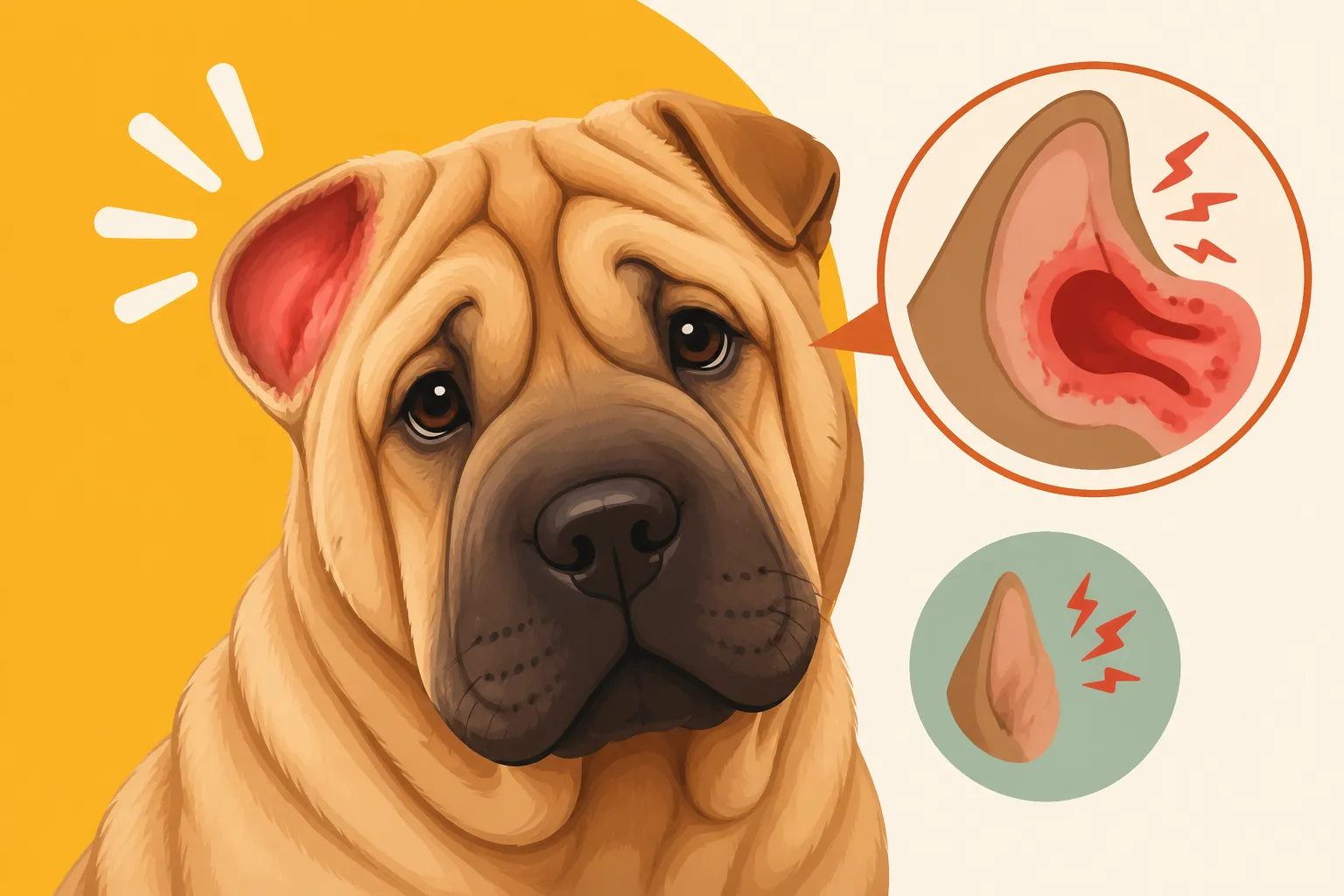
How Often a Shar Pei Gets an Ear Infection
If you're a Shar Pei owner, or considering becoming one, you've likely heard whispers, or perhaps experienced firsthand, the frustrating and often chronic battle with ear infections that many of these wonderful dogs face. It’s not just a minor inconvenience; it can be a constant source of discomfort for your beloved companion and a significant worry for you. This guide is here to shed light on just how often a Shar Pei might get an ear infection, why they are so prone to these issues, and most importantly, what you can do to manage and hopefully reduce their frequency.
Understanding the Shar Pei's Unique Ear Anatomy
The truth is, the very characteristics that make a Shar Pei so distinctive – those beautiful wrinkles and that unique head shape – unfortunately contribute directly to a heightened risk of ear problems. It's not a flaw in their character, but rather a structural predisposition that we, as their guardians, need to be acutely aware of.
The Incredibly Narrow Ear Canal
One of the most significant factors contributing to ear infections in Shar Pei is their distinctively narrow ear canal. Unlike many other breeds with wide, open ear canals that allow for good air circulation, the Shar Pei's ear canal can be incredibly constricted, almost like a tiny, winding tunnel. This anatomical quirk means that anything that gets into the ear – water, debris, or even normal ear wax – has a much harder time escaping. The lack of air movement creates a warm, moist environment that is absolutely ideal for the growth of bacteria and yeast. Think of it like a dark, damp cave where unwanted guests can thrive without much interference from the outside world. This narrowness is a key reason why a Shar Pei has the narrowest ear canals of any breed.
Deep-Set Ears and Poor Airflow
Compounding the problem of the narrow canal are the Shar Pei's deep-set ears. Their small, triangular ears lie flat against their head, covering the already constricted opening. This further traps moisture and heat within the ear, effectively creating a perfect incubator for pathogens. It's like putting a lid on that damp cave we just talked about. This design offers very little natural ventilation, which is crucial for maintaining a healthy, dry ear environment. Breeds with erect ears or ears that stand away from the head benefit from constant airflow, helping to dry out any moisture and disperse humidity. For a Shar Pei, that natural drying process simply doesn't happen.
The Role of Skin Folds Around the Ear
And then there are the wrinkles. While undeniably charming, the folds of skin around the Shar Pei's head and neck can also play a role in their ear health, albeit indirectly. These folds can create areas where moisture and debris can accumulate, and while not directly inside the ear canal, this proximity can contribute to general skin irritation and a less-than-ideal microenvironment around the ear opening. If skin fold dermatitis develops in these areas, the inflammation can extend to the ear, making an already susceptible ear even more vulnerable. This interconnectedness highlights why holistic skin care is so important for the breed, not just focusing on the ears in isolation.
Why Shar Pei Are Prone to Ear Infections
It’s not just about their ears being narrow; there’s a whole host of factors that conspire against the Shar Pei when it comes to ear health. It truly feels like the deck is stacked against them sometimes, doesn't it? Understanding these underlying causes is the first step toward effective management and prevention.
Moisture Trapping and Microclimate Formation
As we've touched upon, the Shar Pei's ear anatomy is a veritable fortress for moisture. A simple bath, a walk in the rain, or even just high humidity in the air can introduce water into their ear canal. Because the canal is so narrow and covered by their ear flap, this moisture struggles to evaporate. This creates a perpetually damp, warm, and dark "microclimate" inside the ear. Imagine trying to keep a bathroom dry and clean if it had no ventilation and was constantly damp – it would be a breeding ground for mold and mildew. The same principle applies here, but instead of mold, we're talking about bacteria and yeast like Malassezia pachydermatis, which absolutely adore these conditions. This is why it’s critical that a Shar Pei's ears should be dried after bathing, and ideally, they should avoid swimming altogether if prone to infections.
Allergies and Their Systemic Impact
Here's where things get even more complicated for our wrinkled friends. Many Shar Pei suffer from underlying allergies, often to environmental triggers like pollen, dust mites, or certain food ingredients. These allergies aren't just about itchy skin on their body; they manifest systemically, frequently causing inflammation in the ears. When an allergic reaction occurs, the skin lining the ear canal becomes inflamed, red, and swollen. This swelling further narrows the already tiny ear canal, making it even harder for air to circulate and for natural drainage to occur. This inflammatory response also alters the ear's normal protective barriers, making it easier for opportunistic bacteria and yeast to take hold. So, an ear infection in a Shar Pei is often not just an ear problem; it's a symptom of a larger allergic picture, which is why treating Food Allergies in a Shar Pei can sometimes dramatically improve ear health. Pet insurance like Healthy Paws can be invaluable for covering the investigative costs of allergy testing, which can be significant.
Genetic Predisposition to Inflammation
Beyond the structural issues, Shar Pei also have a genetic predisposition to certain inflammatory conditions, including what's known as Shar Pei Autoinflammatory Disease (SPAID), which includes Familial Shar Pei Fever. While fever episodes are the most commonly recognized symptom of SPAID, this underlying inflammatory tendency can also affect other parts of the body, including the skin and ears. The same genetic mutation that gives them their characteristic wrinkles (a duplication of the HAS2 gene, leading to excessive hyaluronic acid) also contributes to this inflammatory state. This means that a Shar Pei's body can be primed for inflammation, making them more susceptible to chronic issues like ear infections, even without an obvious external trigger. It's like their immune system is always a little bit on edge, ready to overreact, and the ears are often one of the first places to show it. This is why understanding How Copy Number Changes a Shar Pei's Risk is so important for breeders and owners alike.
Recognizing the Signs of an Ear Infection in Your Shar Pei
Early detection is key when it comes to Shar Pei ear infections. Because they can escalate quickly and cause significant pain, knowing what to look for can save your dog a lot of discomfort and potentially prevent more serious complications down the line. Sometimes, the signs can be subtle, especially with such stoic dogs.
Subtle Clues: Head Tilting and Scratching
Shar Pei, like many dogs, are experts at hiding pain. You might not see dramatic signs initially. Instead, pay close attention to subtle shifts in their behavior. Is your Shar Pei tilting their head more often, perhaps favoring one side? Are they scratching at their ears with their hind paw more frequently than usual, or rubbing their head against furniture or the floor? These seemingly minor actions are often the very first indicators that something is amiss. You might also notice them shaking their head more than usual, as if trying to dislodge something. Sometimes, the scratching is so intense it can lead to hair loss around the ear, or even broken skin, creating a secondary infection from self-trauma.
Visible Symptoms: Redness, Discharge, and Odor
As an ear infection progresses, the signs become more apparent. When you gently lift your Shar Pei's ear flap, examine the opening of the ear canal and the surrounding skin. Look for any redness or swelling, which indicates inflammation. You might notice a discharge. This can vary in color and consistency:
- Waxy, dark brown/black discharge: Often points to a yeast infection.
- Pus-like, yellow, or greenish discharge: Typically indicates a bacterial infection.
- Excessive ear wax: While normal in small amounts, an abundance of thick, dark wax can also be a sign of irritation or infection.
Perhaps the most unmistakable sign is the odor. A healthy dog's ears should have a very mild, almost neutral smell. If you detect a strong, yeasty, sweet, or foul odor coming from their ears, it's a huge red flag for an infection. Trust your nose – it's a surprisingly good diagnostic tool in this case!
Behavioral Changes Indicating Discomfort
Beyond the physical signs, observe your Shar Pei's overall demeanor. Are they suddenly more withdrawn or irritable? Do they flinch or cry out when you try to pet their head or touch their ears? This pain and discomfort can significantly alter their mood. They might also lose their appetite or seem lethargic. In more severe cases, they might even become reluctant to play or go for walks. Remember that if they're in enough pain, even a normally docile Shar Pei might snap or shy away from touch, so approach with gentleness if you suspect an infection. Any change in their typical happy-go-lucky behavior, especially combined with the other signs, warrants immediate attention.
Preventative Measures to Reduce Ear Infection Frequency
Given how prone Shar Pei are to ear infections, prevention really is worth a pound of cure. It's about being proactive and consistent, making ear care a regular part of your routine, rather than just reacting when problems arise.
Routine Ear Cleaning Protocols
This is perhaps the most crucial preventative step. Regular ear cleaning helps remove excess wax, debris, and any moisture that might have snuck in, preventing it from building up and creating that perfect breeding ground for pathogens. But 'regular' doesn't mean daily, and 'cleaning' doesn't mean digging around with cotton swabs.
- Frequency: For Shar Pei prone to infections, aim for weekly ear cleaning. If your dog is generally healthy and you're not seeing any signs, every 2-3 weeks might suffice, but always err on the side of caution. This aligns with advice on How Often a Shar Pei's Ears Need Cleaning.
- Proper Technique: Use a veterinarian-approved ear cleaning solution designed for dogs. These solutions are formulated to be gentle, to dry quickly, and often contain agents that help break down wax.
- Hold your dog's ear flap up to expose the opening of the canal.
- Gently squirt a generous amount of the cleaner into the ear canal until it's full.
- Massage the base of the ear (where it joins the head) for 30 seconds. You should hear a squishing sound as the liquid moves around. This helps loosen debris.
- Allow your dog to shake their head. This helps expel the cleaner and loosened gunk.
- Use a cotton ball or a soft tissue wrapped around your finger to gently wipe away any visible discharge and cleaner from the outer ear and the very entrance of the canal. Never insert anything deep into the ear canal itself, as this can push debris further in or damage the delicate structures inside.
- Choosing a Cleaner: Your vet can recommend the best ear cleaner for your Shar Pei. Some contain drying agents, others have antiseptic properties, and some are specific for yeast or bacteria. It's always best to get a professional recommendation.
Strategic Bathing and Drying Practices
Bathing your Shar Pei without careful attention can actually cause an ear infection. Water getting trapped in those narrow canals is a major culprit.
- Protecting Ears During Bathing: Before bathing, place large cotton balls just inside the opening of each ear canal. Don't push them too deep, just enough to form a barrier against water. Remove them immediately after the bath.
- Thorough Drying: After bathing (and after removing the cotton balls), it is absolutely paramount to dry your Shar Pei's ears thoroughly. Use a soft towel to gently blot and wipe the outer ear. For the interior, use a drying solution recommended by your vet. A low-setting hairdryer (held far away and kept moving) can also be used, but be extremely careful not to burn their delicate skin. The goal is to eliminate all moisture to prevent that damp microclimate from forming. Remember, Drying Is More Important Than Washing on a Shar Pei for overall skin health, and this extends to the ears too.
- Avoiding Moisture Traps: Be mindful of activities that might get water in their ears, like swimming. If your Shar Pei loves water, discuss protective measures and post-swim cleaning with your vet.
Addressing Underlying Allergy Issues
Since allergies are a huge contributor to ear infections in Shar Pei, addressing the root cause can significantly reduce the frequency and severity of ear problems. This is a journey, not a quick fix.
- Veterinary Consultation: If your Shar Pei suffers from recurrent ear infections (say, more than 2-3 times a year), it's highly likely allergies are playing a role. Your veterinarian will be your best ally in diagnosing and managing these.
- Allergy Testing: Your vet might recommend allergy testing (blood tests or intradermal skin tests) to identify specific environmental triggers like dust mites, pollens, or molds. Once identified, strategies can be put in place to minimize exposure.
- Dietary Trials: If food allergies are suspected, your vet may prescribe an elimination diet using a novel protein or hydrolyzed protein food. This involves feeding only the prescribed diet for 8-12 weeks, with absolutely no other treats or foods, to see if symptoms improve. This can be challenging but is often incredibly effective.
- Medications and Immunotherapy: Depending on the type and severity of allergies, your vet might recommend antihistamines, anti-inflammatory medications, or even immunotherapy (allergy shots or oral drops) to desensitize your Shar Pei to specific allergens. These approaches aim to reduce the overall inflammatory burden on their body, which in turn benefits their ear health. Knowing that pet insurance like Healthy Paws can assist with the costs of these long-term allergy treatments can provide peace of mind.
Managing and Treating Recurrent Ear Infections
Even with the best preventative care, some Shar Pei will still experience recurrent ear infections due to their unique physiology. When an infection flares up, swift and appropriate treatment is crucial. This isn't a "wait and see" situation.
Veterinary Diagnosis and Culture Importance
When your Shar Pei shows signs of an ear infection, a trip to the vet is non-negotiable. Trying to guess what kind of infection it is or using old medication can make things worse.
- Accurate Diagnosis: Your vet will use an otoscope to carefully examine the ear canal and eardrum. They'll be looking for foreign bodies, polyps, or any damage to the eardrum. This visual inspection is vital, as a ruptured eardrum requires a different approach to medication.
- Ear Cytology: The most important step your vet will take is performing an ear cytology. This involves taking a swab of the discharge, placing it on a slide, staining it, and examining it under a microscope. This allows them to identify whether the infection is caused by yeast, bacteria, or both, and sometimes even determine the specific type of bacteria (cocci or rods). This direct visual evidence guides treatment.
- Ear Culture and Sensitivity: For persistent or severe infections, especially those that don't respond to initial treatment, your vet may recommend an ear culture and sensitivity test. This involves sending a swab to a lab to grow the bacteria or yeast present and then testing which antibiotics or antifungals are most effective against that specific organism. This is particularly useful for identifying resistant strains of bacteria. Understanding What a Shar Pei's Ear Culture Costs can help you prepare for this important diagnostic step. Knowing that comprehensive pet insurance plans like those from Healthy Paws often cover diagnostics like these can be a real game-changer for budgeting.
Medication Protocols: Drops, Oral, and Beyond
Treatment for ear infections in Shar Pei typically involves a multi-pronged approach based on the cytology results.
- Topical Medications (Ear Drops): These are the cornerstone of treatment for most ear infections. Your vet will prescribe ear drops containing antibiotics, antifungals, corticosteroids (to reduce inflammation and pain), or a combination of these. It's crucial to administer these drops exactly as prescribed for the full duration, even if the ear looks better after a few days. Stopping early is a common reason for recurrence. Remember that consistent, proper application is key.
- Oral Medications: For more severe or deep-seated infections, or if the infection is particularly painful and widespread, oral antibiotics or antifungals may be prescribed in addition to drops. Oral corticosteroids might also be used short-term to reduce intense inflammation throughout the ear canal.
- Pain Management: Ear infections are painful. Your vet may prescribe pain relief medication to make your Shar Pei more comfortable during treatment, which can also make them more cooperative with ear cleaning and drop application.
- Professional Ear Cleanings: In some cases, especially if the ear canal is packed with debris, your vet might recommend a professional ear cleaning, often performed under sedation. This allows for a thorough flushing of the ear canal, removing all the gunk that topical medications might struggle to penetrate.
The Role of Diet and Supplements
While not a direct treatment for an active infection, diet and certain supplements can play a supportive role in overall ear health and reducing recurrence, especially when allergies are a factor.
- Allergy-Friendly Diets: If food allergies are suspected or confirmed, switching to a prescription hydrolyzed protein or novel protein diet can significantly reduce systemic inflammation, which in turn can lead to fewer ear infections. It’s important to commit fully to these diets, avoiding all other treats or human foods.
- Omega-3 Fatty Acids: Supplements rich in Omega-3 fatty acids (like fish oil) have anti-inflammatory properties that can help support skin and coat health, including the skin lining the ear canal. This can help reduce the severity of allergic reactions and general inflammation. Always consult your vet for appropriate dosing.
- Probiotics: A healthy gut microbiome can influence overall immune function and reduce allergic responses. While not a cure, a high-quality probiotic supplement might offer additional support, particularly for Shar Pei with chronic issues.
When to Seek Veterinary Expertise for Ear Issues
Knowing when a home remedy or basic cleaning isn't enough is vital for your Shar Pei's well-being. There are specific situations where only a veterinarian, and sometimes a specialist, can provide the necessary intervention. Ignoring these signs can lead to chronic pain, hearing loss, and even permanent damage.
Persistent or Worsening Symptoms
If you’ve been diligently cleaning your Shar Pei's ears, and following your vet’s instructions for treatment, but the symptoms aren’t improving – or worse, they're getting more severe – it’s time to head back to the clinic. This is especially true if:
- The discharge changes: Becomes heavier, foul-smelling, or different in color.
- Pain increases: Your dog becomes more sensitive, vocalizes when touched, or refuses to have their head handled.
- Head tilt or head shaking intensifies: This can indicate deeper infection or severe discomfort.
- New symptoms appear: Such as swelling around the ear, signs of neurological issues like loss of balance, or facial drooping, which could point to a middle or inner ear infection.
A lack of response to treatment usually means the initial diagnosis or medication wasn't quite right, perhaps due to a resistant bacterial strain or an undiagnosed underlying issue. This is when an ear culture and sensitivity test becomes crucial, to ensure the correct medication is being used.
Evaluating for Ear Canal Narrowing or Closure
For Shar Pei with chronic, severe, and recurrent ear infections, the constant inflammation can lead to irreversible changes within the ear canal. The lining of the ear canal can thicken and calcify, causing it to permanently narrow. This condition, known as chronic proliferative otitis externa, makes it almost impossible for air to circulate or for medication to penetrate effectively. Your vet will monitor for these changes during regular exams. They might perform an otoscopic exam or even recommend sedation for a more thorough look into the ear canal. In extreme cases, the ear canal can even close over entirely. This is a very serious complication and understanding When a Shar Pei's Ear Canal Closes Over is important for predicting long-term outcomes.
Considering Surgical Interventions
When medical management consistently fails, or if the ear canal has become irreversibly damaged and closed, surgery may be the only option to provide relief and improve your Shar Pei's quality of life. This is a significant decision and one that should be discussed thoroughly with your veterinarian, and possibly a veterinary specialist (dermatologist or surgeon).
- Lateral Ear Resection: This procedure involves removing a portion of the vertical ear canal to improve airflow and drainage. It's less invasive than a full ear canal ablation but is only suitable for specific cases where the disease is limited to the outer part of the canal.
- Total Ear Canal Ablation (TECA) with Bulla Osteotomy: This is a drastic, but often life-changing, surgery for dogs with end-stage chronic ear disease. It involves removing the entire ear canal and often opening the bony bulla (the middle ear cavity) to remove any infected tissue. This surgery effectively eliminates the problematic ear canal, preventing future infections. While the dog will lose hearing in the affected ear, the relief from chronic pain and infection is usually immense. Owners often report a dramatic improvement in their dog's temperament and overall happiness post-surgery. However, it is an expensive and complex procedure. Knowing What Ear Canal Surgery Costs on a Shar Pei emphasizes the importance of budgeting for pet care, and how pet insurance from companies like Healthy Paws can help cover these substantial veterinary bills.
A Shar Pei Ear Infection Severity and Frequency Table
To give you a clearer picture of what to expect and when to act, here's a quick overview of ear infection severity, common frequency, and recommended actions for a Shar Pei.
| Severity Level | Common Frequency (without intervention) | Typical Signs | Recommended Action |
|---|---|---|---|
| Mild/Occasional | 1-2 times per year | Slight head shaking, mild scratching, light reddishness, faint odor. | Routine cleaning, monitor closely. Vet visit if persistent. |
| Moderate/Regular | 3-4 times per year | Increased head shaking/scratching, noticeable redness/swelling, waxy/dark discharge, distinct odor. | Prompt vet visit for cytology & targeted ear drops. Assess for allergies. |
| Severe/Chronic | 5+ times per year, or persistent despite treatment | Intense pain, constant scratching/rubbing, thick/pus-like discharge, strong foul odor, behavioral changes, ear canal thickening. | Immediate vet visit, likely culture & sensitivity, oral meds, ongoing allergy management. Specialist referral for surgical options. |
It's clear that with Shar Pei, "how often" they get an ear infection can range from an occasional bother to a constant, painful struggle. But with vigilance, proactive care, and timely veterinary intervention, you can significantly reduce the impact of these frustrating issues and help your beautiful, wrinkled companion live a much more comfortable life.
Disclaimer
The information provided in this article is for educational purposes only and is not intended as a substitute for professional veterinary advice. Always consult with your veterinarian regarding any health concerns or before making any decisions about your pet's medical care.


