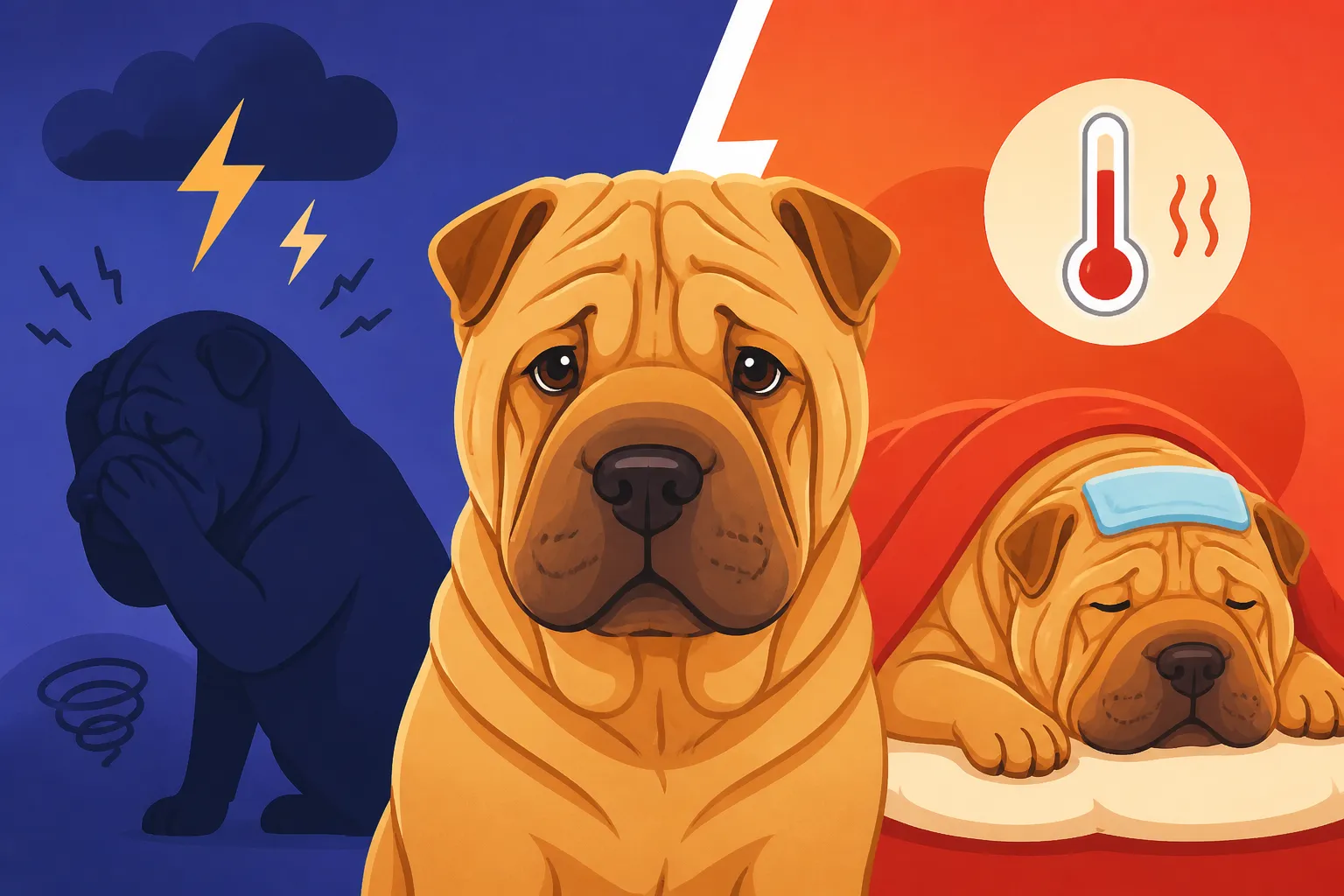
Whether Stress Sets Off a Shar Pei’s Fever
It's heartbreaking to see your beloved Shar Pei suffer, and when a fever strikes, every owner wants to pinpoint the cause. You might be wondering if that recent move, a stressful vet visit, or even just a noisy day contributed to your wrinkly friend feeling unwell. The truth about stress and Shar Pei fever is more nuanced than a simple cause-and-effect, and understanding it can help you provide the best possible care for your unique companion.
Understanding Familial Shar Pei Fever (FSF) and Its Triggers
Let's first get to the core of what Shar Pei fever actually is, because it’s often misunderstood. This isn't your everyday viral or bacterial infection that spreads from dog to dog. Familial Shar Pei Fever (FSF) is a hereditary, inflammatory condition specific to the breed, and it's something every Shar Pei owner needs to be intimately familiar with.
The Genetic Link: How Wrinkles and Fever Connect
The characteristic wrinkles that make our Shar Pei so endearing are actually at the heart of their unique health challenges, including FSF. There’s a specific genetic mutation involving a duplication of the HASA3 gene, which is responsible for producing hyaluronic acid. This compound is what gives the Shar Pei its famously loose, wrinkled skin. Unfortunately, too much hyaluronic acid in the wrong places can lead to systemic inflammation. Think of it as a natural predisposition for the body to overreact to certain stimuli, leading to a cascade of inflammatory responses. This means that One Mutation Gave the Shar Pei Its Wrinkles and Its Fever, a connection that sheds light on many of the breed's health quirks.
Because this condition is rooted in genetics and an inflammatory response, it's crucial to understand that Familial Shar Pei Fever Is Not an Infection. While a secondary infection can occur when a dog is weakened by a fever, the fever itself isn't contagious. It's an internal inflammatory storm, often characterized by a sudden spike in body temperature, lethargy, and sometimes swelling in the hocks. This genetic predisposition means that even without an obvious external trigger, an episode can occur, which can be incredibly frustrating and frightening for owners.
Common Known Triggers for FSF Episodes
While FSF isn't caused by germs, certain factors are well-known to set off an episode in genetically predisposed Shar Pei. These are typically environmental or physiological stressors that kick the dog's inflammatory system into overdrive.
One of the most frequently reported triggers is vaccination. Many Shar Pei owners observe a fever episode within 24-48 hours after routine vaccinations, even if the vaccine type has been well-tolerated before. This isn't a true allergic reaction, but rather the immune system overreacting to the vaccine itself. Discussing a modified vaccination schedule with your vet is often a wise approach for Shar Pei. Similarly, any kind of physical injury or surgery can act as a trigger, as the body's natural healing and inflammatory response can tip the scales towards an FSF episode.
Changes in routine or environment, such as moving to a new home, kennel stays, or even the introduction of a new pet, are also commonly implicated. These situations create a baseline level of stress and arousal that, combined with the underlying genetic predisposition, can be enough to spark a fever. Illnesses, even minor ones like a stomach upset or skin infection, can also trigger FSF. The body is already fighting something, and the added inflammation can be too much. It's important to remember that heat can also be a significant trigger for these dogs; their body temperature regulation can be sensitive. When your Shar Pei spikes a fever, it's a very distinct set of symptoms. If you're wondering What a Shar Pei Fever Episode Looks Like, you'll often observe a temperature over 103°F (39.4°C), extreme lethargy, loss of appetite, and sometimes a noticeable swelling and pain in the hocks (ankles). Knowing What to Do When a Shar Pei Spikes a Fever is critical for swift action and comfort.
The Role of Stress in Shar Pei Fever: More Nuance Than Direct Cause
Now, let's dive into the core question: does stress cause Shar Pei fever? The answer isn't a simple yes or no, but rather a more complex interaction. While stress might not be the direct trigger in the same way a vaccine might be, it absolutely plays a significant role as an exacerbating factor.
Stress as a General Immune Suppressor and Amplifier
In any living being, prolonged or intense stress can have a profound impact on the immune system. When a dog experiences stress, its body releases hormones like cortisol, which are designed for short-term "fight or flight" responses. However, chronic or repeated exposure to these hormones can suppress the immune system, making the body more susceptible to illness. For a Shar Pei, whose immune system is already prone to overreacting in an inflammatory way due to their unique genetics, this immune dysregulation from stress can be particularly problematic.
Think of it this way: the Shar Pei's body is already walking a tightrope of inflammation. When stress enters the picture, it's like someone giving that tightrope a nudge. While the nudge itself might not directly cause the fall (the fever), it certainly makes a fall more likely. The body, trying to cope with the demands of stress, may not be able to effectively manage its inherent inflammatory tendencies. So, while stress doesn't directly initiate the genetic inflammatory cascade, it can certainly lower the threshold at which that cascade is activated or amplify its severity. This is why many owners observe a connection, even if it's not a neat, one-to-one cause. It's more about stress making the dog's internal environment more hospitable to an FSF episode.
Behavioral Manifestations and Stress-Related Triggers
It’s often through observing our Shar Pei's behavior that we start to connect the dots between stress and fever. Many owners will recount stories where a stressful event preceded a fever, and their observations are valid. Common stress-related situations that might precede a fever include:
- Veterinary Visits: Even for a well-socialized Shar Pei, a trip to the vet can be daunting. The car ride, strange smells, unfamiliar dogs, and invasive examinations can all cause significant anxiety.
- Travel and New Environments: Being in a car for extended periods, staying in a hotel, or boarding at a kennel can be highly stressful. Their routine is disrupted, and they're exposed to many new stimuli.
- Loud Noises: Thunderstorms, fireworks, construction, or even a particularly boisterous household can cause acute stress.
- Changes in Household Dynamics: The arrival of a new baby, another pet, or even a houseguest can upset a Shar Pei's sense of normalcy and routine, leading to anxiety.
- Separation Anxiety: Shar Pei can be very bonded to their chosen person, and severe separation anxiety can manifest as chronic stress, leading to a general decline in well-being and potentially contributing to a fever episode.
When these situations occur, it's not that the stress is the fever, but rather that the physiological changes brought on by the stress might lower the dog's resistance or prime their inflammatory system for an FSF episode. This is precisely why the question of Whether Stress Sets Off a Shar Pei's Fever is so relevant for owners. It’s an indirect link, but an important one to consider when trying to manage their overall health. Keeping a detailed log of these events is highly beneficial. Knowing What a Shar Pei Owner Should Keep a Fever Log can help you and your vet identify patterns, whether they relate to vaccinations, injuries, or periods of significant stress.
Managing Stress to Support Your Shar Pei's Health
Given the potential for stress to contribute to FSF episodes and generally impact your Shar Pei's well-being, proactive stress management becomes a crucial part of their care routine. It's about creating a safe, predictable, and calm world for them.
Creating a Stable and Predictable Environment
One of the best ways to reduce stress for any dog, especially a Shar Pei prone to FSF, is to provide a consistent and predictable environment. Dogs thrive on routine, and a Shar Pei, with their often independent and sometimes wary nature, particularly benefits from knowing what to expect.
Establish a regular schedule for feeding, walks, and playtime. This consistency helps them feel secure and reduces anxiety about the unknown. Ensure they have a designated quiet space where they can retreat when they feel overwhelmed, perhaps a cozy crate or a bed in a low-traffic area of the house. This sanctuary should always be respected by everyone in the household. Remember that How a Shar Pei Copes Alone is often directly linked to their sense of security in their environment. Providing a comfortable, safe space is even more critical if they are left alone for periods. Also, consider their inherent nature; A Shar Pei Was Bred to Guard, Not to Greet, meaning they often prefer a quieter, more controlled social environment rather than constant new introductions or chaotic energy. Minimizing surprises and respecting their boundaries goes a long way.
Proactive Stress Reduction Techniques
Beyond a stable environment, there are specific techniques and tools you can use to help your Shar Pei cope with unavoidable stress or to generally maintain a lower stress baseline.
Desensitization and Counter-Conditioning: For known stressors like vet visits or car rides, gradual desensitization and counter-conditioning can be incredibly effective. This involves slowly introducing the stressor in a controlled way, pairing it with positive experiences like high-value treats or praise. For example, practicing short car trips that end with a fun activity, or simply visiting the vet's office for a treat without an exam.
Calming Aids: Your veterinarian might recommend certain calming supplements or pheromone diffusers. Products like Adaptil, which mimics natural dog appeasing pheromones, can create a more calming atmosphere. Herbal supplements containing ingredients like L-theanine or chamomile are also options, but always discuss these with your vet before introducing them. They can advise on appropriate dosages and potential interactions, especially if your Shar Pei is on medication for FSF or other conditions. These aids can be helpful during periods of anticipated stress, such as holiday gatherings or moving. When considering the comprehensive costs of owning a Shar Pei, from daily care to potential health issues, having robust pet insurance like Healthy Paws can provide peace of mind, especially when unexpected vet visits for stress-related issues or FSF flare-ups arise. It’s a worthwhile discussion to have early in your ownership journey.
Enrichment: Mental and physical enrichment helps burn off energy and provides positive outlets. Puzzle toys, regular walks, and engaging training sessions can reduce boredom and anxiety. Remember, The First Year With a Shar Pei Puppy is a critical time for positive exposure and building resilience to various stimuli, setting the foundation for a calmer adult dog.
Identifying and Mitigating Individual Stressors
Every Shar Pei is an individual, and what stresses one dog might not bother another. The key is to become a keen observer of your own dog's unique body language and responses.
Pay close attention to subtle cues: a slight shift in ear position, a tight mouth, excessive lip-licking, yawning when not tired, or a tucked tail can all signal discomfort or anxiety. Keep a journal of your observations. When does your dog seem most relaxed? What situations make them tense up? Does a certain person, sound, or activity consistently precede anxious behavior? Once you identify these individual triggers, you can work to mitigate them. For example, if your Shar Pei gets anxious when guests arrive, you might have them wait in their quiet space with a favorite chew toy until the house calms down. If they dislike loud noises, consider calming music or a "safe room" during thunderstorms. The more you understand your Shar Pei's specific sensitivities, the better equipped you'll be to create an environment that minimizes their stress and, by extension, potentially reduces the frequency or severity of FSF episodes.
When to Seek Veterinary Advice for Fever and Stress
While managing stress and maintaining a predictable environment are crucial for a Shar Pei's overall health, it’s vital to know when to bring in the professionals. Familial Shar Pei Fever is a serious condition that requires veterinary oversight, and chronic stress can exacerbate it.
Recognizing the Signs of a Fever Episode
Knowing the signs of an FSF episode is paramount for any Shar Pei owner. As mentioned, the classic presentation includes a sudden spike in body temperature, often above 103°F (39.4°C), accompanied by profound lethargy. Your dog might seem unusually tired, uninterested in food or play, and may seek solitude. Other common signs include a swollen muzzle or hocks (the ankle-like joints on their hind legs), which might appear warm to the touch and be painful. Your dog might limp or refuse to put weight on the affected leg. Sometimes, there's also mild abdominal pain or discomfort.
It’s tempting to try to manage mild symptoms at home, but given the serious nature of FSF and its potential long-term complications, it's generally best to consult your veterinarian whenever your Shar Pei shows signs of a fever. A fever left unchecked can lead to dehydration and discomfort, and more importantly, repeated or severe FSF episodes are linked to the development of amyloidosis, a debilitating condition where abnormal proteins accumulate in organs, most commonly the kidneys. You might wonder Whether a Shar Pei's Fever Needs a Vet Every Time. While some experienced owners might handle very mild, quickly resolving fevers at home with veterinary guidance, it's always safer to err on the side of caution and get professional advice, especially for puppies or severe episodes.
Discussing Stress Management with Your Vet
Your veterinarian isn't just there for emergencies; they are your primary partner in your Shar Pei's holistic health plan. This includes discussing stress management strategies. If you've observed a pattern between stressful events and fever episodes, share this information with your vet. They can help you differentiate between general anxiety and potential FSF triggers.
Your vet can recommend specific calming supplements, prescribe anti-anxiety medications if stress is severe and negatively impacting your dog's quality of life, or refer you to a veterinary behaviorist for more intensive support. They will also be the ones to guide you through appropriate fever management, which often involves NSAIDs (non-steroidal anti-inflammatory drugs) to bring the fever down and manage pain. In cases of chronic FSF, some vets may discuss the preventative use of medications like colchicine, which can help reduce the frequency and severity of episodes. Understanding Whether Colchicine Helps a Shar Pei is a conversation best had with your vet, weighing the benefits against potential side effects. A holistic approach that addresses both the physical symptoms of FSF and the underlying stress factors will give your Shar Pei the best chance at a happy, healthy life.
| Potential Stressor | Observable Signs of Stress in Shar Pei | Management Strategies |
|---|---|---|
| New Environments/Travel | Pacing, panting, drooling, whining, hiding, refusing food, diarrhea | Gradual exposure, positive reinforcement, calming aids, designated safe space, familiar items (blankets, toys) |
| Loud Noises | Trembling, hiding, clinginess, barking, destructive behavior | Sound-proofing, safe den area, calming music, thundershirts, vet-prescribed anti-anxiety medication |
| Changes in Routine/Household | Destructive chewing, house-soiling, loss of appetite, lethargy, irritability | Maintain consistency, provide extra attention/enrichment, gradual introductions to new elements, pheromone diffusers |
| Vet Visits/Grooming | Shaking, fear biting, resistance to handling, submissive urination | Positive reinforcement for handling, desensitization to clinic/groomer, muzzle training, vet-prescribed sedatives |
| Separation Anxiety | Excessive barking/howling, destructive behavior, escape attempts, self-harm | Gradual alone-time training, enrichment, professional behaviorist, vet-prescribed medication if severe |
| Pain/Illness (underlying) | Licking body parts, restlessness, guarding, changes in gait, appetite loss | Prompt veterinary diagnosis and treatment of underlying issue, pain management, comfortable resting areas |
Disclaimer
This article is for general informational purposes only and does not constitute professional advice. Laws, prices and regulations vary by location and change over time. Consult a qualified professional for guidance on your specific situation.


