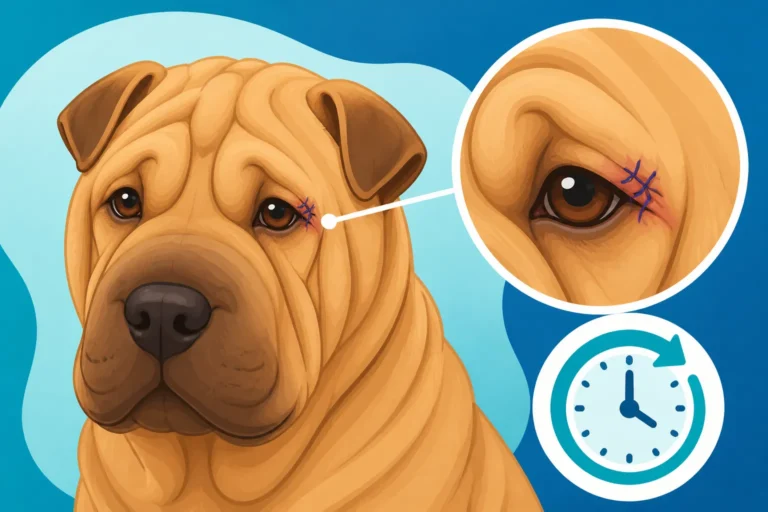
Whether Apoquel Suits a Shar Pei
Few things are as heartbreaking for a Shar Pei owner as watching your beloved wrinkly companion constantly scratch, chew, and rub themselves raw, day in and day out. That incessant itching can make their lives miserable, lead to nasty skin infections, and leave you feeling utterly helpless as you try one remedy after another with little success. This guide is dedicated to exploring Apoquel, a medication often considered a game-changer for canine allergic itch, and whether it’s truly a suitable and safe option for your unique Shar Pei.
The Itchy Reality: Understanding Shar Pei Skin Woes
Let's be honest, living with a Shar Pei means you're almost certainly going to become intimately familiar with their skin. It's one of their most distinctive features, but also, unfortunately, their biggest vulnerability. The constant battle against itching isn't just an annoyance; it's a profound quality of life issue for these dogs, and a source of immense stress for their devoted humans.
The Root Causes of Shar Pei Itching
When your Shar Pei is itching, it's rarely a simple matter. Their unique physiology makes them prone to a whole host of dermatological challenges. The most common culprit behind that relentless scratching is allergic dermatitis. This can break down into a few main categories. First, environmental allergies, also known as atopic dermatitis, where pollen, dust mites, molds, and even certain grasses can trigger a histamine response that sends their skin into a frenzy. Just imagine constantly feeling itchy, but you can't articulate why, or even truly understand the source. It’s a misery. You might notice that Whether a Shar Pei's Itching Is Seasonal which points towards environmental triggers.
Then there are food allergies. While often confused with food sensitivities, a true food allergy involves an immune response to specific protein sources like chicken, beef, or dairy. This can manifest as relentless itching, ear infections, or gastrointestinal upset. It's an absolute puzzle trying to pinpoint the exact ingredient. Additionally, Shar Pei are not immune to parasitic invaders. Demodectic mange, for instance, caused by mites that live naturally in hair follicles, can flare up, especially in younger or immunocompromised dogs, leading to localized or generalized hair loss and itch. If you suspect this, look for Signs a Shar Pei Has Demodex. Beyond allergies and parasites, their deep folds create perfect breeding grounds for bacteria and yeast, leading to fold dermatitis, which itself is incredibly irritating. It truly feels like their skin is constantly fighting against itself.
The Cycle of Itch and Infection
The problem with constant itching is that it's rarely just itching. When a Shar Pei scratches, licks, or chews at their skin, they inevitably break the skin barrier. This creates tiny abrasions, hot spots, and open wounds, which are then ripe for secondary bacterial and yeast infections. You've probably seen it: what starts as a mild itch quickly escalates into red, inflamed patches, greasy or crusty skin, and an unpleasant odor that no amount of bathing seems to fully resolve. That cycle of itch-scratch-infection-itch is incredibly frustrating to break. It's a vicious spiral that severely impacts their comfort and overall health.
You might notice distinct changes in their skin's texture, color, or even how it feels to the touch long before their behavior fully indicates discomfort. What a Shar Pei's Skin Tells You Before Its Behavior Does is something every owner learns, often through trial and error. These secondary infections then exacerbate the itching, making your dog even more miserable. It's not uncommon for a Shar Pei with unchecked allergies to develop chronic ear infections or even full-blown Whether a Shar Pei Gets Hot Spots, which are excruciatingly painful. The costs associated with managing these recurrent issues can really add up, making you wonder what reliable solution exists.
Apoquel for Shar Pei: A Deep Dive into This Targeted Treatment
When you've tried everything – special shampoos, dietary changes, antihistamines – and your Shar Pei is still scratching themselves raw, the conversation often turns to more targeted medications. Apoquel is one such medication that has brought significant relief to many dogs and their owners.
How Apoquel Works Its Magic
Apoquel, whose generic name is oclacitinib maleate, isn't just another anti-inflammatory steroid. It's a selective Janus kinase (JAK) inhibitor. Now, that's a mouthful, but what it means in plain English is that it specifically targets the pathways in your dog's body responsible for transmitting the itch signal to the brain, and also some of the inflammatory responses associated with allergic skin conditions. Think of it like a very precise switch that turns off the itch mechanism at a cellular level, without many of the broader, systemic side effects often seen with traditional corticosteroids like prednisone.
Instead of broadly suppressing the immune system or reducing inflammation everywhere, Apoquel is much more focused. It goes directly to the source of the allergic itch. For many Shar Pei, this means a much faster and more complete relief from itching, often within hours or a day, which feels like a miracle when you've been battling constant scratching for weeks or months. It's specifically designed to address the symptoms of allergic dermatitis, providing a significant improvement in your dog's quality of life without the weight gain, increased thirst and urination, or long-term organ strain that steroids can cause.
Is Apoquel a Good Fit for Your Wrinkly Friend?
Deciding whether Apoquel is right for your Shar Pei really starts with an accurate diagnosis from your veterinarian. Apoquel is primarily indicated for the control of pruritus (itching) associated with allergic dermatitis, including atopic dermatitis and allergic reactions related to food. It's not a cure for allergies, but a very effective manager of the symptoms. If your Shar Pei's itching is definitively linked to environmental or food allergies, Apoquel can be a fantastic option.
It’s crucial to rule out other causes of itching, such as parasitic infestations like scabies or demodex, bacterial or yeast infections, or even underlying systemic illnesses, before starting Apoquel. A good vet will likely run some diagnostic tests, perhaps skin scrapings, cytology, or even suggest an Whether a Shar Pei Needs an Elimination Diet if food allergies are suspected. Once allergic dermatitis is confirmed, Apoquel offers a path to rapid relief. Many owners report seeing a dramatic change in their dog's comfort levels almost immediately. Imagine your constantly agitated, itchy Shar Pei finally being able to relax, sleep soundly, and just be a dog again. That peace is invaluable. Of course, managing ongoing medications can be a concern. Many pet insurance plans, like those offered by Healthy Paws, can help alleviate the financial burden of chronic conditions, potentially covering a significant portion of the cost of long-term medications like Apoquel, as well as diagnostic tests and vet visits.
Dosage, Administration, and What to Expect
Apoquel is an oral tablet, generally given twice a day initially, then often reduced to once a day for maintenance, depending on your dog's response and your vet's recommendation. The dosage is based on your Shar Pei’s weight. It’s really important to follow your veterinarian's instructions precisely and not to alter the dose or frequency without their guidance. These tablets are usually quite palatable, which is a huge relief for owners who've struggled to get their dogs to take medication. You can often give it directly or hide it in a small treat.
Most dogs experience significant itch relief within 4 to 24 hours of the first dose. This quick response is one of the reasons it's so highly regarded for managing acute flare-ups. Within a few days, you should see a substantial reduction in scratching, licking, and chewing, which then allows the skin to heal from any secondary damage. Remember, while Apoquel stops the itch, it doesn't treat any secondary bacterial or yeast infections that might have developed. Your vet will likely prescribe antibiotics or antifungals alongside Apoquel initially to clear up any existing infections, ensuring a fresh start for your Shar Pei's skin. Consistency is key with Apoquel; skipping doses can lead to a return of the itch. It's not a "when needed" medication for most chronic cases.
Navigating the Downsides and Long-Term Considerations
While Apoquel has been a true blessing for countless itchy dogs, it's not without its considerations. Every medication comes with potential side effects, and it's important for Shar Pei owners to be fully informed to make the best decisions for their pets' long-term health.
Potential Side Effects and Monitoring
The most commonly reported side effects with Apoquel are usually mild and temporary, including vomiting, diarrhea, and lethargy. These often occur within the first few days of treatment and tend to resolve as your dog adjusts to the medication. However, because Apoquel works by modulating the immune system (specifically the JAK pathway, which is involved in immune responses), there's a theoretical concern about immune suppression, especially with long-term use. This can potentially make dogs more susceptible to certain infections or the development of benign skin growths like papillomas.
While the immune suppression is generally considered less severe than with long-term steroid use, it's still a factor that needs monitoring. Your veterinarian will typically recommend regular check-ups and blood work, especially during the first year of treatment and then annually. These blood tests help monitor organ function and blood cell counts to catch any potential issues early. For many owners, the dramatic improvement in quality of life outweighs these potential risks, but it's a conversation you need to have openly with your vet. The ongoing cost of medication and these regular vet visits for monitoring can add up, but knowing that a comprehensive pet insurance plan from providers like Healthy Paws could cover a portion of What a Shar Pei's Skin Medication Costs Yearly and routine check-ups offers a reassuring safety net.
Beyond Apoquel: A Holistic Approach to Shar Pei Skin Health
It’s vital to remember that Apoquel is a management tool for the symptoms of allergic dermatitis, not a cure for the underlying allergies. While it's incredibly effective at stopping the itch, true long-term skin health for your Shar Pei often requires a multi-faceted, holistic approach. Think of Apoquel as your main defensive player, but you still need a strong supporting cast.
This includes identifying and minimizing exposure to environmental allergens where possible, which can be tough. If food allergies are at play, a carefully managed, appropriate diet is paramount. This might involve a specific prescription hypoallergenic diet or a novel protein diet after a thorough elimination trial. Without addressing the dietary component, your Shar Pei might still experience flare-ups, even on Apoquel. You might even discover that Whether a Shar Pei Needs an Elimination Diet to truly pinpoint the culprit.
Topical therapies also play a huge role. Medicated shampoos, conditioners, and wipes can help manage bacterial and yeast overgrowth, soothe inflamed skin, and support the skin barrier. Depending on the severity and type of skin issue, your vet might recommend specific ingredients or a particular bathing frequency. For many Shar Pei, maintaining a regular bathing schedule with appropriate products is non-negotiable, especially for managing fold dermatitis. Knowing How Often a Shar Pei Should Be Bathed With Skin Disease is key to preventing secondary infections. Supplements like omega-3 fatty acids (fish oil) can also support skin barrier health and reduce inflammation from the inside out. Ultimately, managing a Shar Pei’s skin health is an ongoing commitment, and What a Shar Pei's Skin Costs a Year is a significant consideration, making a holistic strategy both medically sound and often more cost-effective in the long run.
Here's a quick comparison of common itch relief options for your Shar Pei:
| Treatment Type | Mechanism of Action | Speed of Relief | Common Side Effects | Long-Term Use Suitability | Best For |
|---|---|---|---|---|---|
| Apoquel (Oclacitinib) | Selectively inhibits itch/inflammation pathways | Very fast (hours-day) | Vomiting, diarrhea, lethargy, immune modulation | Good, with monitoring | Allergic dermatitis (atopy, food allergies) |
| Corticosteroids (Prednisone) | Broad anti-inflammatory/immunosuppressive | Fast (1-2 days) | Increased thirst/urination, appetite, panting, organ strain | Short-term, acute flares | Severe, acute allergic reactions |
| Antihistamines (e.g., Benadryl) | Block histamine receptors | Variable, often mild | Sedation | Limited effectiveness | Mild, seasonal allergies (individual response varies) |
| Cytopoint (Lokivetmab) | Injectable antibody targets specific itch cytokine | Fast (1-2 days) | Rare, generally well-tolerated | Good, for specific allergies | Atopic dermatitis only |
| Allergy Immunotherapy (Allergy Shots/Drops) | Desensitization to specific allergens | Slow (months) | Rare, mild reaction at injection site | Excellent, long-term relief | Specific environmental allergies (diagnosed by testing) |
| Topical Therapies (Shampoos, Wipes) | Soothe, treat secondary infections, support barrier | Immediate, local | Skin irritation (rare) | Ongoing maintenance | Secondary infections, fold dermatitis, skin barrier support |
Disclaimer
Please remember, the information provided here is for educational purposes only and is not a substitute for professional veterinary advice. Always consult with your veterinarian regarding any health concerns or before making any decisions about your Shar Pei's medical care.