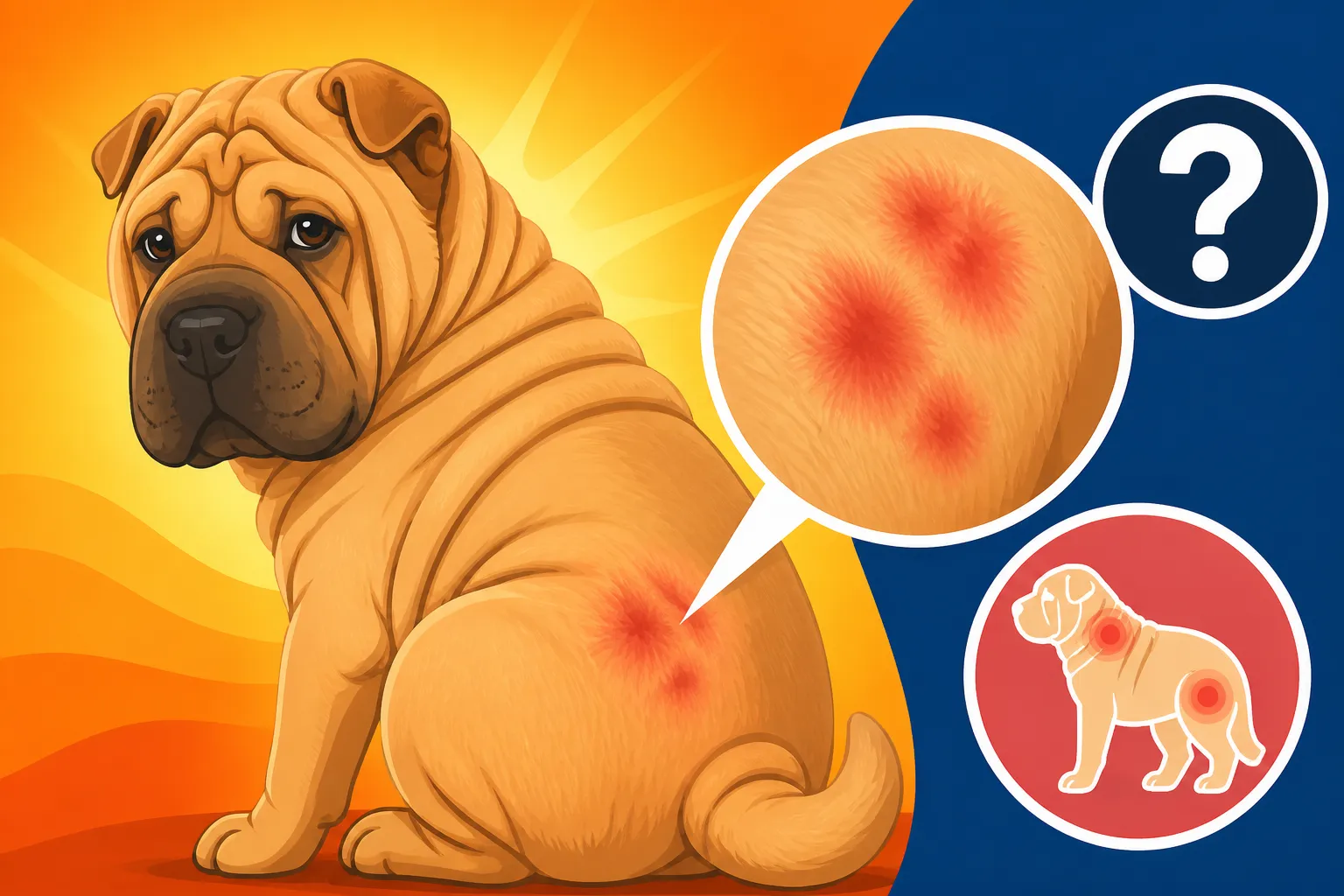
Whether a Shar Pei Gets Hot Spots
As Shar Pei owners, we often feel like we're constantly on high alert for new skin woes, and it’s incredibly disheartening when a tiny scratch or seemingly innocuous irritation suddenly morphs into a large, oozing, painful lesion overnight. These rapidly developing inflamed areas, known as hot spots, are a common and frustrating challenge. This comprehensive guide will walk you through what hot spots are, why our beloved wrinkled companions are so susceptible, how to recognize them quickly, and the best approaches for both immediate relief and long-term prevention.
Understanding Hot Spots in Shar Pei Skin
The unique skin of a Shar Pei, while incredibly charming, also makes them particularly prone to a host of dermatological issues. Among these, hot spots stand out for their sudden appearance and distressing severity.
What Exactly is a Hot Spot?
A hot spot, medically known as acute moist dermatitis or pyotraumatic dermatitis, is essentially a localized skin infection that develops very rapidly. It begins when an initial irritant – be it an insect bite, an allergic reaction, or even just persistent dampness – causes your Shar Pei to start licking, scratching, or chewing at a specific area of their skin. This self-trauma quickly breaks the skin barrier, allowing bacteria (often naturally present on the skin) to invade.
The area becomes intensely itchy, red, and inflamed. What makes hot spots so distinct is the rapid progression; within a matter of hours, a small, irritated patch can expand into a large, painful, weeping lesion that is often matted with a sticky, serous discharge. The constant licking and biting create a vicious cycle, trapping moisture and further encouraging bacterial growth, which in turn intensifies the itch and perpetuates the trauma. It’s a truly miserable experience for our dogs, and a worrying sight for us.
Why Shar Pei Are Particularly Prone
Our Shar Pei's signature wrinkles and dense coat, while endearing, unfortunately, create a perfect storm for hot spots to thrive. The deep skin folds, especially around the face, neck, and tail, can trap moisture and heat, creating an ideal breeding ground for bacteria and yeast. This lack of air circulation means that even a minor skin irritation can quickly escalate. Imagine how uncomfortable it would be to have perpetually damp skin folds – it’s an open invitation for trouble.
Beyond the physical structure, many Shar Pei are predisposed to underlying allergies, both environmental and food-related. These allergies manifest as generalized itching, which can then lead to obsessive licking or scratching in one spot, initiating a hot spot. For example, a Shar Pei with Food Allergies in a Shar Pei might constantly lick their paws or belly, which can trigger a hot spot if not addressed. Furthermore, some Shar Pei may also have compromised immune systems, such as IgA deficiency, making them less capable of fending off skin infections effectively. This means that a minor skin insult that another breed might shake off can become a full-blown crisis for a Shar Pei.
Differentiating Hot Spots from Other Skin Issues
It's easy to confuse a hot spot with other common Shar Pei skin problems, but recognizing the key differences is crucial for effective treatment. The defining characteristic of a hot spot is its acute, rapid onset and intensely moist, oozing appearance. Unlike chronic conditions such as Skin Fold Dermatitis on a Shar Pei, which tends to be a persistent, smoldering inflammation within the skin folds, a hot spot appears almost out of nowhere on a seemingly healthy patch of skin. Skin fold dermatitis, while also bacterial or yeast-driven, is caused by friction and moisture in the folds themselves, and though it can be intensely itchy and foul-smelling, it usually doesn't have the same aggressive, weeping quality of a classic hot spot, at least initially.
Another condition, Whether a Shar Pei Gets Demodectic Mange, presents as patchy hair loss, redness, and sometimes scaling, but typically lacks the intense moisture and rapid spread of a hot spot. While demodex can be itchy, it's not usually characterized by the same localized, aggressive self-trauma that defines a hot spot. A puffy Shar Pei puppy might also have What Cutaneous Mucinosis Is, which involves fluid-filled blisters or "bubbles" in the skin, a very different presentation. Paying close attention to how quickly the lesion develops, its texture (wet vs. dry, bumpy vs. smooth), and its specific location can help you and your vet narrow down the diagnosis. Remember, the location of a hot spot is often on an area easily reachable by your dog's mouth or paws, like the hips, flank, neck, or base of the tail.
Recognizing the Signs and Symptoms of a Hot Spot
Spotting a hot spot early is vital for our Shar Pei, as these lesions can spiral out of control in what feels like moments. Knowing exactly what to look for, both visually and behaviorally, can make all the difference in minimizing their discomfort and preventing more serious issues.
Visual Cues and Physical Manifestations
The most obvious visual sign of a hot spot is a raw, red, inflamed area of skin that often appears suddenly. You might first notice a small, pinkish patch, but it won't stay small for long. Within hours, this patch will likely grow larger, become deeply red, and may even start to ooze a clear or yellowish fluid. This discharge often mats the surrounding hair, making the area appear greasy and sticky. As your Shar Pei continues to lick and chew, the hair in the immediate vicinity will usually fall out, revealing the full, angry extent of the lesion.
The skin itself will be incredibly tender and painful to the touch. In later stages, if the bacterial infection really takes hold, you might see pus or crusting. The area can feel warm to the touch, indicating active inflammation. While it might sound graphic, knowing these details is key. When you are doing your regular checks, paying attention to What a Shar Pei's Skin Tells You Before Its Behavior Does can provide early warnings, especially if you happen to glimpse these changes before the obsessive licking begins.
Behavioral Changes to Watch For
Beyond the visible skin changes, your Shar Pei’s behavior will give you strong clues that a hot spot is brewing or has already erupted. The most telling sign is excessive and often obsessive licking, chewing, or scratching at a particular area. It’s not just a casual lick; they will fixate on it, sometimes for hours. This is because the itch is incredibly intense and persistent. You might see them twisting their body into awkward positions to reach the spot, or rubbing the affected area vigorously against furniture or the ground.
Other behavioral indicators of discomfort can include restlessness, particularly at night, as the itching might keep them from sleeping soundly. They might whine or vocalize when they try to scratch or when you inadvertently touch the painful area. In more severe cases, a hot spot can be so debilitating that it affects their overall demeanor, leading to a loss of appetite, lethargy, or a general reluctance to move or interact. Observing these changes is crucial, as Shar Pei are known for their stoic nature and can sometimes hide pain until it becomes severe.
The Speed of Progression
The speed at which a hot spot develops is perhaps its most alarming characteristic, especially in a breed like the Shar Pei with their susceptible skin. What starts as a minor itch or a tiny red bump in the morning can easily become a large, weeping, intensely painful lesion by evening. This rapid progression is due to the self-perpetuating cycle of irritation, licking, bacterial growth, and more irritation. The moisture trapped in their folds, combined with their dense coat, accelerates this process dramatically.
This means that you simply cannot afford to "wait and see" with a suspected hot spot. Delaying intervention, even for a day, can result in the lesion growing significantly larger, becoming more deeply infected, and causing your dog far greater discomfort. Because a hot spot can quickly go from a minor nuisance to a full-blown emergency requiring extensive veterinary care, it's vital to act swiftly. This is one of those instances where knowing What a Shar Pei Owner Should Have at Home for basic first aid can really help buy you time before you can get to the vet.
Immediate At-Home Care for Shar Pei Hot Spots
When you discover a hot spot on your Shar Pei, it can be quite alarming, but knowing what immediate steps to take can provide crucial relief and prevent further escalation before you can get veterinary attention.
Gentle Cleaning and Drying Protocols
Your first priority is to expose the hot spot to air and thoroughly clean it. This is often the most challenging step because the area is incredibly painful. If possible and if your Shar Pei tolerates it, carefully clip the hair around and within the lesion. You want to create a margin of clear skin around the red, inflamed area, about an inch or two wide. Use blunt-nosed scissors to avoid accidental nicks, or electric clippers if you have them, taking extreme care. This step is non-negotiable as it removes matted hair that traps moisture and bacteria, allowing air to reach the skin.
Once the area is clipped, gently clean it with a mild antiseptic solution. Diluted chlorhexidine (often available at pet stores or pharmacies) or povidone-iodine (Betadine, diluted to a weak tea color with water) are good choices. Apply it with a clean cotton ball or gauze pad, dabbing gently rather than scrubbing. The goal is to remove any pus, crust, or discharge. After cleaning, and this is critical for a Shar Pei, ensure the area is completely dry. Pat it gently with a clean towel, then let it air dry. You can even use a hairdryer on a cool, low setting, held at a safe distance, to ensure all moisture is gone. Remember, Drying Is More Important Than Washing on a Shar Pei for preventing skin issues.
Preventing Further Irritation and Self-Trauma
After cleaning and drying, the absolute next step is to prevent your Shar Pei from further traumatizing the area. This means putting an Elizabethan collar, affectionately known as the "cone of shame," on them immediately. While your Shar Pei will likely protest, it is truly non-negotiable for breaking the cycle of licking and scratching. There are various types of E-collars available, from the traditional plastic cones to softer fabric ones or inflatable "donut" collars, like those from brands such as Comfy Cone. Choose one that is comfortable but effective enough to prevent them from reaching the hot spot.
You must monitor your dog closely, even with a cone. Some clever Shar Pei can find ways around them, especially if the hot spot is on their legs or paws. Ensure the cone is worn continuously until the hot spot is healing well. Keeping the area clean, dry, and inaccessible to your dog’s tongue and teeth is paramount to successful recovery. Without this physical barrier, all your cleaning efforts will be undone in minutes.
When to Seek Veterinary Intervention
While immediate at-home care can offer initial relief, a veterinary visit for a hot spot on a Shar Pei is almost always necessary and should be pursued as soon as possible. Given how rapidly these lesions can worsen and the breed's predisposition to skin issues, waiting could lead to a much more severe infection. You should call your vet at the first sign of a hot spot, especially if it’s growing quickly, looks deeply inflamed, has a foul odor, or if your dog is in significant pain or seems lethargic.
A vet can properly assess the extent of the infection, prescribe appropriate medications, and rule out other underlying causes. They might need to sedate your Shar Pei to clip and clean the area thoroughly if it's too painful for you to manage at home. The danger of delaying treatment is that the localized infection can spread, become deeper, or even lead to systemic issues. Having good pet insurance, such as a policy from Healthy Paws, can certainly alleviate some of the financial stress associated with these urgent veterinary visits, ensuring your Shar Pei gets the care they need without hesitation. This proactive approach can make a huge difference, especially when considering What a Shar Pei's Skin Costs a Year over their lifetime.
Veterinary Treatment and Long-Term Management Strategies
Once you've gotten your Shar Pei to the vet, they'll implement a treatment plan to tackle the current hot spot, but the real work often involves delving into why it happened in the first place to prevent future occurrences.
Common Medical Treatments Prescribed by Vets
At the vet's office, the first steps often mirror what you might have attempted at home: careful clipping of the hair around the lesion, followed by a thorough antiseptic cleaning. If the area is too painful or the dog too resistant, light sedation might be used to ensure the job is done properly. This allows the hot spot to breathe and begins the process of removing bacteria.
Your vet will likely prescribe a combination of medications. Topical treatments might include antibiotic or steroid creams and sprays designed to reduce inflammation, kill bacteria, and soothe the itch directly at the site. For more widespread or severe infections, oral medications are crucial. This often means a course of antibiotics to combat the bacterial infection, which typically needs to be given for a week or two, sometimes longer. Anti-inflammatory drugs, often corticosteroids, will also be prescribed to quickly bring down the intense inflammation and break the itch-scratch cycle, providing much-needed relief to your Shar Pei. In some cases, antihistamines might be suggested, although they are generally less effective for acute hot spots than for generalized allergic itching.
Addressing the Underlying Causes for Prevention
Treating the immediate hot spot is just one part of the battle; the true victory lies in preventing future flare-ups. This requires a detective's eye to uncover and address the root cause. For many Shar Pei, allergies are a significant culprit. Your vet might suggest investigations into environmental allergies, which can be managed with medications like Cytopoint injections or Apoquel tablets, specifically designed to target the itch pathway. If food allergies are suspected, an elimination diet, under veterinary guidance, is often recommended to identify and remove dietary triggers. This is a meticulous process but vital for long-term skin health.
Parasite control is another key area. Even a single flea bite can trigger an allergic reaction and subsequent hot spot in a sensitive dog. Ensure your Shar Pei is on a consistent, year-round flea and tick prevention program recommended by your vet. Other underlying infections, such as yeast overgrowth, can also contribute to skin irritation. Sometimes, stress or boredom can lead to excessive licking as a coping mechanism, turning into a hot spot. Addressing behavioral components with enrichment and exercise is also important. Without tackling these underlying issues, hot spots are highly likely to recur, often in the same frustrating locations.
The Role of Nutrition and Environmental Factors
A holistic approach to managing your Shar Pei’s skin health extends beyond medication to daily care and their environment. Providing a high-quality diet rich in essential fatty acids, particularly Omega-3s, can significantly support skin barrier health and reduce inflammation. If food allergies have been identified, adhering strictly to a limited ingredient or hydrolyzed diet is critical. Remember, even seemingly innocuous treats can sabotage an elimination diet.
Your home environment also plays a role. Regular vacuuming, washing your dog's bedding frequently, and keeping their living spaces clean can help reduce exposure to environmental allergens like dust mites and pollen. Shar Pei, with their unique skin, also benefit from good humidity control. They don't do well in damp conditions, so ensuring they are thoroughly dried after baths or coming in from the rain is essential. Proper grooming, including regular brushing with Which Brush Suits a Shar Pei and appropriate bathing using Which Shampoo Suits a Shar Pei's Skin, also contributes to healthy skin. Always remember that How Often a Shar Pei's Folds Need Cleaning and ensuring they are dry after is vital, as Every Fold on a Shar Pei Is a Place Something Grows. Consistent, proactive care is your best defense against the return of these painful lesions.
| Feature | Hot Spot (Acute Moist Dermatitis) | Skin Fold Dermatitis (Intertrigo) | Demodectic Mange (Red Mange) |
|---|---|---|---|
| Appearance | Red, inflamed, moist, oozing, painful lesion; rapid hair loss. | Redness, inflammation, odor, discharge within skin folds. | Patchy hair loss, redness, sometimes scaly or crusty. |
| Onset | Rapid (hours to a day). | Gradual, chronic, often recurrent. | Gradual, starts as small patches. |
| Primary Cause | Self-trauma (licking/scratching) due to an irritant (allergy, parasite). | Friction, moisture, heat, and bacterial/yeast overgrowth within skin folds. | Overpopulation of Demodex canis mites (often due to immune suppression). |
| Location | Anywhere reachable by mouth/paws; common on hips, neck, tail base, flanks. | Specifically within skin folds (face, tail, vulva, body folds). | Often around eyes, muzzle, forelegs, trunk. |
| Itch Level | Intense and acute. | Moderate to severe, chronic irritation. | Variable, can be itchy or non-itchy. |
| Treatment | Clipping, cleaning, topical/oral antibiotics, steroids, e-collar. | Regular cleaning, drying, topical antiseptics/medications; sometimes surgery for severe folds. | Mite-killing medications; addressing underlying immune issues. |
Disclaimer
The information provided in this article is intended for general knowledge and informational purposes only, and does not constitute medical advice for pets. Always consult with a qualified veterinarian for any health concerns or before making any decisions about your pet's health or treatment.


