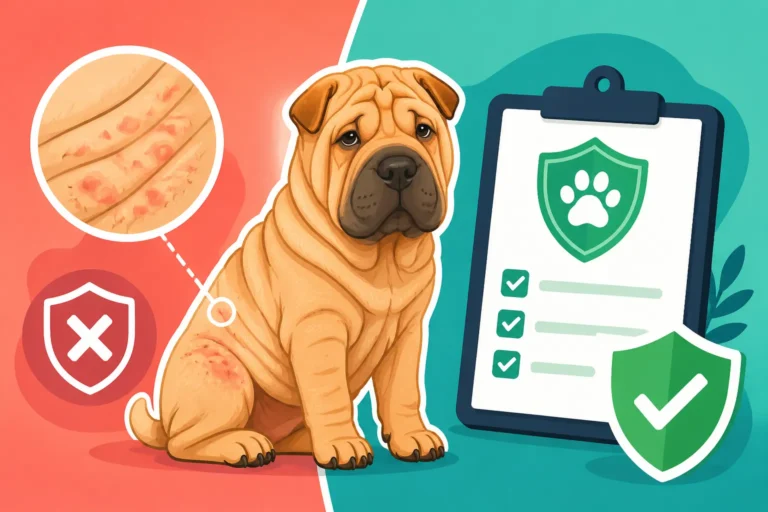
Whether a Shar Pei’s Fever Can Be Managed at Home
When your beloved Shar Pei suddenly goes off their food, seems lethargic, or starts trembling, your heart immediately sinks. You know that dreaded feeling, that creeping fear that another Shar Pei Fever (FSF) episode might be starting. It's an overwhelming worry for any owner, especially trying to navigate whether this is something you can manage at home or if it’s a full-blown emergency. This guide is designed to help you understand what FSF looks like, empower you with actionable steps for home management, and crucially, know when it's time to involve your veterinarian.
Understanding Familial Shar Pei Fever (FSF)
Familial Shar Pei Fever, or FSF, isn't your run-of-the-mill sniffle. It's a serious, inherited inflammatory disorder unique to our wrinkly friends. Many owners feel completely blindsided by the first episode, often mistaking it for a sudden illness or injury, only to learn later that it's a condition intrinsically linked to the very genetic traits that make their Shar Pei so distinct. It's a heavy burden, knowing your dog carries this risk.
What Exactly is Familial Shar Pei Fever (FSF)?
FSF is an autoinflammatory condition, meaning your Shar Pei's immune system essentially overreacts, causing systemic inflammation without an external trigger like a bacteria or virus. Think of it as a glitch in their internal thermostat and alarm system. This isn't an infection that antibiotics will clear up; it's a deeply rooted genetic issue. Understanding that Familial Shar Pei Fever Is Not an Infection is the first crucial step in managing it, as it steers you away from ineffective treatments and towards proper care.
These episodes are characterized by periods of high fever, typically spiking rapidly and often accompanied by other distressing symptoms. It’s a frustrating and scary experience to witness, leaving you feeling helpless as you watch your dog suffer. The unpredictability of these fevers adds another layer of stress, making it hard to plan or even relax.
Recognizing the Telltale Signs
Identifying an FSF episode quickly is paramount. You might notice your dog acting "off" before the fever even peaks. This could involve unusual lethargy, a disinterest in food or toys, or a general reluctance to move. The hallmark sign, of course, is a sudden, often high fever, which can reach alarming temperatures. Many owners report their dog's temperature can reach What Temperature a Feverish Shar Pei Reaches quite quickly.
Beyond the fever, other symptoms can include swelling and pain, particularly in the hocks (the ankle joints of the hind legs), which is known as swollen hock syndrome. Your Shar Pei might also experience abdominal pain, refuse to eat, or vomit. Some dogs become withdrawn and appear genuinely miserable, seeking solitude. It's a truly heartbreaking sight, and knowing What a Shar Pei Fever Episode Looks Like can help you differentiate it from other illnesses.
The Underlying Cause: A Genetic Predisposition
The root cause of FSF lies deep within the Shar Pei's genetics. Specifically, it's linked to the same gene duplication that gives them their distinctive wrinkles. This mutation, an extra copy of the HAS2 gene, leads to an overproduction of hyaluronic acid, which is responsible for their loose skin. Unfortunately, it also predisposes them to these inflammatory episodes. It's a cruel irony that the feature we find so charming is directly linked to such a painful condition.
This genetic predisposition means that virtually any Shar Pei can develop FSF, though severity and frequency vary widely. It’s not something that can be bred out easily or entirely, though responsible breeders strive to reduce its incidence. This knowledge often leaves owners feeling frustrated, wishing there was a clearer path to prevention.
Immediate Steps When Your Shar Pei Spikes a Fever
When you realize your Shar Pei is spiking a fever, panic can easily set in. But taking immediate, calm action can make a real difference in their comfort and your ability to assess the situation. Having a plan ready is crucial for those first terrifying moments.
Taking and Recording Your Dog's Temperature
The very first step, after you suspect a fever, is to confirm it. A digital rectal thermometer is essential for any Shar Pei owner. If you don't have one, get one now. It might feel intrusive, but it's the most accurate way to get a reading. Lubricate the tip with petroleum jelly, gently insert it about an inch into the rectum, and wait for the beep. A normal dog temperature ranges from 100.0 to 102.5 degrees Fahrenheit (37.8 to 39.2 degrees Celsius). Anything above that, especially over 103°F (39.4°C), indicates a fever.
It's vital to What a Shar Pei Owner Should Have at Home, including a reliable thermometer, and to keep a detailed log. Note the exact temperature, the time, and any accompanying symptoms. This record will be invaluable to your vet. Don't rely on guesswork; objective data is your best friend in these situations.
Providing a Calm and Cool Environment
During a fever episode, your Shar Pei will likely feel miserable and want to retreat. Create a quiet, dim, and cool space for them. Move them to a tiled floor, away from direct sunlight or drafts. Minimize noise and activity in the house. Think of it like caring for a sick child; peace and quiet are often the best medicine for initial comfort.
You can use a fan to circulate air, but avoid pointing it directly at them if they seem sensitive to it. Sometimes, just having a cool, undisturbed spot to rest can help bring their temperature down slightly and reduce their distress. Ensure their bed is clean and comfortable, and that no other pets or rambunctious children bother them.
Encouraging Hydration and Rest
Hydration is critically important when a dog has a fever, as they can quickly become dehydrated. Offer fresh, cool water frequently. If your Shar Pei is reluctant to drink, try offering ice cubes, or even a low-sodium chicken or beef broth. You can also mix a little water into their food if they're willing to eat. Small, frequent offerings are better than one large one.
Encourage absolute rest. Do not try to force them to play or walk. Short, gentle potty breaks are fine, but otherwise, let them conserve their energy. Their body is working hard to fight off this inflammatory response. Adequate rest can also influence How Long a Shar Pei's Fever Lasts, potentially shortening the episode.
When to Call the Vet
While some milder FSF episodes can be managed at home, it's a fine line, and knowing when to seek professional help is paramount. Delaying veterinary care can have serious, long-term consequences for your Shar Pei. This is where your good intentions must meet clinical reality.
Red Flags That Demand Professional Attention
Never hesitate to call your vet if you see any of the following: a fever that climbs above 104°F (40°C) and doesn't respond to home cooling measures within an hour or two; severe lethargy where your dog is unresponsive or struggles to stand; persistent vomiting or diarrhea, especially if accompanied by blood; severe pain, indicated by yelping, reluctance to be touched, or constant shifting; or any difficulty breathing. These are not symptoms to "wait and see" with. This is precisely when you need to know What to Do When a Shar Pei Spikes a Fever and act decisively by contacting your vet.
Even if the fever isn't alarmingly high, if your Shar Pei just seems profoundly unwell and you're feeling deeply concerned, trust your gut. You know your dog best. A quick call to your veterinary office can provide reassurance or prompt you to bring them in. It's always better to be safe than sorry, especially with a breed prone to FSF.
The Risk of Complications Like Amyloidosis
The most terrifying long-term complication of FSF is amyloidosis. This is where abnormal protein deposits (amyloid) build up in organs, most commonly the kidneys, eventually leading to organ failure. Every FSF episode, especially untreated or severe ones, increases this risk. This is why it's crucial to understand that Amyloidosis Is What Actually Kills a Shar Pei and to take FSF very seriously.
While home care can help manage the immediate discomfort of a fever, only a vet can prescribe medications like colchicine, which can help reduce inflammation and prevent amyloid deposition over time. Ignoring frequent or severe fevers puts your Shar Pei at significant risk of this devastating disease. This is why regular communication and check-ups with your vet are so important, even if your dog seems fine between episodes.
Preparing for a Vet Visit
If you decide or are advised to take your Shar Pei to the vet, be prepared. Have your fever log ready, detailing onset of symptoms, temperatures, and any medications or home remedies you've tried. Be ready to describe specific symptoms clearly and concisely. You might also want to bring a fresh urine sample if possible, as kidney issues are a concern.
When you arrive at the clinic, be ready for diagnostic tests like blood work and urinalysis. Your vet will want to rule out other causes for the fever and assess organ function. These tests are essential for getting a complete picture and guiding treatment, and can provide valuable insight into their overall health, including kidney function.
Supportive Home Care During and After a Fever
Once you've either consulted your vet or determined that home management is appropriate for a mild episode, your focus shifts to making your Shar Pei as comfortable as possible and supporting their recovery. This isn't just about the fever itself, but the lingering effects.
Gentle Cooling Techniques (and What to Avoid)
When your Shar Pei has a high fever, gentle cooling can provide relief, but it must be done carefully to avoid shocking their system. You can use cool (not icy cold) damp cloths on their paws, ears, and groin area. A cool, damp towel laid over their body can also help, but replace it frequently as it warms up. Placing them on a cooling mat can also be beneficial.
What to avoid: Never immerse a feverish dog in cold water or use ice packs directly on their skin. This can cause their body temperature to drop too rapidly, leading to hypothermia, which is just as dangerous as a high fever. Focus on gradual, gentle cooling that prioritizes comfort. Remember, the goal is to help their body regulate, not to force a sudden change. Cooling mats and vests from pet supply companies like Chewy can be helpful tools to have on hand.
Managing Discomfort and Nausea
Fever often comes with generalized malaise, muscle aches, and sometimes nausea. While you should never give human pain relievers or fever reducers without vet guidance (many are toxic to dogs), your vet might prescribe specific anti-inflammatory or anti-nausea medications if they deem it necessary. Always follow their instructions precisely.
For managing discomfort at home, focus on comfort. Provide soft bedding, a quiet environment, and gentle reassurance. If they're nauseous, offer small amounts of bland food, like boiled chicken and rice, once they show an interest in eating again. Ensuring they have clean, easily accessible water is crucial, even if it's just a few sips at a time.
Post-Fever Recovery and Monitoring
Even after the fever breaks, your Shar Pei might still be tired and subdued for a day or two. Continue to encourage rest and offer easily digestible meals. Monitor their energy levels, appetite, and water intake closely. The recovery period is just as important as the acute phase.
Keep an eye out for any recurrence of fever or new symptoms. Unfortunately, How Often Shar Pei Fever Recurs varies greatly from dog to dog, and some experience frequent episodes. Maintaining your detailed fever log during this recovery phase is still essential, noting how long it took for them to return to their normal self. This information will be crucial for your vet at future check-ups.
Long-Term Management and Prevention
Living with a Shar Pei prone to FSF requires a proactive, long-term strategy that extends beyond managing individual fever episodes. It's about minimizing risks, building a strong vet relationship, and diligent record-keeping.
The Role of Diet and Supplements
While no specific diet can prevent FSF, some owners find that certain dietary changes can reduce the frequency or severity of episodes. A high-quality, easily digestible diet is often recommended. Some owners explore novel protein diets or limited ingredient foods to rule out any potential food sensitivities that might exacerbate inflammation. Brands like Ollie, known for fresh, human-grade food, might be considered by some owners for their potential digestibility benefits. Always discuss any significant dietary changes with your vet, especially if your Shar Pei is already on medication or has other health issues.
Supplements like omega-3 fatty acids (fish oil) are often recommended for their anti-inflammatory properties, though their direct impact on FSF frequency isn't definitively proven. Again, consult your vet before adding any supplements to your Shar Pei's regimen. The goal is to support overall health and reduce systemic inflammation where possible.
Building a Strong Partnership with Your Vet
Having a veterinarian who understands Shar Peis and their unique health challenges, particularly FSF and its link to amyloidosis, is invaluable. They are your most important ally in long-term management. Regular check-ups are non-negotiable, even when your Shar Pei seems perfectly healthy. These visits allow your vet to monitor for early signs of complications.
Discuss preventative measures, such as Whether Colchicine Helps a Shar Pei for your individual dog. Colchicine is often prescribed to reduce the frequency of FSF episodes and, more importantly, to help prevent the development of amyloidosis. It's a significant decision, and your vet will guide you on the appropriate dosage and monitoring.
Maintaining a Detailed Fever Log
We've mentioned it before, and it bears repeating: keeping a meticulous fever log is one of the most powerful tools you have as a Shar Pei owner. This log should include:
- Date and time of fever onset and resolution
- Peak temperature reached
- Detailed list of all symptoms (lethargy, swelling, vomiting, pain, etc.)
- Duration of the episode
- Any medications given (with dosage and time)
- Any home remedies or cooling techniques used
- How quickly your dog recovered
- Any changes in diet or routine leading up to the fever
This detailed record allows you and your vet to identify patterns, assess the effectiveness of treatments, and make informed decisions about long-term management. It’s an essential practice that truly helps answer Whether a Shar Pei Owner Should Keep a Fever Log.
Financial Realities of Shar Pei Fever Management
Let's be real: owning a Shar Pei with FSF can be financially challenging. The emotional toll is immense, but the financial strain can also be significant, impacting decisions about care. It’s important to acknowledge this aspect upfront.
The Cost of Managing an Episode at Home
While home management for a mild FSF episode might seem "free" compared to a vet visit, there are still costs involved. Stocking your pet first-aid kit with essentials like a rectal thermometer, cooling mats, bland food items for recovery, and perhaps even specific calming aids adds up. These are the preventative investments that allow you to manage safely at home.
However, the bigger cost is often the unseen opportunity cost of delaying veterinary intervention. A small fever that could have been managed with a quick vet consultation and medication might escalate into a more severe episode, potentially requiring emergency care and hospitalization, which can quickly become a significant expense. Knowing What One Shar Pei Fever Episode Costs at the vet versus home care highlights the need for careful consideration.
Considering Pet Insurance for Chronic Conditions
Given the recurrent nature of FSF and the potential for serious complications like amyloidosis, pet insurance is something every Shar Pei owner should seriously consider. While some insurers might consider FSF a pre-existing condition if your dog was diagnosed before coverage began, many policies offer protection for chronic conditions like this if enrolled early.
Companies like Healthy Paws are often recommended, but it's crucial to research policies thoroughly. Look for plans that cover hereditary and chronic conditions, and pay close attention to deductibles, reimbursement rates, and annual limits. Insuring a Shar Pei Against a Mutation It Was Bred For can feel like a bitter pill, but it can be a lifesaver when those big vet bills inevitably arrive, offering peace of mind during stressful times.
Budgeting for Ongoing Care
Beyond acute fever episodes, managing a Shar Pei with FSF often involves ongoing costs. If your vet prescribes colchicine, that's a regular medication expense. Then there's the routine monitoring for amyloidosis, which typically involves regular blood tests and urine protein-creatinine ratio (UPC) tests. These tests are essential for catching kidney damage early, which can inform the ongoing care plan.
Table: Typical Expenses in Shar Pei Fever Management
| Expense Category | Description | Frequency |
|---|---|---|
| Acute Episode Care | Vet visits, diagnostics (blood tests, urinalysis), emergency fees | As needed (unpredictable) |
| Medication (Colchicine) | Daily oral medication to prevent amyloidosis and reduce fever recurrence | Daily (long-term) |
| Monitoring Tests | Blood work, urine protein-creatinine ratio (UPC) for kidney function | Every 3-6 months |
| Supportive Care | Bland diet, cooling mats, specialized bedding, supplements | Ongoing |
| Pet Insurance Premiums | Monthly or annual payments for coverage | Monthly/Annually |
| Specialist Consultations | Referrals to internal medicine specialists if complications arise | As needed |
It’s important to budget for these anticipated costs. Setting aside an emergency fund specifically for your Shar Pei’s health can prevent difficult choices down the line. Managing a Shar Pei with FSF is a commitment, both emotionally and financially, but with careful planning and a strong partnership with your vet, you can provide your beloved companion with the best possible quality of life.
Disclaimer
This article is for general informational purposes only and does not constitute professional advice. Laws, prices and regulations vary by location and change over time. Consult a qualified professional for guidance on your specific situation.