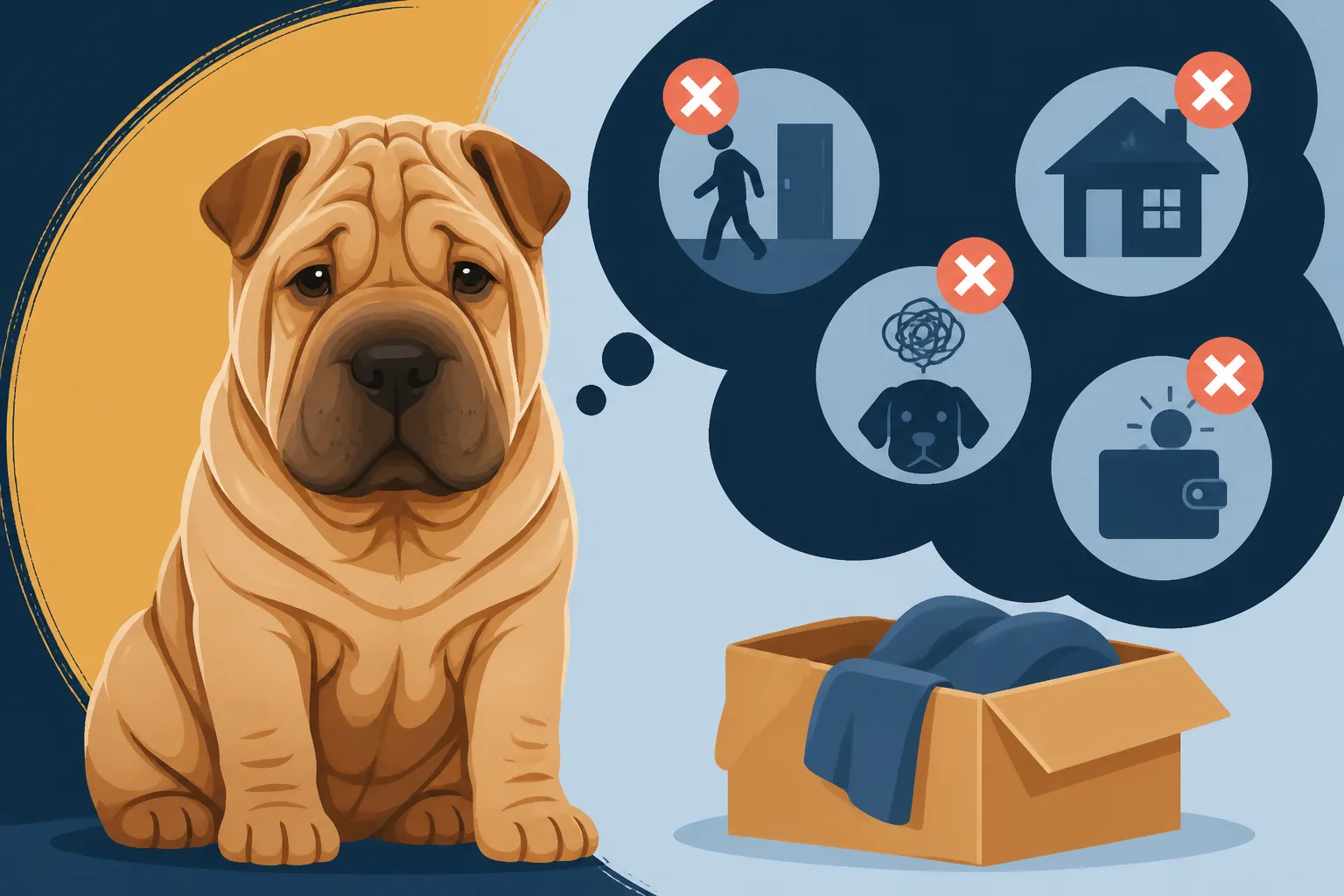
Why Shar Pei Are Surrendered
It's heartbreaking to hear about a Shar Pei ending up in a shelter or rescue group, and unfortunately, it's a far too common occurrence. Many families fall in love with their unique look, but they often discover too late that living with a Shar Pei demands a very specific kind of commitment, both financially and emotionally. This guide will delve into the primary reasons these wonderful, yet challenging, dogs are surrendered, helping prospective owners understand the real dedication required.
Unrealistic Expectations: The Shar Pei's Unique Temperament and Needs
One of the biggest hurdles many new Shar Pei owners face is a fundamental misunderstanding of the breed's personality and requirements. They see the adorable wrinkles and assume they're getting a docile, low-maintenance companion, only to be surprised by a dog with a strong will and very particular traits. This gap between expectation and reality often becomes too wide to bridge.
The Aloof Nature Many Owners Aren't Ready For
Unlike many popular breeds that are eager to please and outgoing, a Shar Pei is often described as aloof, independent, and sometimes even stubborn. They were originally bred for tasks that required a certain level of self-reliance, like guarding, rather than constant human interaction or boundless enthusiasm. When strangers come to the door, a Shar Pei isn't likely to greet them with tail wags and kisses; instead, they might observe cautiously, or even stand their ground, true to their guarding instincts. This isn't aggression, necessarily, but a deep-seated suspicion of the unknown. New owners often expect a social butterfly, but are instead met with a dog that bonds deeply with its chosen family but can be indifferent, or even wary, of outsiders. This can be jarring for families used to more "typical" dog behavior, leading to frustration and a feeling that the dog isn't living up to their idealized pet image. A Shar Pei Was Bred to Guard, Not to Greet dives deeper into their protective nature.
Grooming and Maintenance: More Than Just Wrinkles
Those iconic wrinkles are a big part of the Shar Pei's appeal, but they come with a significant care commitment that often catches owners off guard. It's not just about an occasional bath; it's about meticulous daily or weekly fold care. Moisture and debris can easily get trapped within the deep folds of their skin, creating a perfect breeding ground for yeast and bacterial infections. This means regular wiping, drying, and sometimes applying medicated ointments or powders. Owners who don't keep up with this routine quickly find themselves battling smelly, inflamed skin and recurrent infections, which are uncomfortable for the dog and stressful and costly for the owner. Beyond the folds, their short, bristly "horse coat" sheds, despite common misconceptions, and requires regular brushing to manage. The texture of their coat is unique and can be surprising, feeling more like coarse sandpaper than soft fur.
The Shar Pei's Exercise and Socialization Requirements
While Shar Pei aren't marathon runners, they still require consistent, moderate exercise to stay healthy and happy. A couple of good walks a day, or some active playtime in a secure yard, is typically sufficient. However, their physical structure and sensitivity to heat mean these walks can't be at just any time of day, especially in warmer climates. Overheating is a real concern, particularly for dogs with more pronounced "meat mouth" muzzles. Furthermore, early and consistent socialization is absolutely critical for a Shar Pei puppy. Without proper exposure to a wide variety of sights, sounds, people, and other dogs during their crucial developmental window, they can become overly timid, fear-aggressive, or simply difficult to manage in new situations. Many owners underestimate the importance of this early work, and by the time their puppy is a few months old, the window for easy socialization has often closed, leading to a reactive adult dog that is challenging to take out in public or introduce to new experiences. Socialize a Shar Pei Before Twelve Weeks or Pay for It Later highlights this urgent need.
The High Cost of Shar Pei Health Issues
This is perhaps the single biggest reason why Shar Pei end up in shelters. The breed is unfortunately predisposed to a host of complex and often expensive health conditions. Many prospective owners are completely unaware of these genetic predispositions, and the financial and emotional toll they take can be overwhelming. What starts as a minor concern can quickly spiral into chronic care.
Chronic Skin Conditions and Allergies
The Shar Pei's unique skin, while visually striking, is also its Achilles' heel. Beyond the fold infections mentioned earlier, they are highly prone to allergies, both environmental and food-related, as well as conditions like cutaneous mucinosis. Mucinosis causes excessive swelling and thickening of the skin, sometimes giving the dog a puffy, "hippopotamus" look, and can lead to itchy, oozing lesions. Diagnosing and managing these skin issues often involves multiple vet visits, allergy testing, special diets (sometimes expensive prescription foods from stores like Chewy or specialty brands like Ollie), and a cocktail of medications, medicated shampoos, and topical treatments. It’s not uncommon for a Shar Pei owner to spend hundreds, if not thousands, of dollars a year just trying to keep their dog's skin comfortable and infection-free. Skin Is the Shar Pei's Largest Problem by Surface Area elaborates on the challenges.
Eye Problems: From Entropion to Eyelid Surgery
Another common and often urgent issue in Shar Pei, especially puppies, is entropion. This condition causes the eyelids to roll inward, so the eyelashes constantly rub against the cornea. It's incredibly painful and, if left untreated, can lead to corneal ulcers, scarring, and even blindness. While "eye tacking" can offer temporary relief for puppies, many Shar Pei ultimately require permanent corrective surgery. These procedures can be costly, often requiring a veterinary ophthalmologist, and sometimes need to be performed on both eyes. Owners who are not prepared for this possibility, or who cannot afford the intervention, may find themselves in a heartbreaking situation, watching their dog suffer preventable vision impairment. Entropion in a Shar Pei Puppy Is an Emergency, Not a Cosmetic Issue drives home the critical nature of this condition.
The Persistent Threat of Familial Shar Pei Fever and Amyloidosis
Familial Shar Pei Fever (FSF), also known as Shar Pei Autoinflammatory Disease (SPAID), is a debilitating genetic condition characterized by recurrent bouts of fever, often accompanied by swelling of the hocks (ankles), abdominal pain, and lethargy. These fever episodes are not infections, but rather an inflammatory response linked to the same genetic mutation that gives them their characteristic wrinkles. While the fevers themselves are concerning, the real danger lies in a secondary condition called amyloidosis. Repeated FSF episodes can lead to amyloid protein deposits accumulating in organs, primarily the kidneys and sometimes the liver. This progressive buildup ultimately causes organ failure, which is the leading cause of death in the breed. Managing FSF requires immediate veterinary attention during an episode and often lifelong medication like colchicine to try and prevent amyloidosis. The veterinary bills for diagnosis, fever episodes, and long-term management of kidney disease can be astronomical, pushing many owners past their financial limits. Familial Shar Pei Fever Is Not an Infection and Amyloidosis Is What Actually Kills a Shar Pei provide crucial context on these conditions.
Ear Infections: A Constant Battle
Shar Pei have unusually narrow ear canals, which makes them particularly prone to chronic ear infections. The tight, often folded, structure of their ears creates a warm, moist environment where bacteria and yeast thrive. Many owners find themselves on a never-ending cycle of vet visits, ear cleanings (often requiring sedation due to the discomfort and difficulty of accessing the canal), and expensive prescription ear drops or medications. Some Shar Pei develop such severe, chronic infections that their ear canals become permanently scarred and closed, sometimes necessitating a total ear canal ablation—a complex and costly surgical procedure. This isn't just a minor annoyance; it's a significant health and financial burden. A Shar Pei Has the Narrowest Ear Canals of Any Breed illustrates why this is such a prevalent issue for them.
Behavioral Challenges That Lead to Surrender
While health issues are a massive factor, behavioral problems, often stemming from poor early socialization or a misunderstanding of the breed's natural tendencies, also frequently lead to a Shar Pei being rehomed. These aren't "bad dogs," but rather dogs whose needs and instincts haven't been adequately understood or managed.
Dog-Aggression and Poor Socialization
Shar Pei can be fiercely independent and, if not properly socialized from a very young age, may develop strong dog-aggressive tendencies. Their guarding instincts can translate into a lack of tolerance for other dogs, especially those they perceive as invading their space or challenging them. This means dog parks are often out of the question, and even walks can become stressful events if other dogs are present. Owners who acquire a Shar Pei puppy without understanding the critical window for socialization (before 12 weeks of age) may find themselves with an adult dog that cannot safely interact with other canines. This becomes a major problem for multi-dog households or for owners who want their dog to have canine companions. It severely limits their dog's experiences and can make simple daily activities, like going for a walk, a constant challenge.
Resource Guarding and Protective Instincts
The Shar Pei's inherent guarding nature extends beyond just people or property; they can be prone to resource guarding. This means they might become possessive over their food bowl, toys, their bed, or even their chosen human. While a degree of guarding is natural in many breeds, in a Shar Pei, it can be intense and, if not managed with positive reinforcement training from puppyhood, can lead to aggressive displays. This is particularly problematic in homes with children, where a child might innocently approach a dog's food bowl or try to take a toy. Understanding and proactively addressing this behavior is vital, but many owners are caught off guard and find themselves unable to safely manage a dog that growls or snaps over possessions.
Stubbornness and Training Difficulties
Let's be real, Shar Pei aren't known for being the easiest dogs to train. They are highly intelligent, but their independent nature often translates into a "what's in it for me?" attitude. They aren't inherently eager to please like a Golden Retriever. This can be incredibly frustrating for owners expecting a dog that picks up commands quickly and obeys without question. Consistent, patient training using positive reinforcement and high-value rewards is key, but many owners lack the experience or dedication required for such a strong-willed breed. The result can be a dog that seems to ignore commands, pulls on the leash, or is generally difficult to control, leading to an exasperated owner and a dog that isn't truly integrated into the family routine. The Headstrong Streak Nobody Trains Out of a Shar Pei humorously (but accurately) describes this aspect of their personality.
Life Changes: When Owners Can No Longer Cope
Sometimes, it's not the dog's fault, or even a misunderstanding of the breed, but rather unforeseen life circumstances that force owners to make the heartbreaking decision to surrender their Shar Pei. However, due to the breed's specific needs and potential challenges, finding a new home can be incredibly difficult, making rescue organizations often the only option.
Moving and Housing Restrictions
A change in housing is a common reason for surrender across all breeds, but it can be particularly acute for Shar Pei owners. Many apartment complexes or rental properties have breed restrictions, and breeds with a reputation for being "difficult" or "aggressive" (however unfair that may be) are often on these lists. Even without outright bans, some landlords are hesitant to rent to owners of Shar Pei due to their size, potential for dog-aggression, or the sheer number of vet visits that might imply issues. Finding pet-friendly housing is already a challenge, and it becomes exponentially harder with a breed that carries specific stereotypes or has documented health issues that could lead to property damage (like scratching due to itching or house-training accidents from illness).
New Babies, Family Dynamics, and Time Constraints
The arrival of a new baby or a significant change in family dynamics can drastically alter a household's capacity to care for a Shar Pei. These dogs, while deeply loyal to their families, need consistency, routine, and often a calm, structured environment. Introducing a noisy, unpredictable infant can be stressful for a Shar Pei, especially one that hasn't been extensively socialized with children. Resource guarding or a low tolerance for rough play can quickly become a serious safety concern, particularly with toddlers. The demands of a new baby also mean less time and energy for the consistent training, specialized care (like fold cleaning and ear treatments), and exercise that a Shar Pei requires. Owners find themselves stretched too thin, and unfortunately, the dog often pays the price. A Shar Pei With Children in the House offers insights into managing this situation.
Financial Hardship Beyond Veterinary Bills
While we've touched on the monumental vet costs, general financial hardship can also lead to surrender. Losing a job, unexpected medical bills for a human family member, or a sudden downturn in income can make providing for any pet difficult, but especially a Shar Pei. Their specialized diets, ongoing grooming supplies, and potential for frequent medication (like those for allergies or FSF management) add up quickly. Even routine care, such as high-quality food, flea and tick prevention, and annual check-ups, can become an insurmountable burden when finances are tight. Pet insurance, like a plan from Healthy Paws, can certainly help mitigate unforeseen veterinary costs, but it's an additional monthly expense that some families cannot afford or did not plan for from the outset.
The Problem of Misinformation and Impulse Adoption
Sadly, many Shar Pei find themselves in need of rehoming because they were acquired under less-than-ideal circumstances, often by individuals who were not fully informed or prepared for the realities of the breed. The unique look often overshadows the complex needs, leading to decisions based on emotion rather than research.
Buying from Unreputable Sources
The allure of a Shar Pei can lead prospective owners to purchase from puppy mills, online sellers, or backyard breeders who prioritize profit over health and temperament. These sources often do not health test their breeding dogs, nor do they adequately socialize the puppies. They may also provide misleading information, or no information at all, about the breed's common health problems or behavioral tendencies. A puppy from an unreputable source is much more likely to develop serious genetic health issues (like severe entropion or aggressive FSF) and have temperament problems due to poor breeding practices and lack of early enrichment. While the initial purchase price might seem lower, the long-term costs and heartbreak are almost guaranteed to be higher. What a Shar Pei Puppy Costs and Which Breeders to Avoid goes into detail about the pitfalls of irresponsible breeding.
The Allure of "Rare" or "Unique" Breeds
For a period, the Shar Pei was considered the "rarest dog in the world," and even now, its distinctive appearance sets it apart. This uniqueness can be a double-edged sword. While it draws people in, it can also lead to impulse decisions based solely on aesthetics rather than suitability for a family's lifestyle. People are drawn to the wrinkles, the blue-black tongue, and the "pig-like" muzzle without truly understanding that these very traits are linked to many of the health and care challenges the breed faces. They want a conversation starter, not necessarily a lifelong commitment to a dog with specific, demanding needs. This superficial attraction often fizzles out when the reality of daily care, vet bills, and behavioral management sets in.
Lack of Research Before Bringing a Shar Pei Home
Ultimately, a significant number of Shar Pei surrenders boil down to a simple lack of thorough research. Many owners simply don't take the time to delve into the breed's history, genetic predispositions, temperament quirks, and extensive care requirements before bringing one home. They might have a fleeting encounter with a friendly Shar Pei, or see cute pictures online, and assume all Shar Pei are the same or that their issues are easily managed. This unpreparedness sets both the dog and the owner up for failure. A Shar Pei is not a breed for the faint of heart or the casual dog owner; they demand dedication, patience, and a deep understanding of their unique characteristics. Without this foundational knowledge, the journey of Shar Pei ownership can quickly become overwhelming, leading to the unfortunate decision to surrender a beloved, yet misunderstood, companion.
To truly understand the commitment, consider the following breakdown of common Shar Pei challenges:
| Challenge Category | Common Issues | Impact on Owners | Likelihood of Leading to Surrender |
|---|---|---|---|
| Health | Skin Fold Dermatitis, Allergies, Mucinosis | Constant grooming, medicated products, vet visits | High |
| Entropion, Corneal Ulcers | Surgical costs, potential for blindness | Medium to High | |
| Familial Shar Pei Fever (FSF), Amyloidosis | Emergency vet visits, lifelong medication, kidney management, high risk of early death | Very High | |
| Chronic Ear Infections | Frequent vet visits, sedated cleanings, surgical intervention | High | |
| Behavior & Temperament | Dog-aggression, Leash Reactivity | Limited social activities, stress on walks | Medium to High |
| Resource Guarding | Safety concerns, especially with children | Medium | |
| Stubbornness, Training Resistance | Frustration, perceived lack of control | Medium | |
| Care & Maintenance | Daily Fold Cleaning | Time commitment, unpleasant if neglected | Low to Medium |
| Heat Sensitivity | Restricted exercise, need for climate control | Low to Medium | |
| Socialization Requirements (early/intensive) | If missed, leads to irreversible issues | High | |
| Financial | High vet bills (chronic & emergency) | Significant financial strain, debt | Very High |
| Specialized food/medication | Ongoing monthly expenses | High | |
| Pet insurance premiums (Insuring a Shar Pei Against a Mutation It Was Bred For) | Added monthly cost, but crucial protection | Low (if purchased), High (if not) |
Many of these issues contribute to a Shar Pei's overall lifespan, which, unfortunately, isn't as long as some other breeds due to these inherited conditions. How Long a Shar Pei Lives provides more context on this.
Ultimately, the reasons Shar Pei are surrendered are complex, often a cocktail of unexpected health challenges, misunderstood behavioral traits, and an owner's inability to adapt to the breed's profound and often expensive needs. Understanding these realities upfront is the first step in ensuring a Shar Pei finds a truly forever home. It’s why organizations like Shar Pei rescues perform such thorough screenings; they know what it takes to own one of these magnificent, yet challenging, dogs. What a Shar Pei Rescue Charges often includes the cost of addressing some of these issues before adoption, which can be a lifeline for these dogs. The Age Most Surrendered Shar Pei Are often correlates with the onset of chronic health issues, further underscoring the challenges.
Disclaimer
This article is for general informational purposes only and does not constitute professional advice. Laws, prices and regulations vary by location and change over time. Consult a qualified professional for guidance on your specific situation.


