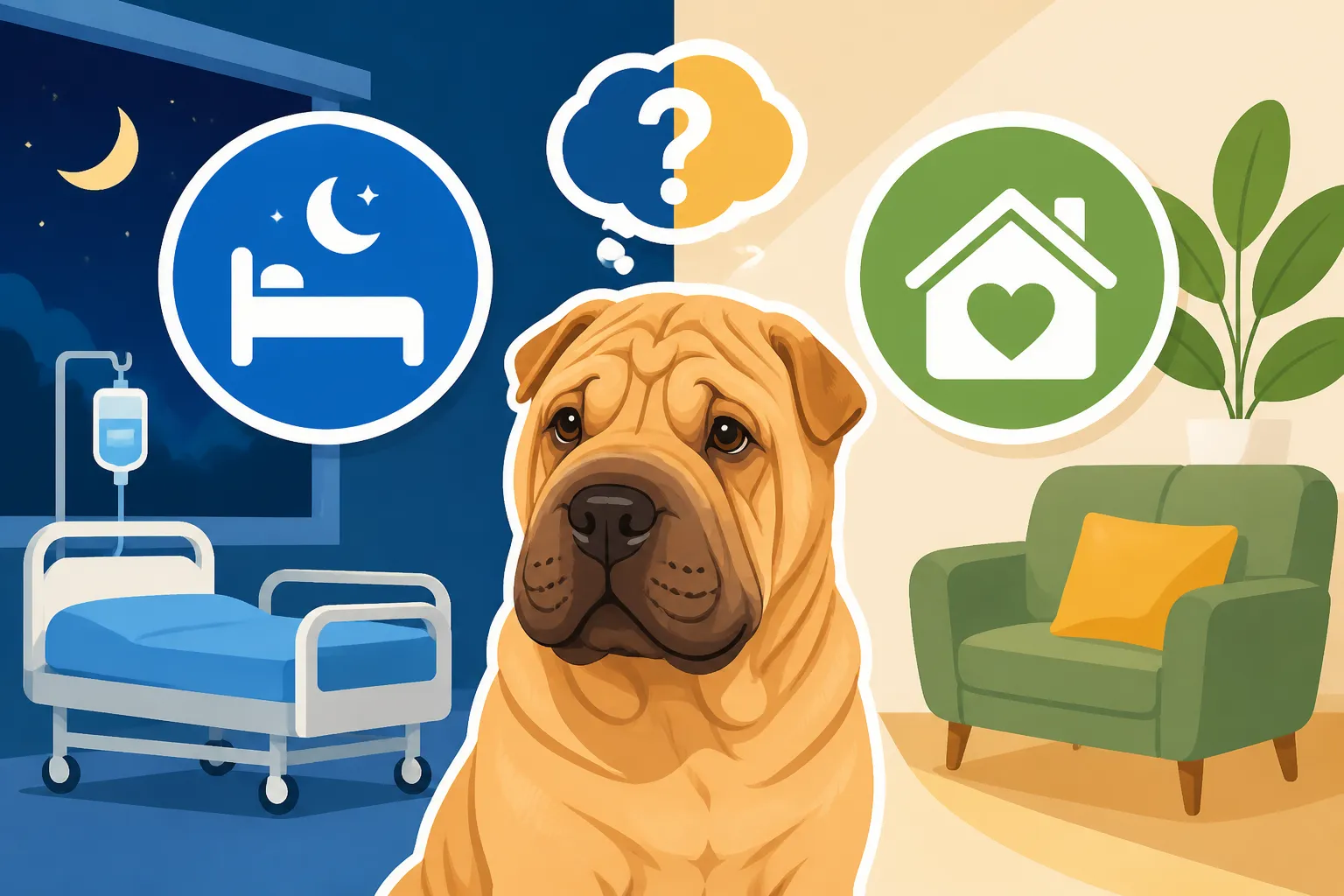
Whether an Overnight Stay Is Needed for Shar Pei Fever
When your beloved Shar Pei suddenly spikes a fever, it's a terrifying experience that immediately throws you into a whirlwind of worry. One of the most common and pressing questions that races through every Shar Pei owner's mind is, "Do we need to rush to the emergency vet, and will my dog have to stay overnight?" This is a crucial decision, and this guide is here to help you understand the nuances of Shar Pei fever and when an overnight veterinary stay might be a necessary, life-saving measure.
Understanding Shar Pei Fever: More Than Just a High Temperature
Shar Pei Fever, often referred to as Familial Shar Pei Fever (FSF), isn't just a simple elevated temperature that you might experience with a common cold. It's a complex, inherited auto-inflammatory condition that manifests in recurrent bouts of fever and inflammation. As a Shar Pei owner, you're dealing with a breed uniquely predisposed to this, and recognizing the signs and understanding its severity is paramount. It’s not an infection in the traditional sense, but rather the body attacking itself due. Familial Shar Pei Fever Is Not an Infection.
What a Shar Pei Fever Episode Looks Like
A typical Shar Pei fever episode can be incredibly distressing to witness. Your dog might suddenly become lethargic, withdrawn, and refuse food or water. Beyond the high temperature, which can soar dramatically, you might observe swelling in one or more hocks (the ankle joint in the rear leg). This swelling can be painful, making your Shar Pei reluctant to move, stand, or even lie comfortably. Some dogs might experience a general stiffness, abdominal pain, vomiting, or diarrhea. Their muzzle might even swell, looking puffy and tender to the touch. It's a sudden, acute onset of symptoms that often leaves owners feeling helpless and panicked. Understanding What a Shar Pei Fever Episode Looks Like is the first step in knowing how to react.
The Underlying Cause: A Genetic Predisposition
The root of Shar Pei Fever lies deep within the breed's genetics. It’s directly linked to the very characteristic that makes them so endearing: their wrinkles. A specific gene duplication, responsible for producing hyaluronic acid, the substance that gives the Shar Pei its distinctive loose skin and wrinkles, is also implicated in FSF. This means that while those adorable folds are part of their charm, they come with a heightened risk for this inflammatory condition. It's a sobering thought that One Mutation Gave the Shar Pei Its Wrinkles and Its Fever. Because it's an inherited condition, every Shar Pei owner needs to be vigilant, regardless of how healthy their dog appears on a day-to-day basis.
When an Overnight Stay Becomes Essential
Deciding whether your Shar Pei needs an emergency vet visit, let alone an overnight stay, can be incredibly tough, especially in the middle of the night. However, certain symptoms and circumstances clearly point towards the need for immediate, intensive veterinary care that extends beyond a quick check-up. This isn't just about comfort; it's about potentially saving your dog's life and preventing long-term complications.
Critical Symptoms Demanding Immediate Veterinary Care
While a mild fever and some lethargy might be manageable at home with close monitoring and communication with your regular vet, there are definitive red flags that scream "emergency!" If your Shar Pei is experiencing severe, persistent vomiting or diarrhea, especially if it leads to rapid dehydration, you need to act fast. Extreme lethargy where your dog is unresponsive, collapses, or cannot stand on their own are critical signs. Uncontrolled high fever (over 105°F or 40.5°C) that doesn't respond to initial cooling measures or prescribed medication is another alarm bell. Similarly, if your dog shows signs of severe, unmanageable pain, or if their gums appear pale or bluish, it's time to head straight to the emergency clinic. Don't wait. These symptoms indicate that your Shar Pei's body is struggling to cope, and they need professional intervention to stabilize them. Remember that What a Shar Pei's First Year Costs can include these urgent care situations, and having an emergency fund or pet insurance is invaluable.
Dehydration and Organ Support: Why IV Fluids Are Crucial
One of the biggest concerns during a severe Shar Pei Fever episode is dehydration. Persistent vomiting, diarrhea, and a refusal to drink can quickly deplete your dog's fluids and electrolytes. Dehydration can lead to a cascade of problems, including kidney stress and even organ failure. This is where an overnight stay, primarily for intravenous (IV) fluid therapy, becomes absolutely critical. IV fluids help rehydrate your dog much more efficiently than oral fluids, correct electrolyte imbalances, and support kidney function. Shar Pei are already predisposed to kidney issues, and a severe fever can exacerbate this. Why a Shar Pei's Kidneys Need Watching From Two Years Old is a crucial piece of knowledge for any owner. The vet can also administer anti-nausea medications and other supportive care via IV, ensuring maximum absorption and effectiveness, bypassing a struggling digestive system.
Diagnostic Monitoring and Further Investigation
An overnight stay isn't just about fluids and basic care; it's also about continuous monitoring and detailed diagnostics that aren't possible during a quick outpatient visit. During an emergency, the veterinary team can perform repeated blood tests to monitor organ function, white blood cell count (even though FSF isn't an infection, inflammation still shows up), and electrolyte levels. They might also perform urine tests, including a urine protein-to-creatinine (UPC) ratio, to assess kidney health, which is vital given the breed's predisposition to amyloidosis. Which Test Catches a Shar Pei's Kidney Damage Early is something your vet might perform. This continuous observation allows them to track trends, identify complications early, and adjust treatment protocols as needed. For instance, if blood pressure drops or kidney values worsen, the team is right there to respond. This level of immediate, responsive care is simply not feasible at home.
What to Expect During an Overnight Veterinary Stay
Handing your beloved Shar Pei over to an emergency veterinary team for an overnight stay is incredibly difficult. You're worried, you're tired, and you're probably feeling a bit helpless. Knowing what typically happens during such a stay can alleviate some of that anxiety and help you understand the value of the care your dog is receiving.
Continuous Observation and Intervention
During an overnight stay, your Shar Pei will be under constant supervision by veterinary nurses and doctors. Their vital signs—temperature, heart rate, respiration, and blood pressure—will be monitored regularly, often every few hours. This allows the team to quickly identify any changes or deterioration. Medications, such as IV fluids, anti-inflammatory drugs (if deemed appropriate by your vet), anti-nausea medication, and pain relief, will be administered on a precise schedule. If your Shar Pei is not eating, they may offer tempting food or even discuss temporary feeding tubes in very severe cases to ensure they get adequate nutrition. The goal is to stabilize their condition, bring their fever down, manage pain, and prevent secondary complications.
The Cost Involved: Preparing for the Bill
Let's be realistic: an emergency overnight veterinary stay is going to be expensive. You're paying for specialized medical expertise, continuous monitoring, diagnostics, medications, and the facility's overhead during off-hours. What an Emergency Visit for Shar Pei Fever Costs can vary wildly depending on your location, the specific clinic, and the severity of your dog's condition, but it's rarely a small sum. This might include examination fees, emergency surcharges, IV fluid therapy, blood work, imaging (like X-rays or ultrasound if needed), medications, and hospitalization fees per night. It’s why so many Shar Pei owners appreciate having a robust pet insurance plan, even if it feels like Insuring a Shar Pei Against a Mutation It Was Bred For. Providers like Healthy Paws can be a real lifesaver when those unexpected emergencies strike, helping to soften the financial blow and allow you to focus on your dog's recovery. For ongoing needs, online retailers like Chewy can be helpful for getting prescription diets or medications conveniently delivered if your vet prescribes them after treatment.
Common Signs and What They Mean
| Symptom Category | Specific Signs | Severity Level | Typical Veterinary Action (if applicable) |
|---|---|---|---|
| Fever | Rectal temperature 103-104°F (39.4-40°C) | Moderate | Monitoring, cool compress, vet consult (maybe oral meds) |
| Rectal temperature >104.5°F (40.2°C) or unresponsive to home care | Severe | Immediate vet visit, IV fluids, injectable anti-inflammatories, aggressive cooling | |
| Lethargy/Behavior | Sluggish, less playful, resting more | Moderate | Home care, encourage rest, monitor appetite/thirst |
| Non-responsive, collapses, unable to stand, disoriented | Severe | Emergency vet visit, full diagnostic workup, IV support, neurological check | |
| Gastrointestinal | Mild, infrequent vomiting/diarrhea, still drinking | Moderate | Withhold food briefly, bland diet, encourage water, vet consult |
| Persistent vomiting/diarrhea, severe dehydration, blood in stool/vomit | Severe | Emergency vet visit, anti-nausea/anti-diarrhea meds, IV fluids, diagnostics | |
| Swelling | Mild hock swelling, not painful to touch | Moderate | Rest, warmth, monitor, vet consult (may prescribe oral anti-inflammatories) |
| Significant, painful hock swelling, reluctance to move | Severe | Emergency vet visit, pain management, anti-inflammatories, rule out other issues | |
| Pain | Restless, whining, reluctant to be touched | Moderate | Vet consult for pain relief options |
| Yelling, shivering, persistent guarding of body part, not able to settle | Severe | Emergency vet visit, injectable strong pain relief, thorough exam |
Proactive Management and Home Care During a Fever Episode
While some fever episodes necessitate immediate and intensive veterinary care, many Shar Pei owners become adept at managing milder episodes at home, always in close consultation with their primary veterinarian. Proactive measures and a well-stocked emergency kit can make all the difference in these stressful situations.
Keeping a Fever Log and Knowing Your Dog's Baseline
One of the most powerful tools in managing Shar Pei Fever is detailed record-keeping. Start a fever log from the very first episode. Document the date, time, temperature, accompanying symptoms (e.g., hock swelling, vomiting, lethargy), duration of the fever, and what interventions were used (e.g., cooling methods, medications given, and at what dosage). This log provides invaluable data for your veterinarian to identify patterns, assess the effectiveness of treatment, and make informed decisions. Knowing your dog's normal, healthy baseline for temperature, energy levels, and appetite is also crucial. When they deviate from this baseline, you'll be quicker to notice. Remember What a Shar Pei Owner Should Have at Home to be prepared for these situations.
When Home Management Is Appropriate
Not every fever spike requires an overnight trip to the emergency clinic. If your Shar Pei experiences a mild fever (e.g., up to 103.5-104°F or 39.7-40°C), but is still alert, responsive, drinking water, and showing only minor lethargy, your vet might advise home management. This typically involves closely monitoring their temperature every few hours, encouraging fluid intake, offering small, bland meals, and providing a quiet, comfortable environment. Cooling measures like damp cloths on their groin or armpits can help. Your vet might also prescribe oral anti-inflammatory medication or a fever reducer to be given at home. It’s a fine line, and you should always call your vet for guidance, but often, Whether a Shar Pei's Fever Needs a Vet Every Time can depend on these specific factors and your dog's overall demeanor. Always remember that any worsening symptoms or lack of improvement warrants an immediate re-evaluation by a vet. For managing the discomfort and supporting recovery at home, high-quality, palatable food can be a game-changer. Services like Ollie can provide freshly prepared, nutritious meals that are often much more tempting to a dog feeling under the weather than standard kibble.
Preparing for Emergencies
Being prepared can significantly reduce stress and improve outcomes during a fever episode. Beyond the fever log, ensure you have a rectal thermometer, a water-based lubricant, and a readily accessible list of your vet's number, the nearest emergency clinic's number, and poison control (just in case!). Having your pet insurance details, such as with Healthy Paws, easily at hand can streamline the check-in process at an emergency vet. Discuss with your regular vet what over-the-counter fever reducers are safe for Shar Pei (and at what dose) or ask for a prescription for an appropriate anti-inflammatory to have on hand for milder episodes. Having some bland food like plain boiled chicken and rice, or a specific veterinary recovery diet on hand, can be helpful for tempting their appetite. A cooling mat or wet towels can also be useful for bringing down a high temperature. Understanding What to Do When a Shar Pei Spikes a Fever beforehand can make all the difference.
Disclaimer
This article is for general informational purposes only and does not constitute professional advice. Laws, prices and regulations vary by location and change over time. Consult a qualified professional for guidance on your specific situation.


