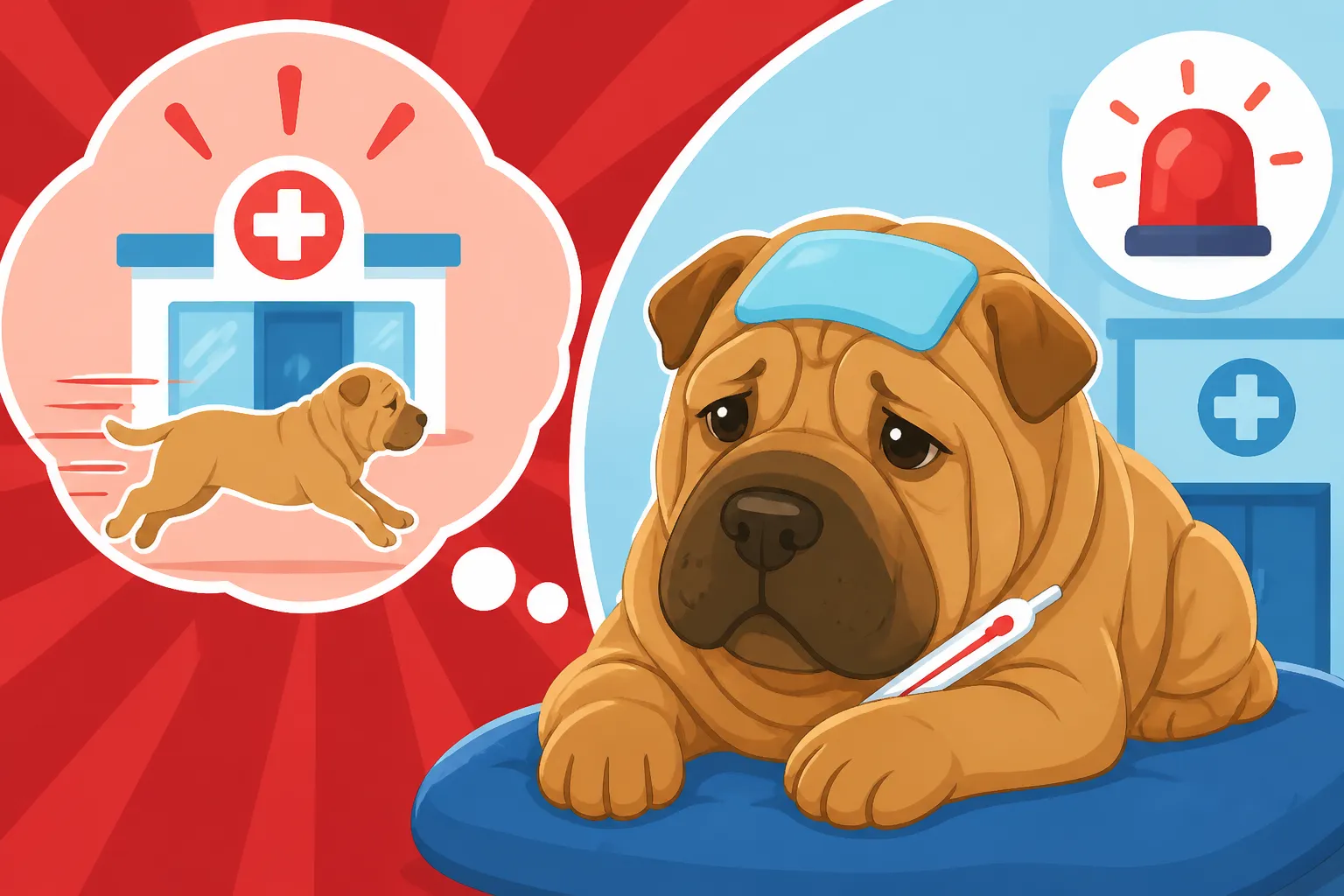
How Many Emergency Visits a Feverish Shar Pei Needs a Year
One of the most heart-wrenching realities of sharing your life with a Shar Pei is the sudden, terrifying onset of a fever. You wake up to a listless dog, hot to the touch, often with swelling and pain, and your mind immediately races to the emergency vet. It's a truly awful feeling, and the question of how many times you'll face this scenario in a year, and whether each instance warrants a dash to the animal ER, weighs heavily on every Shar Pei owner's mind. This guide aims to demystify the frequency of these emergency visits, giving you a clearer picture of what to expect and how to differentiate between an urgent situation and one that might be managed with careful home monitoring and a call to your regular vet.
Understanding Familial Shar Pei Fever (FSF)
Before we talk about emergency visits, it’s crucial to understand what Familial Shar Pei Fever, or FSF, actually is. This isn't your run-of-the-mill bacterial or viral infection, which often sends other breeds to the vet. Instead, FSF is a hereditary inflammatory condition unique to our beloved wrinkled companions. It’s caused by a genetic mutation that essentially puts their immune system on high alert, leading to episodes of systemic inflammation. This is why a simple fever reducer might help with symptoms, but it doesn't address the underlying cause, and why these fevers can be so frustratingly unpredictable. Understanding this fundamental difference is the first step in managing your Shar Pei's health proactively.
What a Fever Episode Looks Like
A typical FSF episode can be quite distressing to witness. Your Shar Pei might go from playful and energetic to lethargic and withdrawn in a matter of hours. The most defining symptom is, of course, a high body temperature, often soaring past 103°F (39.4°C) and sometimes even higher. What Temperature a Feverish Shar Pei Reaches Beyond the heat, you'll often notice a profound sense of discomfort. Your dog might be reluctant to move, appear stiff, or even groan when shifting positions.
One of the tell-tale signs for many Shar Pei is swelling in one or more hock joints – those ankles on their hind legs. This swelling can be quite pronounced and painful, making walking difficult and causing them to limp or refuse to bear weight. Why a Shar Pei's Hocks Swell Some dogs also experience abdominal pain, nausea, or vomiting, and their appetite might completely disappear. The key here is that these aren't just isolated symptoms; they're part of a systemic inflammatory response, making your dog feel truly miserable from nose to tail. Recognizing these signs early is vital for appropriate management, whether at home or with a vet's help. You can learn more about this by reading Familial Shar Pei Fever Is Not an Infection.
The Underlying Cause
The root cause of Familial Shar Pei Fever lies in a specific genetic anomaly. Our wrinkly friends carry extra copies of a gene called HAS2, which leads to an overproduction of hyaluronic acid (HA). This is the very substance that gives them their characteristic loose skin and wrinkles. However, this excess HA also triggers an inflammatory response in their bodies. Essentially, their immune system mistakenly interprets the presence of too much hyaluronic acid as a threat, launching an attack that manifests as fever and inflammation. How the Wrinkle Gene Also Triggers Fever
This isn't a contagious illness, nor is it something they "catch." It's an internal, inherited predisposition that can flare up due to various triggers like stress, excitement, minor infections, or even changes in routine. Because it's genetic, every Shar Pei, regardless of how healthy they seem, carries the potential for FSF episodes if they possess the problematic gene duplication. This genetic basis is why breeding practices are so important in trying to reduce the incidence of FSF, though it's a complex issue.
Deciding When to Go to the Emergency Vet
Navigating FSF episodes means learning to discern between a severe, potentially life-threatening situation and a more manageable one. It’s a steep learning curve for any new Shar Pei owner, and even experienced ones can second-guess themselves. The financial implications alone can be a huge stressor, making that "should I go?" question even harder.
Signs That Demand Immediate Attention
While some FSF episodes can be ridden out at home with careful monitoring and guidance from your regular vet, there are absolutely clear signs that warrant an immediate trip to the emergency veterinarian. These are moments when delay could have serious consequences for your beloved Shar Pei. If you see your Shar Pei experiencing extreme lethargy to the point of being unresponsive or unable to stand, that's a red flag. A fever that remains stubbornly high (above 105°F or 40.5°C) despite your attempts to cool them down, or a fever that lasts for more than 24-48 hours, also needs urgent professional intervention. Prolonged fevers can lead to organ damage, especially impacting the kidneys over time. Why a Shar Pei's Kidneys Need Watching From Two Years Old
Additionally, look out for severe dehydration (test by gently pinching the skin on their neck – if it doesn't snap back quickly, they're likely dehydrated), difficulty breathing, signs of extreme pain (vocalizing, unable to get comfortable, aggressive when touched), or any neurological symptoms like seizures, disorientation, or unsteadiness. Persistent vomiting and diarrhea, especially if accompanied by blood, indicate serious gastrointestinal distress that needs immediate care. If your Shar Pei collapses or loses consciousness, don't hesitate – get to an emergency clinic without delay. These situations suggest the body is struggling significantly, and they need immediate supportive care and diagnostics to stabilize them and rule out other concurrent issues.
When Home Management Might Suffice
It's natural to want to avoid an expensive and stressful emergency vet visit every time your Shar Pei feels warm. In some instances, with prior discussion and clear instructions from your regular veterinarian, you might be able to manage a milder FSF episode at home. This typically applies to dogs who have had previous, well-documented episodes that were mild and resolved quickly, and where you've established a clear action plan with your vet. Whether a Shar Pei's Fever Needs a Vet Every Time
Home management usually involves taking their temperature frequently with a rectal thermometer—which is an absolute must-have for any Shar Pei owner (see Whether a Rectal Thermometer Is Essential for a Shar Pei Owner). You'll also likely be instructed to administer a vet-prescribed fever reducer, like buffered aspirin (NEVER human ibuprofen or acetaminophen, which are toxic to dogs!), at a specific dosage. Offering small amounts of water or diluted broth to prevent dehydration, encouraging rest in a quiet, cool environment, and applying cool, damp cloths to their paws and groin might also be part of your home care routine. However, the golden rule remains: if you're ever in doubt, or if your dog's condition deteriorates even slightly, call your vet immediately. It’s always better to be overly cautious than to regret waiting.
The Role of a Fever Log
One of the most powerful tools in managing your Shar Pei's FSF and deciding on emergency visits is a detailed fever log. This isn't just a casual note; it's a meticulously kept record that provides invaluable data to you and your veterinarian. In this log, you should record the date and time of each fever episode, the highest temperature reached, the duration of the fever, and a clear description of all symptoms observed (e.g., lethargy, hock swelling, vomiting, refusal to eat). You should also note any potential triggers you can identify, such as stress, unusual activity, vaccinations, or changes in weather. Whether a Shar Pei Owner Should Keep a Fever Log
Furthermore, document any treatments given at home – the type of medication, dosage, and time of administration, as well as their response to it. Did the fever reduce? Did symptoms improve? Over time, this log will reveal patterns: how often fevers recur, how long they typically last, and which symptoms are most prominent for your individual dog. This historical data allows your vet to make more informed decisions about treatment and can help you recognize when an episode is deviating from your dog's "normal" FSF presentation, signaling a greater need for emergency intervention. It can help you distinguish between a typical flare-up and something potentially more serious.
Factors Influencing the Number of Emergency Visits
The number of emergency visits your Shar Pei might need for fevers in a year is not a fixed number; it's a highly individual calculation based on several crucial factors. It can range from zero to several, and sometimes even more in severe cases.
Severity and Frequency of Episodes
The most obvious factor influencing emergency visits is the inherent nature of your Shar Pei's FSF. Some Shar Pei might only experience a mild fever once every year or two, with symptoms that are easily managed at home and resolve quickly. For these dogs, emergency visits are rare, if they happen at all, unless a complication arises. These owners might feel a fleeting sense of worry, but often, a quick phone call to their vet is enough.
On the other end of the spectrum are Shar Pei who suffer from frequent, severe, and prolonged FSF episodes. These dogs might spike a high fever every few weeks or months, experiencing debilitating pain, extreme lethargy, and significant hock swelling. How Often Shar Pei Fever Recurs In such cases, home management might prove insufficient or even dangerous, leading to multiple emergency trips per year to get their temperature down, manage pain, and prevent dehydration. These are the situations that become incredibly draining, both emotionally and financially, for dedicated owners.
Presence of Complications
The shadow that looms over every Shar Pei with FSF is the risk of amyloidosis. This life-threatening condition occurs when abnormal protein deposits (amyloid) accumulate in organs, most commonly the kidneys, leading to progressive organ failure. While not every feverish Shar Pei gets amyloidosis, and not every Shar Pei with amyloidosis has frequent fevers, the two are tragically linked. Whether Every Feverish Shar Pei Gets Amyloidosis Each FSF episode has the potential to contribute to this protein deposition.
If your Shar Pei starts to show signs of kidney compromise – excessive thirst and urination, unexplained weight loss, decreased appetite, or vomiting – an FSF episode suddenly becomes a much more critical event. These symptoms, especially when combined with a fever, warrant immediate veterinary attention, as they could indicate a worsening of underlying amyloidosis or an acute kidney crisis. Amyloidosis Is What Actually Kills a Shar Pei An emergency visit in such a scenario is not just about bringing down the fever; it's about stabilizing kidney function and addressing a far more serious, life-threatening complication. This secondary health issue significantly increases the likelihood and necessity of emergency vet visits.
Owner Preparedness and Vet Relationship
Your own preparedness and the relationship you have with your veterinarian play an enormous role in determining the need for emergency visits. An owner who has done their homework, understands FSF, and has an established care plan with their vet is far better equipped to handle a fever episode calmly and effectively. Knowing What a Shar Pei Owner Should Have at Home for a fever, such as a reliable rectal thermometer and any prescribed fever-reducing medications, means you can act quickly and confidently.
If you have a vet who is familiar with the Shar Pei breed and FSF – which is crucial given the breed's unique needs – you might be able to get advice over the phone for milder episodes, potentially avoiding an unnecessary emergency room trip. This established relationship means your vet already knows your dog's history and can provide tailored guidance. Conversely, if you're a new owner, unsure of what to do, or have a vet unfamiliar with FSF, you might find yourself heading to the emergency clinic more often out of an abundance of caution, which is completely understandable. The peace of mind that comes from having a trusted vet to call is invaluable.
The financial aspect is also a huge part of preparedness. Having pet insurance, like a policy from Healthy Paws, can significantly reduce the stress of deciding whether to rush to the emergency vet. Knowing that a substantial portion of the bill might be covered allows you to prioritize your dog's health without the immediate panic of a huge, unexpected expense. For managing costs and getting quality supplies, sites like Chewy offer convenient access to many of the essentials your vet might recommend for home care, from specialized diets to medications.
Long-Term Management and Prevention
While FSF can be daunting, there are strategies for long-term management and prevention that can help reduce both the severity and frequency of episodes, and consequently, the number of emergency visits. It's a holistic approach that combines medication, regular veterinary oversight, and careful lifestyle choices.
Colchicine and Its Role
For many Shar Pei who experience frequent or severe FSF episodes, the medication colchicine becomes a critical part of their daily regimen. Colchicine doesn't cure FSF, but it works by inhibiting the inflammatory response and reducing the deposition of amyloid protein in the organs. By addressing the underlying inflammation, it can significantly decrease the frequency, intensity, and duration of fever episodes. Whether Colchicine Helps a Shar Pei
When a Shar Pei is on colchicine, owners often report fewer fevers, and those that do occur tend to be milder. This can drastically cut down on the need for emergency veterinary visits, as more episodes become manageable at home or with a quick call to the regular vet. However, it's not a magic bullet, and some dogs may still experience breakthrough fevers or require dose adjustments. Colchicine is a serious medication, and its use requires careful monitoring by a veterinarian, including regular blood work to check for side effects and ensure proper kidney function. It's a long-term commitment, but one that can greatly improve your Shar Pei's quality of life and reduce emergency interventions.
Regular Vet Check-ups
Even if your Shar Pei seems healthy and is not experiencing frequent fevers, regular veterinary check-ups are absolutely non-negotiable for this breed. These routine visits are your best defense against FSF complications and other Shar Pei-specific health issues. During these check-ups, your vet can perform a thorough physical examination, listen for any heart murmurs, check joint health, and critically, run blood and urine tests.
Of paramount importance is monitoring kidney function, especially with a urine protein:creatinine (UPC) ratio test, starting from around two years of age. How Often a Shar Pei's Kidney Values Should Be Checked This test helps detect early signs of protein leaking from the kidneys, which can be an indicator of developing amyloidosis, even before clinical signs of illness appear. Early detection allows for earlier intervention, potentially slowing the progression of kidney disease. Your vet can also assess for other common Shar Pei issues like skin infections, ear problems, or hypothyroidism. These regular health assessments are key to catching problems before they escalate into emergencies, providing peace of mind and proactive care.
Lifestyle and Stress Management
While FSF has a genetic basis, environmental factors and stress can certainly act as triggers for fever episodes. Therefore, incorporating thoughtful lifestyle and stress management techniques into your Shar Pei's daily routine can play a role in reducing the frequency of fevers and the need for urgent care. For instance, Shar Pei are notoriously sensitive to heat, and overheating can definitely trigger a fever episode. Whether Heat Triggers a Shar Pei's Fever Ensuring they have a cool environment, especially during warmer months, and avoiding strenuous exercise during the hottest parts of the day is crucial.
Stress is another significant trigger. Whether it's separation anxiety, a new pet, moving to a new home, or even just loud noises, emotional stress can put their immune system on edge. Whether Stress Sets Off a Shar Pei's Fever Creating a calm, predictable home environment, providing plenty of mental enrichment, and ensuring they feel secure can help. For general health and well-being, considering high-quality, easily digestible food, perhaps from a brand like Ollie, can support their overall immune system, making them more resilient. While these measures won't eliminate FSF, they can help create conditions that reduce triggers, making your Shar Pei more comfortable and potentially minimizing those harrowing dashes to the emergency clinic.
| Factor | Impact on Emergency Visits | Management Strategies |
|---|---|---|
| Fever Severity/Duration | High fevers, prolonged symptoms = More ER visits | Home monitoring, vet-prescribed fever reducers |
| Fever Frequency | Frequent episodes = More ER visits | Colchicine (vet-prescribed), trigger avoidance |
| Hock Swelling/Pain | Severe lameness, inability to walk = More ER visits | Pain management (vet-prescribed), rest |
| Dehydration | Severe dehydration = More ER visits | Encourage water intake, subcutaneous fluids (vet-admin) |
| GI Symptoms | Persistent vomiting/diarrhea = More ER visits | Anti-nausea/diarrhea meds (vet-prescribed), bland diet |
| Kidney Complications | Signs of kidney distress = Immediate ER visit | Colchicine, renal diet, blood/urine monitoring, fluids |
| Overall Preparedness | Unprepared = More ER visits (out of caution) | Fever log, emergency kit, established vet relationship |
| Stress/Environmental | High stress/heat exposure = Potential triggers | Calm environment, cooling measures, consistent routine |
Disclaimer
This article is for general informational purposes only and does not constitute professional advice. Laws, prices and regulations vary by location and change over time. Consult a qualified professional for guidance on your specific situation.


